
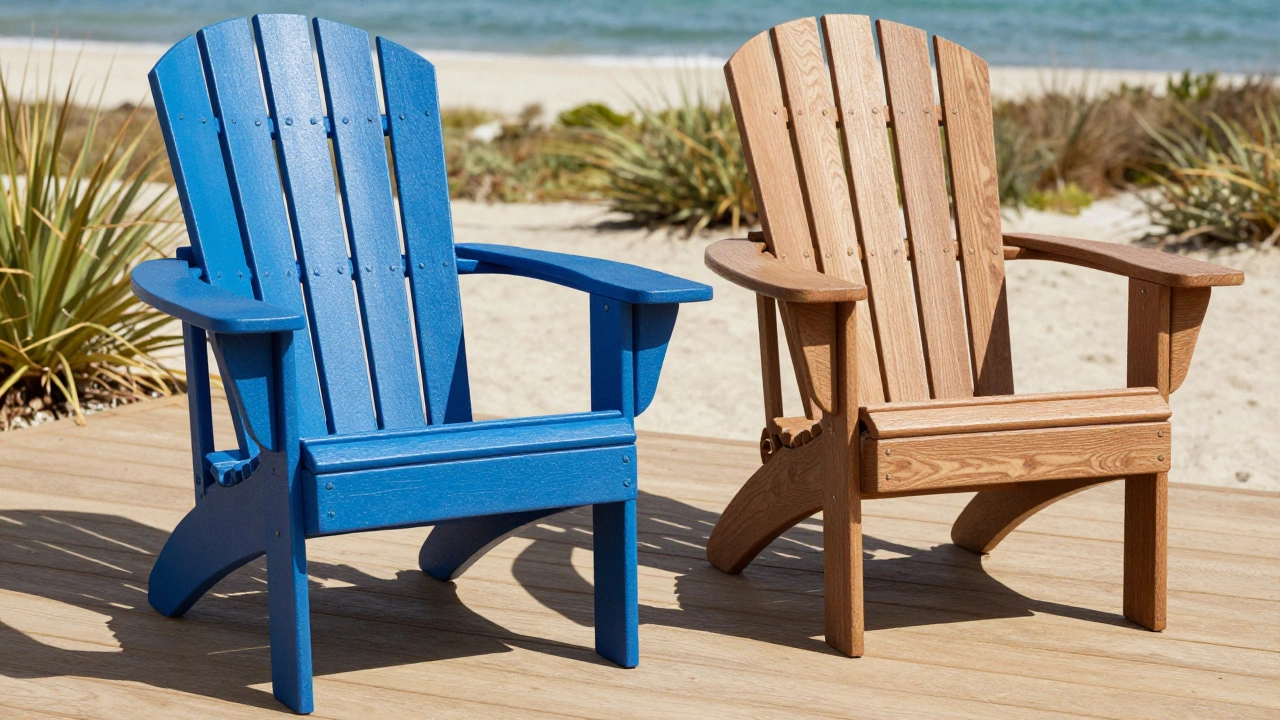
When you’re shopping for outdoor furniture that lasts, two names keep popping up: Trex and POLYWOOD. You’ve seen their sleek benches, picnic tables, and lounge chairs at home improvement stores and online. Both claim to be made from recycled materials. Both say they won’t rot, crack, or fade. So it’s natural to wonder-are they the same thing? The short answer is no. They’re not the same, and the differences matter more than you think.
They’re Not Even the Same Company
First, clear up a big misconception: Trex and POLYWOOD are completely separate businesses. Trex Company, based in Virginia, started in 1996 as a leader in composite decking. Their big breakthrough was turning plastic bags and wood waste into weather-resistant decking boards. Over time, they expanded into outdoor furniture, but it’s still a smaller part of their business.
POLYWOOD, on the other hand, is based in Indiana and has been focused solely on outdoor furniture since 1990. They don’t make decking. Their entire brand is built around chairs, tables, swings, and loungers made from recycled HDPE plastic. They even make their own plastic lumber in-house. That’s a key difference-Trex makes decking first, furniture second. POLYWOOD makes furniture, period.
Material Composition: Not All Recycled Plastic Is Equal
Both brands say they use recycled plastic. But what kind? And how much?
POLYWOOD uses 100% recycled high-density polyethylene (HDPE), mostly from milk jugs and detergent bottles. Their material is solid through and through-no wood fibers, no filler. That means if you scratch it, you won’t see a different color underneath. It’s pure plastic, designed to handle sun, rain, snow, and salt air without swelling or warping.
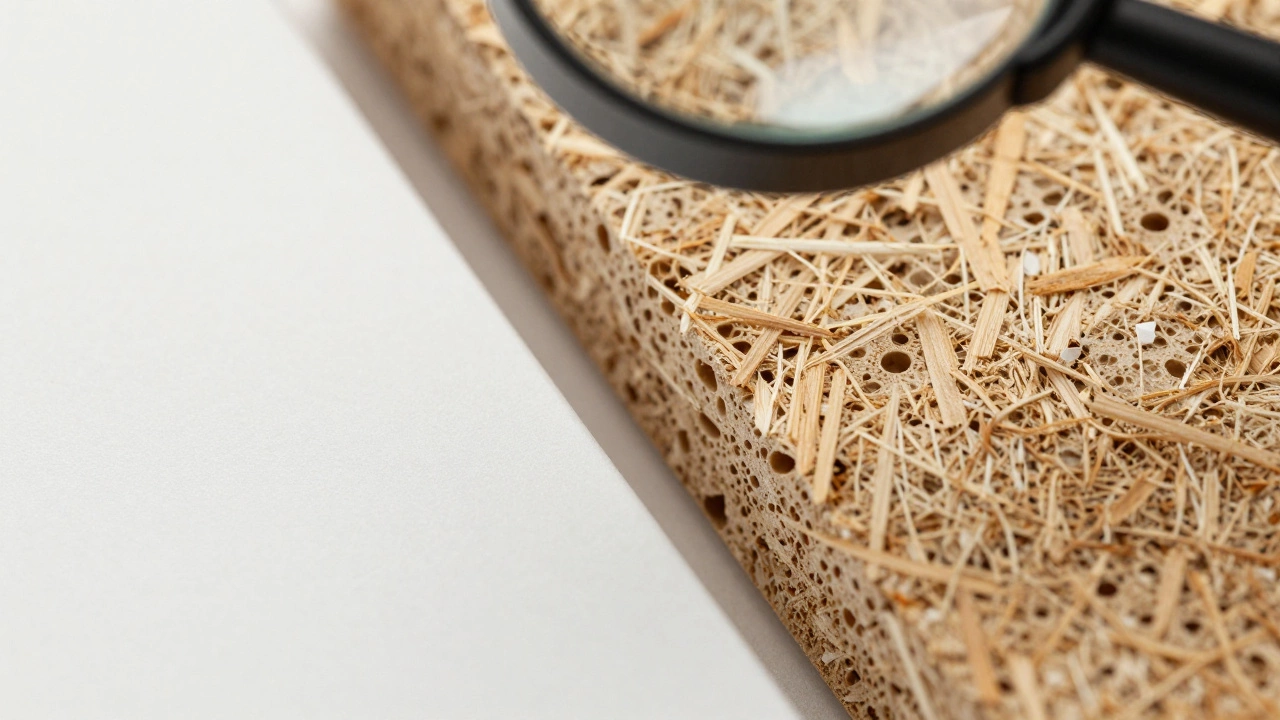
Trex Outdoor Furniture uses a composite blend: recycled plastic and wood flour. It’s the same material they use for their decking. That means it has a wood-like texture and grain pattern, which some people prefer for its natural look. But the wood fibers make it slightly more porous. Over time, in extreme climates, this can lead to minor surface fading or discoloration-not structural damage, but visible changes.
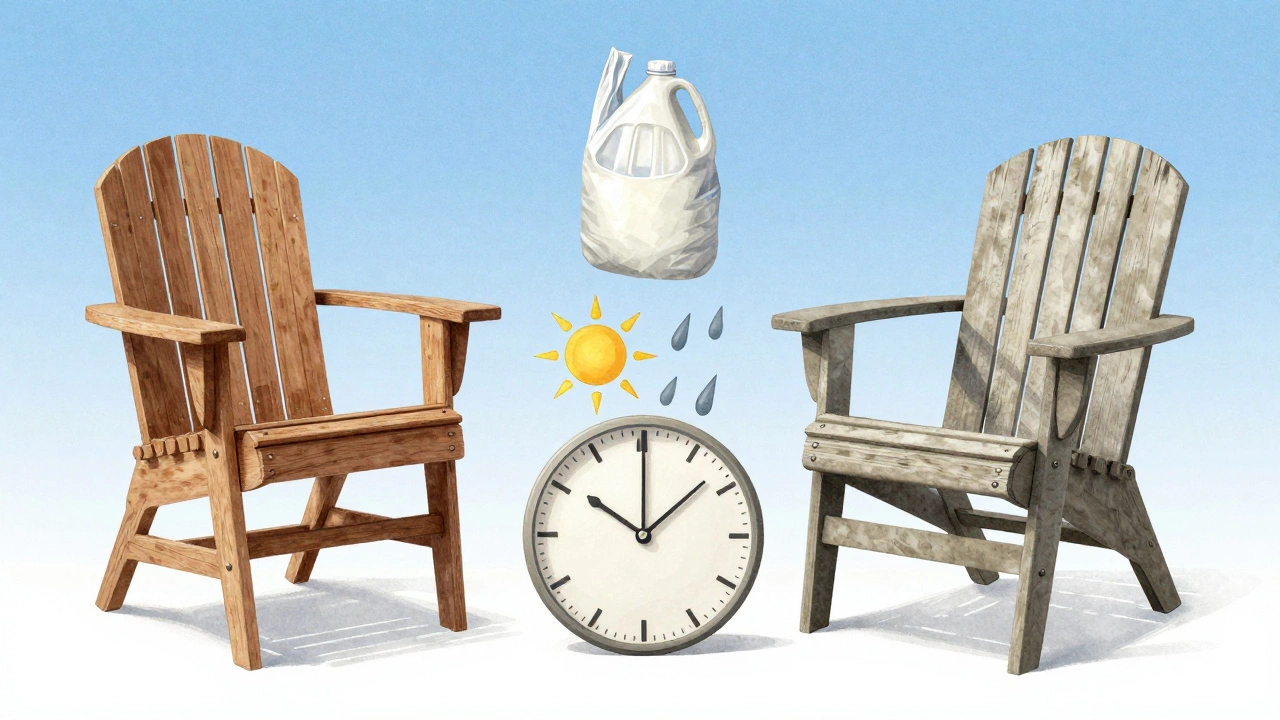
In a 2024 independent test by Outdoor Living Magazine, POLYWOOD chairs showed zero color change after 5,000 hours of UV exposure. Trex furniture showed a 7% color shift under the same conditions. That’s not a failure-it’s just a difference in material science.
Weight and Stability: One Feels Solid, the Other Feels Light
Grab a POLYWOOD Adirondack chair. It’s heavy. Like, 40 pounds heavy. That’s because it’s made from dense, solid plastic. It doesn’t blow over in a breeze. You can leave it outside all winter without anchoring it.
Trex chairs? They’re lighter. Around 25 to 30 pounds. That’s because they’re thinner and use a hollow-core design to cut weight. They’re easier to move around, which is great if you like to rearrange your patio often. But they’re not as stable. In high wind, they can tip. If you live near the coast or on a hilltop, that matters.
Design and Aesthetics: Natural Wood Look vs. Bold Modern
If you want your furniture to look like reclaimed teak or cedar, Trex wins. Their wood-grain texture and earth-tone colors mimic real wood beautifully. They offer classic styles: Adirondack chairs, rocking chairs, and traditional benches with a rustic feel.
POLYWOOD leans modern. Their colors are brighter-cobalt blue, coral, lime green-and their shapes are cleaner. You’ll find more angular lines, curved backs, and minimalist profiles. They also offer a wider variety of finishes, including matte and gloss options. If you want your patio to look like a boutique hotel terrace, POLYWOOD fits better.
Price and Value: What You Pay for What You Get
POLYWOOD chairs start around $250. A full dining set can cost $1,200-$1,800. Trex is usually $50-$100 cheaper per chair. At first glance, Trex looks like the better deal.
But here’s the catch: POLYWOOD offers a 20-year limited warranty. Trex offers 25 years on decking, but only 10 years on furniture. That’s a big gap. Why? Because POLYWOOD’s entire business depends on furniture lasting. Trex’s warranty is more of a bonus feature.
Also, POLYWOOD furniture is made in the USA. Trex furniture is assembled in the U.S., but parts are sourced globally. If you care about supporting domestic manufacturing, that’s a real factor.
Real-World Performance: What Owners Actually Say
Check Amazon reviews for both brands. POLYWOOD has over 12,000 reviews for their Adirondack chairs. The average rating is 4.7 stars. Common praise: “Still looks new after 8 years,” “No maintenance, ever.”
Trex furniture has fewer reviews-around 3,500. Average rating: 4.3 stars. Common complaints: “The color faded faster than expected,” “One leg cracked after a winter storm.”
That’s not to say Trex is bad. Many users love the wood look and find it perfectly durable for moderate climates. But if you live where winters hit hard, summers are scorching, or you get salt spray from the ocean, POLYWOOD’s solid plastic holds up better.
Which One Should You Buy?
Choose Trex if:
- You want a natural wood look without real wood maintenance
- You’re on a tighter budget
- You live in a mild climate with no extreme weather
- You like to move furniture often and prefer lighter pieces
Choose POLYWOOD if:
- You want furniture that lasts decades with zero upkeep
- You live in a harsh climate-cold winters, hot summers, coastal areas
- You value solid, stable pieces that won’t blow over
- You prefer bold colors and modern design
- You care about American-made products
There’s no right or wrong choice. But if you’re spending $200 or more on a chair, you should know what you’re paying for. Trex gives you the look of wood. POLYWOOD gives you the durability of plastic-no compromises.
What About Other Brands?
There are other players: Yaheetech, Outsunny, and even Walmart’s exclusive brands. But none match Trex or POLYWOOD in long-term reliability. If you’re looking for something cheaper, you’ll likely replace it in 3-5 years. Trex and POLYWOOD are built to outlive your old car.
Some people buy one of each: a POLYWOOD dining set for durability, and a Trex lounge chair for that cozy wood look. That’s a smart hybrid approach. You get the best of both.
Final Thought: It’s Not About the Brand, It’s About the Use
Don’t buy based on name recognition. Buy based on your life. Do you host summer barbecues in a windy yard? Go POLYWOOD. Do you want a rustic patio that looks like a cabin porch? Trex works. But if you want one set of furniture that survives 15 years of kids, pets, storms, and sun-POLYWOOD is the proven choice.
Are Trex and POLYWOOD made from the same materials?
No. Trex uses a composite of recycled plastic and wood flour, similar to their decking. POLYWOOD uses 100% recycled HDPE plastic-no wood fibers. This makes POLYWOOD more resistant to fading and moisture damage over time.
Which brand lasts longer outdoors?
POLYWOOD lasts longer in extreme conditions. Their solid plastic construction resists UV fading, cracking, and warping better than Trex’s wood-plastic composite. POLYWOOD offers a 20-year warranty; Trex only offers 10 years on furniture.
Is POLYWOOD worth the higher price?
Yes, if you plan to keep your furniture for 10+ years. POLYWOOD’s durability means you won’t need to replace it. Trex is cheaper upfront, but may show wear faster in harsh climates, making it less cost-effective long-term.
Can you paint or stain Trex or POLYWOOD furniture?
No. Neither brand should be painted or stained. Their surfaces are designed to be low-maintenance. Painting can trap moisture and cause damage. POLYWOOD’s color is molded throughout the plastic, so it won’t chip or peel. Trex’s surface is coated, and paint won’t adhere well.
Which brand is better for coastal areas?
POLYWOOD is better for coastal areas. Its 100% HDPE plastic resists salt corrosion and doesn’t absorb moisture. Trex’s wood fibers can retain salt over time, potentially leading to surface degradation in high-salt environments.