
Coffee Table Height Calculator
Determine Your Ideal Coffee Table Height
Enter your sofa seat height and coffee table height to see if the difference is comfortable and appropriate.
Height Difference Analysis
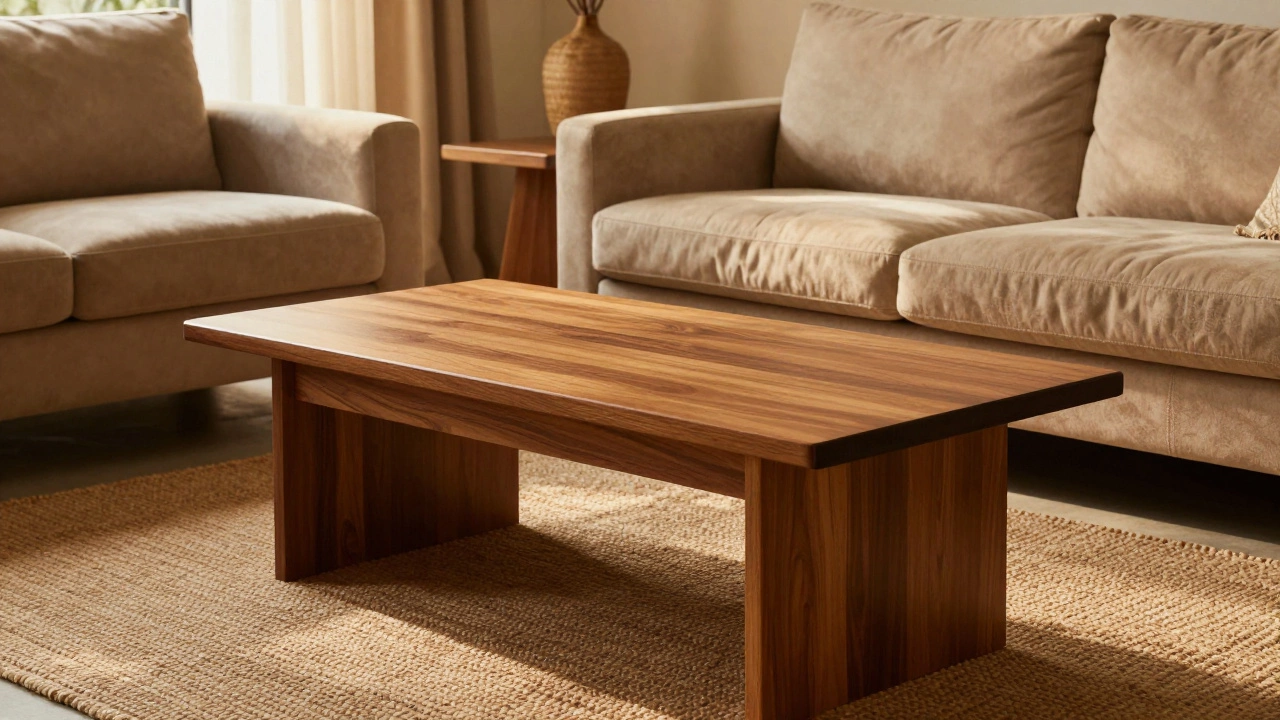
You walk into your living room and spot the new coffee table. It sits right in front of your sofa, but something feels off. You notice the table surface sits slightly above the seat cushion. Specifically, it is 2 inches higher. Is this a dealbreaker? Will it ruin your relaxation time? The short answer is yes, a coffee table can be 2 inches higher than your couch, but it depends heavily on your specific setup and comfort needs.
Many people worry about strict interior design rules, but functionality should always come first. If you are trying to decide whether to keep a table that is slightly tall, or you are shopping for a new one, understanding the relationship between Coffee Table is a low table typically placed in front of a sofa in a living room and your seating is crucial. A 2-inch difference is often invisible to the eye but noticeable to your body when you are actually using the space.
Understanding Standard Furniture Dimensions
To know if 2 inches is too much, you first need to know what the standard measurements are. Most Sofa is a upholstered seat with a back and arms, designed for two or more people seat heights range from 16 to 18 inches from the floor to the top of the cushion. This is the industry baseline for adult comfort. When you sit down, your legs should rest comfortably on the floor with your knees at a 90-degree angle.
Traditional design guidelines suggest the coffee table should be about the same height as the sofa seat or slightly lower. This usually means a table height between 16 and 18 inches as well. If your sofa seat is 18 inches and your table is 20 inches, you are looking at that 2-inch difference. While this breaks the "exact match" rule, it is not a catastrophe. However, if your sofa is low-profile at 16 inches and the table is 18 inches, the impact is different.
| Furniture Type | Standard Height Range (Inches) | Common Use Case |
|---|---|---|
| Standard Sofa | 16 - 18 | General living room seating |
| Low-Profile Sofa | 14 - 16 | Modern, floor-level lounging |
| Standard Coffee Table | 16 - 18 | Matching standard sofas |
| High Coffee Table | 19 - 22 | Side table alternative or dining use |
These numbers are not set in stone, but they provide a baseline for what most people expect. When you deviate from this, you change how the furniture interacts with your body. The key metric is not just the table height, but the relationship between the table and the Seat Height is the vertical distance from the floor to the top of the seating surface.
Ergonomics and Physical Comfort
Comfort is the most important factor in a living room. You spend hours here watching TV, reading, or chatting. If the table is 2 inches higher than the sofa, your arms will rest at a slightly different angle. When you reach for a drink or a remote, your elbows will be slightly elevated. For some, this feels natural. For others, it can cause shoulder strain over time.
Think about how you sit. If you sink deep into the cushions, your effective seat height drops. A firm sofa keeps you higher up. If your cushions compress by 2 inches when you sit, a table that was 2 inches higher might suddenly be level with your thighs. This compression is a critical detail often overlooked. A 2-inch gap might disappear the moment you actually use the furniture.
Legroom is another consideration. If the table is too high, it can feel imposing. You might feel like you are sitting at a desk rather than lounging. Conversely, if the table is too low, you have to bend down too far to put things on it. A 2-inch increase usually falls into the "slightly elevated" category. It is often acceptable if the table has a lower shelf or if you use it primarily for decor rather than dining.
Visual Balance and Aesthetics
Aside from comfort, how does it look? Interior design relies heavily on visual weight and proportion. A table that is too high can look like an island floating above the seating area. It disrupts the visual line between the floor and the sofa. However, a 2-inch difference is subtle. Most guests will not measure the gap with a tape measure.
The style of the furniture matters here. In a modern or minimalist setting, clean lines and slight variations are often embraced. A sleek glass table might look intentional even if it is slightly taller. In a traditional setting with heavy wood and upholstery, exact matching is usually preferred. If you have a mid-century modern sofa, which often sits lower to the ground, a slightly higher table can actually create a nice layered look.
Consider the depth of the table as well. A high table often has less depth to maintain proportion. If the table is high and deep, it might dominate the room. If it is high but narrow, it functions more like a console. This is where Interior Design is the art and science of improving the interior of a building to achieve a healthier and more aesthetically pleasing environment principles come into play. You want the furniture to feel grounded, not top-heavy.

Exceptions and Style Variations
Not every room follows the standard rules. There are specific scenarios where a higher table is actually the better choice. For example, if you have a sectional sofa with deep seating, a higher table allows you to reach the center without stretching too far. This is common in family rooms where people sit deeper into the cushions.
Another exception is when the coffee table doubles as a dining surface. Some people use their living room for eating breakfast or light meals. In this case, a table height closer to 20 or 22 inches is better for eating comfortably. If your sofa is 18 inches, that 2-inch or even 4-inch difference becomes functional rather than a mistake.
Accessibility is also a factor. For individuals with mobility issues or those who use wheelchairs, a higher table can be easier to access. The standard 16-inch height might be too low for someone transferring from a chair. In these cases, the 2-inch increase is a feature, not a bug. It reduces the need to bend down or reach awkwardly.
How to Adjust the Height Difference
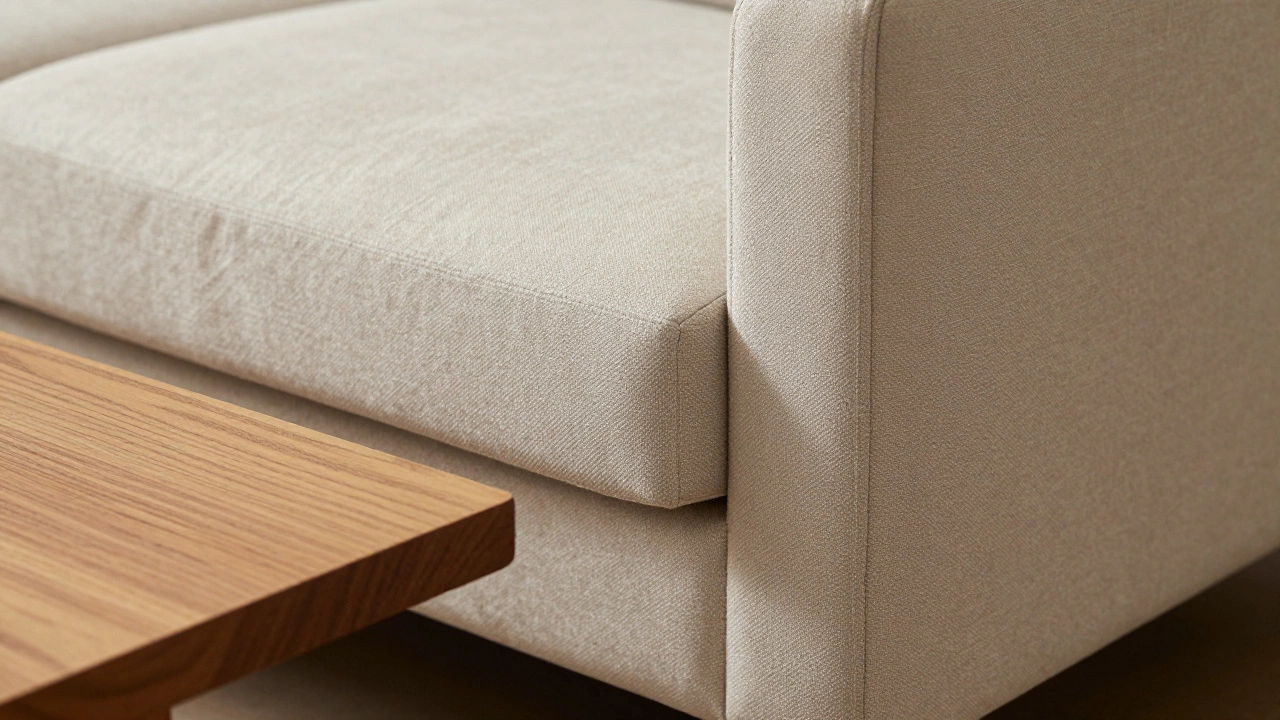
If you have already bought the furniture and the 2-inch difference bothers you, you have options. You don't necessarily need to return the item. There are practical ways to bridge the gap. One simple method is to adjust the cushions. Adding a firm topper or a slightly thicker cushion can raise the seating level to match the table.
You can also use furniture risers under the sofa legs. This is a permanent solution that physically lifts the sofa by an inch or two. It is a common trick used by interior designers to fix mismatched heights. Just ensure the sofa remains stable and does not wobble after adding the risers.
Another option is to change the rug. A thick, plush rug under the sofa can slightly elevate the seating area visually and physically. While it won't change the structural height, it changes the perception of the space. Layering textures helps blend the height difference so it is less noticeable to the eye.
When to Swap the Furniture
Sometimes, adjustments aren't enough. If the table feels like a desk every time you sit down, it is time to look for a replacement. Look for tables with adjustable legs or different height options. Many modern retailers offer tables in multiple height configurations. You might find a version of the same table that is 16 inches instead of 18 inches.
If you keep the table, consider moving it. Placing it slightly further away from the sofa can change the perspective. A table that is 2 inches high up close might look proportional from across the room. Rearranging the layout can sometimes solve the visual imbalance without spending money.
FAQ
Is it better for a coffee table to be higher or lower than the sofa?
Ideally, a coffee table should be level with or 1-2 inches lower than the sofa seat. This ensures comfortable armrest positioning and easy access to items on the table without straining your back or shoulders.
What is the standard height for a coffee table?
The standard height for a coffee table is typically between 16 and 18 inches from the floor. This range aligns with most standard sofa seat heights to maintain ergonomic balance in a living room setting.
Does a 2-inch height difference matter for comfort?
A 2-inch difference is generally acceptable and often unnoticeable. However, if you sit for long periods, a higher table might cause slight shoulder elevation. It depends on your personal posture and how deeply you sit in the cushions.
Can I raise my sofa to match a higher table?
Yes, you can use furniture risers under the sofa legs to lift the seating height. Alternatively, adding thicker cushions or a topper can increase the effective seat height to better match the table surface.
What if my coffee table is too high for my low sofa?
If the table is too high, consider using it as a side table instead of a central coffee table. You can also place it further back in the room or use a lower ottoman in front of the sofa for primary surface use.
Ultimately, your living room should work for you, not for a rulebook. If the 2-inch difference feels right when you are sitting there, keep it. If it feels awkward, adjust it. Furniture is meant to be lived in, and small imperfections often add character to a home. Focus on how the space feels rather than how it measures.