
Storage Unit Fit Calculator
Enter Your Couch Dimensions
Enter dimensions to see results.
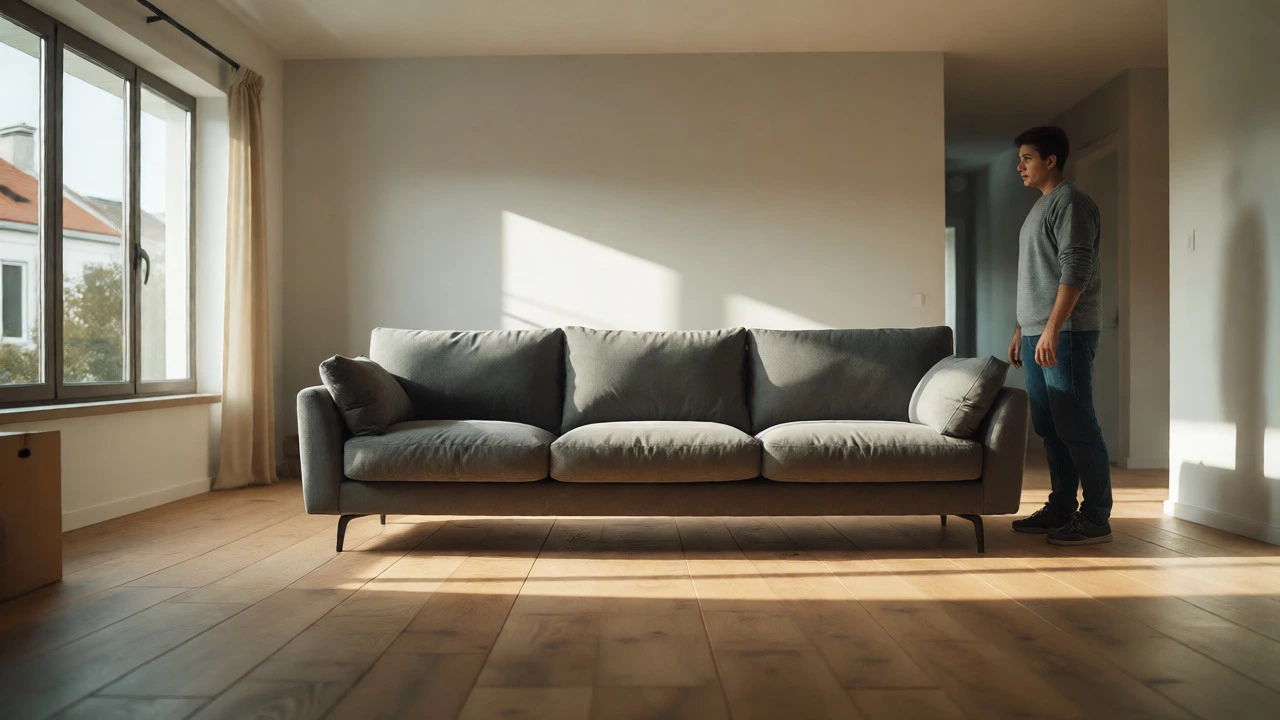
You are standing in your living room, staring at that three-seater sofa you’ve had for five years. It’s bulky, heavy, and currently blocking the view of your new rug. You need to move it, but you don’t have space in the new apartment. The obvious solution is renting a self-storage unit. But when you look up "10x10 storage unit," a question pops into your head: will it actually fit?
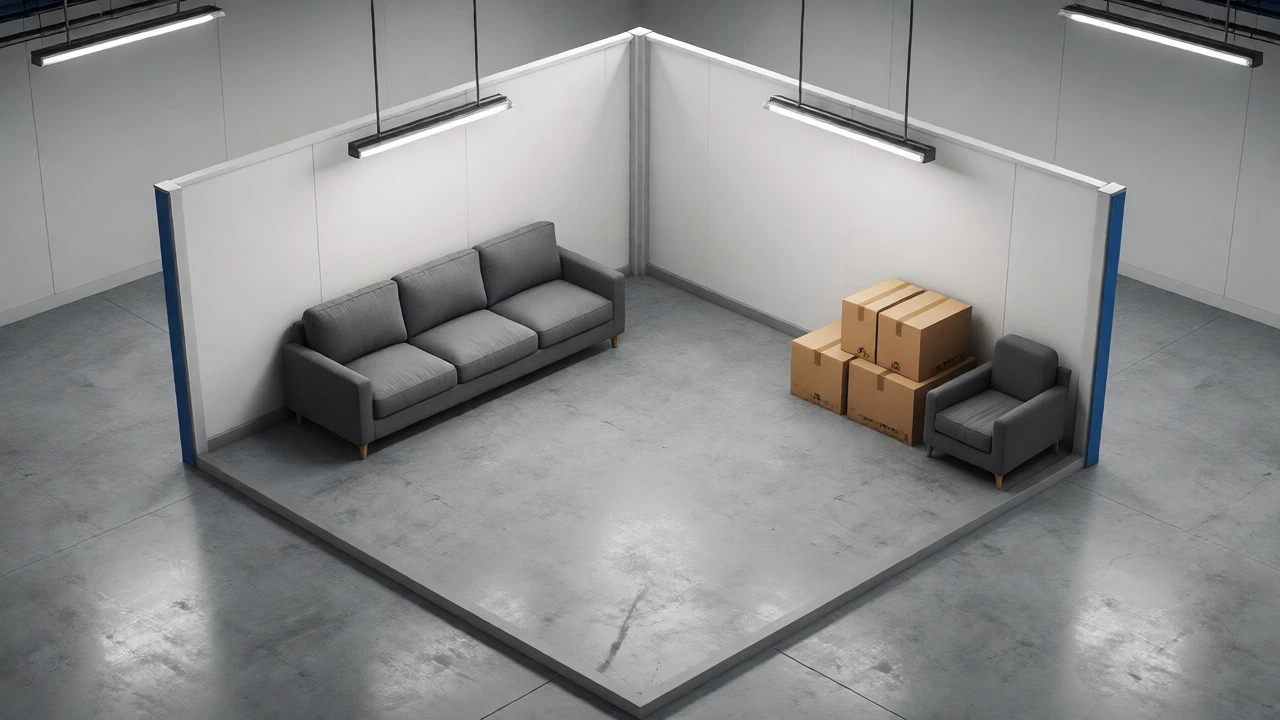
The short answer is yes, but with a massive "if." A 10x10 unit is roughly the size of a standard bedroom. It sounds spacious until you try to shove a sectional into it. If you just throw the couch in randomly, you’ll end up paying for air and struggling to get anything else out later. To make this work, you need to understand the math, the physics of moving, and the specific dimensions of your furniture.
Understanding the 10x10 Footprint
Let’s break down what you are actually renting. A 10x10 storage unit is a self-storage space measuring 10 feet by 10 feet, offering approximately 100 square feet of floor area. In Australia, where we often use metric measurements, this translates to roughly 3 meters by 3 meters. Most units have an 8-foot (2.4-meter) ceiling height.
Why does this matter? Because volume is not just about floor space. You can stack boxes on top of the couch if you plan correctly. But here is the trap: most people measure their couch while it is sitting comfortably in their lounge. They forget about the doorways, the stairs, and the truck ramp. Before you even think about the unit, check the path from your front door to the storage facility. If your couch doesn't fit through your current doorway, it won't fit in the unit either.
| Sofa Type | Typical Length (ft) | Typical Depth (ft) | Fits in 10x10? | Notes |
|---|---|---|---|---|
| 2-Seater Loveseat | 5 - 6 | 3 - 3.5 | Yes, easily | Leaves ample room for other furniture. |
| Standard 3-Seater | 7 - 8 | 3.5 - 4 | Yes, with care | Fits lengthwise or widthwise. Requires careful stacking. |
| Sectional (L-Shape) | 9 - 11+ | 3.5 - 4 | Maybe / No | Often too long for one piece. May need disassembly. |
| Recliner Chair | 3 - 4 | 3.5 - 4 | Yes, easily | Great filler item around larger pieces. |
The Math of Moving Day
Here is a rule of thumb I use when helping friends move: if your couch is longer than 9 feet, you are playing with fire in a 10x10 unit. Why? Because you need clearance. You cannot push a 10-foot couch flush against a 10-foot wall unless you slide it in perfectly straight, which is nearly impossible with corners and legs sticking out.
Consider the diagonal. Pythagoras was onto something. A 10x10 square has a diagonal distance of about 14.1 feet. This is your maximum potential length for any single rigid object if you angle it perfectly corner-to-corner. However, using the diagonal wastes valuable wall space. It prevents you from placing dressers or bookshelves along the walls because they would block the angled couch.
Most standard sofas are between 7 and 8 feet long. This leaves you 2 to 3 feet of breathing room. That gap is crucial. It allows you to walk around the back to retrieve items stored behind the couch. Without that gap, you are burying your belongings under layers of dust and inaccessible boxes.
Preparation Is Everything
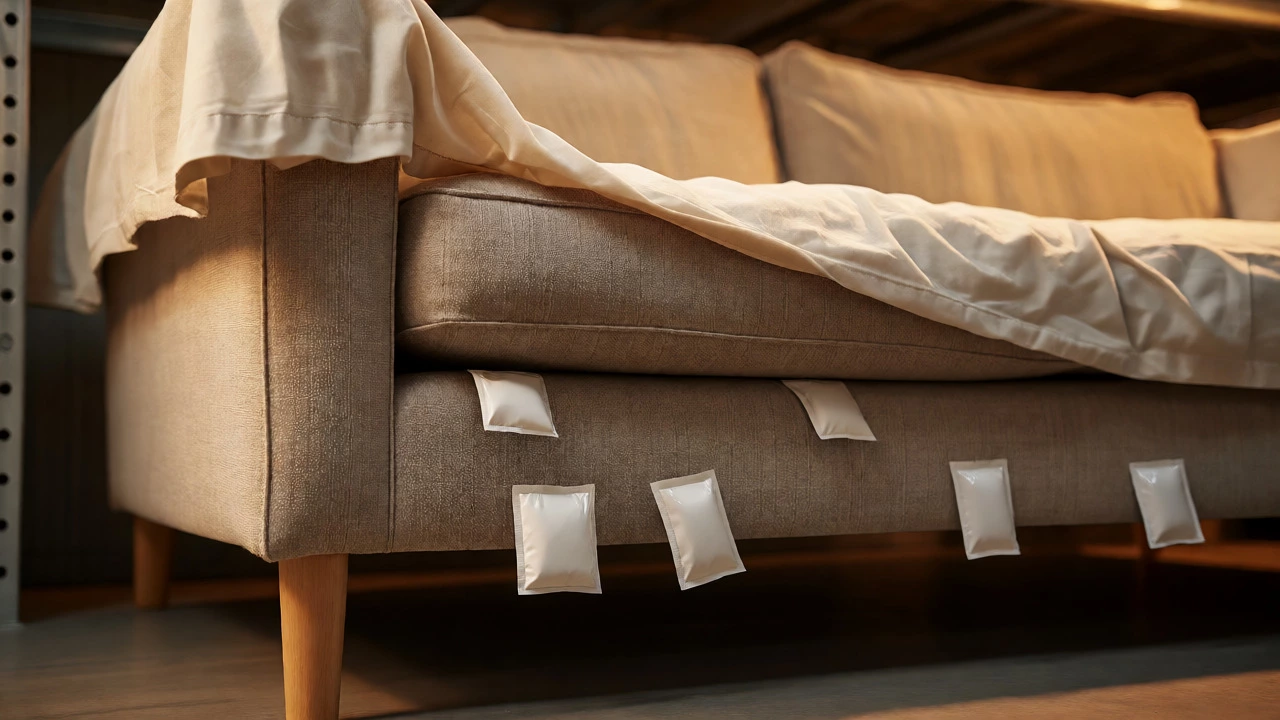
You cannot just drag a dirty couch into a clean unit. First, vacuum it thoroughly. Crumbs attract pests like silverfish and cockroaches, which love dark, undisturbed spaces. Next, remove the cushions. Storing cushions inside the unit separately saves space and prevents them from getting crushed under the weight of stacked boxes.
Cover the fabric. Use old bedsheets, drop cloths, or specialized plastic wrap. Dust settles over months, and once it embeds in velvet or linen, it is hard to remove. For leather couches, apply a conditioner before packing to prevent cracking during dry storage periods. Melbourne winters can be damp, so moisture control is key. Place silica gel packets around the base of the couch to absorb excess humidity.
Disassemble what you can. Many modern sofas have removable legs. Unscrew them and tape them to the underside of the frame. This reduces the overall height, allowing you to stack heavier items on top. If your couch has a reclining mechanism, secure the footrest with rubber bands or straps so it doesn't spring open during transport.
Strategic Placement Techniques
Now comes the actual loading. Do not start by throwing the couch in first. Load the largest, heaviest items that define the perimeter first. If you put the couch in first, you might find yourself unable to place a dresser next to it without blocking access.
Try the "wall hug" method. Slide the couch along one wall, leaving a 6-inch gap for airflow and easy removal. Then build your storage layout around it. Place tall items like wardrobes or bookcases on the opposite wall. Fill the center with smaller boxes and chairs. This creates a U-shape of accessibility, letting you reach everything without digging through piles.
What if you have a sectional? You have two options. Option one: separate the chaise and the main sofa. Store them as two distinct L-shaped blocks. Option two: stand them vertically. Yes, you can store many sectionals upright if the back is sturdy. This turns a 9-foot horizontal footprint into a 4-foot vertical one, freeing up half the floor space. Just ensure the unit has enough ceiling height and that the couch is balanced securely so it doesn't tip.
Pitfalls to Avoid
One common mistake is ignoring the door swing. Storage unit doors usually pull outward or roll up. Make sure your couch isn't positioned right in front of the door track. Check the mechanism type before you load. If it is a roller door, you need clear vertical space above the threshold.
Another issue is weight distribution. Don't stack heavy metal filing cabinets on top of a soft foam sofa. The foam will compress permanently, ruining the comfort. If you must stack, place light boxes on top. Use pallets underneath the couch to keep it off the concrete floor. Concrete absorbs moisture, which can wick up into wooden frames and cause mold. Even a cheap plastic pallet makes a huge difference.
Finally, label everything. Take photos of how you packed the unit. When you come back in six months, you won't remember which box contains the TV remotes or the spare keys. A quick snapshot on your phone saves hours of searching.
When a 10x10 Isn't Enough
Sometimes, despite your best efforts, a 10x10 feels cramped. This happens if you have a large sectional plus a dining set, or if you are storing multiple pieces of large furniture. In these cases, consider upgrading to a 10x15 unit. The extra 50 square feet might seem minor, but it changes the geometry entirely. It allows you to walk fully around the couch rather than squeezing past it.
If you are on a tight budget, look for deals on 5x10 units for smaller loveseats. But do not try to force a full-sized family sofa into a 5x10. You will damage the upholstery trying to jam it in, and you will pay more in stress than you save in rent.
Can I store a 3-seater sofa in a 10x10 unit?
Yes, absolutely. A standard 3-seater sofa typically measures 7 to 8 feet in length. In a 10x10 unit, this leaves plenty of room to place it against a wall and still have space for additional boxes, chairs, or small tables. Ensure you leave a small gap behind the couch for airflow and easier retrieval.
How much does a 10x10 storage unit cost in Australia?
Prices vary significantly by location and provider. As of 2026, in major cities like Melbourne or Sydney, expect to pay between $150 and $250 per month for a climate-controlled 10x10 unit. Non-climate-controlled units may range from $100 to $180. Always check for promotional rates, such as free first month offers.
Should I cover my couch in plastic when storing it?
Avoid wrapping fabric couches directly in non-breathable plastic for long-term storage, as trapped moisture can lead to mold. Instead, use breathable cotton sheets or canvas covers. If you must use plastic, ensure the couch is completely dry first and poke small holes for ventilation. Leather couches benefit from being covered with a sheet to prevent dust accumulation and scratches.
Can I stack boxes on top of the sofa?
You can, but proceed with caution. Only stack lightweight boxes on top of upholstered furniture. Heavy items like books or tools will crush the foam and springs, causing permanent sagging. For wooden-framed sofas with solid tops, you can stack moderately heavy items, but avoid placing sharp objects that could tear the upholstery.
Do I need a climate-controlled unit for my couch?
In regions with extreme temperature fluctuations or high humidity, climate control is recommended. While a basic polyester blend couch might survive in a non-climate-controlled unit, leather, velvet, and antique wood frames are sensitive to moisture and heat. Climate control protects against warping, cracking, and mold growth, preserving the value and condition of your furniture.