
Garden Furniture Lawn Risk Calculator
Configuration
Analysis Result
Select your furniture details and click "Assess Risk" to see how it impacts your lawn.
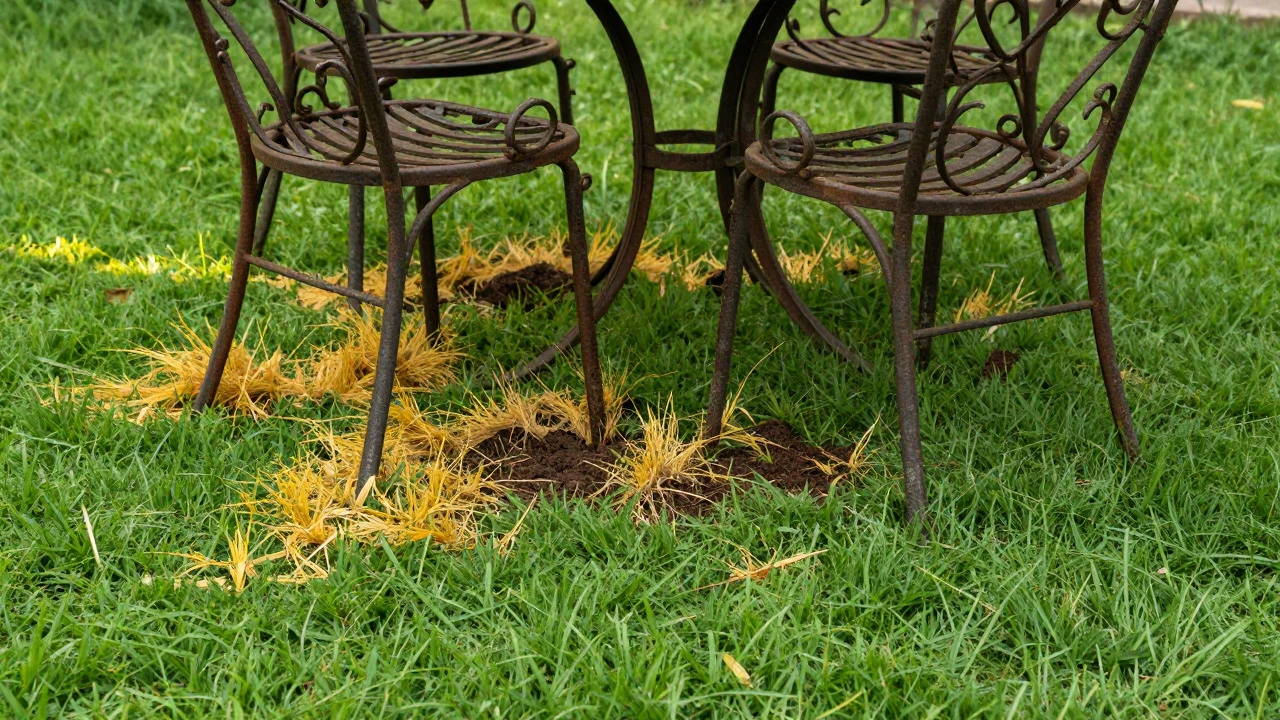
It looks peaceful. A wrought-iron bistro set or a plush rattan sofa sits right in the middle of your green lawn, creating that perfect Instagram-worthy backdrop for summer evenings. But have you ever noticed the yellow patches forming under the chair legs? Or wondered if your expensive teak table is slowly sinking into the mud after a rainy week?
The short answer is: yes, you can leave garden furniture on grass, but it comes with significant risks to both your lawn health and the longevity of your outdoor furniture. Leaving heavy items stationary on turf for extended periods creates pressure points that kill grass, trap moisture that leads to mold, and causes structural damage to the furniture itself. However, with the right precautions, you can enjoy a natural look without ruining your yard.
How Weight and Pressure Damage Your Lawn
Grass isn't just decoration; it’s a living ecosystem of roots, soil, and microorganisms. When you place heavy furniture on it, you’re essentially performing a slow-motion compression test on your turf. The primary issue is soil compaction. As weight presses down on the ground, air pockets in the soil are squeezed out. Without these air pockets, oxygen cannot reach the grass roots, and water drainage becomes inefficient.
Different materials exert different levels of pressure. A lightweight aluminum chair might only cause minor indentation, but a solid stone bench or a dense hardwood dining set can crush the root system entirely. If the furniture stays in one spot for more than a few days during wet weather, the grass underneath often dies due to lack of sunlight and airflow. This results in those unsightly brown or yellow spots that are difficult to repair once the soil structure is compromised.
To visualize this, think about walking on wet grass after rain. You leave footprints because the soil is soft and saturated. Now imagine leaving a 50-pound table leg there for a month. The result is permanent deformation of the soil surface, making it hard for new grass blades to grow evenly.
Moisture Traps and Mold Risks
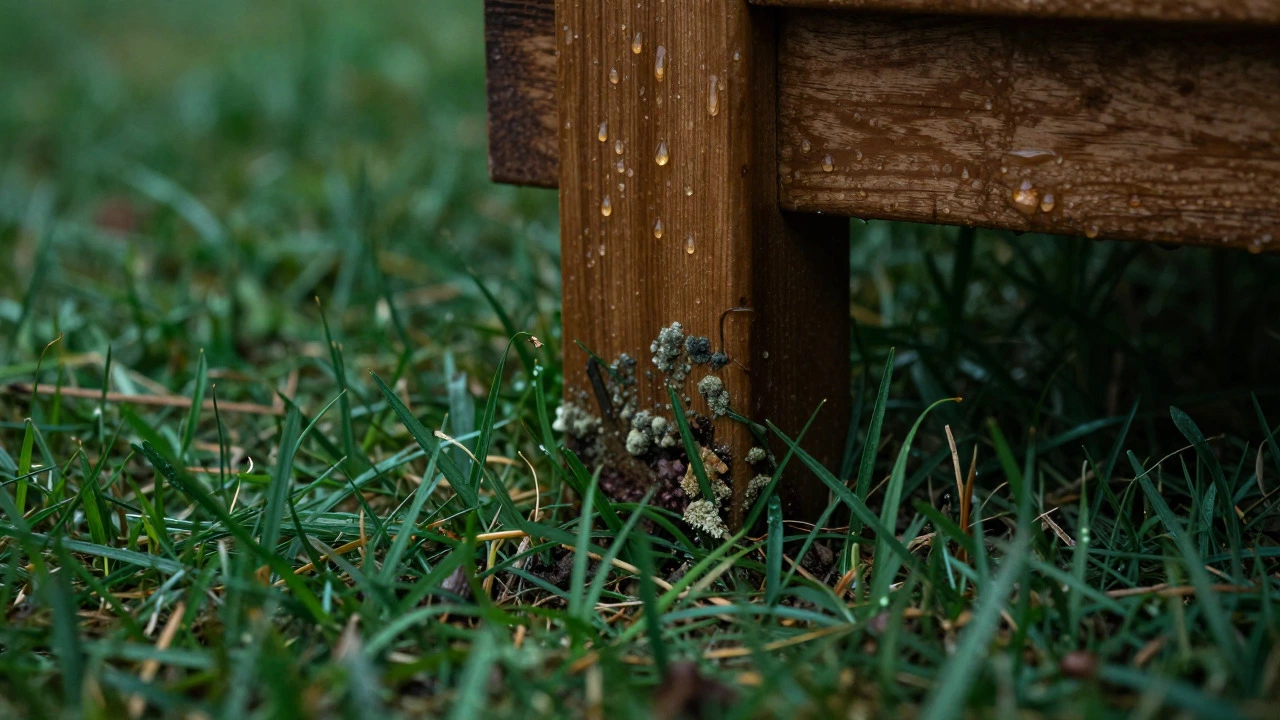
Beyond physical crushing, moisture is the silent killer of both lawns and furniture. When furniture sits directly on grass, it blocks evaporation. Rainwater gets trapped between the bottom of the furniture and the ground, creating a humid microclimate. For your lawn, this constant dampness can lead to fungal diseases like dollar spot or brown patch. For your furniture, it’s even worse.
If you have wooden furniture, prolonged contact with wet grass promotes rot and warping. Metal frames, especially iron or steel, are prone to rust when exposed to persistent humidity. Even synthetic materials like resin wicker can develop mildew on their underside if they never dry out completely. In regions with high rainfall, such as the Pacific Northwest or parts of the UK, this risk is amplified significantly.
A simple test is to lift your furniture after a week. If the grass underneath is dark, squishy, and smells musty, you’ve created a breeding ground for bacteria and fungi. Over time, this moisture can seep up into the furniture joints, loosening screws and weakening connections.
Best Materials for Grass Placement
Not all garden furniture is created equal when it comes to lawn compatibility. Some materials are naturally better suited for temporary placement on grass than others. Here’s how common options stack up:
- Aluminum: Lightweight and rust-resistant. It distributes weight well if designed with wide feet, but thin legs can still dig in.
- Teak Wood: Durable and weather-resistant, but very heavy. Teak tables can severely compact soil unless moved regularly.
- Resin Wicker/Rattan: Lighter than wood, but the plastic base can trap heat and moisture against the grass.
- Iron/Wrought Iron: Heavy and prone to rust. Poor choice for direct grass contact unless coated and elevated.
- Plastic/Polywood: Very light and easy to move, but can melt or warp if left in direct sun while touching hot grass.
If you must place furniture on grass, choose pieces with broad, flat bases rather than narrow legs. Wide feet distribute weight over a larger area, reducing pressure per square inch. Look for designs with integrated glides or rubber caps that prevent digging.
Protective Solutions: How to Save Your Lawn and Furniture
You don’t have to choose between aesthetics and practicality. There are several effective ways to protect your lawn while keeping your furniture where you want it. The key is to create a barrier between the furniture and the grass.
1. Use Furniture Pads or Coasters
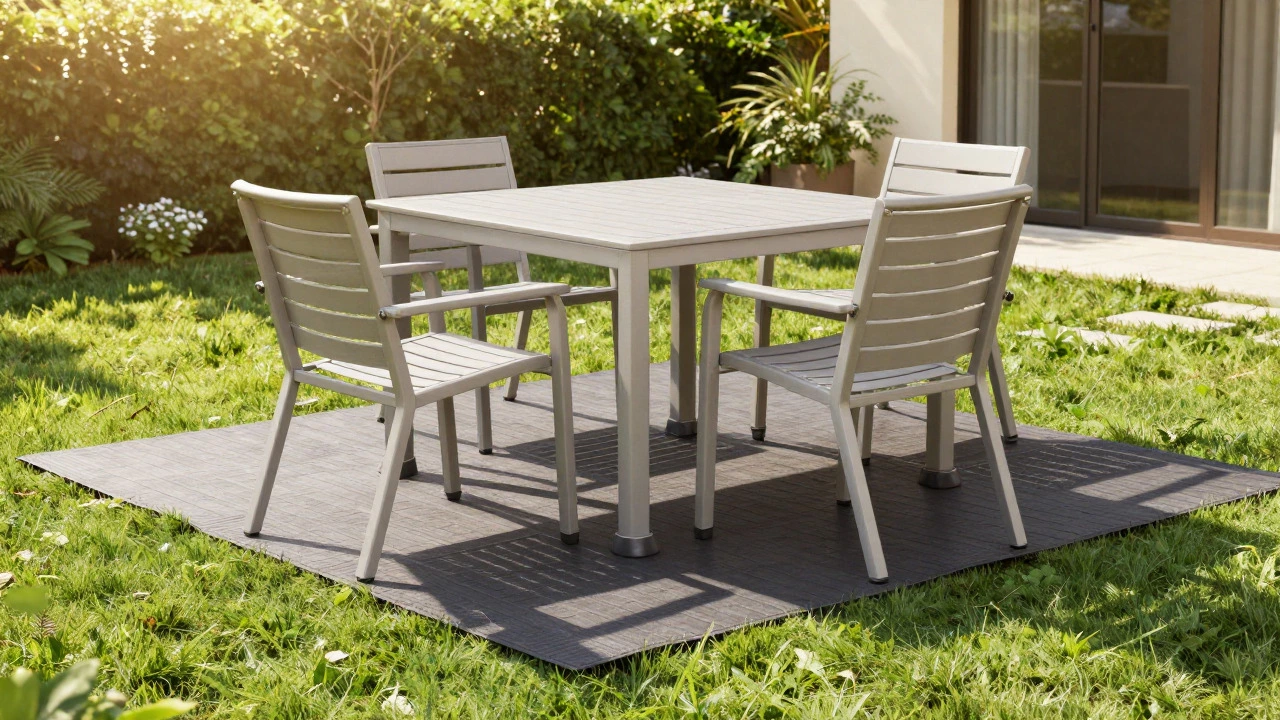
Just like you use coasters for drinks, use protective pads for furniture. Rubber or felt furniture glides can be attached to the bottom of legs. These provide cushioning and allow slight movement, preventing deep indentations. For heavier items, consider large plastic or rubber mats specifically designed for outdoor use. Place them under entire sets to distribute weight evenly.
2. Install Artificial Turf Underlays
If you love the look of grass but want stability, lay down a section of artificial turf beneath your seating area. This provides a consistent, drainable surface that protects the real grass underneath (if you install it over a permeable base) and gives your furniture a firm footing. It also eliminates the risk of mud tracking indoors.
3. Create a Patio Base
For permanent setups, invest in a small patio made of gravel, pavers, or decking. Even a modest 4x6 foot deck can support a full dining set while preserving the surrounding lawn. Gravel bases offer excellent drainage, preventing water pooling. Wooden decks elevate furniture off the ground, allowing air circulation underneath.
4. Rotate Your Furniture Regularly
If you prefer a natural look without hardscaping, commit to moving your furniture every few days. Shifting positions by just a foot or two prevents long-term soil compaction in one spot. This also allows sunlight to reach previously shaded areas, helping the grass recover.
| Method | Cost Level | Effectiveness | Effort Required |
|---|---|---|---|
| Furniture Glides | Low | Moderate | Very Low |
| Rubber Mats | Low-Medium | High | Low |
| Artificial Turf | Medium-High | Very High | Medium |
| Wooden Deck | High | Excellent | High |
| Regular Rotation | Free | Moderate | Medium |
Seasonal Considerations and Maintenance
Your approach should change with the seasons. In spring and early summer, when grass is actively growing, it’s more resilient but also more vulnerable to damage. Avoid placing heavy furniture during periods of rapid growth. In autumn and winter, when grass goes dormant, it’s less able to recover from stress. Moving furniture before the first frost can prevent cold-soil compaction.
Cleaning is equally important. After removing furniture, brush away debris and check for dead patches. If you see bare spots, aerate the soil lightly and overseed with grass seed. Keep the area moist until new growth appears. Regular maintenance ensures your lawn remains lush and inviting year-round.
When to Move Furniture Indoors
Sometimes, the best solution is to remove furniture entirely. During extreme weather events-such as hailstorms, heavy snowfall, or prolonged droughts-it’s wise to store delicate pieces in a shed or garage. This protects both your investment and your landscape. If storage space is limited, at least cover furniture with breathable waterproof covers and ensure they’re not resting directly on wet grass.
Remember, garden furniture is meant to enhance your outdoor experience, not detract from it. By taking simple steps to protect your lawn, you preserve the beauty of your garden while enjoying comfortable seating. Whether you opt for protective mats, regular rotation, or a permanent patio base, the goal is balance. With thoughtful planning, your garden can remain a vibrant, healthy space that complements your style and needs.
Will leaving garden furniture on grass kill the grass?
Yes, if left in one spot for too long. The weight compresses the soil, blocking oxygen and sunlight, which kills the grass roots. Moisture trapped underneath can also cause fungal diseases. To prevent this, move furniture regularly or use protective mats.
What is the best material for garden furniture on grass?
Lightweight aluminum or resin wicker with wide, flat feet is ideal. These materials distribute weight evenly and resist rust. Avoid heavy iron or stone unless placed on a hard surface like a patio or deck.
How do I fix grass damaged by furniture?
First, remove the furniture and loosen compacted soil with a garden fork. Remove any dead grass, then spread compost and overseed with fresh grass seed. Keep the area watered until new growth establishes. Aeration helps restore soil health.
Should I put anything under my outdoor furniture?
Absolutely. Using rubber furniture glides, felt pads, or large outdoor mats protects both your lawn and furniture. These barriers reduce pressure, improve drainage, and prevent scratches or stains on the furniture base.
Is it okay to leave furniture on grass overnight?
Occasionally, yes. Morning dew and nighttime moisture can make grass slippery and increase mold risk. If you leave furniture out, ensure it’s stable and not trapping excessive moisture. For long-term placement, use protective measures.