
Wood Furniture Storage Risk Analyzer
Storage Conditions
Risk Assessment Result
Select your storage conditions and click "Analyze Risk" to see if your furniture is safe.
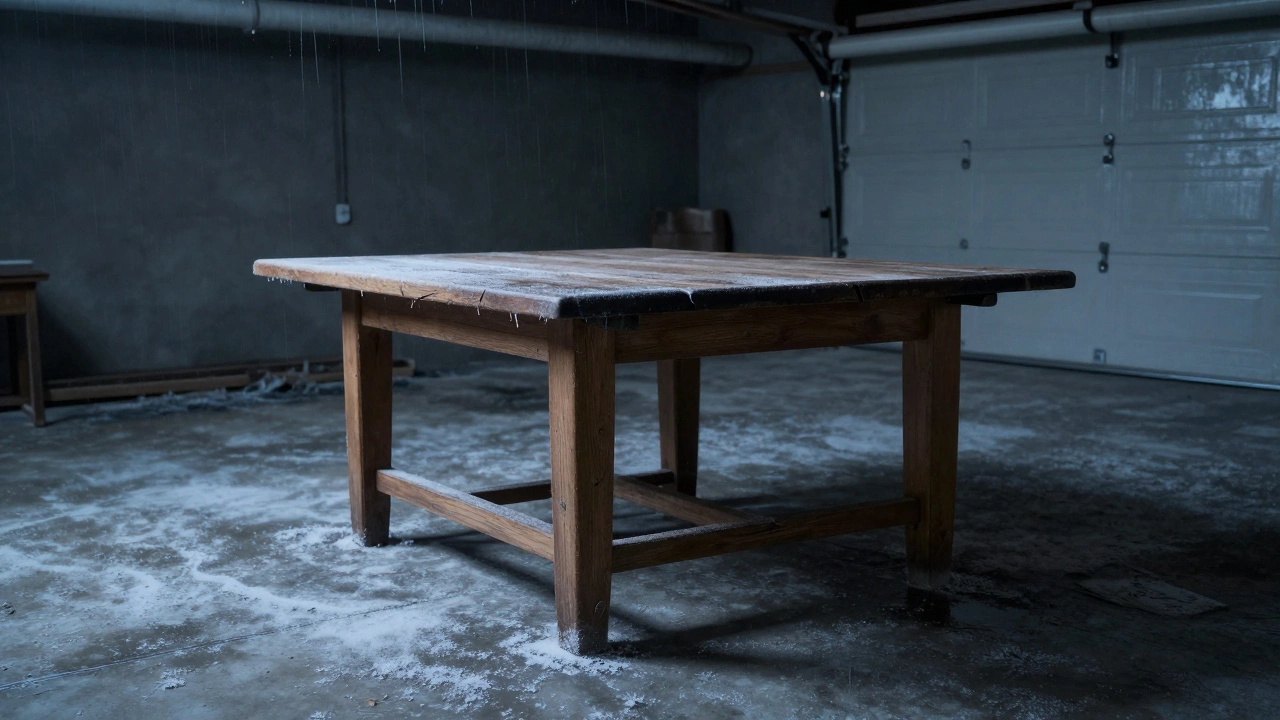
That old oak dining table you’re thinking of tossing into the garage to save space? It might not survive the winter. Storing wood furniture is delicate timber pieces that react strongly to environmental changes like temperature and moisture in an unheated garage is a gamble. The short answer is: yes, you can, but only if you treat the garage as a hostile environment rather than a free closet. Without preparation, your investment will warp, crack, or grow mold before you know it.
The real enemy isn’t the cold itself; it’s the swing between freezing nights and warm days, combined with unpredictable humidity. Wood is hygroscopic, meaning it absorbs and releases moisture from the air. When that cycle gets too extreme, the wood fibers expand and contract until they snap. Let’s look at how to protect your pieces so they look just as good when you bring them back inside.
Why Unheated Garages Are Dangerous for Wood
To understand the risk, you have to understand what happens to wood in extreme conditions. Most hardwoods used in quality furniture-like Oak, White Oak, a dense hardwood known for its strength and grain pattern, Mahogany, a rich reddish-brown tropical hardwood prized for durability, or Maple, a hard, light-colored wood common in modern furniture-are finished with varnish, lacquer, or oil. These finishes protect the surface, but they don’t stop the internal movement of the wood.
In Melbourne, where we might see summer highs of 40°C and winter lows near freezing, an unheated garage experiences drastic temperature fluctuations. This causes the air to hold different amounts of moisture. High humidity (above 60%) makes wood swell. Low humidity (below 30%), often caused by dry cold air or heated spaces nearby, makes wood shrink. The combination leads to:
- Cracking: Small splits in the wood surface, often starting at joints.
- Warping: Tables bowing or chairs becoming wobbly as legs twist.
- Joint Failure: Glue dries out and becomes brittle, causing dovetails or mortise-and-tenon joints to loosen.
- Mold Growth: If condensation forms on the cool wood surfaces, fungi can set in within weeks.
Softwoods like pine are even more vulnerable because their cellular structure is less dense, allowing moisture to penetrate faster. If you’re storing anything made of solid wood, you need to buffer it against these swings.
Essential Preparation Steps Before Storage
You wouldn’t leave a car engine running in sub-zero weather without antifreeze. Similarly, you shouldn’t put raw wood in a garage without prep. Here is the checklist every homeowner should follow:
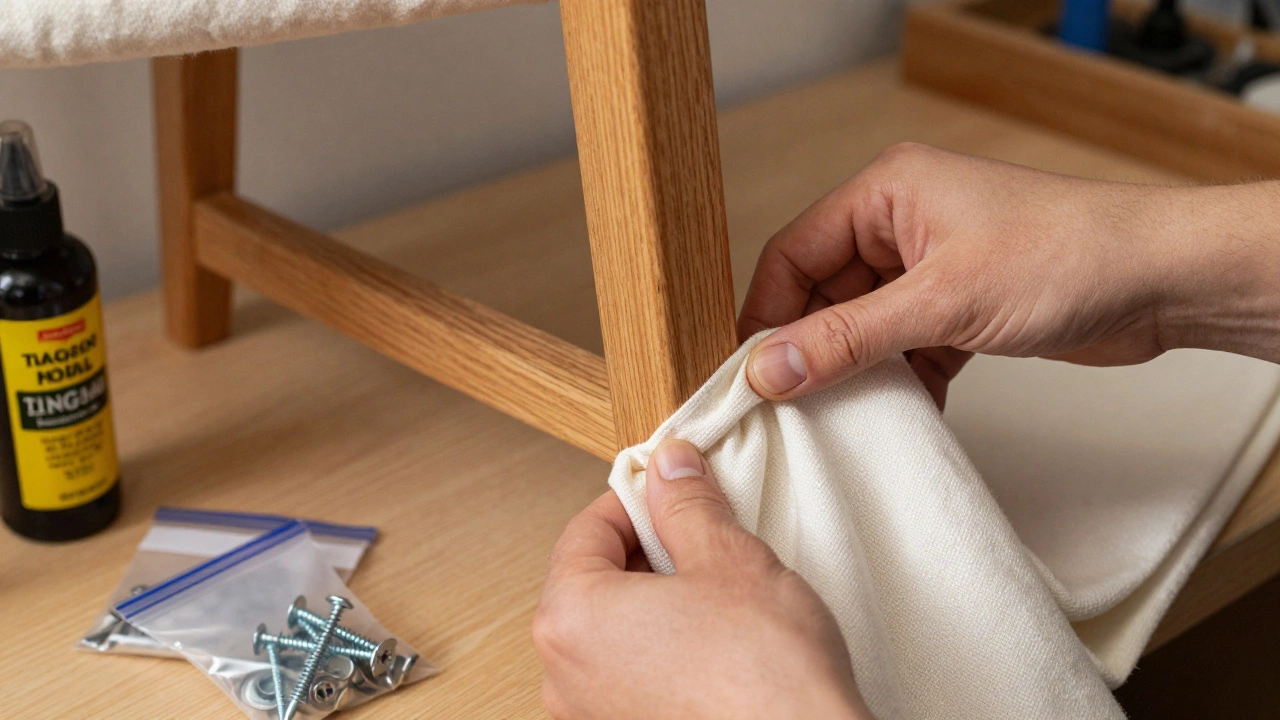
- Clean Thoroughly: Dust and grime trap moisture. Use a mild soap solution and a soft cloth to clean every surface. Avoid harsh chemicals that strip the finish. Let it dry completely for 24 hours.
- Apply Protective Coating: Reapply a layer of furniture wax or polish. For unfinished wood, use a penetrating oil like tung oil. This creates a barrier against humidity spikes. Brands like Minwax or Briwax offer products specifically designed for long-term protection.
- Disassemble if Possible: Large tables and bed frames put stress on their own joints when stored horizontally. Break them down into smaller components. Keep all screws and hardware in labeled zip-lock bags taped to the piece.
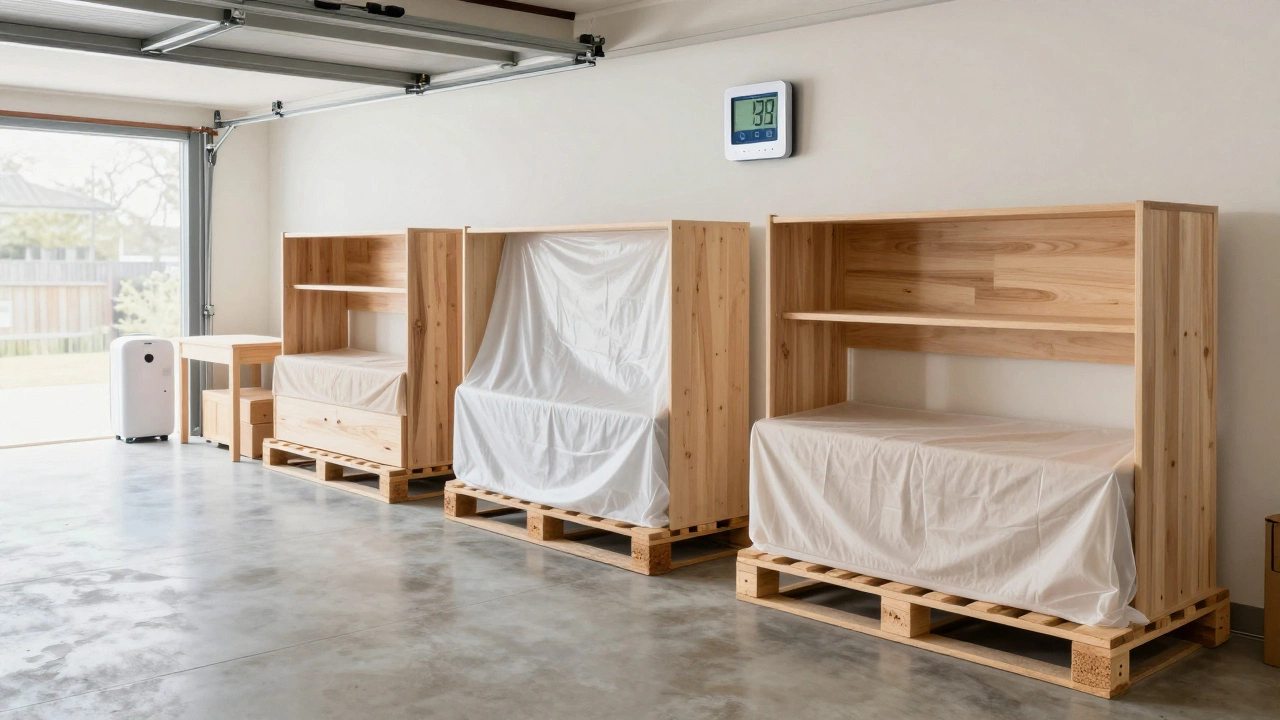
- Wrap Correctly: Never use plastic wrap directly on wood. Plastic traps moisture and promotes mold. Use breathable cotton sheets, moving blankets, or specialized furniture covers. Secure them with tape or ties, but avoid taping directly to the wood finish.
If you have upholstered wood furniture, such as a wooden armchair, remove the cushions and store them separately in vacuum-sealed bags. The fabric holds odors and pests, which can transfer to the wood frame.
Smart Positioning and Climate Control Hacks
Where you place the furniture matters almost as much as how you wrap it. An unheated garage is rarely uniform in temperature. The area near the door fluctuates wildly every time someone enters. The ceiling is hotter in summer; the floor is colder in winter.
| Location | Risk Level | Reason |
|---|---|---|
| Near Garage Door | High | Constant drafts and temperature swings cause rapid expansion/contraction. |
| Against Exterior Walls | Medium-High | Exterior walls conduct outside temperatures, leading to condensation on the wood. |
| On Concrete Floor | High | Concrete draws moisture up from the ground, creating a damp microclimate. |
| Center of Garage, Elevated | Low | Most stable temperature zone; elevation prevents moisture wicking. |
To create a microclimate, elevate your furniture off the concrete floor using pallets, cinder blocks, or thick cardboard. Air circulation underneath prevents moisture buildup. If you have dehumidifiers, run one in the garage during humid months. Aim to keep relative humidity between 40% and 50%. A simple digital hygrometer costs under $20 and tells you exactly what the air is doing.
Avoid stacking heavy items on top of stored furniture. Even wrapped pieces can suffer structural damage if subjected to uneven pressure over several months.
What NOT to Do: Common Mistakes
I’ve seen many homeowners ruin expensive pieces by trying to "help" with well-meaning but incorrect methods. Avoid these pitfalls:
- Using Plastic Sheeting Directly: As mentioned, plastic suffocates wood. It creates a greenhouse effect where condensation forms on the inner surface of the plastic, dripping onto the wood. Always use a breathable fabric layer first.
- Storing Near Chemicals: Garages often house paint, solvents, and fertilizers. Volatile organic compounds (VOCs) from these chemicals can degrade wood finishes and cause discoloration over time. Keep furniture away from open containers.
- Ignoring Pests: Unheated garages are havens for spiders, rodents, and silverfish. These creatures chew through protective wraps and nest in hollow furniture parts. Place cedar blocks or mothballs (kept away from direct contact) in corners to deter pests.
- Leaving Electronics Nearby: If you store power tools or batteries, ensure they are sealed. Leaking acid or battery corrosion can stain wood irreversibly.
Also, don’t assume that "solid wood" means indestructible. Solid wood is natural material. It breathes. Treating it like inert plastic is the fastest way to destroy it.
When to Bring It Back Inside
Retrieving your furniture requires care too. Don’t haul a frozen table into a heated living room and expect it to adjust instantly. Thermal shock can cause immediate cracking.
Bring the pieces into a transitional space-a hallway or spare bedroom-that has a moderate temperature. Leave them wrapped for 24-48 hours to acclimatize slowly. Then unwrap and inspect. Check for any signs of mold. If you see black spots, wipe gently with a mixture of water and white vinegar (1:1 ratio). Do not use bleach, as it weakens wood fibers.
Once acclimatized, apply a fresh coat of polish to restore shine and replenish oils lost during storage. If joints feel loose, tighten screws carefully. For glued joints that have separated, consult a professional restorer; attempting DIY glue repairs on antique pieces can reduce their value significantly.
Alternatives to Garage Storage
If your garage is particularly damp, uninsulated, or prone to flooding, consider other options. Self-storage units with climate control are ideal for high-value antiques. They maintain steady temperatures and humidity levels year-round. While they cost money, the peace of mind is worth it for heirlooms.
Another option is to repurpose the furniture. Instead of storing a large dining table, sell it or donate it during off-seasons and buy a smaller, stackable set for winter. This frees up space and eliminates storage risks entirely. Many online marketplaces in Australia make selling second-hand furniture easy and quick.
How long can wood furniture stay in an unheated garage?
Ideally, no longer than 3-6 months. Beyond this period, the cumulative effect of temperature swings increases the risk of warping and joint failure. If long-term storage is necessary, invest in climate control measures like dehumidifiers and insulated covers.
Is plywood furniture safe to store in a garage?
Plywood is generally more stable than solid wood because its layered construction resists warping. However, the edges are still vulnerable to moisture absorption. Seal the edges with varnish or caulk before storing, and keep it elevated off the floor.
Can I use silica gel packets to protect my furniture?
Yes, silica gel helps absorb excess moisture in small enclosed spaces. Place several packets inside drawers or cabinets before sealing them. Replace or recharge the packets every few months to maintain effectiveness.
What should I do if my furniture already warped in the garage?
Minor warping may reverse itself once the furniture returns to a stable indoor environment. For severe cases, consult a professional woodworker. They can use steam or controlled heat to reshape the wood, though this is costly and not always successful.
Are metal-framed wood furniture pieces safer?
Metal frames provide structural stability, but the wood components remain susceptible to humidity. Ensure the metal is rust-proofed, as rust stains can transfer to the wood. Treat the wood parts with the same care as all-wood furniture.