
Acrylic Yellowing Risk Calculator
Yellowing Risk Assessment
Enter your table's conditions to estimate when yellowing might occur
Estimated Yellowing Timeline
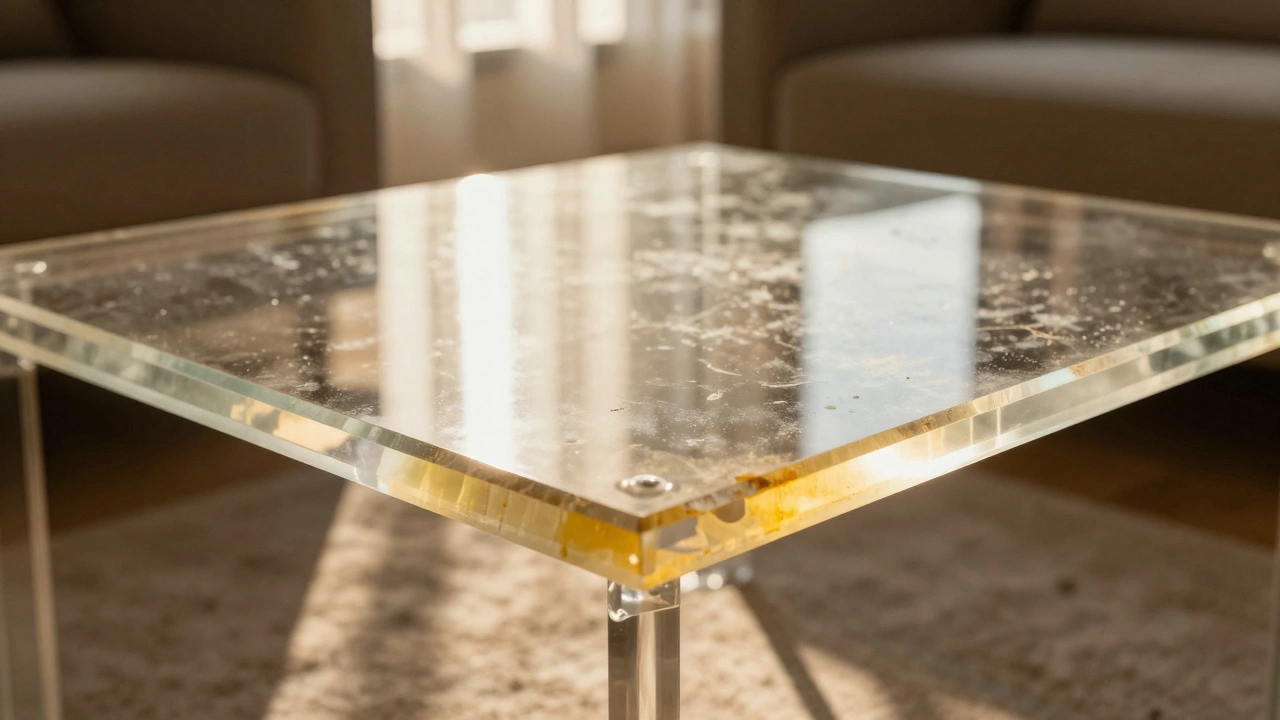
Ever notice your sleek acrylic coffee table starting to look yellow? It's a common worry. The short answer is yes, acrylic coffee tables can yellow over time. But don't worry-this isn't inevitable. By understanding why it happens and taking simple steps, you can keep your table looking fresh for years.
Why Acrylic Coffee Tables Turn Yellow
PMMA (polymethyl methacrylate), the scientific name for acrylic, is a transparent plastic that mimics glass. However, its molecular structure breaks down when exposed to ultraviolet (UV) radiation. This process, called oxidation, causes the material to yellow. According to industry testing, acrylic exposed to direct sunlight for more than two years typically shows visible discoloration. It's similar to how plastic outdoor furniture fades-acrylic just happens to be more sensitive due to its chemical composition.
Factors That Speed Up Yellowing
Not all acrylic yellows at the same rate. Several factors influence how quickly it happens:
- Sunlight exposure: Direct UV rays are the biggest culprit. A table placed near a sunny window will yellow faster than one in a shaded area.
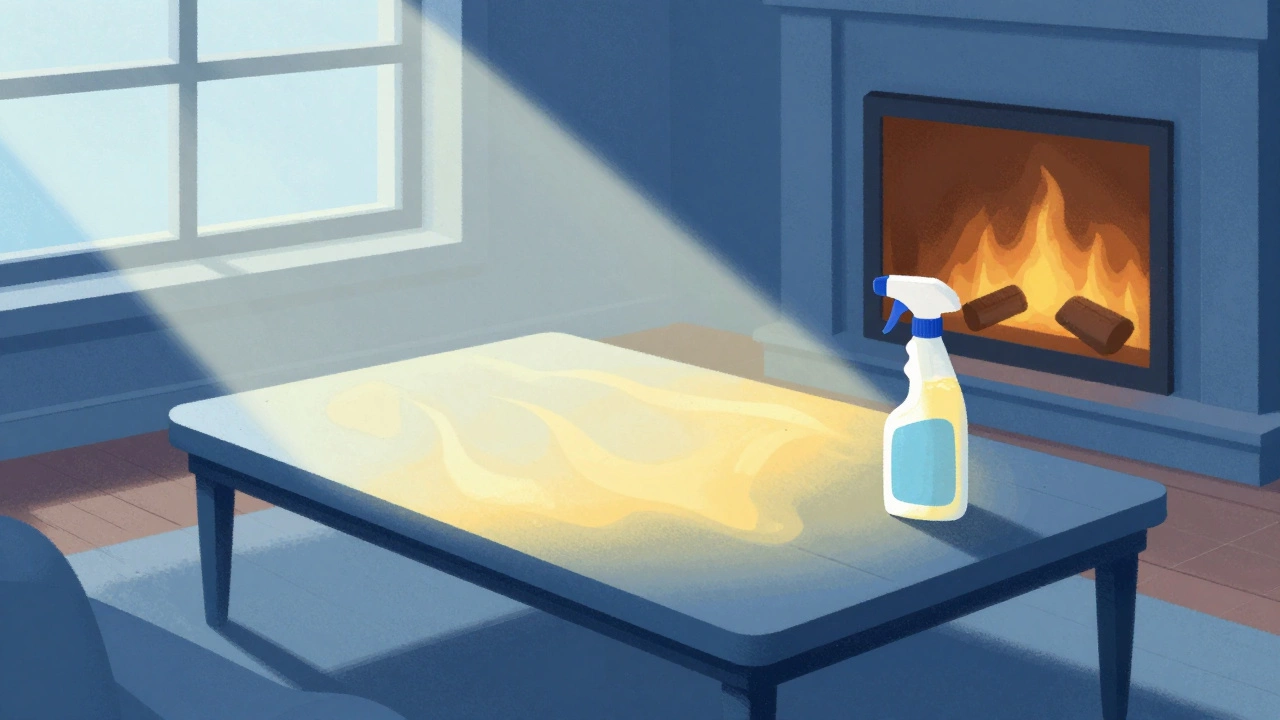
- Heat: High temperatures accelerate the breakdown of acrylic. Avoid placing it near heat sources like fireplaces or radiators.
- Cleaning products: Ammonia-based cleaners (like Windex) or acetone can react with acrylic, causing yellowing. Even some household cleaners contain chemicals that damage the surface.
- Aging: Over time, even without UV exposure, acrylic naturally degrades. Lower-quality acrylic yellows faster than high-grade materials.
How to Prevent Yellowing
Prevention is easier than fixing yellowed acrylic. Here’s how to protect your table:
- Keep it out of direct sunlight. Use curtains or blinds to block UV rays.
- Clean it regularly with a soft cloth and mild soap. Avoid abrasive scrubbing.
- Use a specialized acrylic cleaner like Novus Plastic Polish. These products are formulated to clean without damaging the surface.
- Apply a UV-protective coating. Some manufacturers offer sprays that create a barrier against UV radiation. Reapply every 6-12 months for best results.
- Rotate the table occasionally. This ensures even exposure if it's near a window, preventing one side from yellowing faster.
Can You Restore a Yellowed Acrylic Table?
Once yellowing sets in, reversing it is tough. Most DIY methods like polishing with baking soda or toothpaste only scratch the surface, making the problem worse. Professional restoration services exist, but they're expensive and not always effective. Most experts agree: prevention is the only reliable strategy. If your table is already yellowed, replacing it might be the best option.
Alternative Materials for Coffee Tables
If yellowing is a major concern, consider these alternatives:
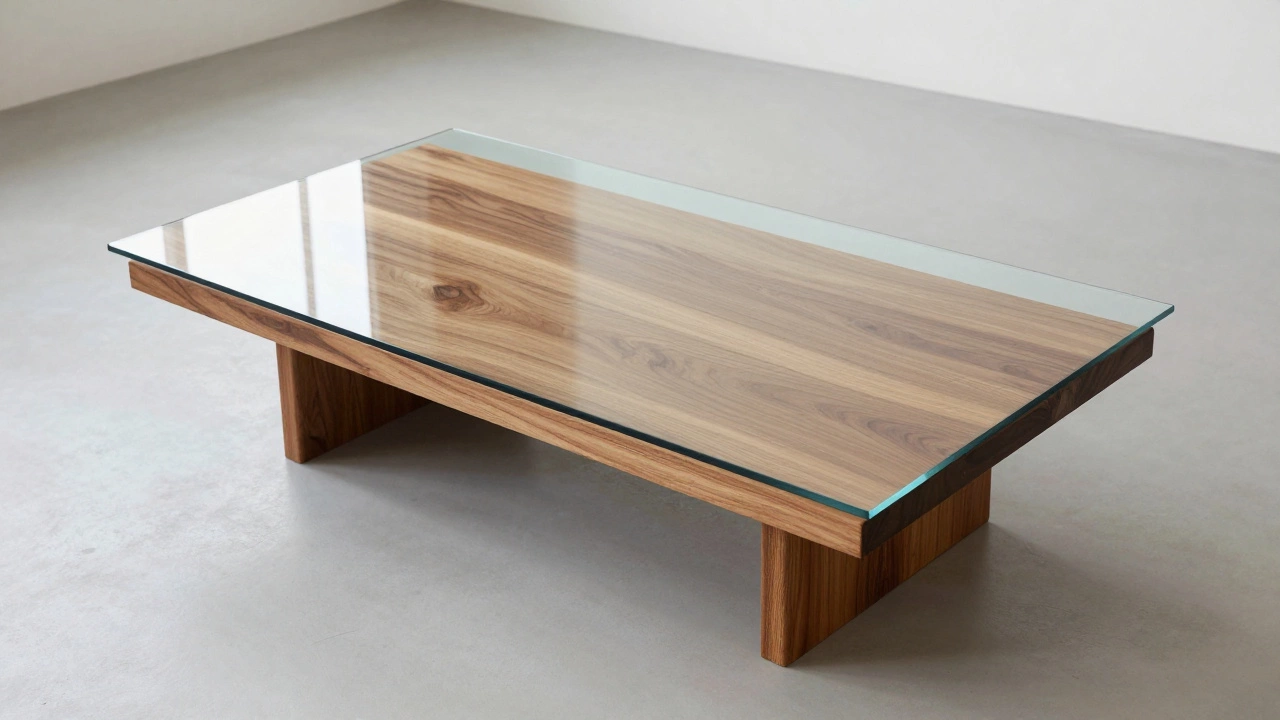
- Tempered glass: Doesn't yellow and offers a sleek look. However, it's prone to scratches and can be heavy. Use a soft cloth for cleaning to avoid damage.
- Wood: Natural wood develops a patina over time, which many people find appealing. It won't yellow like acrylic but requires periodic oiling to maintain its finish.
- Polycarbonate: A more UV-resistant plastic than acrylic. It's impact-resistant and clearer than standard acrylic, though it may have a slight blue tint. Often used in outdoor furniture for its durability.
- Stainless steel with glass top: Combines the strength of metal with the clarity of glass. This setup resists yellowing and is easy to clean. Just avoid harsh chemicals on the metal parts.
Maintenance Checklist for Acrylic Tables
- Wipe spills immediately with a damp cloth.
- Use only non-ammonia cleaners. Test any new product on a small hidden area first.
- Apply UV protectant spray every 6 months.
- Avoid placing hot items directly on the surface-use coasters.
- Store the table in a cool, shaded area when not in use.
Frequently Asked Questions
Can acrylic coffee tables be restored to clear?
Restoring yellowed acrylic is extremely difficult. Most DIY methods like polishing with baking soda or toothpaste only scratch the surface, making the problem worse. Professional services might help slightly, but they're costly and not guaranteed. Prevention is always better than trying to fix yellowing after it occurs.
How long before acrylic starts yellowing?
It depends on exposure. In direct sunlight, high-quality acrylic may show yellowing in 2-3 years. Lower-quality acrylic or frequent UV exposure can cause discoloration in as little as 6-12 months. Keeping it out of direct sunlight and using UV protectant can extend this to 5+ years.
What cleaning products should I avoid?
Avoid ammonia-based cleaners (like Windex), acetone, bleach, and abrasive scrubbers. These chemicals break down acrylic's surface. Instead, use a mixture of water and mild dish soap or a cleaner specifically made for acrylic plastics.
Are there acrylic tables that don't yellow?
No acrylic is completely immune to yellowing, but some high-end options have UV-resistant additives. These can delay discoloration significantly-up to 10 years with proper care. However, they still require protection from direct sunlight and regular maintenance to maintain clarity.
What's the best material for a coffee table that won't yellow?
Tempered glass is the best choice for a non-yellowing table. It's durable, easy to clean, and doesn't discolor. Polycarbonate is another option-it's more UV-resistant than standard acrylic but may have a slight tint. Wood and metal frames with glass tops also avoid yellowing issues entirely.