
Recliner Durability & Lifespan Calculator
Your Profile
Results Analysis
-- Years
Select options to calculate
- Select profile above...
If you have ever sat down in a Recliner Chair that suddenly gave up the ghost, you know how frustrating it can be.
The question isn't just about comfort anymore; it is about investment. You spend hundreds, sometimes thousands, on a chair. Does paying extra for a button-controlled Power Recliner actually get you a shorter life, or is it worth the risk? The short answer is surprising: it depends less on the electricity and more on the frame construction.
How the Mechanisms Actually Work
To understand longevity, we need to look under the fabric. A manual recliner operates on pure physics. You pull a lever or push back with your shoulder, and a system of gears and cables shifts the backrest and leg rest. This mechanical linkage has been around for decades. The components are simple metal springs, pivots, and tension cables.
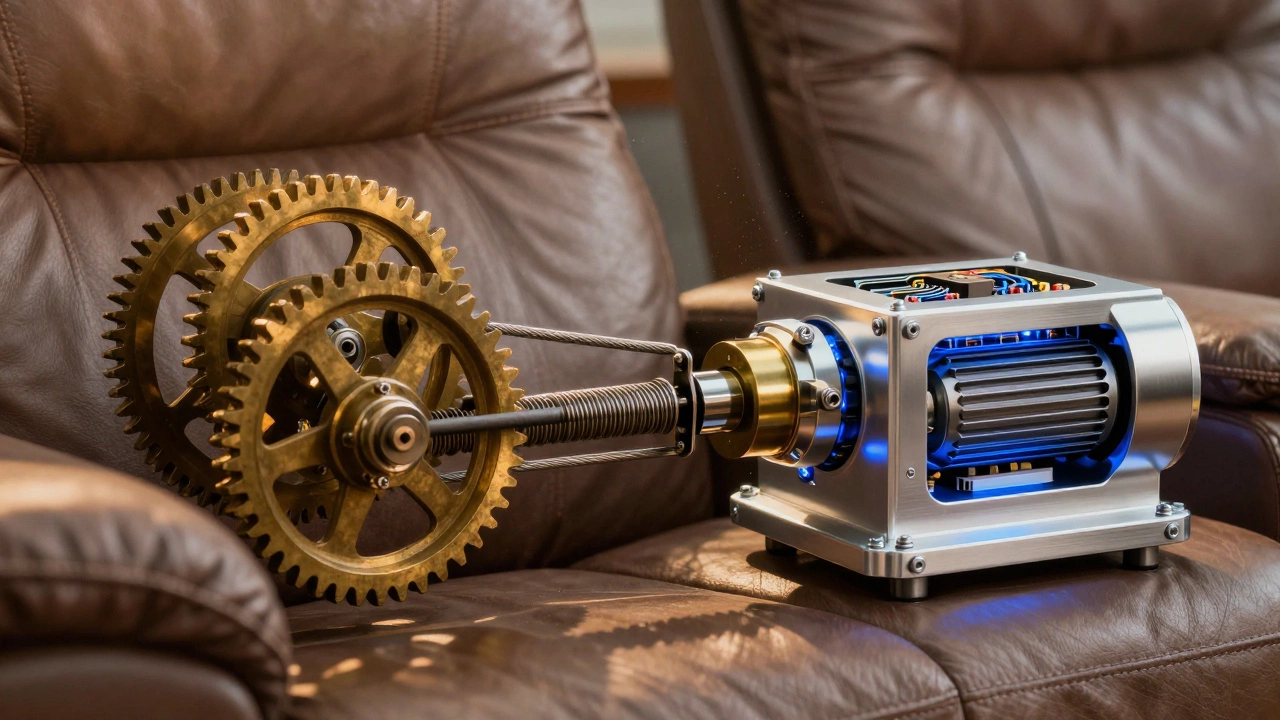
In contrast, a Power ReclinerA powered seating unit that uses an electric motor to control movement replaces those cables with a direct drive system. By 2026, most units include a battery backup, meaning even when the cord is unplugged, the motor works for weeks. However, that means there are now wires, circuit boards, and the motor itself sitting inside your living room.
The trade-off is clear. Manual mechanisms rely on physical friction and tension. Power mechanisms rely on electronics and torque. Neither is inherently inferior, but they fail differently.
Lifespan Expectations in Real Terms
People often ask me, "how many years will this survive?" Furniture isn't software; you cannot predict exact dates. However, industry data from manufacturers gives us a baseline.
| Mechanism Type | Average Lifespan | Typical Wear Point | Repair Complexity |
|---|---|---|---|
| Manual Lever System | 15-20 Years | Spring Tension / Cables | Low |
| Standard Power Motor | 10-15 Years | Circuit Board / Motor Burnout | Medium |
| Wall-Hugger Power Unit | 12-18 Years | Linkage Rails | High |
Notice something interesting here? A well-built manual recliner often outlasts its electronic counterpart purely by virtue of simplicity. There are fewer things that can go wrong inside the armrest. If your manual chair stops reclining after ten years, it usually means a cable snapped or the pivot point wore smooth. Both are fixable with hardware store parts.
With power chairs, a loose wire connection or a blown capacitor on the control board can stop the whole unit dead. In Melbourne homes where voltage spikes happen during summer storms, unprotected power recliners see higher failure rates unless they come with surge protection built into the base.
The Hidden Failure Points
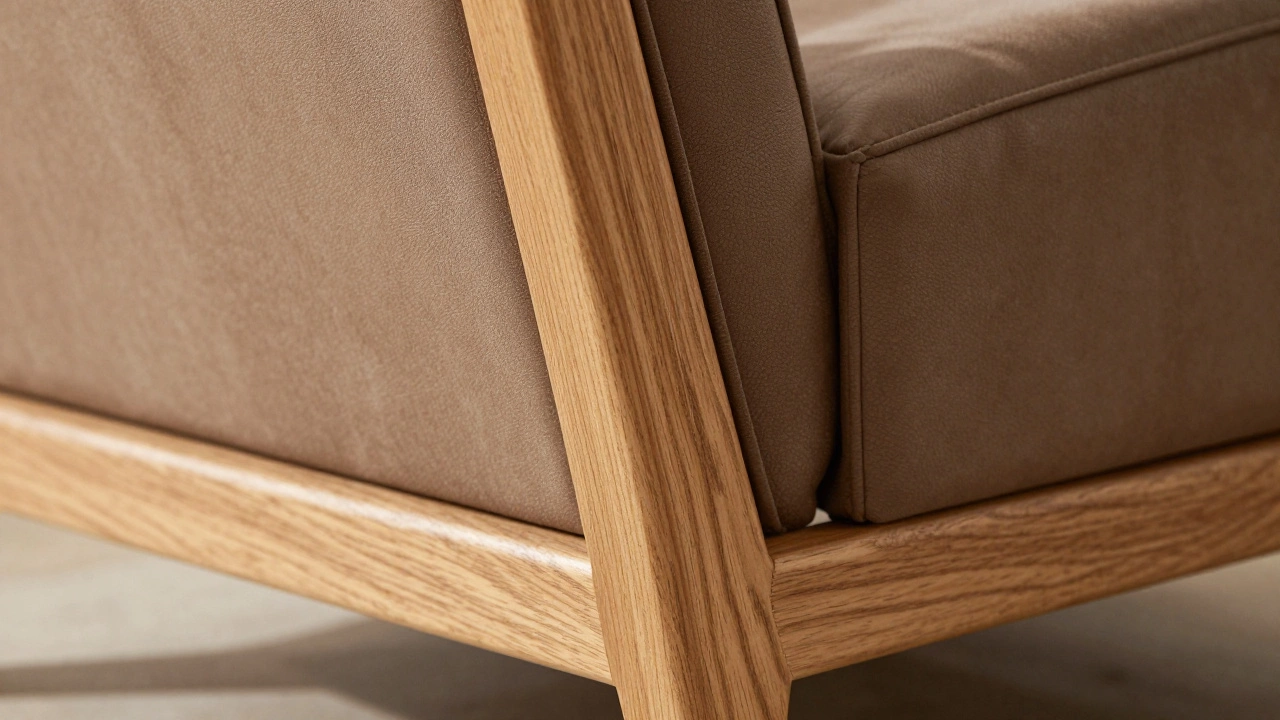
It is easy to blame the motor, but the chair structure is often the weak link. Let's talk about the timber frame. A hardwood frame, like solid ash or oak, handles stress differently than particle board veneers.
When you sit heavily in a recliner, you shift weight. Over five years, that constant shifting creates micro-vibrations. In a manual recliner, the tension springs absorb some of this energy. In a power unit, the motor locks into position. Sometimes, that locking force transfers pressure directly to the wooden joints rather than letting the frame flex.
We also have to consider the upholstery. Leather wears faster in hot climates like ours, while fabric holds up better in humidity but traps dust mites. Regardless of leather or linen, the stitching on the armrests usually fails first. This is unrelated to power. The armrest sees the most leverage every time someone gets up.
Why Power Motors Fail Prematurely
I've seen plenty of claims that "motors burn out after 3 years." While some cheap imports did exactly that, modern Direct Drive MotorsElectrical actuators designed for continuous low-torque operation manufactured in 2025 and 2026 are significantly more efficient. They run cooler and draw less wattage.
The real enemy is user error. Most people treat a recliner like a bean bag. They jump on them, slide their feet off, or try to lift the seat with their knees. Manual mechanisms allow for "soft engagement"-you can ease into the recline. Power switches flip a switch. The motor moves immediately.
That sudden jolt can shock the gears. Additionally, kids and pets love power recliners. A child pressing the button rapidly makes the motor cycle dozens of times a day. That is rated for 50,000 cycles. A heavy family might hit that limit in half the time.
Maintenance That Extends Life
Whether you choose steel links or copper wires, neglect kills furniture. You do not need to take it apart, but regular checks save money.
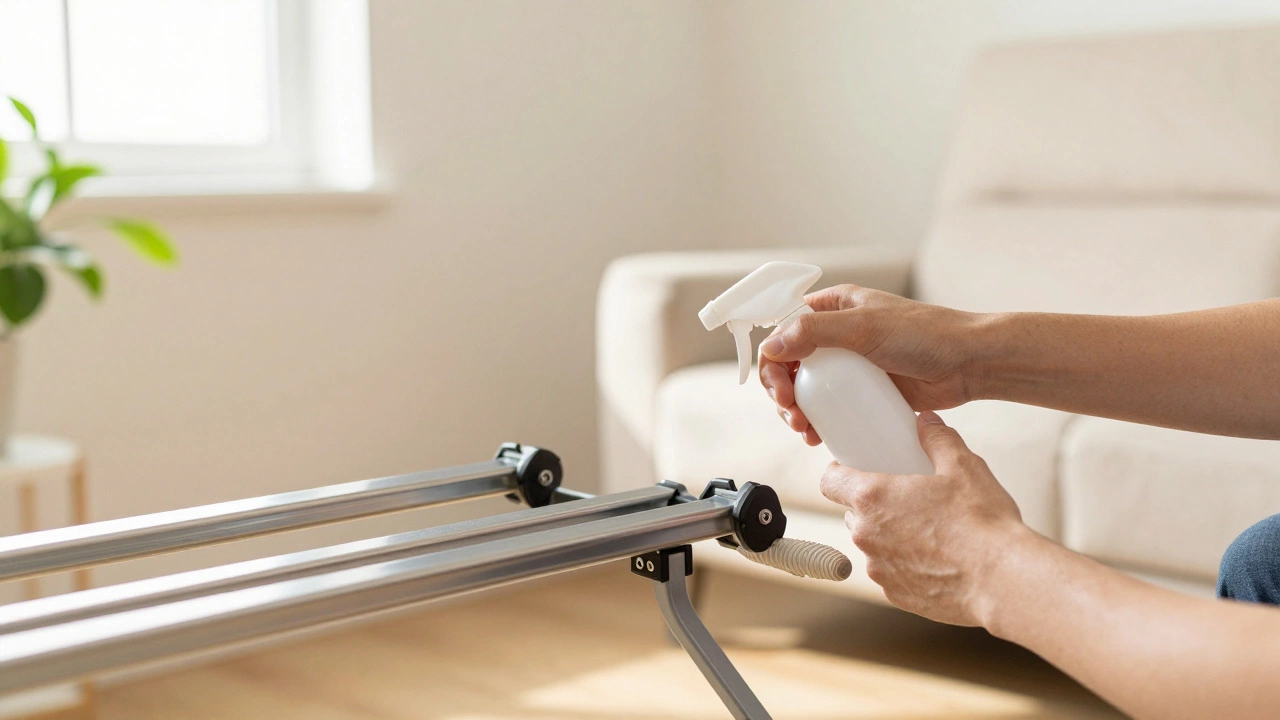
- Lubricate the joints: Every six months, spray a silicone lubricant on the sliding tracks near the leg rest. WD-40 attracts dust, so stick to dry lube.
- Clean the vents: Power recliners have small grilles to cool the motor. Dust accumulation overheats the electronics.
- Check cords: Inspect the power plug monthly. Frayed cords are a fire hazard in older apartments.
- Vacuum tight corners: Debris stuck in the recliner gap prevents the mechanism from moving smoothly, increasing strain on the motor.
For manual chairs, check the lever alignment. If the handle sticks halfway, don't force it. Clean the track where the lever slides.
Buying Advice for 2026
So, which one should you buy? It comes down to your lifestyle needs versus the risk of repair.
If you live alone and mostly use the chair for reading, a high-quality manual model is often cheaper upfront and practically indestructible. You avoid relying on the wall socket entirely. For aging parents who struggle with pulling levers, a power model is necessary. Just ensure you buy one with a replaceable motor kit included in the warranty.
Look for Weight CapacityThe maximum load specified by the manufacturer. A chair rated for 120kg will handle stress far better than one rated for 100kg, regardless of the mechanism. Overloading a frame causes wood cracking before any metal gear ever strips.
In the current market, brands offering a full structural warranty (not just cosmetic fabric coverage) give you confidence. In Australia, our consumer law already protects you for reasonable lifespans, but extended service plans help cover labor costs.
Is the Convenience Worth It?
Ultimately, convenience costs. Power recliners offer zero effort. Push a button. Lie back. But you are adding complexity. Manual models require effort. You engage muscles to recline.
Think of it like car ownership. Electric vehicles (EVs) have fewer moving parts in the engine bay compared to combustion engines, but the battery pack is expensive. Similarly, power recliners move the problem from mechanical tension to electrical supply.
If you have young kids or large dogs, lean toward manual. One accidental impact or chewed wire ends the experience prematurely. If mobility is limited due to injury or age, the power option remains the superior choice despite potential maintenance issues because the alternative is simply not being able to use the chair safely.
Can I repair a power recliner myself?
Basic fixes like checking the plug or cleaning tracks are DIY-safe. If the motor board fails, you likely need a replacement unit or professional help to avoid electrical shock risks.
Does a manual recliner lose tension over time?
Yes, the internal springs stretch eventually. Most models allow you to adjust the tension via a screw located near the footrest to reset the tightness.
What happens if the power goes out in my home?
Modern units include battery backups lasting up to 2 weeks. If not present, the chair acts as a fixed lounge until power returns, but the frame does not collapse manually.
Are wall-hugger recliners more fragile?
They use a different track system. The mechanism is more complex because the chair moves backward instead of forward. Slightly more prone to jamming in tight spaces.
Which type recovers value better in resale?
Neutral colored manual recliners hold value better. Power units are seen as dated electronics quickly, reducing resale price once the warranty expires.