
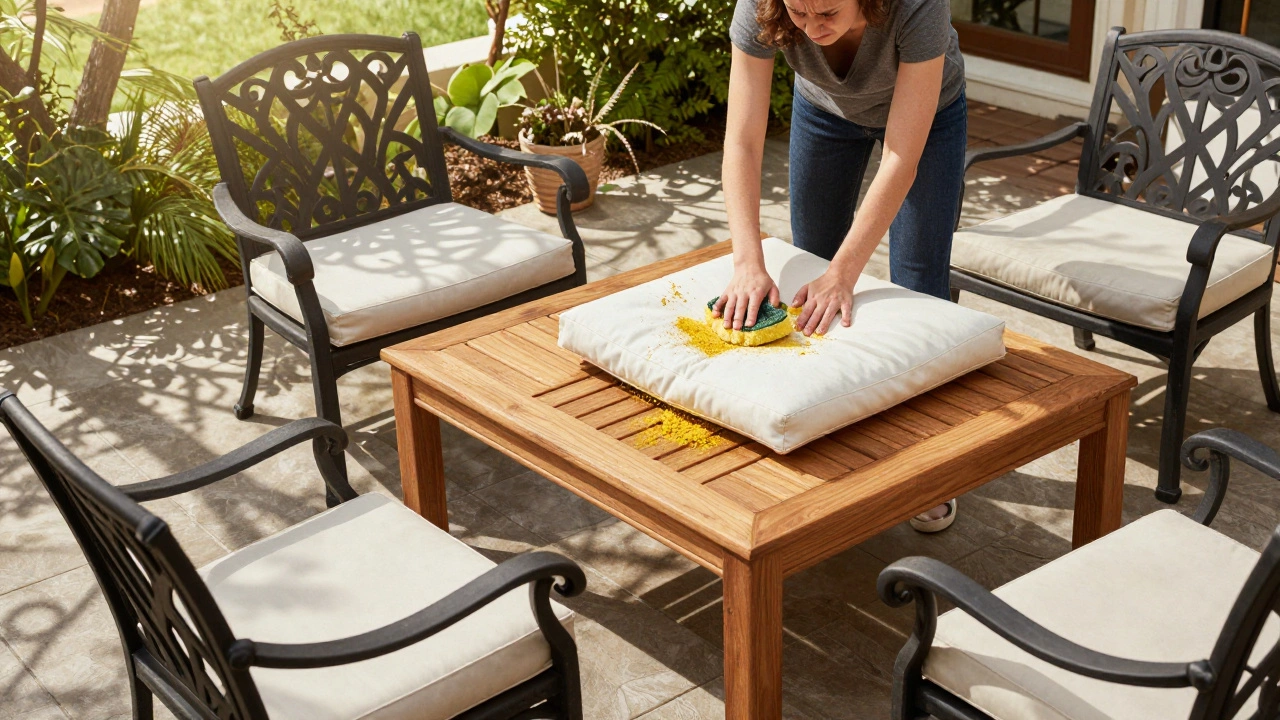
Quick Takeaways for Furniture Care
- Daily covering is usually overkill unless you live in a high-pollution area or have a very aggressive local bird population.
- Trapped moisture under a cover is a bigger threat to wood and fabric than a light overnight dew.
- Focus on the material: Aluminum and plastic need less protection than teak or wrought iron.
- Check the forecast; a 20% chance of rain doesn't justify the effort of hauling out heavy covers.
The Material Reality: What Actually Needs Protection?
Not all outdoor gear is created equal. If you have a set made of Polywood is a high-density polyethylene (HDPE) lumber that mimics the look of wood but resists moisture and rot, you can basically ignore the daily cover routine. It's designed to take a beating from the sun and rain without flinching. However, if you're rocking a classic Teak set, the story changes. Teak is naturally oily and water-resistant, but it's still a biological material. If you cover it every night, you risk trapping moisture against the wood, which creates a humid micro-climate. This is where mildew loves to grow. Instead of a nightly cover, teak benefits more from a seasonal deep clean and a light sanding every few years. For those with Wrought Iron, the enemy isn't just rain-it's oxygen and moisture combining to create rust. A small chip in the powder coating can lead to a rusty streak across your patio in a single season. In this case, covers are a lifesaver, but you only need them during prolonged storms or the winter months, not for a clear Tuesday night.| Material | Nightly Cover Need | Main Threat | Best Strategy |
|---|---|---|---|
| Aluminum | Low | Pollen/Dust | Wipe down weekly |
| Teak/Acacia | Very Low | Mildew/Rot | Airflow is key; cover only for winter |
| Wrought Iron | Medium | Oxidation/Rust | Cover during heavy rain/snow |
| Synthetic Wicker | Low | UV Degradation | Focus on sun-shades over night-covers |
The Hidden Danger of the 'Plastic Wrap' Effect
Here is the irony: trying to protect your furniture every night can actually destroy it faster. When you put a Waterproof Cover over a piece of furniture that is slightly damp from the evening air, you create a seal. The moisture has nowhere to go. As the temperature shifts, condensation forms on the underside of the cover and drips directly onto the fabric or wood. This creates a breeding ground for mold and mildew. If you've ever pulled a cover off in the morning to find a musty smell and black spots on your cushions, you've experienced the 'greenhouse effect.' To avoid this, you need covers that are breathable. Look for fabrics that use a vented design-usually a mesh strip along the sides-that allows air to circulate while still blocking the rain.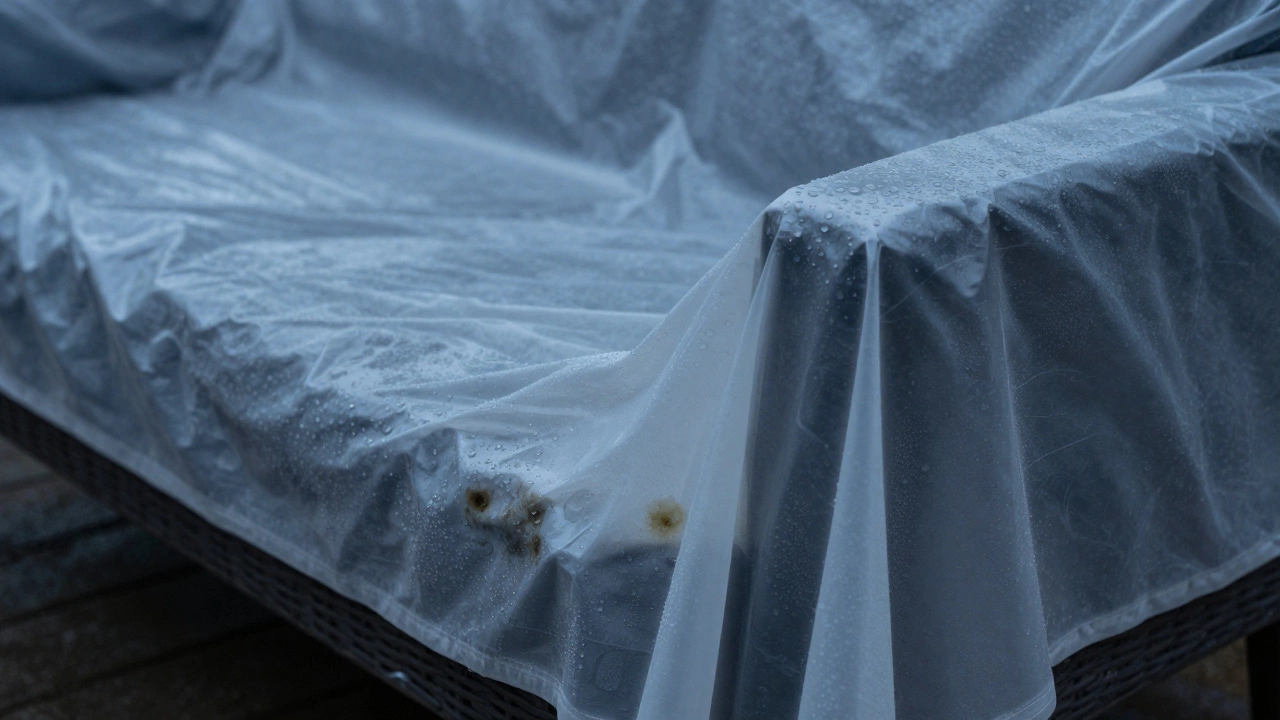
When You Actually SHOULD Cover Every Night
While I generally advise against the nightly hustle, there are a few scenarios where it's the only logical move. If you live in a city with heavy industrial smog, a layer of grimy soot can settle on your furniture every night. Covering it prevents that grit from embedding itself into the fabric fibers, which would otherwise require aggressive scrubbing that wears down the material. Then there are the animals. If you have a neighborhood full of magpies or pigeons that treat your outdoor sofa like a public restroom, a nightly cover is a sanity-saver. Cleaning bird droppings isn't just gross; the acidity in the droppings can actually eat through the finish of some paints and stains over time. Also, consider your climate. If you're in a region with extreme temperature swings-where it's 30°C during the day and drops to 5°C at night-the expansion and contraction of materials can be stressful. A cover can act as a light thermal blanket, though this is a minor benefit compared to moisture protection.The Best Strategy for Low-Maintenance Luxury
If you want your backyard to feel like a living room, not a warehouse, stop thinking about nightly covers and start thinking about patio furniture covers as strategic tools. Instead of a daily ritual, follow this logic:- The 48-Hour Rule: If the forecast shows rain for the next two days, cover everything. If it's just a passing cloud, leave it.
- The Cushion Pivot: Instead of covering the whole set, just move the cushions inside or into a weather-proof deck box. The frames are usually tough enough to handle a night of dew; the fabric is what suffers.
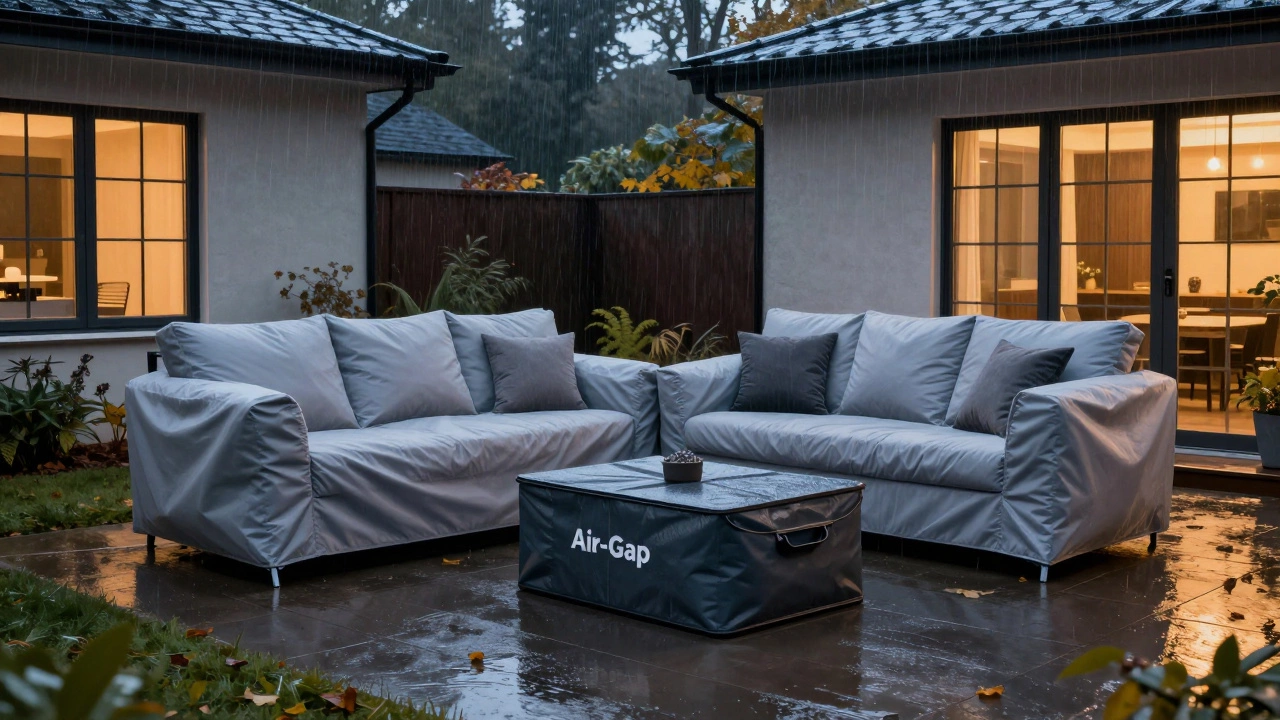
- The 'Air-Gap' Technique: If you do use a cover, don't pull it tight against the surface. Leave a bit of slack so air can move. Some people use a few bricks or a plastic stand to lift the cover slightly off the furniture surface.
- Seasonal Transitions: This is where covers are non-negotiable. When the season shifts and you know you won't be using the set for a month, clean it, dry it completely, and seal it up tight.
Common Mistakes to Avoid
One big mistake people make is using generic plastic tarps. These are not breathable and often tear within a few months of UV exposure. A proper cover made from Solution-Dyed Acrylic or polyester with a PVC coating is designed to withstand the sun without becoming brittle. Another error is covering furniture while it's still wet. If you've just had a light sprinkle and you immediately slap a cover on, you've just trapped that water. Give the furniture an hour to air-dry before sealing it. This simple step prevents 90% of the mildew issues people complain about.Final Verdict: Is the Effort Worth It?
For most people, the answer is no. The physical act of putting on and taking off covers every day is a deterrent to actually using your outdoor space. Your furniture is designed for the outdoors-let it be outdoors. Use your covers for the 'big hits': winter, heavy storms, and the peak of pollen season in spring. By focusing on quality materials and smart storage for cushions, you can keep your gear looking new without turning your evening walk into a workout session.Does covering furniture protect it from the sun?
Yes, covers block UV rays that fade fabric and degrade plastic. However, if you only cover at night, you're missing the window when the sun is actually doing the damage. To protect from the sun, you need umbrellas, pergolas, or covers that stay on during the day.
Can I leave my covers on all summer?
You can, but it's not ideal. Constant coverage without airflow can lead to moisture buildup and mold, especially in humid climates. It's better to remove them periodically to let the furniture breathe and to check for any pests that might be nesting underneath.
What is the best material for a furniture cover?
Look for heavy-duty polyester with a waterproof backing or solution-dyed acrylic. These materials offer the best balance of water resistance, UV protection, and durability. Avoid cheap thin plastic, as it cracks easily and doesn't breathe.
How do I stop mold from growing under the cover?
Ensure the furniture is completely dry before covering. Use a cover with built-in vents, and try to keep the cover from touching the fabric directly by using a frame or supports that create a small air gap.
Should I cover my furniture during the winter?
Absolutely. Winter brings prolonged exposure to moisture, freezing temperatures, and potentially snow. A high-quality, fitted cover is essential during the off-season to prevent structural damage and deep-seated rot.