
Flexsteel Bankruptcy Quiz
Test your knowledge of what happened to the recliner giant and how it affects owners today.
Your Score
It’s a question that caught many homeowners off guard: Why did Flexsteel go out of business? For decades, the name Flexsteel was synonymous with reliable, comfortable recliners in living rooms across North America. But in recent years, the company faced mounting financial pressures that led to its collapse. If you’re sitting on an old Flexsteel chair or considering buying one used, understanding what happened is crucial for your future maintenance and parts availability.
The short answer isn't just "bad luck." It’s a mix of rising supply chain costs, intense competition from direct-to-consumer brands, and a shift in consumer preferences toward modular sofas and tech-integrated seating. Let’s break down exactly how a major player fell and what it means for you.
The Rise and Fall of Flexsteel
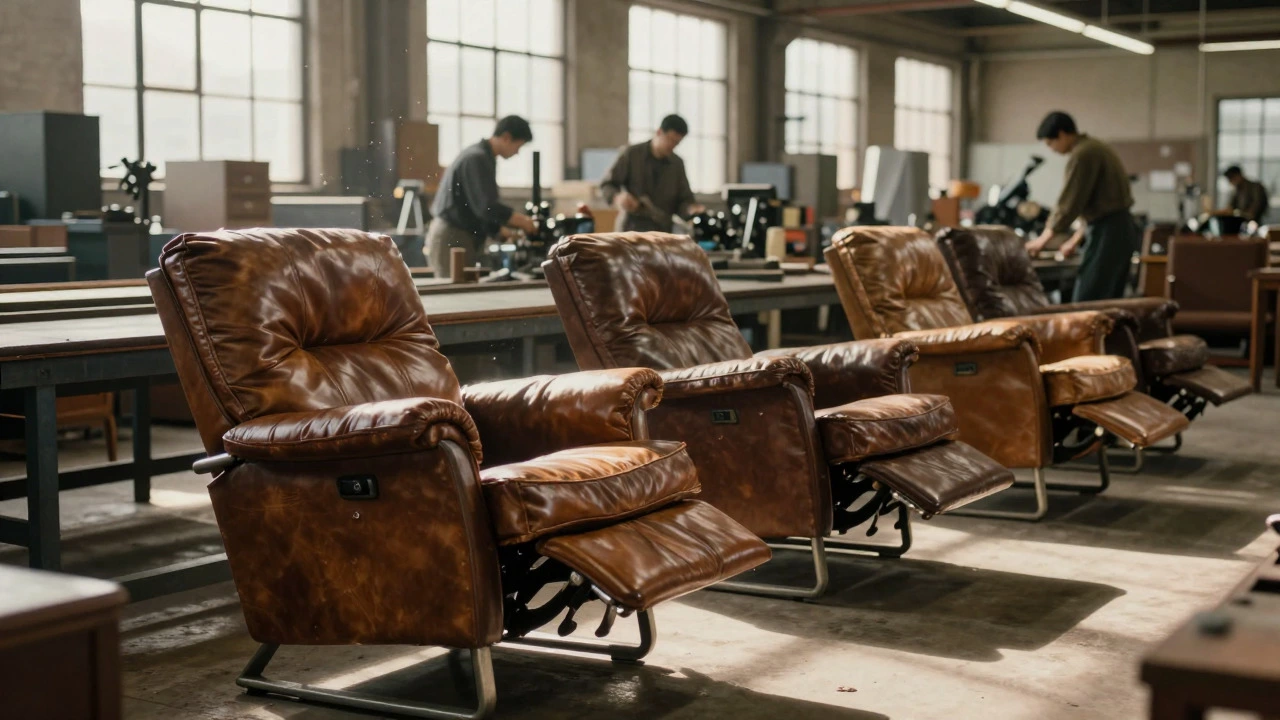
Flexsteel Industries was founded in 1961 in Davenport, Iowa. It became a household name by focusing on quality reclining chairs and sofas designed for durability and comfort. At its peak, the company employed thousands and shipped millions of units annually. However, by the early 2020s, the landscape had changed dramatically.
The core issue was margin compression. As raw material costs for foam, steel, and fabric spiked post-2020, Flexsteel struggled to pass these costs onto consumers without losing market share. Competitors like La-Z-Boy and newer online brands offered similar aesthetics at lower price points. Flexsteel’s traditional retail model, which relied heavily on brick-and-mortar showrooms, proved expensive to maintain when traffic dropped during and after the pandemic.
Key Factors Behind the Collapse
Several specific factors accelerated the decline. Understanding these helps explain why the brand didn’t pivot successfully.
- Supply Chain Disruptions: Global shipping delays and increased freight costs squeezed profit margins significantly between 2021 and 2023.
- Rise of Direct-to-Consumer (DTC) Brands: Companies like Article and Burrow cut out middlemen, offering modern designs at competitive prices directly to customers.
- Shifting Consumer Trends: Buyers increasingly preferred modular sectionals and smart furniture with USB ports and app connectivity over traditional single-motor recliners.
- High Debt Load: The company carried significant debt from previous acquisitions, making it vulnerable to economic downturns.
In late 2024, Flexsteel filed for Chapter 11 bankruptcy protection. While this allows companies to restructure, Flexsteel’s assets were eventually liquidated, marking the end of operations for the historic brand.
What This Means for Your Current Furniture
If you own a Flexsteel recliner, does it stop working? Not necessarily. Most mechanical components are robust. However, finding replacement parts becomes harder as time passes. Here’s what you need to know about maintaining your existing pieces.
| Component | Availability Status | Recommended Action |
|---|---|---|
| Mechanism/Motor | Limited stock remaining | Check local repair shops immediately if issues arise |
| Upholstery/Fabric | Discontinued colors | Consider professional reupholstering with generic fabrics |
| Frame/Wood | Generally durable | No immediate action needed unless damaged |
| Remote Controls | Hard to find exact matches | Universal remotes may work; check compatibility lists |
Pro tip: Keep any original manuals or part numbers you have. They can help independent repair technicians identify compatible universal parts.

Alternatives in the Market Today
With Flexsteel gone, who should you look to for quality recliners? The market has fragmented, but several strong players remain. When choosing a new recliner, focus on warranty length, motor quality, and return policies rather than just brand heritage.
| Brand | Strengths | Weakest Point | Avg. Warranty |
|---|---|---|---|
| La-Z-Boy | Wide distribution, strong service network | Premium pricing | 5-10 years (frame) |
| Barcalounger | Durable mechanisms, good value | Limited online presence | 5 years (frame) |
| Article | Modern design, DTC convenience | Newer brand, less long-term data | 1 year (limited) |
| IKEA | Budget-friendly, easy assembly | Basic mechanisms, shorter lifespan | 3 years (mechanism) |
If you prioritize longevity, stick with established manufacturers like La-Z-Boy or Barcalounger. If you prefer modern aesthetics and don’t mind a shorter product lifecycle, DTC brands offer compelling options.
How to Buy Used Flexsteel Safely
Many people still seek out used Flexsteel chairs due to their reputation for build quality. If you’re shopping second-hand, here’s how to avoid costly mistakes.
- Test the Mechanism Thoroughly: Listen for grinding noises or hesitation when extending/retracting. A smooth operation indicates healthy internal gears.
- Inspect the Frame: Lift the chair (with someone helping) and shake it gently. Excessive wobble suggests loose joints or frame damage.
- Check for Stains and Odors: Even if cleaned, deep stains or pet odors can be permanent. Ask about smoking history.
- Verify Part Availability: Before buying, search for specific model number parts online. If no third-party sellers exist, assume repairs will be difficult.
- Negotiate Based on Age: Older models (pre-2015) may use different motor technologies that are harder to source today.
The Bigger Picture: The Future of Home Seating
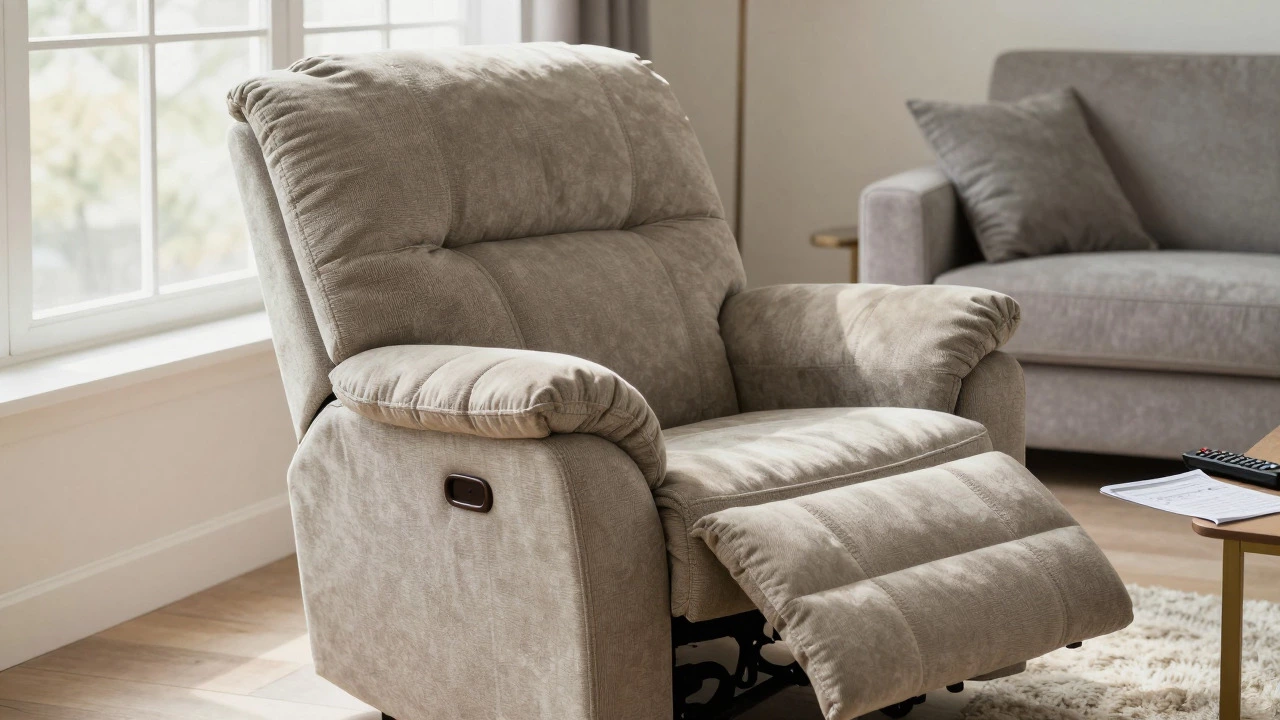
The fall of Flexsteel signals a broader shift in the furniture industry. Consumers now expect faster delivery, transparent pricing, and customizable options. Traditional giants that relied on slow-moving inventory and high showroom overheads are struggling to adapt.
For buyers, this means more choice but also more complexity. You’ll need to do more homework on warranties and repairability. Always ask: “Who fixes this if it breaks in three years?” That question is more important than ever in a fragmented market.
Frequently Asked Questions
Is Flexsteel really out of business?
Yes, Flexsteel ceased operations following its Chapter 11 bankruptcy filing. While some assets were sold to other manufacturers, the brand itself is no longer actively producing new furniture under its own name.
Can I still get parts for my Flexsteel recliner?
It depends on the model and component. Common motors and mechanisms may still be available through third-party suppliers, but specific upholstery colors and proprietary remote controls are likely discontinued. Check with independent furniture repair specialists first.
Which brand replaced Flexsteel as the top seller?
There is no single direct replacement. La-Z-Boy remains the dominant premium player, while DTC brands like Article and Burrow have captured significant market share among younger demographics. Barcalounger continues to hold a strong position in mid-range markets.
Are used Flexsteel chairs worth buying?
They can be, especially if the mechanism is in good condition. Flexsteel chairs were known for solid construction. However, factor in potential repair difficulties into your price negotiation. Avoid models with complex electronic features unless you can verify part availability.
Did Flexsteel go bankrupt due to poor quality?
No, quality wasn't the primary issue. The main drivers were financial: high debt, rising material costs, and inability to compete with cheaper DTC alternatives on price and speed. The products themselves remained generally well-regarded for durability.