
Wardrobe Size Analyzer
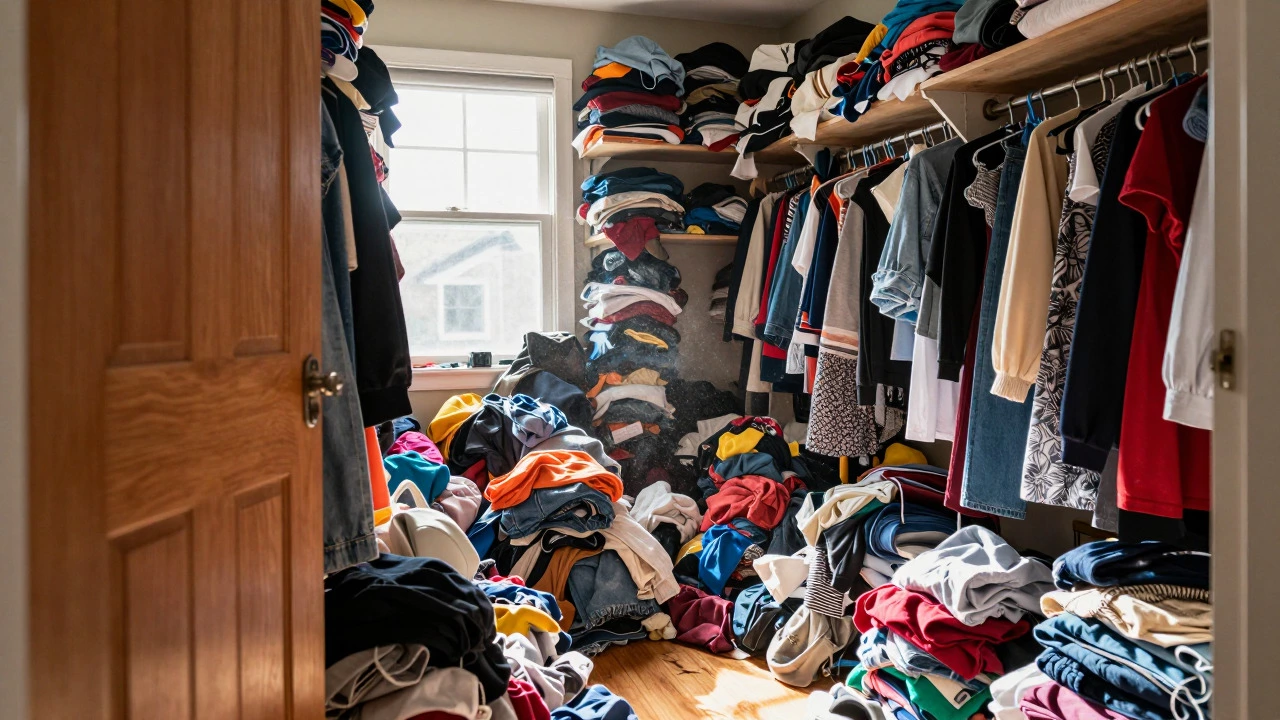
Walk into a typical American bedroom, and you might find yourself staring at a door that barely closes. It’s a familiar scene for millions of women across the United States. We’ve all heard the rumors about celebrity closets with hundreds of designer gowns, but what about the rest of us? The question isn’t just about vanity; it’s about space, money, and mental clutter. So, how many clothes does the average American woman actually own?
The short answer is: more than you think, and likely more than she needs. Recent data from consumer surveys and waste management studies suggests that the average American woman owns between 100 and 150 items in her wardrobe. This count includes everything from everyday jeans to that one dress worn only for weddings, plus shoes, accessories, and even workout gear. But here’s the kicker: most of these items sit untouched for months or years.
Breaking Down the Wardrobe Numbers
To understand where these numbers come from, we have to look at how experts define "clothing." Are we counting socks? Underwear? A study by the Ellen MacArthur Foundation, which tracks global textile flows, indicates that Americans buy roughly 68 pounds of new clothing per person annually. While this doesn’t give an exact inventory count, it points to a culture of constant accumulation.
When organizations like Goodwill or local thrift stores analyze donations, they often find that a significant portion of donated items are still in good condition but simply unwanted. Surveys conducted by home organization companies suggest a more granular breakdown:
- Everyday wear: Approximately 30-40 items (tops, bottoms, dresses).
- Special occasion attire: 10-15 items.
- Shoes and bags: 20-30 pairs/items.
- Activewear and loungewear: 15-20 items.
- Undergarments and basics: 20+ items.
Add these up, and you’re looking at a total that hovers around the 100-item mark for a "moderate" shopper. However, for those who follow fast-fashion trends closely, this number can easily double. The key insight here is that quantity does not equal utility. Having 150 shirts doesn’t mean you have 150 options for any given day; it often means you have 150 decisions to make every morning.
The Cost of Clutter: Why More Isn’t Better
Why do we keep buying? Partly because retail therapy feels good, but also because our storage solutions haven’t kept pace with our consumption habits. If you live in a standard American home, your wardrobe-whether it’s a built-in closet or a standalone piece of furniture-is rarely designed to hold 150+ items efficiently. Most standard wardrobes offer about 10-12 cubic feet of hanging space. Try fitting 150 garments into that without creating a chaotic mess, and you’ll quickly see why so many people resort to under-bed storage bins or overflowing drawers.
This clutter has real costs. Beyond the financial expense of purchasing unnecessary items, there’s the environmental toll. The fashion industry is responsible for approximately 10% of global carbon emissions. When clothes aren’t worn regularly, they end up in landfills. In the U.S., over 11 million tons of textile waste are generated each year, much of it from perfectly usable clothing that was simply replaced by newer trends.
There’s also a psychological cost. Decision fatigue is real. Starting your day by scrolling through a crowded closet can increase stress levels before you’ve even had coffee. Studies on minimalism show that reducing decision points in daily life leads to greater satisfaction and productivity. Your closet shouldn’t be a source of anxiety; it should be a tool for getting dressed quickly and confidently.
The Rise of the Capsule Wardrobe
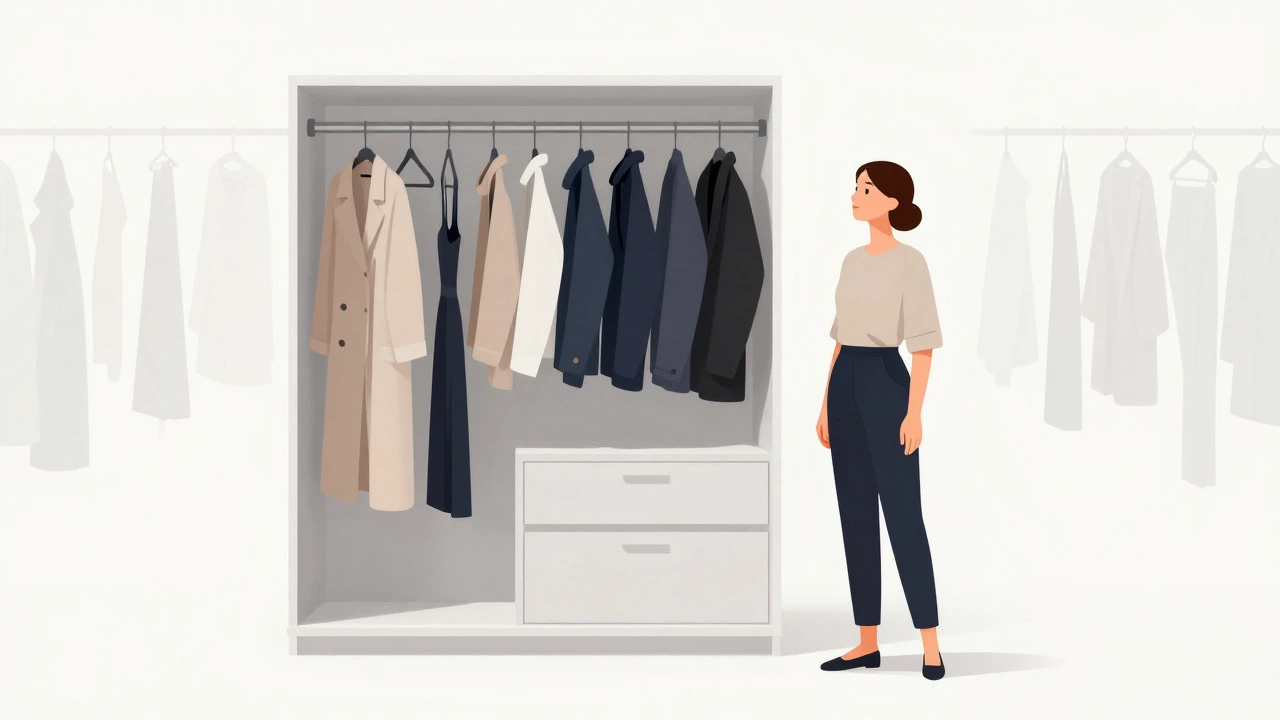
In response to this overload, a growing movement advocates for the capsule wardrobe. Coined by London boutique owner Susie Faux in the 1970s, the concept involves curating a small collection of versatile, high-quality pieces that mix and match seamlessly. A typical capsule wardrobe contains between 30 and 50 items, excluding underwear, sleepwear, and gym clothes.
Does this work for the average American woman? Absolutely. Here’s why:
- It simplifies mornings. With fewer choices, you spend less time deciding what to wear.
- It saves money. You invest in quality rather than quantity, reducing impulse buys.
- It reduces environmental impact. Fewer purchases mean less waste and lower carbon footprint.
Imagine having 10 tops, 5 bottoms, 3 jackets, and 2 dresses. That’s 20 items, yet you can create dozens of unique outfits. This approach forces you to think strategically about color palettes and silhouettes, ensuring that every piece earns its place in your closet. For someone living in a smaller apartment or dealing with limited storage space, a capsule wardrobe is not just a trend-it’s a necessity.
Storage Solutions: Making Space Work
If you’re not ready to downsize to 30 items, you can still optimize your current wardrobe. The key is efficient storage. Many Americans struggle with inadequate closet systems. Built-in closets are often poorly designed, with rods placed too high or shelves spaced inefficiently.
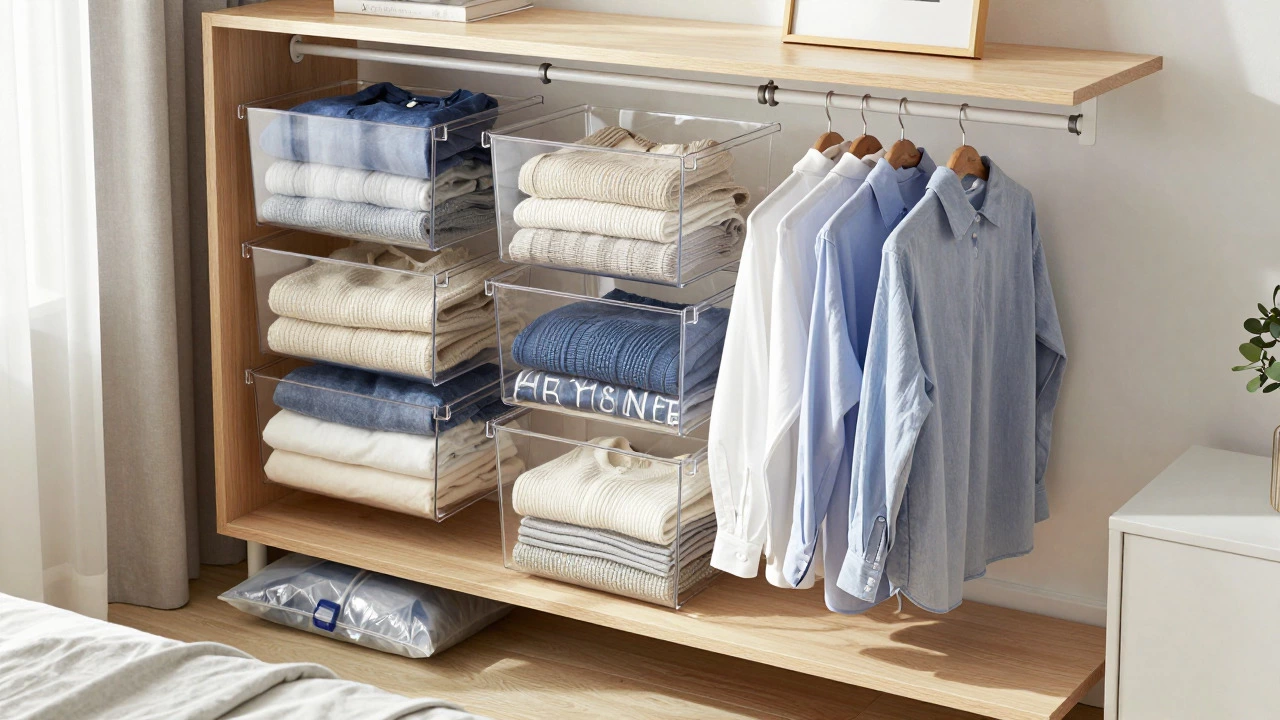
Consider upgrading to a modular storage system. Adjustable shelving, double-hanging rods, and drawer dividers can dramatically increase usable space. For example, installing a second rod below the main one allows you to hang shorter items like t-shirts and pants, freeing up shelf space for sweaters or folded goods. Vertical space is often wasted; adding hooks for belts, scarves, or handbags can keep accessories organized and visible.
If you lack built-in storage, freestanding wardrobe cabinets or garment racks can provide additional capacity. Look for units with clear doors or open designs to maintain visibility of your contents. Avoid pushing everything into dark corners where items get forgotten and eventually discarded.
| Method | Capacity Estimate | Best For |
|---|---|---|
| Standard Closet | 50-70 items | Small collections, low maintenance |
| Modular System | 100-150 items | Organized access, medium-large collections |
| Capsule + Minimal Storage | 30-50 items | Simplicity, sustainability, small spaces |
Seasonal Rotation and Maintenance
Another strategy to manage wardrobe size is seasonal rotation. In the U.S., where weather varies significantly by region, keeping all-year-round clothing accessible is impractical. Storing off-season items in vacuum-sealed bags or under-bed containers frees up prime closet space for current essentials.
This practice also encourages mindful consumption. Before buying a new summer dress, check if last year’s model still fits and looks good. If it does, skip the purchase. If it doesn’t, replace it intentionally. This cycle helps prevent accumulation while ensuring your wardrobe remains relevant to your lifestyle and climate.
Maintenance matters too. Proper care extends the life of garments. Washing clothes less frequently, air-drying when possible, and repairing minor damages instead of discarding items can reduce the need for replacements. According to the EPA, extending the life of clothing by just nine months could cut carbon, waste, and water footprints by around 20-30%.
FAQ
What is considered a normal amount of clothes for a woman?
A normal amount varies, but most experts suggest that 30-50 core items (excluding underwear and activewear) are sufficient for a functional, stylish wardrobe. The average American woman owns closer to 100-150 items, which often leads to clutter and decision fatigue.
Is owning 100 clothes too many?
Not necessarily, but it depends on usage. If you wear most of your clothes regularly, 100 items may be manageable. However, if half your closet goes unworn for months, it’s a sign you have more than you need. Focus on versatility and fit rather than sheer volume.
How can I reduce my wardrobe size effectively?
Start by removing anything that doesn’t fit, hasn’t been worn in a year, or makes you feel uncomfortable. Sort remaining items into categories (work, casual, formal). Aim to keep only pieces that mix and match well. Donate or sell the rest. Consider adopting a capsule wardrobe approach for long-term simplicity.
What is the environmental impact of large wardrobes?
Large wardrobes contribute to textile waste and carbon emissions. The fashion industry accounts for 10% of global CO2 emissions. Unused clothes often end up in landfills, where synthetic fibers take centuries to decompose. Reducing consumption and choosing sustainable brands can significantly lower your environmental footprint.
Do I need different clothes for every season?
In regions with distinct seasons, yes-but you don’t need to store them all at once. Rotate seasonal items: store winter coats and heavy sweaters during summer, and vice versa. Layering techniques allow you to adapt a smaller wardrobe to changing temperatures without buying entirely new sets of clothes.