
Bedroom Layout Visualizer
Configuration
Top-Down View
InteractiveEver walked into a room and just felt... off? You know the feeling. The bed is there, the wardrobe is there, but nothing seems to fit right. It’s like trying to park a truck in a compact car space. This isn’t just about aesthetics; it’s about how you live, sleep, and start your day. Getting your bedroom furniture layout wrong can lead to cramped mornings, poor airflow, and a space that feels chaotic even when it’s clean.
Most people treat their bedroom as a storage unit with a mattress attached. They push everything against the walls because “that’s what you do.” But that rarely works. A good layout respects traffic flow, light sources, and the psychology of rest. Let’s break down exactly where things should go, why they go there, and how to fix those awkward corners that seem impossible to fill.
The Anchor Rule: Where Does the Bed Go?
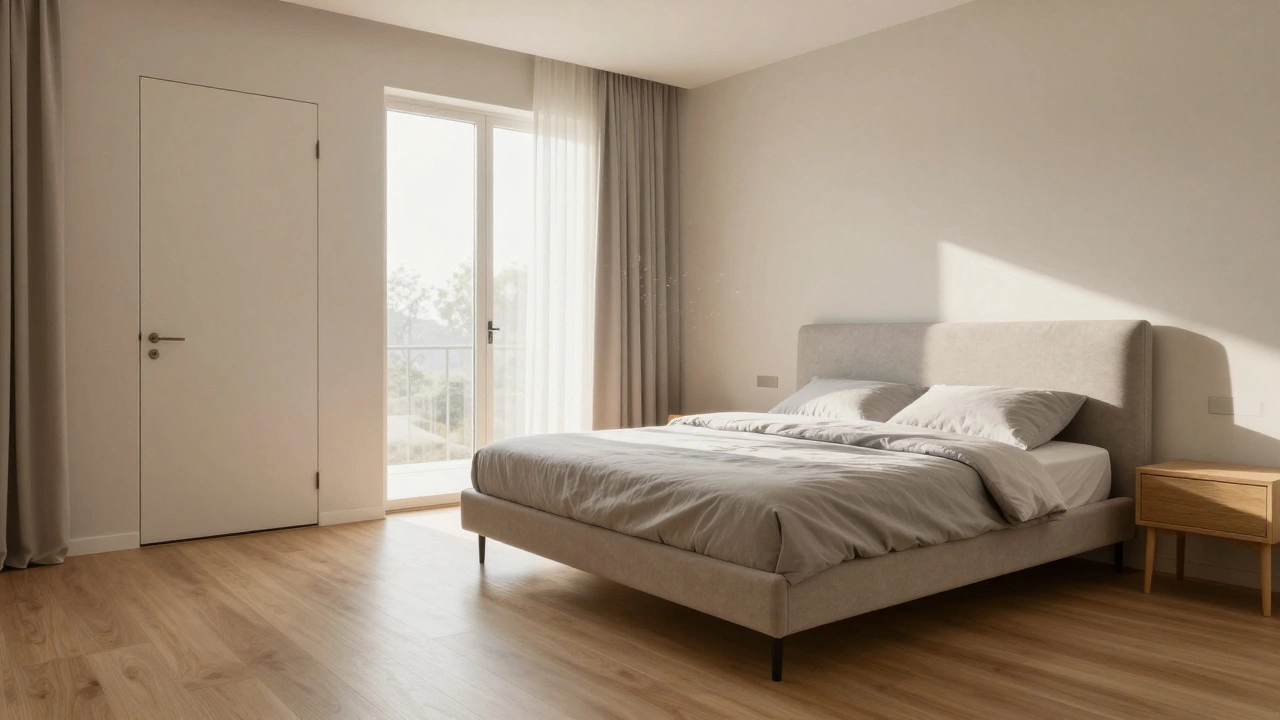
Everything in your bedroom revolves around the bed. It’s the biggest piece, the most expensive item, and the center of your daily routine. If you get the bed wrong, everything else will feel like an afterthought.
First rule: never put the foot of the bed directly in line with the door. In design terms, this is often called the "coffin position," and while you might not care about feng shui superstitions, think about the practical side. When you lie down, you want to see the door without being directly in its path. It creates a sense of security and control over who enters your space.
Instead, place the headboard against the longest solid wall. Why solid? Because you don’t want windows behind your head. Windows mean drafts, cold air hitting your neck, and sunlight blasting you awake at 6 AM no matter how thick your curtains are. Plus, mounting a headboard on a window wall is a nightmare for plumbing or electrical work if you ever want reading lights.
| Position | Pros | Cons |
|---|---|---|
| Against Long Solid Wall | Best stability, easy access to both sides, hides wiring | May block natural light if not planned well |
| Centered on Window Wall | Symmetrical look | Cold drafts, hard to mount lights, glare issues |
| Diagonal (Corner) | Creates a cozy nook | Wastes floor space, hard to make the bed |
Once the bed is set, measure the space on either side. You need at least 60cm (about 2 feet) on each side for comfortable movement. If you’re tight on space, skip the nightstands entirely and use floating shelves or a long bench at the foot of the bed. It keeps the floor clear and makes the room feel larger.
Nightstands: Symmetry vs. Reality
We’ve all seen the magazine photos: identical nightstands, perfectly spaced lamps, total symmetry. It looks great until you try to walk from the bathroom to the closet. In real life, symmetry is a luxury, not a requirement.
If you have the width, two matching nightstands create a balanced visual weight. They anchor the bed and provide equal access for partners. But if your room is narrow, forcing two bulky tables will choke the space. Here’s a better approach: mix and match. Use a slim cabinet on one side and a small stool or stack of books on the other. As long as the height is similar, the eye won’t notice the difference from across the room.
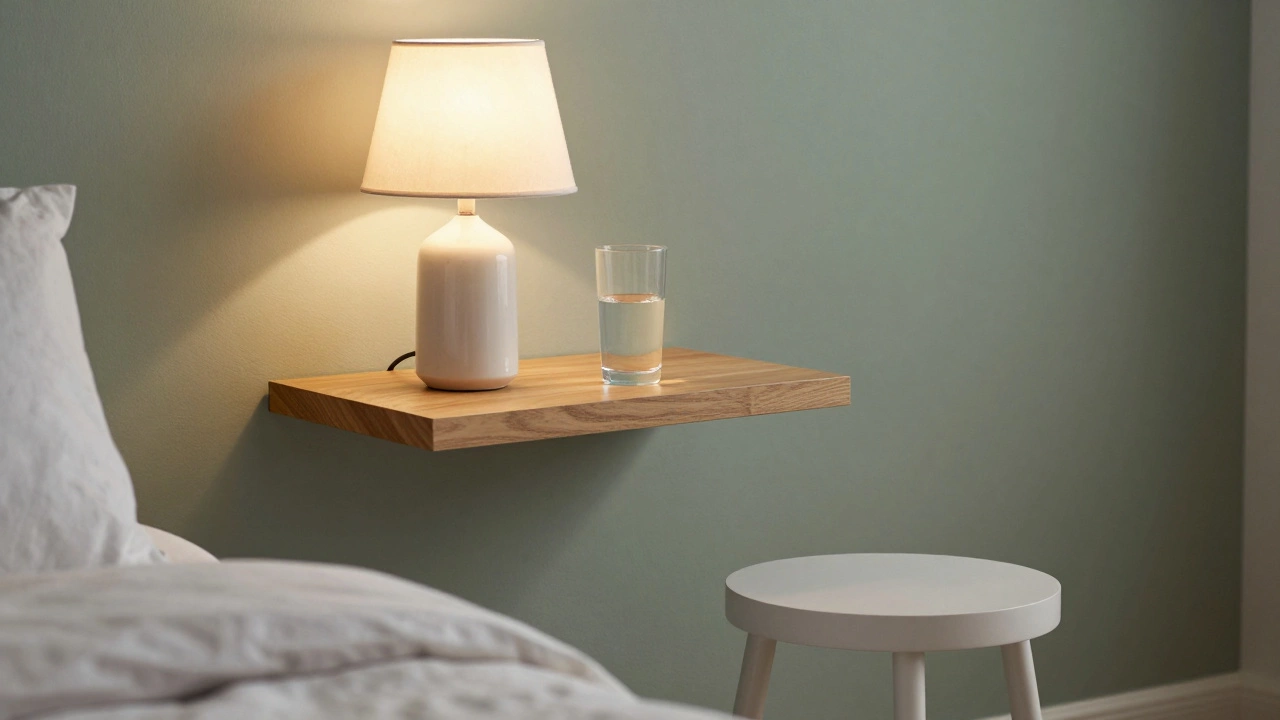
What goes on them? Only essentials. A lamp, a phone charger, maybe a glass of water. Clutter on nightstands spills visually onto the bed, making it harder to relax. Keep surfaces clear. If you need more storage, look upward with wall-mounted shelves rather than outward with wide tables.
Wardrobes and Storage: Out of Sight, Out of Mind
A bedroom should be a sanctuary, not a showroom for your winter coats. The goal with wardrobes and dressers is concealment. Open shelving has its place in living rooms, but in bedrooms, visible clothes create visual noise that raises stress levels.
Place large wardrobes along the wall opposite the bed or adjacent to it, depending on the door swing. Never block a door. If you have a sliding door wardrobe, ensure there’s enough clearance so it doesn’t hit the bed frame when open. For freestanding armoires, leave a small gap between the unit and the wall to prevent moisture buildup and allow air circulation.
If you lack built-in closets, consider a tall, narrow bookcase-style wardrobe. It takes up less floor footprint but offers vertical storage. Pair this with under-bed storage bins for seasonal items. The key is to keep daily-use clothes within arm’s reach and everything else tucked away.
Lighting Layers: Beyond the Ceiling Fan
Bad lighting ruins any furniture arrangement. Relying solely on a central ceiling light creates harsh shadows and flattens the room’s depth. You need layers.
Start with ambient light: a soft overhead fixture or recessed LEDs that wash the room evenly. Then add task lighting: bedside lamps for reading or getting ready. Finally, accent lighting: LED strips behind the headboard or under the bed frame to add warmth and dimension.
Placement matters. Position lamps so the light falls on your face, not behind your head, if you read in bed. Avoid placing bright lights directly above the bed where they can cause glare when lying down. Dimmers are non-negotiable. Being able to adjust brightness helps signal to your brain that it’s time to wind down.
Traffic Flow: The Invisible Path
Imagine walking through your bedroom from the door to the closet, then to the bathroom. Is it smooth? Or do you find yourself sidestepping, ducking, or pulling drawers open into your knee? Traffic flow is the hidden skeleton of good design.
Keep main pathways at least 75cm wide. This allows two people to pass comfortably. Avoid placing furniture in the direct line of sight from the door unless it’s the bed. When you enter, you should see the main focal point immediately, not a dresser blocking the view.
In small rooms, pull furniture slightly away from the walls. Counterintuitive, I know. But pushing everything flat against the perimeter makes the room feel boxy and empty in the middle. Floating a rug under the bed and leaving a few inches of floor visible around the edges creates a sense of breathing room.
Mirrors: Light and Illusion
Mirrors are your best friend in a dark or small bedroom. They reflect light, doubling its effect, and bounce views, making the space feel deeper. But placement is critical.
Hang a mirror opposite a window to capture daylight. This floods the room with natural light during the day. At night, avoid placing mirrors directly facing the bed if it disturbs you psychologically. Some people find it unsettling to see themselves reflected while half-asleep. Instead, place mirrors on wardrobe doors or side walls where they enhance functionality-like checking your outfit before leaving.
Full-length mirrors are essential but take up floor space. Consider leaning one against a wall in a corner or hanging it on the inside of a wardrobe door. This saves square footage while keeping the utility intact.
Small Bedroom Hacks That Actually Work
If you’re working with less than 10 square meters, every centimeter counts. Here are specific tactics that maximize space without sacrificing style:
- Use a Loft Bed: If ceiling height allows, raise the bed and put a desk or seating area underneath. It instantly frees up floor space.
- Go Vertical: Install shelves up to the ceiling. Store rarely used items high up and keep daily essentials at eye level.
- Multi-Functional Furniture: Ottomans with storage, benches with drawers, or beds with built-in drawers reduce the need for extra pieces.
- Light Colors: Paint walls and choose bedding in light neutrals. Dark colors absorb light and make rooms feel smaller.
- Leggy Furniture: Choose sofas, chairs, and beds with exposed legs. Seeing the floor beneath furniture creates an illusion of openness.
Don’t overcrowd. One or two statement pieces are better than five small ones fighting for attention. Edit ruthlessly. If a piece doesn’t serve a function or bring joy, donate it.
Common Mistakes to Avoid
Even experienced designers slip up. Here are the most frequent errors that disrupt bedroom harmony:
- Ignoring Door Swings: Placing a chair or table where a door opens forces you to move furniture every time you enter. Check the arc first.
- Blocking Vents: Covering heating or cooling vents with rugs or furniture reduces efficiency and increases energy bills.
- Mismatched Scales: A massive king-size bed in a tiny studio overwhelms the space. Scale furniture to the room size, not your desire for luxury.
- Forgetting Rug Size: A small rug that floats in the middle of the room looks accidental. Aim for a rug that extends at least 60cm beyond the bed on all sides, or place the front legs of the bed on it to anchor the zone.
- Cluttered Surfaces: Every surface needs a purpose. If a shelf holds nothing but dust collectors, remove it.
These mistakes aren’t fatal, but they accumulate. Fixing them usually involves rearranging, not buying new things. Start by removing items, then add back only what fits naturally.
Testing Your Layout Before Moving Heavy Stuff
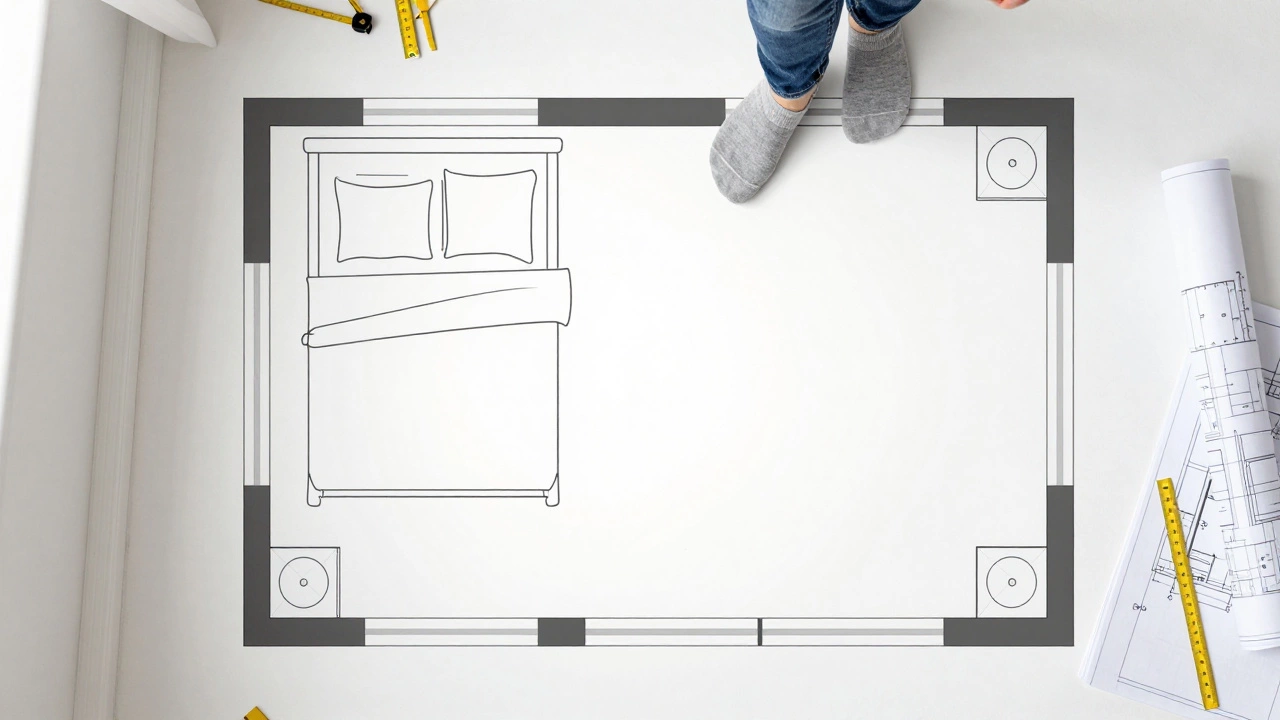
Before you drag a heavy wardrobe across the floor, test your plan. Use painter’s tape to outline furniture shapes on the floor. Walk through the taped zones. Do you bump into anything? Can you open drawers fully? Does the bed feel accessible?
This low-cost method reveals flaws early. Adjust the tape until the flow feels right. Then move the actual pieces. It saves sweat and frustration. Plus, you can experiment with unconventional layouts-like angling a chair in a corner-that you wouldn’t dare try with heavy lifting.
Take photos of the taped layout from above. Review them later. Sometimes seeing the plan from a bird’s-eye perspective highlights imbalances you missed while standing in the room.
Should the bed face the door?
Ideally, yes, but not directly aligned. Place the bed diagonally opposite the door so you can see who enters without being in the direct path. This balances security with comfort and avoids the "coffin position" stigma.
How much space should I leave around the bed?
Aim for at least 60cm (2 feet) on each side for easy access. If space is tight, prioritize one side for movement and use a narrow console or floating shelf on the other. Minimum clearance is 45cm to avoid feeling cramped.
Can I put a TV in the bedroom?
Yes, but keep it small and mounted high enough to avoid neck strain. Ideally, hide it in a cabinet or behind a screen when not in use. Blue light from screens disrupts sleep, so limit usage before bedtime and consider warm-light settings.
Where should I hang artwork in the bedroom?
Hang art at eye level when standing, which is typically 145-150cm from the floor to the center of the piece. Above the bed is a classic spot, but ensure it’s securely anchored. Avoid placing heavy frames near windows where humidity can damage them.
Is it okay to have mismatched nightstands?
Absolutely. Mismatched nightstands add character and solve space constraints. Just ensure they are similar in height and style tone. Visual balance matters more than perfect symmetry in functional spaces like bedrooms.