
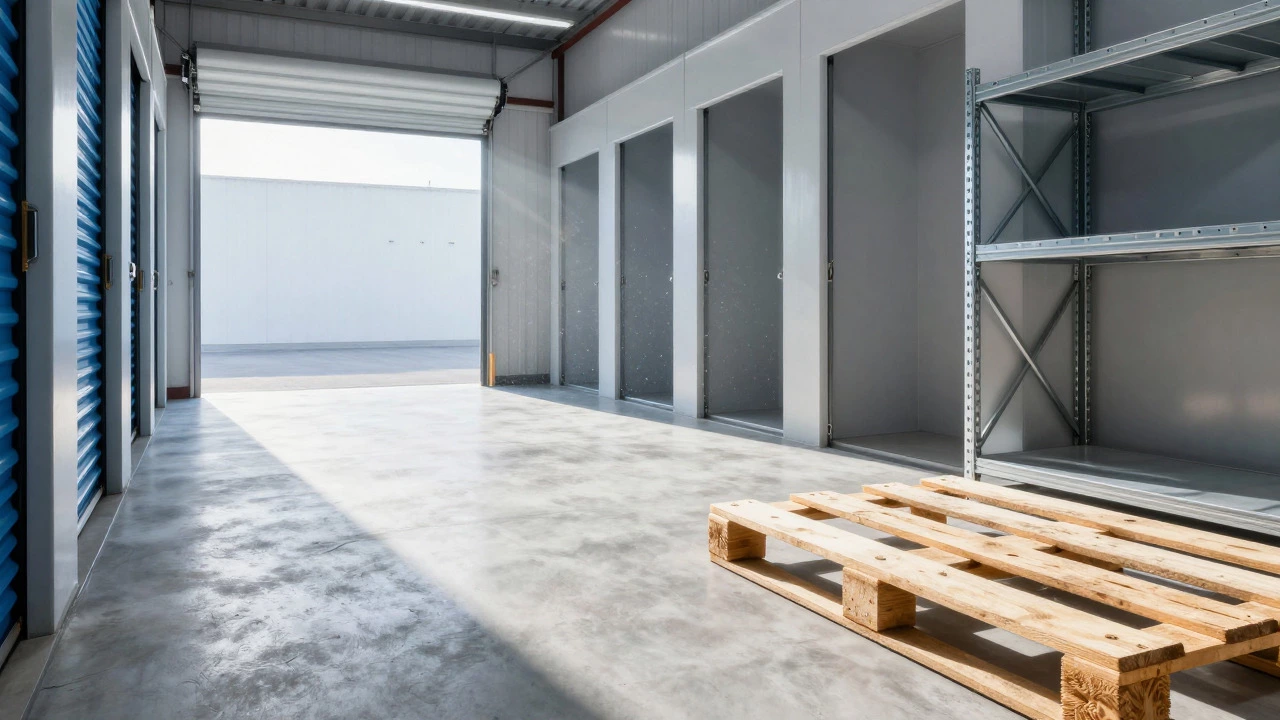
Storage Unit Pest Vulnerability Checker
Inspect Your Setup
Select the options that apply to your current storage situation to calculate your risk level.
Your Vulnerability Score
Not Assessed
Answer the questions to see how vulnerable your storage unit is to pests.
There is nothing quite like the sinking feeling of arriving at your self-storage unit only to find a trail of droppings or worse, chewed-up boxes. You paid for security and space, not an all-you-can-eat buffet for local wildlife. Whether you are storing seasonal decorations, old furniture, or business inventory, pests can turn your organized sanctuary into a disaster zone overnight. The good news is that keeping bugs and mice out of a storage unit is entirely possible if you understand their behavior and seal off their entry points effectively.
The Quick Fix: Immediate Actions to Take
If you suspect pests are already hanging around, or if you just want to get ahead of the problem before it starts, start with these immediate steps. These actions create the first line of defense and signal to potential invaders that this is not a welcoming environment.
- Clean the unit thoroughly: Sweep up any debris, dust, or food crumbs. Pests are attracted to organic matter, so removing their food source is step one.
- Inspect the door seal: Check the rubber gasket along the bottom and sides of the roll-up door. If it’s cracked, brittle, or missing, replace it immediately. This is the most common entry point for mice and insects.
- Elevate everything: Never place items directly on the concrete floor. Use pallets, shelving units, or plastic bins with lids. This creates a physical barrier and makes inspection easier.
- Seal cardboard boxes: Cardboard is made of paper, which is essentially food for silverfish and booklice. It also provides nesting material for mice. Transfer contents to plastic bins or wrap boxes tightly in heavy-duty plastic sheeting.
Understanding Your Enemy: Why They Come
To stop pests, you need to think like them. Mice and bugs don’t come to your storage unit because they hate you; they come because they are looking for shelter, warmth, and food. In Melbourne, where temperatures can fluctuate wildly between summer heatwaves and winter chills, storage units offer a stable, climate-controlled (or at least insulated) environment that is far more appealing than the outdoors.
Mice, specifically the House Mouse, are opportunistic scavengers. They can squeeze through holes as small as a dime (about 10mm). They are not looking for gourmet meals; they will eat glue from envelopes, insulation, wood, and even paint. Bugs, such as ants, cockroaches, and spiders, follow similar logic. Ants seek sugar and protein sources, while cockroaches thrive in dark, damp crevices. Spiders usually arrive to eat other bugs, so controlling the primary insect population helps reduce spider sightings.
| Pest Type | Primary Motivation | Typical Entry Size | Detection Signs |
|---|---|---|---|
| House Mouse | Shelter, nesting material, scraps | 10mm (dime-sized) | Droppings, gnaw marks, grease trails |
| Cockroach | Moisture, darkness, organic decay | 6mm (crack in wall) | Egg cases, shed skins, musty odor |
| Ants | Sugar, proteins, water | 1-3mm (tiny cracks) | Visible trails, mounds near doors |
| Spiders | Hunting other insects | Varies by species | Webs in corners, egg sacs |
Fortifying the Perimeter: Sealing Entry Points
Once you know what you are dealing with, you need to physically block their access. Most storage facilities are built with durability in mind, but they are rarely designed to be pest-proof. Gaps around electrical conduits, vents, and door frames are common vulnerabilities.
Start with the door. The bottom edge of a roll-up door often has a rubber sweep. Over time, this sweep wears down or gets kicked up. Install a new heavy-duty rubber door seal or use a piece of weatherstripping tape to fill gaps. For extra security, consider adding a threshold ramp that seals tightly against the door when closed.
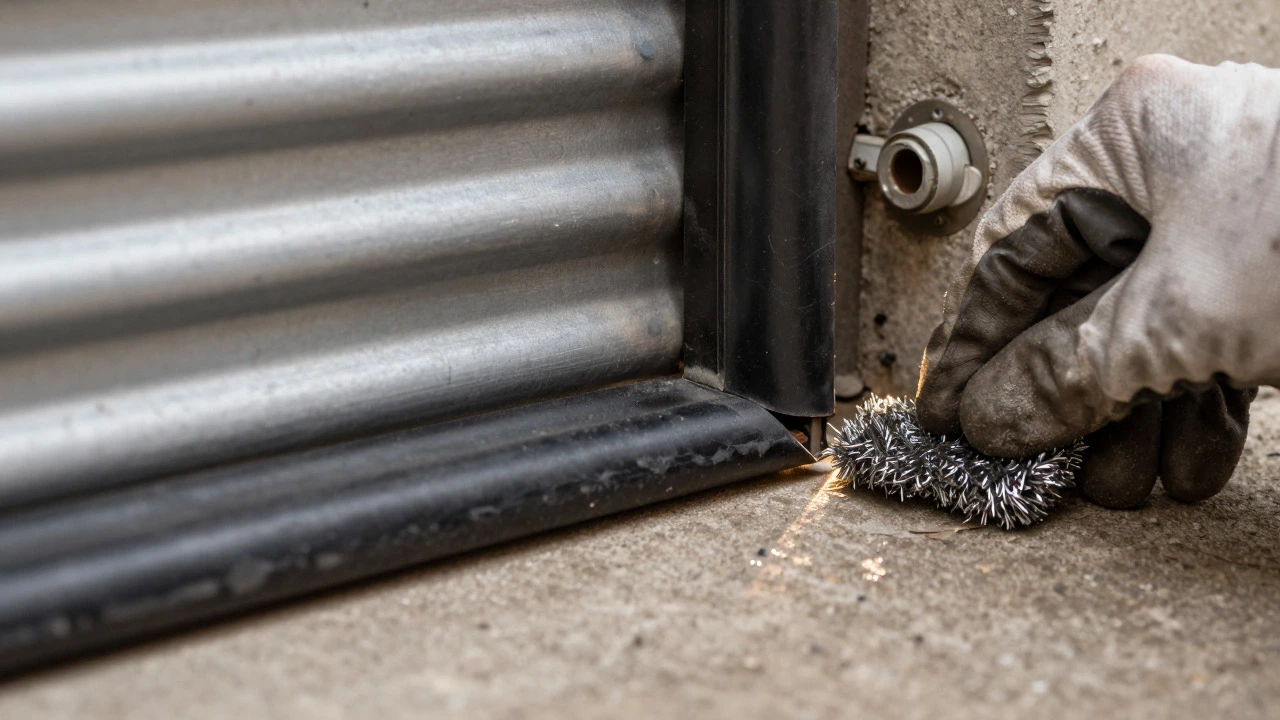
Next, inspect the walls and ceiling. Look for holes around pipes, wires, or ventilation fans. Steel wool is an excellent material for filling small gaps because mice cannot chew through it. Pack the steel wool tightly into the hole, then seal it over with expanding foam or caulk. The steel wool acts as the structural barrier, while the foam keeps it in place and adds insulation.
Don’t forget the exterior. If your storage unit is located in a ground-floor unit or has direct outdoor access, check the landscaping nearby. Trim back bushes and trees that touch the building. Vines and branches act as bridges for rats and squirrels to reach higher units. Keep the area around your unit clear of leaves, grass clippings, and trash, which attract rodents that may eventually move inside.
Smart Packing Strategies for Pest Prevention
How you pack your belongings plays a huge role in pest control. Even with a sealed unit, poor packing habits can invite trouble. The goal is to minimize hiding spots and eliminate food sources.
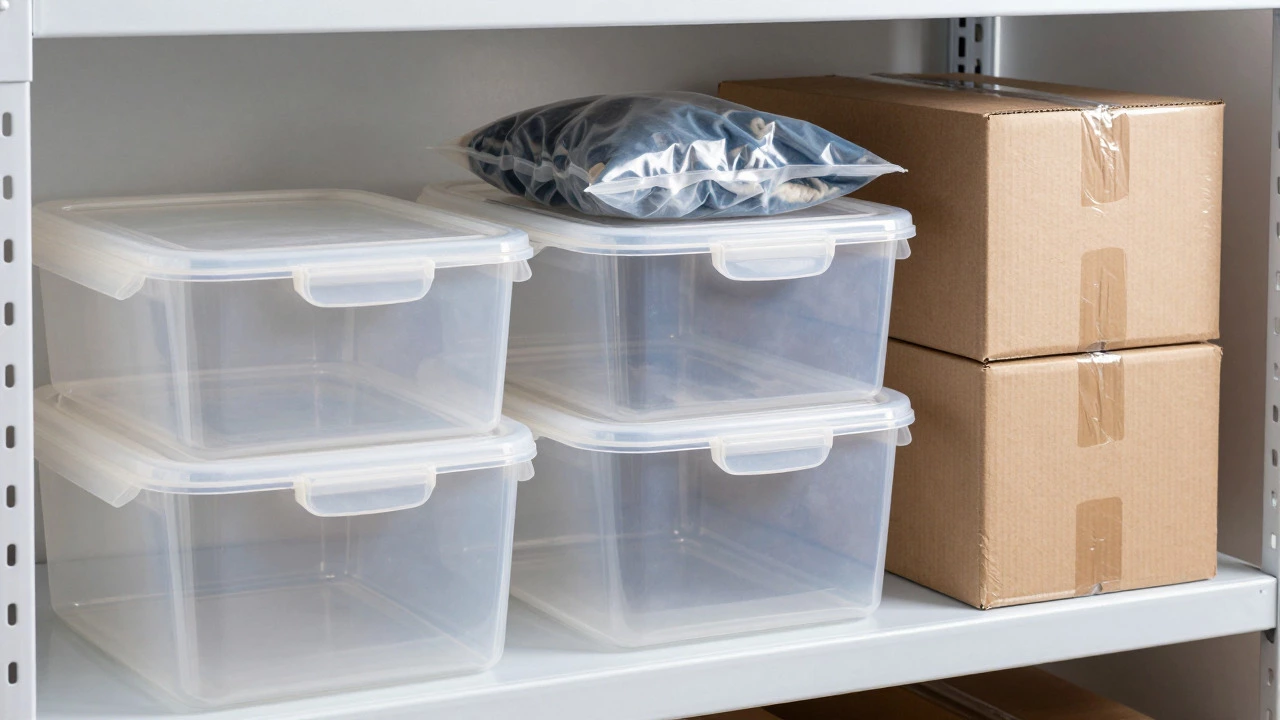
Avoid using cardboard boxes whenever possible. As mentioned earlier, cardboard is porous and absorbent. It traps moisture, leading to mold, which attracts silverfish and booklice. It also provides easy nesting material for mice. Instead, use Plastic Storage Bins with tight-fitting lids. Plastic is non-porous, easy to clean, and difficult for pests to penetrate. Label each bin clearly so you know what’s inside without opening it unnecessarily.
If you must use cardboard, wrap each box individually in heavy-duty plastic wrap or place them inside large garbage bags before sealing them. This creates a moisture barrier and prevents pests from accessing the paper fibers.
For clothing and textiles, use vacuum-sealed bags. Not only does this save space, but it also removes air and odors that might attract moths or carpet beetles. Store these bags in plastic bins rather than leaving them exposed on shelves.
Natural and Chemical Deterrents
Physical barriers are your best defense, but deterrents can add an extra layer of protection. However, choose your methods carefully. Some common home remedies can cause more harm than good in a confined space like a storage unit.
Mothballs: Many people reach for mothballs, but they are largely ineffective against mice and many bugs. They release fumes that can be toxic to humans and pets if inhaled in high concentrations, and they often leave a strong, unpleasant smell on stored items. Plus, they sublimate quickly, meaning they lose effectiveness within weeks.
Peppermint Oil: Mice dislike the strong scent of peppermint. Soaking cotton balls in pure peppermint oil and placing them in corners of the unit can help repel rodents. Replace the cotton balls every two weeks to maintain potency. This is a safe, non-toxic option that works well as a supplement to physical sealing.
Diatomaceous Earth: This is a natural powder made from fossilized algae. It is harmless to humans and pets but lethal to insects with exoskeletons, such as ants, roaches, and bed bugs. Sprinkle a thin line of food-grade diatomaceous earth around the perimeter of the unit, under shelves, and near entry points. It works by dehydrating the insects’ outer shells. Note: It is messy, so use sparingly and wear a mask during application.
Traps: If you see signs of active infestation, set traps. Snap traps are effective for mice and should be placed along walls, where rodents tend to travel. Use peanut butter or chocolate as bait-these have stronger scents than cheese, which mice actually prefer less. Check traps regularly and dispose of carcasses safely.
Maintenance and Monitoring
Pest prevention is not a one-time task; it requires ongoing vigilance. Set a reminder to visit your storage unit every few months, even if you don’t need to retrieve anything. During these visits, perform a quick inspection.
- Check for new gaps: Weather changes and building settling can create new cracks. Inspect door seals, wall joints, and window screens (if applicable).
- Look for signs: Scan for droppings, chew marks, webbing, or unusual odors. Early detection prevents full-blown infestations.
- Refresh deterrents: Replace peppermint oil cotton balls, replenish diatomaceous earth lines, and check trap status.
- Review organization: Ensure items are still elevated and sealed. Move things slightly to check underneath for hidden activity.
If you notice persistent issues despite your best efforts, contact your storage facility manager. They may need to address structural problems or conduct professional extermination services for the entire building. A pest problem in one unit can easily spread to others if left unchecked.
Choosing the Right Storage Facility
If you are currently searching for a storage unit, pest resistance should be a key factor in your decision. Not all facilities are created equal. Look for providers that advertise "pest-controlled" or "climate-controlled" environments. Climate control not only protects sensitive items from temperature swings but also reduces humidity, which deters cockroaches and mold-loving insects.
Visit potential facilities in person. Walk around the exterior. Is the property well-maintained? Are there piles of debris or overgrown vegetation? Do the units look clean and secure? Talk to current customers if possible. Their experiences can reveal whether the management responds quickly to pest reports.
Ask about their cleaning protocols. Reputable facilities clean units between tenants and schedule regular pest inspections. Avoid places that seem neglectful or have visible signs of rodent activity, such as droppings in hallways or damaged doors.
Can I use ultrasonic pest repellers in my storage unit?
Ultrasonic devices emit high-frequency sounds intended to annoy pests. However, scientific evidence on their effectiveness is mixed. Sound waves do not penetrate solid objects well, so they may only cover a small area around the device. They can work as part of a broader strategy, but relying solely on them is risky. Physical sealing and cleanliness remain superior methods.
What should I do if I find dead mice in my storage unit?
Wear gloves and a mask to avoid inhaling pathogens. Remove the carcass using a plastic bag, double-bag it, and dispose of it in an outdoor trash bin. Disinfect the area with a bleach solution or enzymatic cleaner to remove odors that might attract other scavengers. Check for additional signs of infestation and set traps to ensure no live mice remain.
Are plastic bins really better than cardboard for pest control?
Yes, significantly. Cardboard absorbs moisture and provides nesting material for mice and food for silverfish. Plastic bins are impermeable, easy to wipe clean, and structurally sound against chewing. While more expensive upfront, they protect your belongings from both pests and environmental damage, making them a worthwhile investment.
How often should I rotate items in my storage unit?
It is advisable to access and inspect your unit at least once every three to six months. This allows you to check for pest activity, refresh deterrents, and ensure items are not deteriorating due to moisture or neglect. Regular movement also disrupts any potential nesting sites pests might be establishing.
Does climate control prevent pests?
Climate control helps indirectly by maintaining consistent temperature and low humidity levels. Many pests, especially cockroaches and silverfish, thrive in damp, warm conditions. By reducing humidity, you make the environment less hospitable. However, climate control alone does not seal entry points, so you still need to practice proper packing and sealing techniques.