
Storage Unit Pest Risk Assessment Tool
How vulnerable is your storage unit? Answer these questions to get a customized risk score and actionable protection plan.
1. What type of container are you using for boxes?
Cardboard Boxes
Directly on floor or stackedMixed Containers
Some plastic, some cardboardPlastic Bins Only
Tight-fitting lids, elevated off floor2. How is the door sealed?
No Seal
Visible gaps around frameBasic Caulk
Standard silicone sealant onlySteel Wool + Caulk
Gaps packed with steel wool then sealed3. Are you using any natural repellents?
None
No deterrents in useOccasional Use
Lavender or peppermint sometimesRegular Rotation
Fresh peppermint oil & cedar monthly4. How do you manage humidity?
No Control
Relying on ambient air onlySilica Gel Packs
Small packets scattered aroundDehumidifier Bucket
Industrial bucket, emptied monthly5. How often do you inspect your unit?
Rarely/Never
Only when moving itemsEvery 6 Months
Semi-annual checkupsMonthly/Quarterly
Regular scheduled inspectionsYour Customized Action Plan:
Recommended Products & Methods
| Method | Target Pest | Priority |
|---|
⚠️ Critical Reminders:
Imagine opening your storage unit after six months, only to find a nest of mice in your winter coats or ants marching across your antique dresser. It’s a nightmare scenario that thousands of renters face every year. Pests don’t just chew through fabric; they contaminate food, damage electronics, and spread disease. The good news is that most infestations are preventable if you take the right steps before you even move a single box.
Keeping bugs and rodents out isn't about buying expensive chemicals. It’s about creating an environment that pests simply don’t want to enter. This guide breaks down exactly how to seal your unit, prepare your items, and maintain a pest-free zone throughout your rental period.
The First Line of Defense: Sealing the Entry Points
Rodents can squeeze through holes the size of a dime. Insects can slip through cracks barely visible to the naked eye. Before you bring any furniture or boxes into your storage unit, which serves as a secure off-site space for storing household goods, business inventory, or seasonal items, you need to inspect the physical structure.
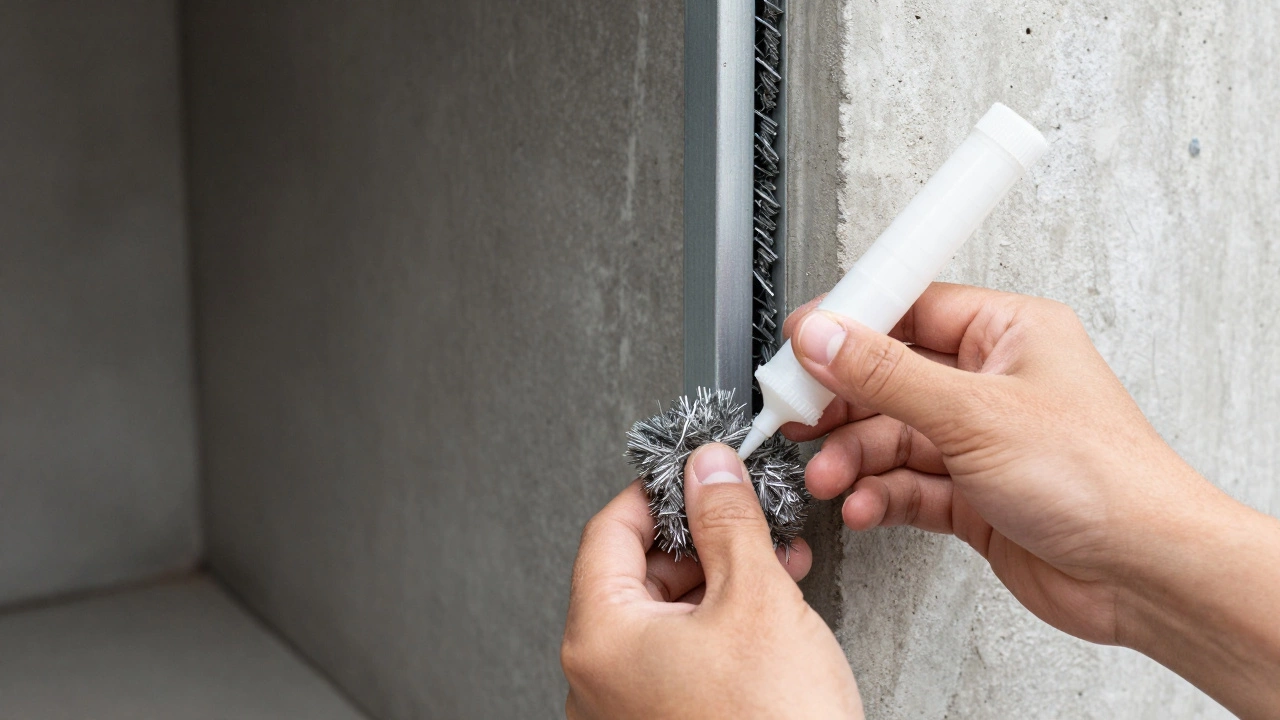
Start with the door frame. Many older units have gaps where the metal door meets the concrete wall. Check these seams carefully. If you see light coming through from the outside, pests can get in too. Use steel wool, a dense mesh of fine steel fibers used for scrubbing and blocking small openings to pack these gaps. Why steel wool? Because rats cannot chew through it. Once packed tight, seal it with silicone caulk to keep it in place and protect against moisture.
Don’t forget the vents. Most climate-controlled units have ventilation grates to regulate humidity. Ensure these grates are intact and made of heavy-duty metal mesh with openings smaller than 1/4 inch. Plastic vents are useless against determined rodents. If the grate is loose, screw it back in securely.
- Inspect the threshold: Look for cracks in the concrete floor near the door. Seal them with expanding foam or concrete patcher.
- Check the ceiling corners: Mice often travel along pipes and wires entering the ceiling. Seal any gaps around utility penetrations.
- Verify the lock: A high-quality disc lock prevents human tampering, but remember, no lock stops a mouse chewing through cardboard inside.
Preparing Your Items: The Packaging Strategy
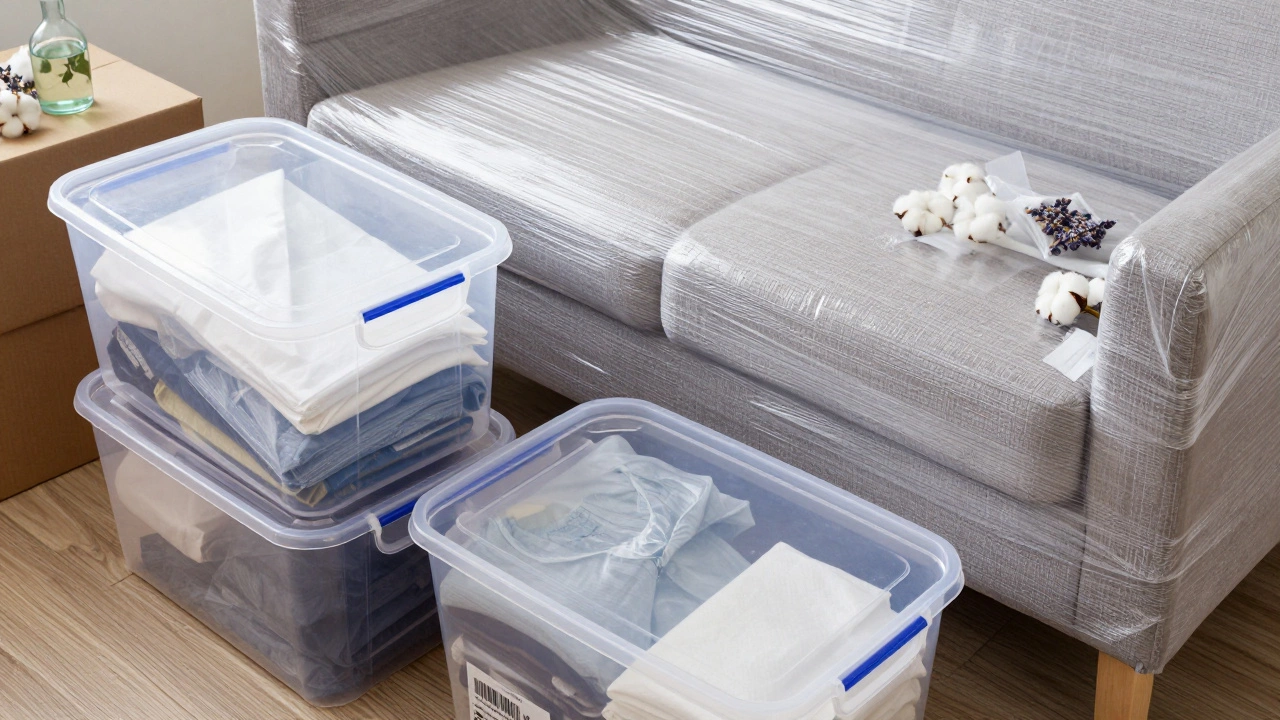
How you pack matters more than you think. Cardboard boxes are essentially mouse hotels. They provide nesting material, insulation, and easy-to-chew entry points. If you must use boxes, never place them directly on the floor. Instead, use plastic bins with tight-fitting lids. Plastic is impenetrable to most insects and rodents.
For items that aren’t going into plastic bins, wrap them tightly. Use shrink wrap for large furniture pieces like sofas or mattresses. This creates a barrier that keeps out dust, moisture, and pests. For smaller items, vacuum-seal bags are incredibly effective. Removing air not only saves space but also eliminates the scent cues that attract scavengers.
Clothing requires special attention. Wash everything before packing. Detergent residues can sometimes attract ants, so rinse thoroughly. Store clothes in cedar chests or wrap them in acid-free tissue paper inside plastic containers. Cedar naturally repels moths and carpet beetles, two common pests that destroy fabrics.
Natural Repellents That Actually Work
You don’t need harsh pesticides to keep pests away. In fact, many commercial sprays leave toxic residues that can damage your belongings. Nature offers several powerful alternatives that pests hate.
Mothballs, chemical repellents containing naphthalene or paradichlorobenzene used to deter moths and silverfish are controversial. While effective, they release toxic fumes and are banned in some states for indoor use. A safer alternative is lavender sachets. Moths dislike the strong scent of lavender. Place dried lavender bundles in clothing boxes and between stacks of books.
Peppermint oil is another potent deterrent. Rodents have sensitive noses, and the strong menthol scent overwhelms them. Soak cotton balls in pure peppermint essential oil and place them in corners of your unit. Reapply every few weeks as the scent fades. You can also mix a solution of water and peppermint oil to spray around the perimeter of your stored items.
| Method | Target Pest | Effectiveness | Safety Level |
|---|---|---|---|
| Steel Wool & Caulk | Rats, Mice | High (Physical Barrier) | Very High |
| Plastic Bins | All Pests | High (Containment) | Very High |
| Peppermint Oil | Rodents, Spiders | Medium (Scent Deterrent) | High |
| Lavender Sachets | Moths, Beetles | Medium (Scent Deterrent) | Very High |
| Silica Gel Packs | Insects (Humidity Control) | Medium (Environment Control) | High |
Controlling Humidity to Stop Insect Infestations
Many people overlook the role of moisture in pest attraction. Cockroaches, silverfish, and booklice thrive in damp environments. Even in climate-controlled units, humidity can fluctuate. Excess moisture leads to mold, which attracts fungus-eating insects.
Place silica gel desiccant packs around your unit. These packets absorb ambient moisture, keeping the air dry. You can buy large industrial-sized dehumidifier buckets designed specifically for storage units. Empty and recharge them monthly. By keeping relative humidity below 50%, you make the environment inhospitable for most insect larvae and adult pests.
Avoid storing organic materials like untreated wood, hay, or straw unless absolutely necessary. These items retain moisture and provide ideal nesting grounds. If you must store wooden furniture, ensure it is sealed with polyurethane varnish to create a moisture barrier.
Maintenance Routine: Stay Vigilant
Setting up protection is only half the battle. You need a maintenance routine to ensure your defenses hold up over time. Plan to visit your storage unit at least once every three months. During these visits, check for signs of activity.
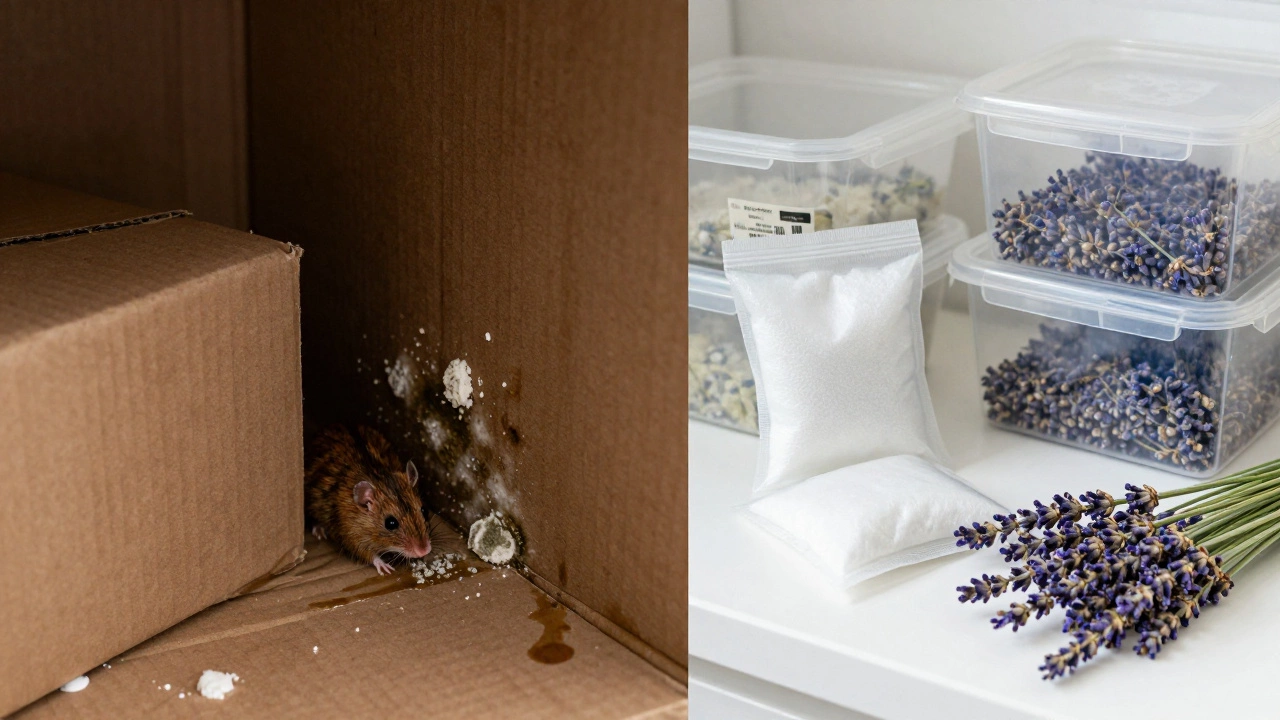
Look for droppings, gnaw marks on boxes, or webbing in corners. If you find evidence of pests, act immediately. Remove affected items, clean the area with a vinegar solution, and reapply repellents. Don’t wait until the next scheduled visit. Early detection prevents a minor nuisance from becoming a major infestation.
Keep the aisle clear. Cluttered units make it harder to spot problems and give pests more hiding spots. Arrange items neatly against walls, leaving a central path for inspection. This organization also helps you monitor the condition of your belongings more easily.
What to Do If You Find Pests
If you discover live insects or rodents, stay calm. Do not panic and start throwing things around. Identify the type of pest first. Is it a structural issue (rodents) or a content issue (clothes moths)?
For rodents, contact your storage facility manager immediately. They may offer pest control services or require you to vacate the unit temporarily for professional fumigation. Never set traps yourself without checking facility rules, as some prohibit certain types of poisons due to safety concerns.
For insects like silverfish or carpet beetles, isolate the infested items. Take them home and freeze them for 72 hours to kill all life stages. Clean the unit thoroughly with a disinfectant. Replace any compromised packaging with new plastic bins.
Can I use mothballs in my storage unit?
Mothballs are effective but risky. They contain toxic chemicals that can stain fabrics and harm humans if inhaled in enclosed spaces. Many storage facilities ban them. Safer alternatives include cedar blocks, lavender sachets, or diatomaceous earth, which physically damages insects without toxicity.
Is cardboard okay for long-term storage?
Cardboard is not recommended for long-term storage. It absorbs moisture, leading to mold growth, and provides easy nesting material for rodents. If you must use cardboard, place it inside plastic bins or wrap it tightly in shrink wrap to create a protective barrier.
How often should I check my storage unit for pests?
You should inspect your unit every three months. Regular checks allow you to catch early signs of infestation, such as droppings or gnaw marks, before they become severe. Increase frequency to monthly if you live in a warm, humid climate where pests are more active.
Do climate-controlled units prevent pests?
Climate control helps by regulating temperature and humidity, making the environment less attractive to some pests. However, it does not stop rodents or insects from entering. Physical barriers like sealed doors and proper packaging are still essential regardless of climate control.
What natural repellents work best for mice?
Peppermint oil is one of the most effective natural repellents for mice. Soak cotton balls in pure peppermint oil and place them in corners and near entry points. Mice dislike the strong scent. Reapply every two to three weeks to maintain effectiveness.