
Furniture Storage Damp Risk Calculator
Calculate the risk of damp damage to your stored furniture based on environment and preparation.
You’ve just moved into a new place, or maybe you’re renovating the living room. Either way, your favorite sofa and that solid oak dining table need a temporary home. You rent a storage unit, pack them up tight, and forget about it for six months. When you finally go back to retrieve them, you open the door to a musty smell and spots of black mold on the fabric. It’s a nightmare scenario that costs thousands to fix-or worse, leaves you with ruined heirlooms.
Damp is the silent killer of stored furniture. In humid climates like Melbourne, where the air can feel heavy even in winter, moisture creeps into wood joints, rots upholstery, and warps surfaces. But here’s the good news: protecting your furniture isn’t rocket science. It’s about preparation, environment control, and smart packing. If you get these three things right, your items will look as good as the day you put them away.
Why Damp Happens in Storage Units
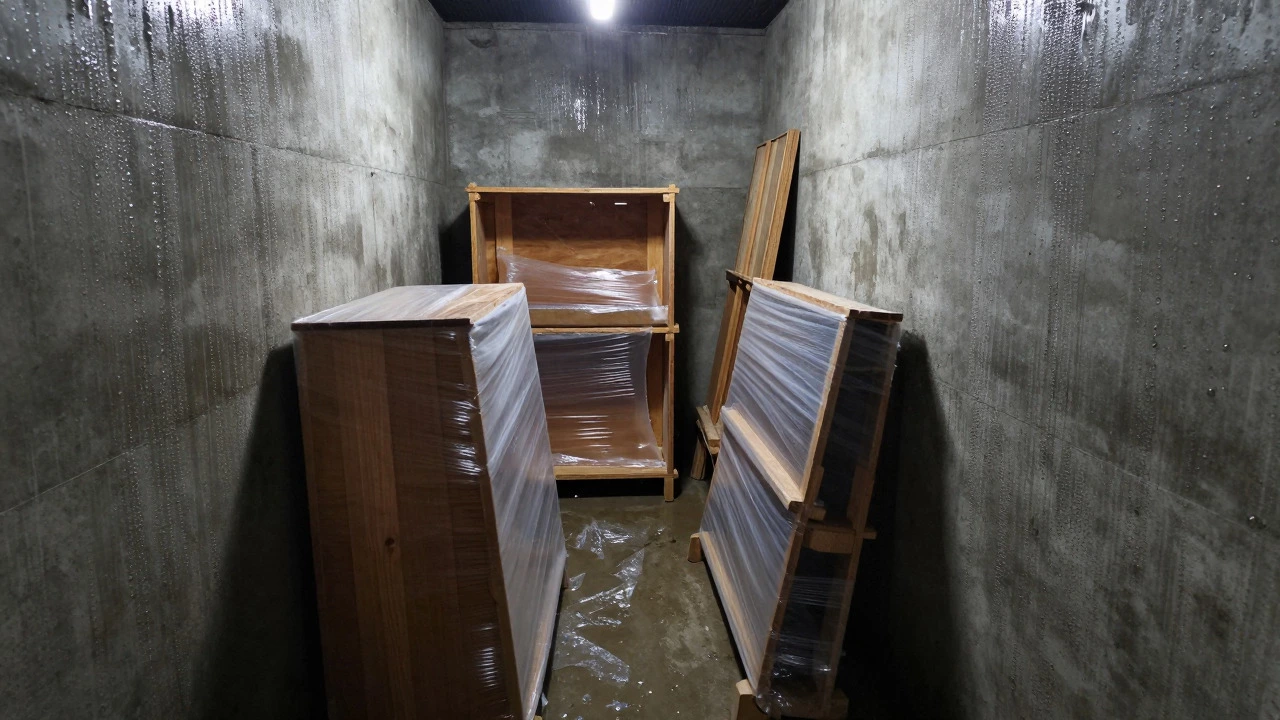
Before you can fight damp, you have to understand where it comes from. Most people assume water leaks from the ceiling are the only threat. While roof leaks are bad, they aren’t the most common cause of damage in modern self-storage facilities. The real enemy is condensation.
Condensation happens when warm, moist air hits a cold surface. Think of it like water droplets forming on the outside of a cold glass of lemonade. In a storage unit, the walls and floor are often cooler than the air inside, especially if the unit isn’t insulated. As temperatures fluctuate between day and night, moisture in the air settles onto your furniture. Over weeks and months, this tiny amount of water adds up, creating the perfect breeding ground for mold and mildew.
Another factor is the material itself. Wood is hygroscopic, meaning it absorbs and releases moisture from the air. If the relative humidity (RH) in your unit swings wildly-say, from 40% in dry summer heat to 80% during a rainy autumn-the wood expands and contracts. This movement can crack finishes, loosen joints, and warp tabletops. Upholstery is even more vulnerable because fabrics trap moisture against the frame, keeping it damp longer.
Choosing the Right Storage Environment
Not all storage units are created equal. If you’re storing high-value antiques, leather sofas, or delicate wooden cabinets, the type of facility you choose matters just as much as how you pack them.
Climate-controlled storage is the gold standard for damp protection. These units maintain a consistent temperature and humidity level, usually keeping RH between 45% and 55%. This stability prevents condensation and stops wood from swelling or shrinking. In Australia, where we experience distinct seasonal changes, climate control is worth the extra cost if you’re storing anything beyond basic plastic chairs.
If budget is tight and you must use a standard unit, look for one with specific features:
- Elevated floors: Concrete floors radiate cold and moisture. Units with timber or raised flooring create a barrier between your furniture and the damp ground.
- Ventilation: Look for units with vents or fans. Stagnant air holds moisture; moving air helps keep it balanced.
- Location: Avoid units on the ground floor if possible. Higher levels tend to be drier and less prone to flooding or splash-back from rain.
Avoid outdoor storage at all costs unless the furniture is specifically designed for it, like teak garden sets. Even then, cover it properly. Indoor, climate-controlled, and elevated is the trifecta for safety.
Preparation: Cleaning and Drying Before Packing
The biggest mistake people make is putting dirty or slightly damp furniture into storage. That cup of coffee you spilled last week? That pet hair embedded in the couch cushions? All of it needs to go before the box closes.
Start by giving everything a thorough clean. For upholstered items, vacuum deeply to remove dust and debris. Spot-clean any stains using a gentle cleaner appropriate for the fabric. Make sure the upholstery is completely dry before covering it. If you’re unsure, let it air out for 24 hours in a well-ventilated room. Trapped moisture under plastic wrap is a recipe for disaster.
For wooden furniture, wipe down all surfaces with a dry microfiber cloth. Check drawers, shelves, and undersides for hidden spills or dampness. If you notice any existing mold, treat it immediately with a mixture of white vinegar and water (1:1 ratio). Let it dry completely before proceeding. Never store furniture that smells musty; the odor indicates active microbial growth that will spread to other items.
Disassemble what you can. Taking legs off tables, removing doors from wardrobes, and detaching cushions from sofas serves two purposes. First, it reduces the overall volume, saving you space. Second, it allows air to circulate around individual components, reducing the risk of trapped moisture between large surfaces.
Packing Strategies to Block Moisture
Once your furniture is clean and dry, how you pack it determines its fate. Plastic is your friend, but only if used correctly. Many people throw a trash bag over a chair and call it a day. This creates a sealed pocket of air that can still condense if temperatures change.
Use breathable covers for wooden pieces. Cotton sheets or specialized furniture blankets allow the wood to “breathe” while protecting it from dust. For upholstered items, use clear plastic garment bags or shrink-wrap. Shrink-wrapping is particularly effective because it conforms tightly to the shape, leaving no air pockets where moisture could settle. Professional movers often use this method for pianos and large sofas.
Here’s a simple packing checklist for different furniture types:
| Furniture Type | Covering Material | Key Tip |
|---|---|---|
| Solid Wood Tables/Chairs | Breathable Cotton Sheets | Place silica gel packets inside drawers |
| Upholstered Sofas/Armchairs | Shrink Wrap or Plastic Bags | Ensure fabric is 100% dry first |
| Mattresses | Vacuum-Sealed Mattress Bags | Stand upright, never lay flat |
| Leather Items | Breathable Canvas Covers | Condition leather before storage |
Never stack heavy items directly on top of delicate ones. Use cardboard boxes or pallets as buffers. And always leave a small gap between furniture and the walls of the storage unit. This allows air to flow around the perimeter, preventing condensation from forming on the contact points.
Moisture Absorbers and Dehumidifiers
Even with perfect packing, ambient humidity can be a problem. This is where moisture absorbers come in. These are inexpensive tools that actively pull water vapor out of the air.
Silica gel is the most common option. You’ve seen those little packets in shoe boxes and electronics packaging. For storage, buy bulk silica gel beads and place them in open containers or breathable fabric pouches. Distribute them throughout your unit-inside drawers, under cushions, and near wooden frames. Silica gel is non-toxic and reusable; simply bake it in the oven to recharge it when it becomes saturated.
For larger spaces or higher humidity levels, consider a chemical moisture absorber like calcium chloride. Brands like DampRid offer buckets that collect water into a liquid reservoir. These are highly effective in enclosed spaces like wardrobes or under beds. Replace the bucket once it’s full.
If you’re storing valuable items long-term, invest in a portable dehumidifier. Place it in the center of your storage unit and run it continuously. Set the target humidity to 50%. This device will significantly reduce the risk of mold and warping, though it does require access to power within the storage facility.
Ongoing Maintenance During Storage
Storing furniture isn’t a “set and forget” task. Regular check-ins are crucial to catch problems early. Aim to visit your storage unit once a month. What should you look for?
- Odors: A musty smell is the first sign of mold. If you detect it, investigate immediately.
- Visible Mold: Check corners, undersides, and fabric seams. Small spots can be wiped away with vinegar, but widespread growth requires professional cleaning.
- Water Leaks: Inspect the ceiling and walls for drips or stains. Report any issues to the storage manager right away.
- Pest Activity: Damp attracts insects and rodents. Look for droppings, chewed packaging, or webs.
During each visit, air out the unit if possible. Open the door for 15-30 minutes to let fresh air circulate. Shake out blankets and rotate the position of silica gel packs. This proactive approach keeps the environment stable and gives you peace of mind.
Retrieving Your Furniture Safely
When the time comes to bring your furniture home, don’t rush. Bring it into a well-lit area and inspect every piece carefully. Remove covers slowly to avoid disturbing any settled dust or potential spores.
If everything looks and smells fine, you’re good to go. Wipe down wooden surfaces with a damp cloth and polish as needed. For upholstered items, vacuum again to remove any dust accumulated during storage.
If you spot minor mold, don’t panic. Clean it with a solution of water and mild detergent or white vinegar. Allow the item to dry thoroughly in sunlight if possible, as UV light kills mold spores. For severe damage, consult a professional restoration specialist before bringing the item into your living space to avoid contaminating your home.
Protecting furniture from damp in storage is entirely manageable with the right strategy. By choosing a climate-controlled unit, cleaning and drying items thoroughly, using breathable or sealed covers appropriately, and adding moisture absorbers, you can preserve your belongings for years. Don’t let humidity ruin your investment-take these steps today and enjoy worry-free storage.
Can I store furniture in a garage instead of a storage unit?
Yes, but only if the garage is attached to your home and climate-controlled. Detached garages often suffer from extreme temperature swings and poor ventilation, leading to high condensation risks. If you must use a garage, elevate furniture off the concrete floor and use dehumidifiers to manage moisture levels.
How long can furniture stay in storage without getting damaged?
With proper preparation and climate control, furniture can safely remain in storage for several years. Without climate control, significant damage from damp and pests can occur within 6-12 months, depending on local weather conditions.
Is plastic wrap safe for all types of furniture?
Plastic wrap is safe for upholstered items like sofas and mattresses, provided they are completely dry. However, avoid sealing solid wood furniture in plastic, as it traps moisture and can cause finish blistering or mold growth. Use breathable cotton covers for wood instead.
What should I do if I find mold on my stored furniture?
Act quickly. Remove the item from the storage unit and take it outdoors. Brush off loose spores, then clean the affected area with a mixture of white vinegar and water or a specialized mold remover. Allow it to dry completely in direct sunlight before returning it to storage or your home.
Do I need insurance for furniture in storage?
Most storage facilities offer limited liability coverage, which may not fully replace the value of your items. Check your homeowner’s or renter’s insurance policy to see if it extends to off-site storage. If not, consider purchasing additional coverage through the storage provider or a third-party insurer.