
Couch Storage Prep Checklist
Ensure your couch survives storage by following these critical steps based on material and environment.
Your Custom Storage Plan
Material Specific Advice
Duration Recommendation
Preparation Score
You just moved house, or maybe you’re renovating and need to clear out the living room. You’ve got your favorite couch sitting there, looking vulnerable. The last thing you want is to pull it out of a dusty warehouse six months later only to find mold spots on the velvet or a musty smell baked into the cushions. Sealing a couch isn’t just about wrapping it in plastic; it’s about managing moisture, preventing pest intrusion, and protecting the fabric from abrasion. If you skip this step, you’re basically gambling with your upholstery.
| Material Type | Main Risk During Storage | Best Sealing Method |
|---|---|---|
| Leather | Drying out, cracking, sticking to plastic | Breathable cotton sheet + conditioner |
| Velvet/Nap Fabrics | Crushing pile, water stains | Padded blankets + loose plastic wrap |
| Microfiber | Absorbing odors, dust mites | Tight plastic shrink wrap |
| Wood Frame (Exposed) | Warping, termite attraction | Sealed ends + insect repellent packets |
Clean It Before You Wrap It
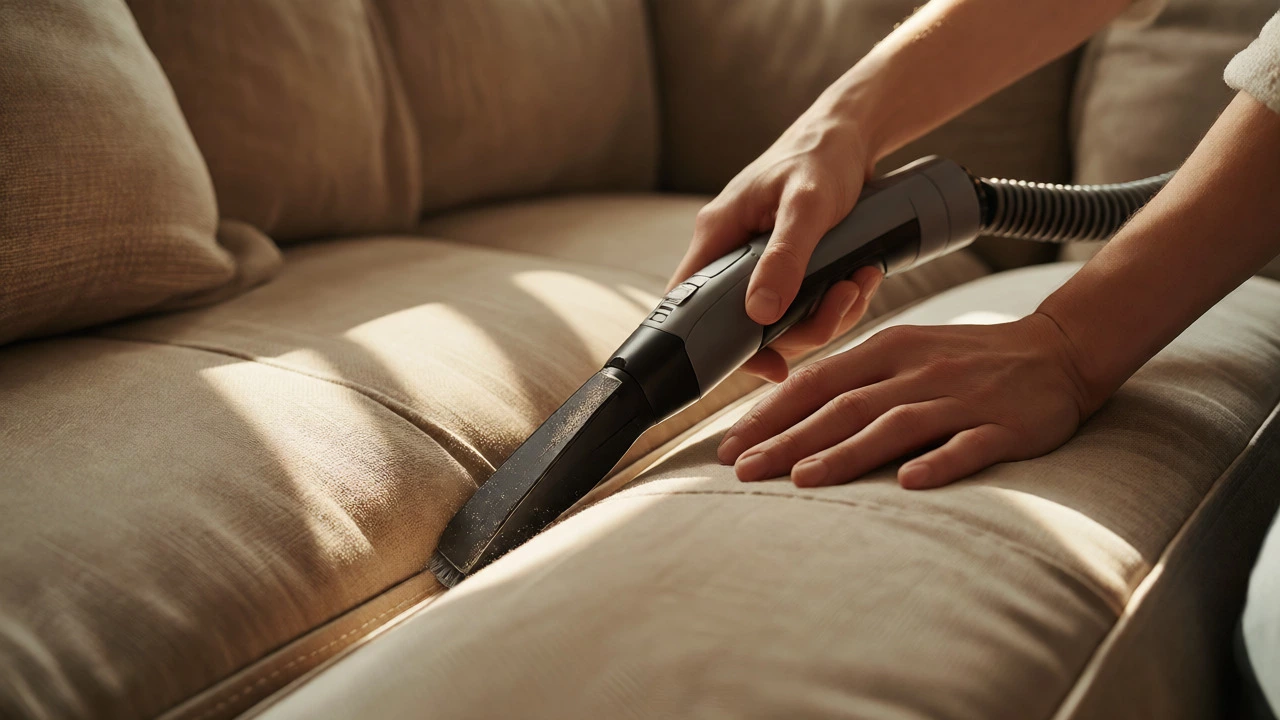
Here is a hard truth: if you seal dirt inside a plastic bubble, that dirt turns into grime that eats away at fibers over time. You cannot skip cleaning. Start by vacuuming every nook and cranny. Get under the cushions, along the seams, and behind the skirt if your couch has one. Use the crevice tool for the tight spots where crumbs and pet hair hide. For fabric couches, spot-clean any visible stains with a mild upholstery cleaner. Let it dry completely-this is non-negotiable. If you wrap damp fabric, you are creating a greenhouse effect. Mold loves a warm, damp, dark environment, and your sealed couch will provide all three.
For leather sofas, use a dedicated leather cleaner followed by a conditioner. Why condition? Because leather needs oils to stay supple. In storage, temperature fluctuations can cause leather to dry out and crack. Conditioning creates a barrier that helps retain moisture within the material itself, rather than letting it evaporate into the dry air of a self-storage unit. If you have a microfiber couch, brushing the nap with a soft-bristled brush before sealing helps prevent those annoying shiny patches that happen when fibers get crushed flat for too long.
Choose Your Wrapping Material Wisely
Not all wraps are created equal. The biggest mistake people make is using standard household cling film directly on fabric. It sticks, it tears, and it traps condensation against the weave. Instead, think in layers. The first layer should always be breathable. Old bedsheets, drop cloths, or specialized furniture blankets work best here. This layer absorbs minor humidity changes and protects the fabric from direct contact with plastic, which can sometimes react chemically with dyes or finishes.
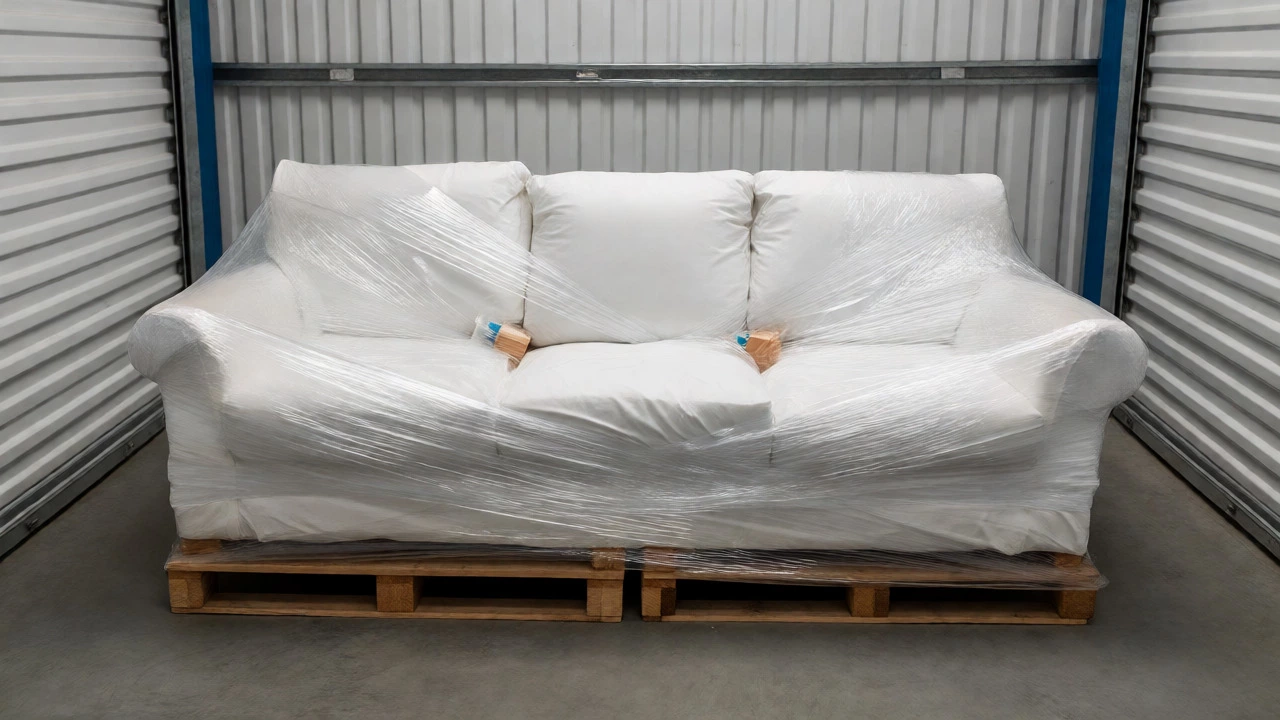
Once the breathable layer is on, you can add a protective outer shell. For short-term storage (under three months), heavy-duty moving blankets secured with tape are often enough. For long-term storage, especially in climates like Melbourne where humidity can swing wildly, you need a vapor barrier. Plastic stretch wrap is ideal because it conforms to the shape without needing adhesive on the fabric itself. However, do not wrap it so tight that it compresses the foam cushions permanently. Leave a little slack. If you are storing a wooden-framed couch with exposed legs, wrap the wood separately or ensure the plastic covers the grain ends to prevent warping.
The Art of Sealing Without Suffocating
Sealing doesn't mean making it airtight unless you are dealing with extreme pests. In fact, total airtightness can be dangerous for certain materials. The goal is to block out dust, bugs, and excessive moisture while allowing the structure to "breathe" slightly through the inner breathable layer. Here is how to execute the seal:
- Wrap the base first: Most damage happens at the bottom where floor moisture rises. Wrap the feet and base tightly.
- Work top-down: Unroll the plastic or blanket from the top back down, overlapping each row by about 50%. This sheds any potential drips if the unit leaks.
- Secure the corners: Corners are prone to tearing. Reinforce them with extra layers of tape or cardboard corner guards before applying the final wrap.
- Ventilation holes: If you are using thick plastic, poke two small holes near the top and two near the bottom. This allows for slight air circulation, reducing the risk of condensation buildup inside the wrap.
If you are worried about pests, place silica gel packs inside the wrap before sealing. These little desiccant beads absorb excess moisture effectively. Do not put them directly against light-colored fabrics as they might leave marks; keep them in a small cloth bag or tuck them between cushion gaps. For termites or silverfish, consider adding cedar blocks or lavender sachets. They repel insects naturally and won't stain your furniture like some chemical mothballs might.
Positioning Matters More Than You Think
You’ve cleaned it, wrapped it, and sealed it. Now, how you store it determines whether it survives intact. Never store a couch directly on a concrete floor. Concrete wicks moisture up into whatever sits on it. Always elevate your couch. Use pallets, bricks, or even sturdy wooden skids. This creates an air gap underneath, preventing water damage if the floor floods or sweats. In many Australian storage facilities, the floors are concrete, so this step is critical for longevity.
Stand the couch upright if possible. Storing a sofa on its back puts pressure on the frame and can distort the cushions over time. If space forces you to lay it flat, remove the cushions and store them separately in sealed bins. Stack the cushions vertically in a box to maintain their shape. Also, avoid placing heavy items on top of the wrapped couch. The weight can crush the foam and leave permanent indentations that no amount of steaming will fix later.

Climate Control: The Hidden Factor
In Melbourne, we deal with four seasons in one day, but storage units don’t change clothes. Extreme heat can warp wood and fade fabrics. Extreme cold can make vinyl or leather brittle. If your budget allows, opt for a climate-controlled storage unit. It costs more, but replacing a $2,000 designer sofa is way more expensive. If you can’t afford climate control, choose a unit that is interior-facing rather than end-loading. End-loading units are exposed to outside weather every time someone opens the door, leading to rapid temperature and humidity shifts.
Check the storage unit for signs of previous leaks or pest activity. Look for droppings, gnaw marks on old boxes, or water stains on the ceiling. A clean, dry unit is half the battle. If the unit feels damp when you walk in, ask the facility manager about dehumidifiers or move your goods elsewhere. Your couch can survive dust, but it struggles to survive chronic dampness.
Unwrapping and Reviving Your Couch
When retrieval day comes, don’t just rip the plastic off and sit down. Give it a moment to acclimate to the room temperature. Remove the outer plastic carefully to avoid static cling pulling fibers out. Take off the breathable inner layer and let the couch air out for a few hours. Vacuum it thoroughly to remove any settled dust that might have penetrated the seals. Flip the cushions and fluff them by hand to restore volume.
If there is a slight musty smell, sprinkle baking soda over the fabric, let it sit for an hour, and then vacuum it up. Baking soda neutralizes odors naturally. For leather, give it another light conditioning to refresh the surface after months in darkness. Check for any small tears in the wrap that might indicate pest entry points. If you see tiny holes, inspect the seams closely. Catching a problem early saves you from a full reupholstery job.
Can I store a couch in a garage instead of a storage unit?
Yes, but garages are often poorly insulated and prone to temperature extremes and humidity swings. If you store a couch in a garage, ensure it is elevated off the ground on pallets and sealed meticulously against pests. Garages also attract spiders and mice more than indoor storage units, so double-check your sealing integrity and consider using peppermint oil sprays around the perimeter as a deterrent.
Do I need to remove the legs from my couch before storage?
It depends on the design. Removing legs can save space and reduce the risk of breakage during transport. If you remove them, wrap each leg individually in bubble wrap and tape them together or place them in a labeled bag taped to the underside of the couch. If the legs are delicate wood, removing them prevents stress fractures during transit. For bulky metal legs, leaving them attached is usually fine if wrapped well.
How long can a couch stay in storage before it gets damaged?
With proper cleaning, breathable wrapping, and climate control, a couch can last years in storage. Without these precautions, visible damage like mold, odor, or fabric degradation can appear in as little as 3-6 months, especially in humid environments. Regular checks every few months are recommended for long-term storage to catch issues early.
Is plastic wrap safe for all types of couch fabric?
Plastic wrap should generally not touch delicate fabrics like silk, velvet, or antique lace directly, as it can trap moisture and cause color transfer or crushing. Always use a breathable barrier like cotton sheets or muslin between the fabric and the plastic. For durable synthetics like microfiber or polyester blends, direct plastic contact is less risky but still better avoided for long periods to prevent static-induced lint attraction.
What is the best way to protect leather couches in storage?
Clean and condition the leather thoroughly before storage. Wrap it in a breathable cotton blanket to allow air circulation and prevent the plastic from sticking to the finish. Avoid using rubber-based straps or bands directly on the leather, as they can leave permanent marks. Keep the couch away from direct sunlight sources in the storage unit to prevent fading and drying out.