
Bookcase Window Placement Advisor
That tall, empty wall next to your window is calling your name. You’ve got a beautiful oak bookcase that needs a home, and the space seems perfect-until you realize it blocks the view. So, can you actually put a bookcase in front of a window? The short answer is yes. But like most things in interior design, the long answer depends on how you handle light, airflow, and visual weight.
I’ve spent years rearranging rooms in my Melbourne apartment, dealing with everything from harsh afternoon sun to drafty winter nights. Placing furniture near windows is one of those decisions where small details make or break the room’s comfort. If you get it right, you gain storage without losing soul. Get it wrong, and you end up with a dark, stuffy corner that feels like a closet.
The Light Factor: Why Sunlight Matters More Than You Think
Let’s talk about the biggest concern first: light. Windows are the lungs of a room. They bring in energy, warmth, and visibility. When you place a solid piece of furniture like a floor-to-ceiling bookshelf directly in front of glass, you’re essentially closing off that lung.
If your room relies heavily on natural light-maybe it’s a north-facing study in Melbourne that only gets bright for three hours a day-you need to be careful. A deep, opaque bookcase will cast a shadow across half the floor plan. This isn’t just an aesthetic issue; it affects your mood and productivity. Rooms that feel dim often feel smaller and more cramped.
However, if you have large double-glazed windows facing west or south, you might actually want that blockage. In summer, direct sunlight can fade book bindings, warp wooden shelves, and heat up the room unnecessarily. Here, the bookcase acts as a buffer. Just measure the depth. A standard bookcase is about 30cm deep. That leaves plenty of glass exposed above and below if you position it correctly.
Airflow and Temperature Control
Beyond light, there’s air. Windows are where fresh air enters and stale air exits. Blocking them completely can disrupt the natural circulation in your home. In humid climates, this can lead to condensation buildup behind the furniture, which eventually causes mold or warping on both the wood and the wall paint.
Think about your heating and cooling too. If you have air conditioning vents near the window, a bookcase might block the airflow, making the system work harder and raising your electricity bill. Conversely, in winter, a heavy bookcase can act as thermal mass, absorbing heat during the day and releasing it slowly at night. It’s a small benefit, but worth considering if you live in a place with significant temperature swings.
- Check for drafts: Ensure the bookcase doesn’t seal the window shut if you open it for ventilation.
- Maintain gaps: Leave at least 5-10cm between the back of the unit and the wall/window frame to allow air to circulate.
- Monitor humidity: If you notice dampness behind the unit, move it slightly away from the glass.
Choosing the Right Style: Open vs. Closed Shelving
Not all bookcases are created equal when it comes to window placement. The style you choose dictates how much light penetrates through the unit. This is where you can turn a potential problem into a design feature.
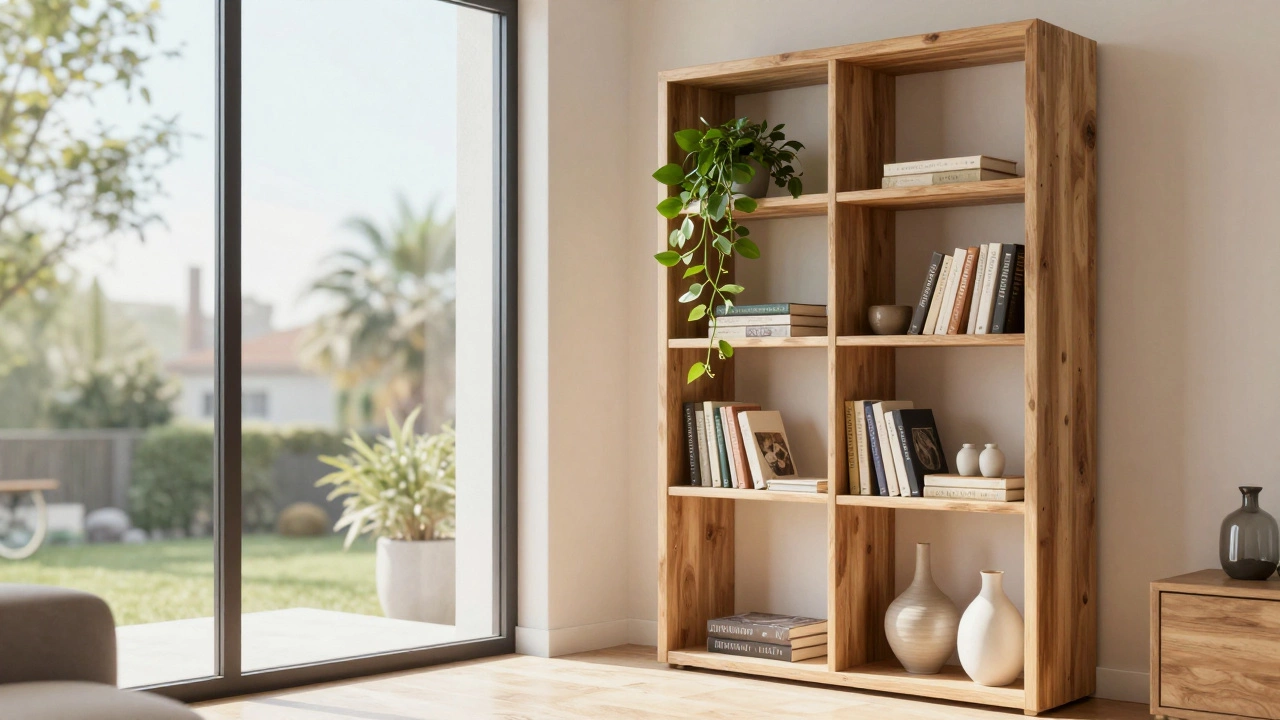
Open shelving is your best friend here. Units with no side panels or glass doors allow light to filter through the books and objects. It creates a layered, airy look that doesn’t feel heavy. Think of it as a screen rather than a wall. You can arrange books vertically to maximize transparency or mix in plants and ceramics to add texture without blocking the view entirely.
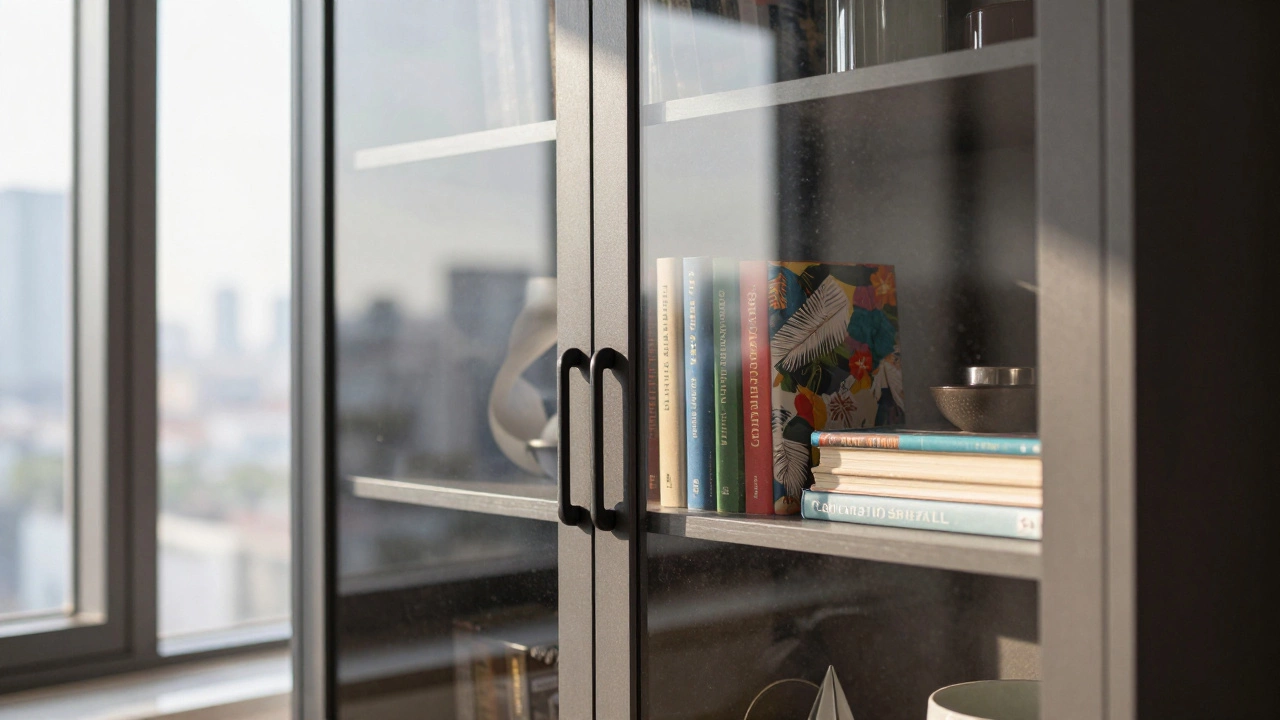
Closed cabinets, on the other hand, create a solid barrier. If you must use a closed unit, consider one with mirrored backs or glass doors. Mirrors reflect light back into the room, amplifying brightness. Glass doors keep dust out while maintaining visual permeability. Avoid dark, solid wood units with thick frames if the window is your primary light source.
| Style | Light Transmission | Dust Protection | Visual Weight |
|---|---|---|---|
| Open Shelving | High | Low | Light |
| Glass Doors | Medium | High | Medium |
| Solid Wood | None | High | Heavy |
| Metal Wire Frame | Very High | None | Minimal |
Height and Proportion: Don’t Block the View
You don’t have to sacrifice your entire window to gain some storage. The key is proportion. If your window sill is high, opt for a low-profile bookcase or a bench-style shelf that sits below the glass. This keeps the view intact while providing surface area for display.
For full-height windows, consider a narrow, vertical unit. Instead of a wide bookcase that spans the whole width, choose one that is 60-80cm wide. Place it to the side of the window frame, not dead center. This anchors the corner without obstructing the main sightline. It’s a subtle trick that makes the room feel larger because the eye can still travel from the floor to the ceiling through the glass.
If you do go for a full-width unit, ensure it’s shorter than the window height. Leaving a gap of at least 20cm between the top of the bookcase and the bottom of the window frame allows light to spill over. This "floating" effect prevents the furniture from looking grounded and oppressive.
Styling Tips to Keep It Airy
Once the bookcase is in place, how you fill it matters. A cluttered shelf looks messy and blocks light. An organized, curated shelf looks intentional and breathable. Here’s how to style it effectively:
- Leave Negative Space: Don’t pack every inch. Empty spaces on shelves allow light to pass through and give the eye a rest.
- Use Vertical Stacking: Stand books upright rather than stacking them horizontally. Horizontal stacks create dense blocks that absorb light.
- Add Greenery: Place trailing plants like pothos or ivy on the top shelf. They soften the hard lines of the furniture and bring life to the window area.
- Mix Materials: Combine books with baskets, boxes, and decorative objects. Baskets hide clutter while allowing some light penetration due to their woven texture.
- Reflective Surfaces: Include small mirrors, metallic frames, or glossy ceramics to bounce light around the room.
When Not to Do It
There are scenarios where putting a bookcase in front of a window is a bad idea. If the window is your only source of natural light in a small room, avoid blocking it. Similarly, if the window offers a stunning view-a garden, city skyline, or ocean-don’t obscure it with furniture. Views are part of your home’s value and enjoyment.
Also, consider safety. If the bookcase is tall and heavy, ensure it’s anchored to the wall. Windows often have weaker wall structures compared to load-bearing walls. An unanchored bookcase near a window could tip over during earthquakes or if pulled by children or pets.
Alternatives to Consider
If you’re worried about losing light or view, explore these alternatives:
- Window Seats: Build a custom seat under the window with hidden storage underneath. It maximizes function without blocking the glass.
- Floating Shelves: Install narrow floating shelves on either side of the window. They provide display space without any bulk.
- Corner Units: Use triangular corner bookcases that fit snugly into the angles beside the window, leaving the center clear.
- Transparent Acrylic: Choose bookcases made from clear acrylic or polycarbonate. They offer storage while remaining virtually invisible.
Final Thoughts on Balance
Putting a bookcase in front of a window isn’t inherently wrong. It’s about balance. Assess your room’s light levels, view importance, and airflow needs before committing. Choose open styles, maintain gaps for air, and style with intention. Done right, it’s a practical solution that adds character and storage to your space. Done poorly, it turns a bright room into a cave. Trust your eyes-if the room feels darker or heavier after placing the unit, try moving it slightly or switching to a lighter style.
Will a bookcase block too much natural light?
It depends on the style and size. Open shelving or units with glass doors allow light to pass through, minimizing darkness. Solid, deep bookcases can significantly reduce light, especially in small rooms. To mitigate this, leave gaps above and below the unit and choose lighter colors.
Can I put a bookcase in front of a sliding door window?
Generally, no. Sliding doors require clear floor space to operate. Placing a bookcase in front will block access to the balcony or patio. Instead, consider a low console table or narrow shelf to the side of the door track.
How far should a bookcase be from the window?
If placed directly in front, ensure at least 5-10cm of gap between the back of the unit and the wall/window frame for airflow. If placed to the side, align it with the window trim to create a clean visual line. Never block the ability to open the window fully.
Does sunlight damage books in a window bookcase?
Yes, direct UV rays can fade covers and yellow pages over time. If your window faces west or south, consider using UV-filtering film on the glass or rotating books regularly. Indirect light is generally safe for most materials.
What is the best type of bookcase for a window?
The best types are open shelving units, metal wire frames, or those with glass doors. These styles maximize light transmission and maintain visual openness. Avoid deep, solid wood cabinets unless the window is secondary to the room’s lighting needs.