
Open Shelving vs. Closed Storage Calculator
Answer these questions to find out if you should keep your shelves open or switch to doors in 2026.
Why this fits you:
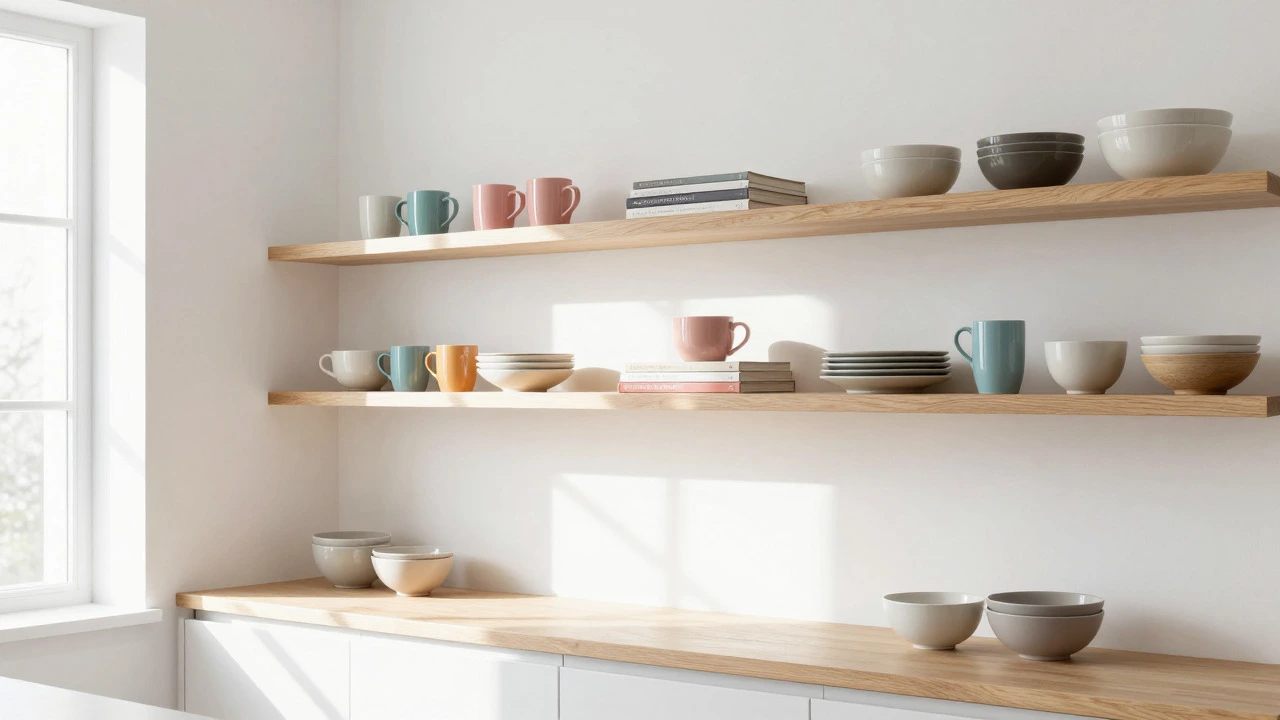
Walk into any home renovation show from five years ago, and you’d see it everywhere: exposed shelves lined with colorful mugs, perfectly stacked cookbooks, and decorative bowls. Open shelving is a storage solution that uses exposed shelves without doors or drawers to display items. It was the darling of modern kitchens and living rooms, promising an airy, curated look.
But if you’ve been scrolling through interior design feeds lately, you might have noticed a shift. The pristine, gallery-like displays are disappearing. In their place? Cabinets with doors. Closed storage. Hidden clutter. So, is open shelving going out of style? The short answer is yes, but not for the reasons you think. It’s not that we hate the look; it’s that we’re tired of the work.
The Rise and Fall of the "Curated" Look
To understand why open shelving is losing its grip, we need to look at where it came from. Around 2015-2020, the Scandinavian is a design style characterized by minimalism, functionality, and light colors aesthetic took over. White walls, light wood, and lots of negative space were the goal. Open shelves fit this perfectly because they didn’t add visual bulk like heavy cabinetry did.
Designers loved it because it allowed them to control the narrative of a room. Every item on the shelf was a prop in a carefully staged scene. But here’s the catch: real life doesn’t stay staged. You buy groceries. Kids bring home muddy shoes. You accumulate mail. Maintaining that "perfectly curated" look requires constant effort. For many homeowners, the daily chore of dusting and restyling became too much to handle.
Why Closed Storage Is Making a Comeback
In 2026, the dominant trend isn't just about aesthetics; it's about mental clarity. The concept of Visual Clutter is excessive visible objects that create a sense of chaos and stress has become a major concern in interior design. Studies in environmental psychology suggest that too many visual stimuli can increase cortisol levels. Simply put, seeing your mess stresses you out.
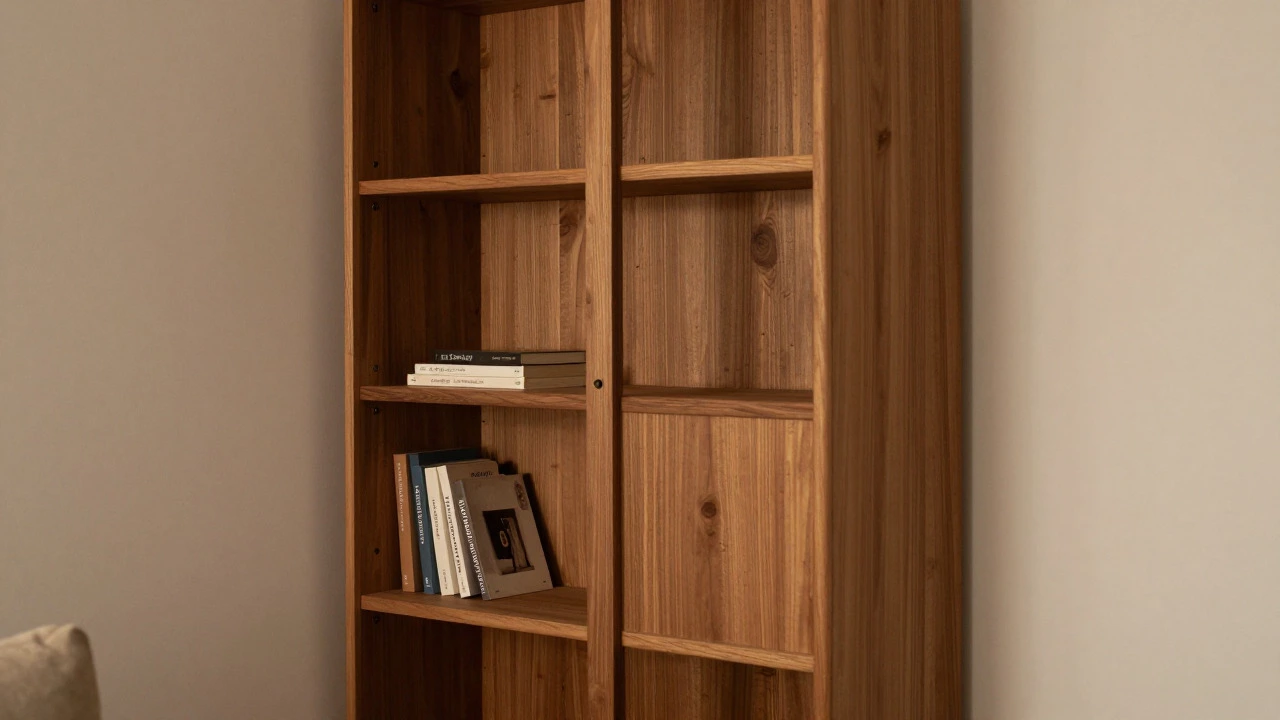
Closed storage, particularly Bookcases is furniture designed to store books and other items, often with adjustable shelves, offers a sanctuary from this chaos. When you close the door, the problem disappears. This aligns with the growing popularity of "quiet luxury" and "japandi" styles, which prioritize calmness and order over maximalist display.
- Reduced Dusting: Doors keep dust off your dishes and decor, saving hours of cleaning time per year.
- Mental Peace: Hiding everyday items like trash bags, cleaning supplies, or mismatched Tupperware reduces anxiety.
- Flexibility: You don’t have to be a professional stylist to make your kitchen look good. Just toss it in and close the door.
Open Shelving Isn't Dead-It's Just Changing
Saying open shelving is "out of style" is a bit of an exaggeration. It hasn’t vanished; it has evolved. We are moving away from wall-to-wall exposed shelves and toward intentional, limited use. Think of it as the difference between wearing a costume every day and choosing one statement piece for a special occasion.
Today, open shelving is best used for items you actually want to see. This means high-quality ceramics, beautiful glassware, or a well-curated collection of books. If your dishware is chipped, mismatched, or purely functional, it belongs behind a door. The new rule of thumb is: If it doesn’t spark joy or serve a decorative purpose, hide it.
This shift also reflects a change in how we value craftsmanship. Instead of displaying mass-produced items to fill space, people are investing in fewer, higher-quality pieces that deserve to be seen. A single open shelf featuring a stunning vase feels more luxurious than three shelves crammed with generic kitchen gadgets.
Practical Considerations for Your Home
Before you rip out your open shelves or install new cabinets, consider your lifestyle. Are you a minimalist who owns ten plates? Or do you have a family of four with a pantry full of snacks? Here’s a quick guide to help you decide.
| Feature | Open Shelving | Closed Storage (Cabinets) |
|---|---|---|
| Maintenance | High (daily styling, frequent dusting) | Low (wipe exterior occasionally) |
| Aesthetic Impact | Airier, makes small spaces feel larger | Heavier, can make rooms feel cozier or cramped |
| Cost | Generally lower (no hardware/doors) | Higher (hardware, doors, installation) |
| Best For | Display items, minimalists, renters | Families, collectors of varied items, low-maintenance lifestyles |
How to Transition Without a Full Renovation
You don’t need to demolish your kitchen to adapt to these trends. There are several ways to soften the impact of open shelving or enhance closed storage.
- Add Glass Doors: If you love the look of your dishes but hate the dust, retrofitting existing cabinets with glass-front doors is a great compromise. You get the display benefit with some protection from dust and pets.
- Use Baskets and Bins: On open shelves, use woven baskets or uniform containers to group items. This creates a sense of order and hides less attractive packaging.
- Edit Ruthlessly: Remove anything that doesn’t belong. If you have open bookcases, pull out books you haven’t read in two years. Leave empty space-it’s called negative space for a reason.
- Invest in Quality Hardware: For closed cabinets, upgrade your handles and hinges. Since the exterior is all you’ll see, beautiful brass or matte black hardware can elevate simple white cabinets significantly.
The Role of Technology in Storage Trends
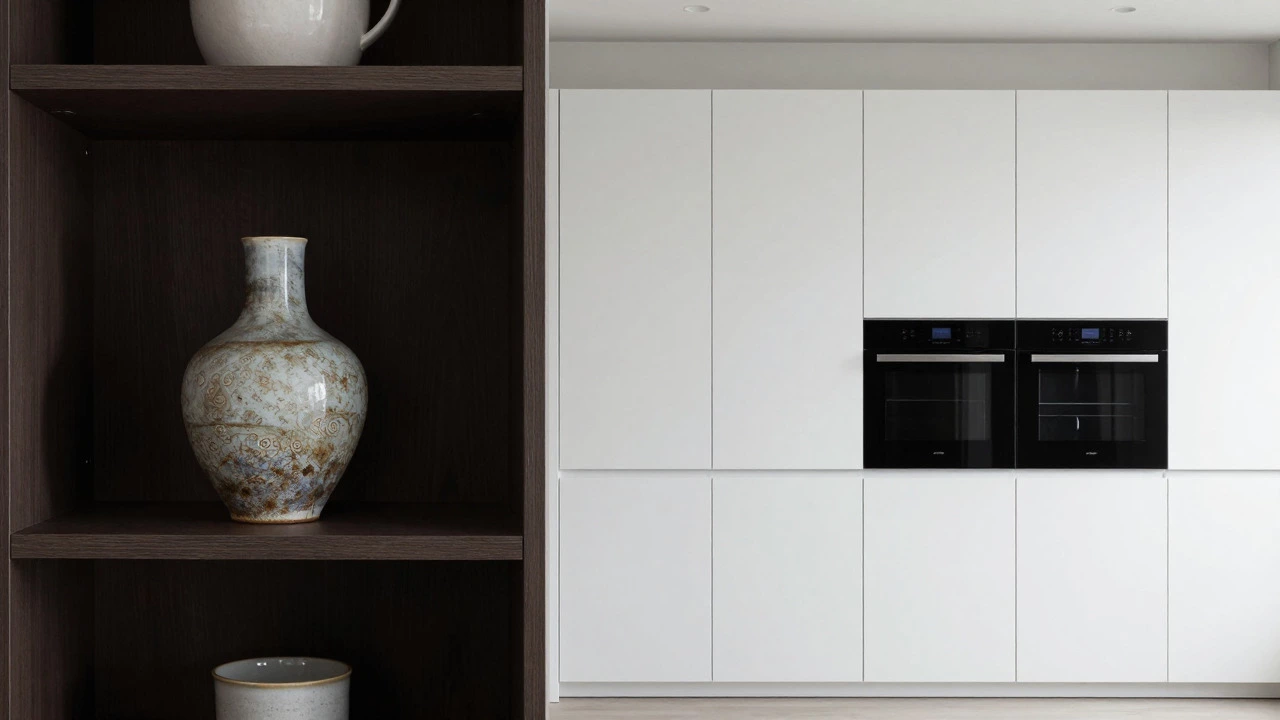
It’s also worth noting that technology is influencing our storage choices. Smart homes often feature integrated appliances that require specific cabinetry. As refrigerators and ovens become more streamlined and built-in, the surrounding storage tends to follow suit with flush, handle-less designs. This seamless look clashes with the rustic, exposed nature of traditional open shelving.
Furthermore, the rise of remote work has changed how we use our homes. Many people now use living areas as offices. A messy desk or piles of papers are no longer hidden in a separate study. Consequently, there is a greater demand for furniture that conceals work-related clutter, such as bookcases with doors or media consoles with ample hidden storage.
Final Thoughts on Your Design Choices
Trends come and go, but comfort stays. If you love open shelving and enjoy the ritual of styling your home, keep it. But if you find yourself dreading the dusting or feeling overwhelmed by the visual noise, it might be time to embrace closed storage. The best design is one that works for your life, not just for Instagram.
In 2026, the most stylish homes aren’t those with the most exposed shelves. They are the ones that feel calm, organized, and intentionally lived-in. Whether you choose open or closed, the key is intentionality. Choose storage that supports your habits, not fights against them.
Is open shelving still popular in 2026?
Open shelving is less dominant than it was in the 2010s. While not completely out of style, it is being used more selectively. Most designers now recommend using open shelves only for decorative items, while prioritizing closed storage for everyday clutter to reduce visual stress.
What is replacing open shelving in kitchens?
Closed cabinetry with soft-close doors is the primary replacement. Glass-front cabinets are also popular as a middle ground, allowing for display while protecting items from dust. Integrated appliances and handle-less cabinet designs are contributing to a cleaner, more unified look.
Are bookcases with doors better than open ones?
For most households, yes. Bookcases with doors protect books from dust and sunlight, which can fade spines. They also allow you to hide miscellaneous items that don’t match aesthetically. Open bookcases are best reserved for curated collections of hardcovers or decorative objects.
How can I make open shelving look tidy?
Edit your items down to only what you love. Use uniform containers for dry goods or utensils. Group items in odd numbers (like threes) and leave plenty of empty space between groups. Regular dusting is essential to maintain the clean look.
Does open shelving make a room look smaller?
Not necessarily. Open shelving can actually make a small room feel larger because it lacks the visual weight of bulky cabinet doors. However, if the shelves are cluttered, the effect is reversed. Proper spacing and minimalism are key to maintaining an airy feel.