
Bookshelf Selection Guide
Answer these 4 questions to find the perfect storage solution for your space.
Quick Guide: Open vs. Closed Storage
- Open Bookshelves: Best for displaying decor, easy access, and making small rooms feel larger.
- Closed Bookshelves: Best for hiding clutter, protecting books from dust, and creating a clean, minimalist look.
- Hybrid Options: A mix of both gives you the flexibility to show off a few prized items while hiding the messy paperwork.
The Visual Impact of Open Shelving
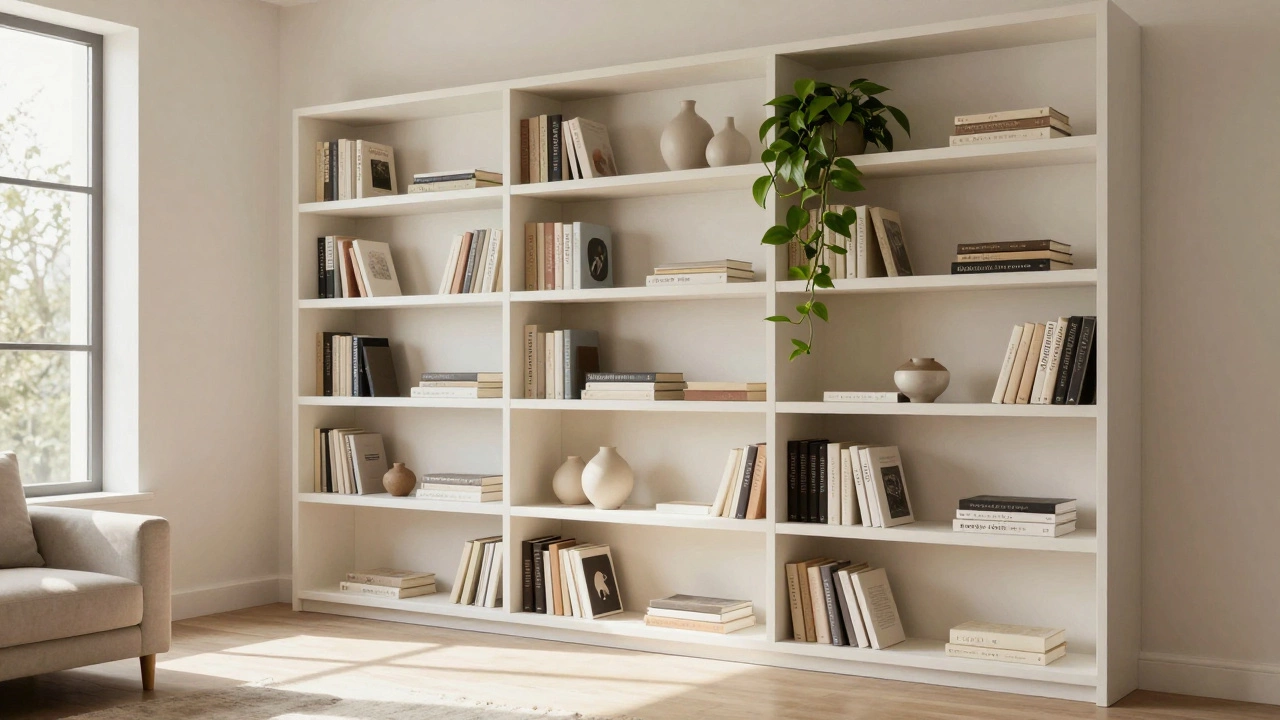
When you go with an open bookshelf is a storage unit without doors or back panels, allowing the wall behind it to be visible, you're essentially creating a gallery wall for your life. Because there are no doors to block the line of sight, these units don't 'eat' as much visual space. This is a huge win for a narrow apartment in a city like Melbourne, where every square centimeter counts. You can lean a large piece of art against the back or let a trailing plant like a Pothos hang over the edge.
However, the 'curated' look takes work. If you just jam books in regardless of size or color, it can look like a disorganized warehouse. To make it work, try the 60-40 rule: fill 60% of the space with books and leave 40% for breathing room-think vases, candles, or a few framed photos. This prevents the room from feeling claustrophobic and keeps the vibe light.
The Practicality of Closed Cabinets
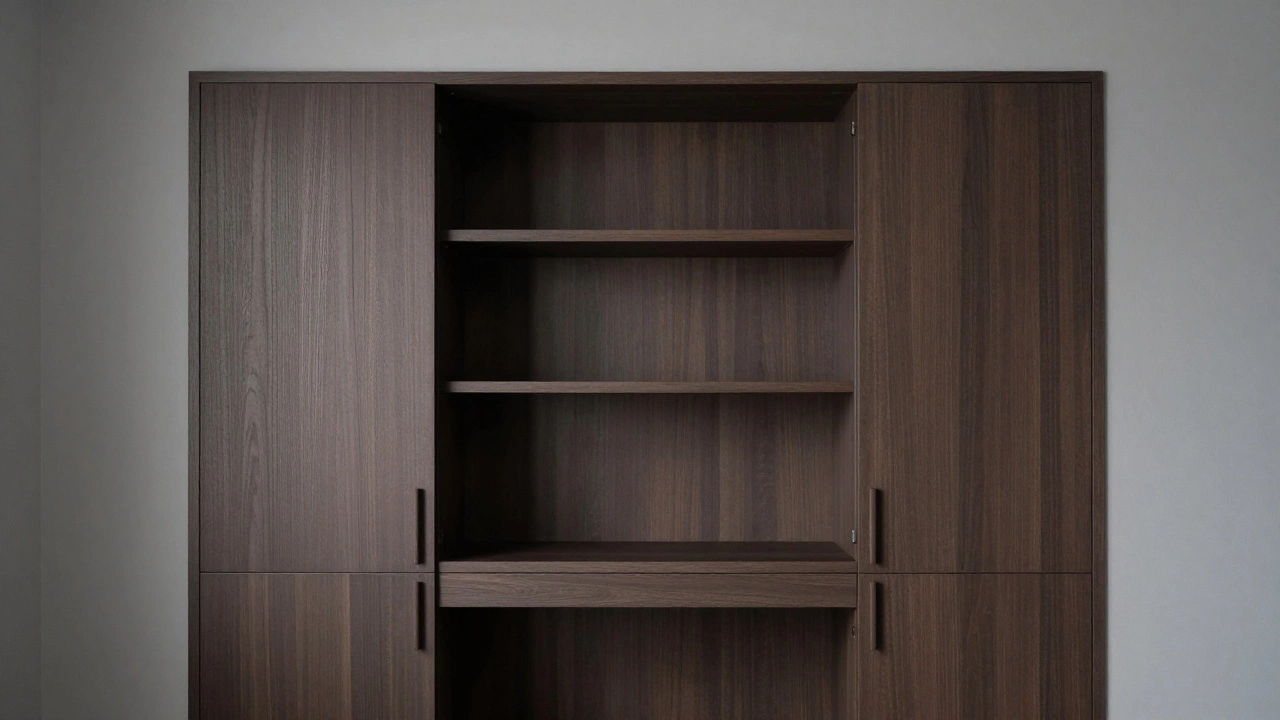
On the flip side, a closed bookshelf is a storage system featuring doors, typically sliding or hinged, that fully enclose the contents. If you have a collection of old textbooks, mismatched binders, or a hobby that involves lots of small, plastic parts, doors are your best friend. They act as a physical barrier between your mess and your guests. You can literally throw things in and shut the door, and the room instantly looks clean.
Beyond the aesthetics, there's the issue of maintenance. Dust is a relentless enemy. In an open system, every spine and surface collects a layer of grime that requires constant wiping. Closed units keep the interior pristine. For people with severe allergies or those living in dusty environments, the protection offered by glass or wood doors is a game-changer. You won't find yourself spending every Sunday morning with a microfiber cloth in hand.
Comparing the Two Side-by-Side
| Feature | Open Bookshelves | Closed Bookshelves |
|---|---|---|
| Visual Weight | Light / Airy | Heavy / Solid |
| Dust Accumulation | High | Low |
| Accessibility | Instant | Requires opening doors |
| Organization | Must be tidy to look good | Hides clutter easily |
| Cost | Generally Cheaper | Generally More Expensive |
When to Choose Which?
Deciding between the two often comes down to the room's purpose. In a living room, an open shelf can serve as a focal point. It tells a story about who you are-the books you read, the souvenirs from your travels, and your taste in art. It's a conversation starter. If you're hosting a dinner party, a guest might notice a specific title on your shelf and start a whole conversation about it.
In a home office or a bedroom, however, closed storage often wins. Why? Because these rooms tend to accumulate 'functional' clutter-receipts, charging cables, and half-finished notebooks. Seeing that mess while you're trying to sleep or focus on a project can increase your stress levels. By using cabinets, you create a mental boundary between your work and your rest.
The Hybrid Approach: The Best of Both Worlds
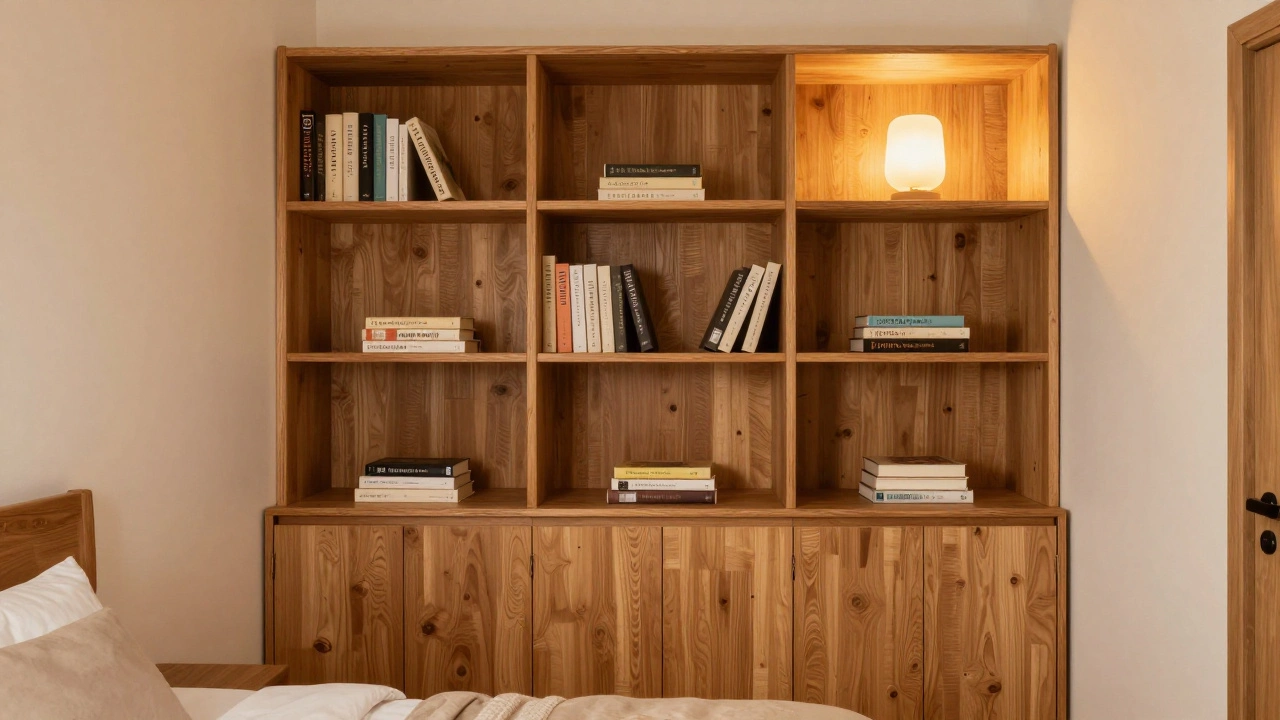
You don't actually have to pick one or the other. Many modern furniture designs use a hybrid layout. Imagine a tall unit where the bottom third consists of deep drawers or cupboards and the top two-thirds are open shelves. This is the gold standard for interior design because it follows the logic of how we use things. Heavy, ugly items (like printer paper or board game boxes) go in the bottom closed section, while your favorite novels and a nice lamp go up top.
Another trick is using modular shelving. These systems allow you to add doors or inserts as your needs change. If you start a new collection of ceramics, you might add a glass-front door to keep them safe but visible. If you decide to digitize your entire library, you can swap the open shelves for solid doors to create a sleek, wall-like appearance.
Common Pitfalls to Avoid
One mistake people make with open shelving is ignoring the weight limit. Because they lack the structural support of a full cabinet box, some cheap open shelves can sag over time, especially if you're loading them with heavy hardcover art books. Always check if the shelves are made of solid wood or particle board. Solid oak or pine will hold up much better than thin MDF.
With closed shelving, the biggest risk is the 'black hole' effect. When you can't see what's inside, it's easy to forget what you own. You end up buying a second copy of a book because you forgot the first one was tucked away behind a door. To avoid this, use internal organizers or clear bins inside your closed cabinets so you can scan the contents quickly when you open the door.
Final Verdict: Which is Truly Better?
If your priority is a breathtaking, airy room that showcases your personality, go for the open bookshelf. Just be prepared to spend a bit more time tidying and dusting. If your priority is peace of mind, low maintenance, and a clutter-free environment, the closed bookshelf is the winner. For most of us, a mix of both is the secret to a home that feels both lived-in and organized.
Do open bookshelves make a room look smaller?
Actually, they usually make a room feel larger. Because you can see the wall behind the shelves and there are no bulky doors to block the view, the space feels more open. However, if the shelves are crammed full of books with no gaps, they can start to feel overwhelming and oppressive.
How do I stop my open shelves from looking messy?
Use the 'triangle method' for decor. Place a decorative object on the top left, middle right, and bottom left of your shelving unit. This leads the eye across the space naturally. Also, group books by color or size to create a more cohesive look, and leave some 'negative space' so the shelves don't look like they're bursting.
Are glass doors a good middle ground?
Yes, glass doors are a fantastic compromise. They provide the dust protection and clutter-containment of a closed bookshelf while still allowing you to display your books and decor. They are particularly great for valuable collections or rare books that you don't want people touching but still want to see.
Which is more expensive to buy?
Generally, closed bookshelves are more expensive. This is because they require more materials (the doors, hinges, and handles) and more labor to assemble. Open shelving is simpler and cheaper to produce, making it a more budget-friendly option for students or those furnishing a first apartment.
How often should I dust open bookshelves?
Depending on your environment, a quick wipe once every two weeks is usually enough to keep things looking fresh. If you live near a busy road or have pets that kick up fur, you might need to do it weekly. Using a vacuum with a brush attachment is the fastest way to clear the tops of books without pushing dust deeper into the shelf.