
Outdoor Furniture Durability Estimator
Configure Your Setup
Select your options and click "Estimate Lifespan" to see results.
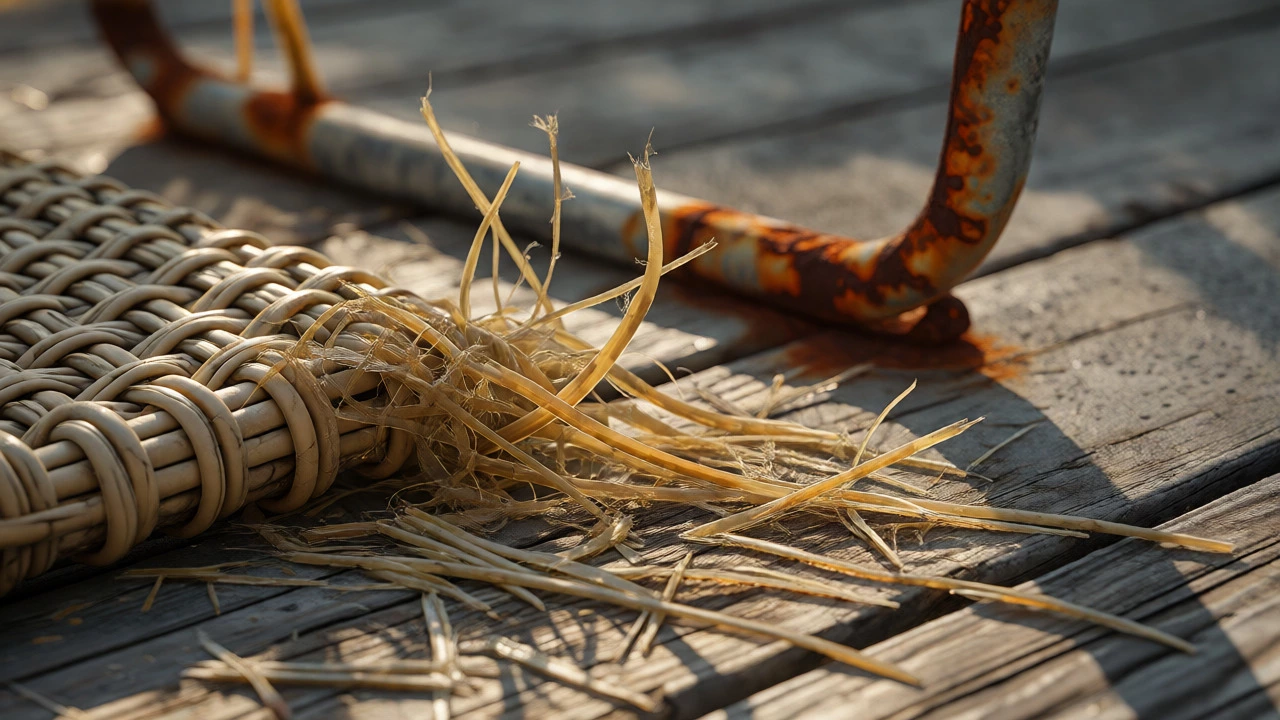
You’ve probably been there. You buy a beautiful rattan set in spring, enjoy it for two summers, and by the third autumn, you’re sweeping up brittle strands of synthetic wicker that have turned into confetti because the sun decided to take a personal vendetta against your polymer chains. Or maybe you bought that cheap steel frame from the hardware store, only to watch orange rust bloom across the legs like a slow-motion infection until one day, someone sits down too hard and the chair simply gives up.
Here is the uncomfortable truth about indestructible outdoor furniture: nothing lasts forever if you ignore physics, but some materials come dangerously close to immortality. If you want furniture that survives hailstorms, UV radiation, salt spray, and the occasional clumsy guest, you need to stop looking at style first and start looking at material science. As someone living in Melbourne, where we can experience four seasons in an afternoon, I’ve seen more patio disasters than I care to admit. The solution isn’t magic; it’s choosing materials that don’t care about the weather.
The Reality Check: What Does "Indestructible" Actually Mean?
Let’s be clear: no piece of furniture is truly indestructible. Even granite erodes over millennia. When shoppers search for "indestructible," what they really mean is low-maintenance resilience. They want items that won’t rot, rust, fade, or snap under normal residential use for at least ten years without constant babysitting.
To find this, you have to understand the three killers of outdoor gear:
- UV Radiation: Breaks down chemical bonds in plastics and finishes, causing brittleness and fading.
- Moisture & Oxidation: Water gets into pores, freezes (expanding), or reacts with metal to create rust.
- Thermal Shock: Rapid temperature changes cause expansion and contraction, leading to cracks in rigid materials.
If a material resists all three, you’ve found your winner. Spoiler alert: it’s rarely wood, and it’s definitely not cheap iron.
Top Contender 1: Powder-Coated Aluminum
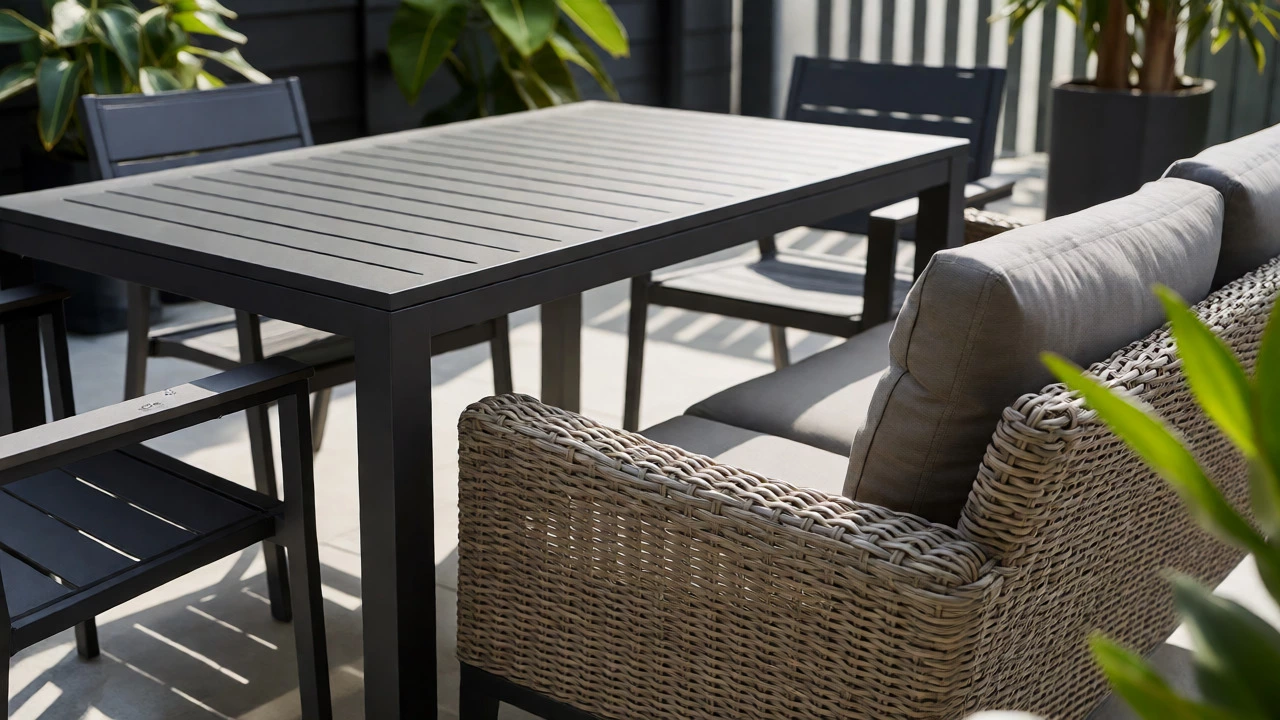
If you ask any landscape architect what the safest bet is for longevity, they’ll likely say Aluminum is a lightweight, non-ferrous metal that naturally resists corrosion and does not require painting to prevent rust. Unlike steel, which contains iron and loves to oxidize, aluminum forms its own protective oxide layer when exposed to air. This means even if you scratch it, it doesn’t rust through.
But not all aluminum is created equal. Look for powder-coated aluminum. This isn’t just paint sprayed on; it’s a dry powder applied electrostatically and then baked onto the metal surface. This creates a shell that is chemically bonded to the metal, making it incredibly resistant to chipping, scratching, and UV fading. In coastal areas like St Kilda or Brighton here in Melbourne, where salt air eats everything, powder-coated aluminum is often the only thing that survives long-term without turning into a brown mess.
Why it wins:
It’s light enough to move when a storm hits, strong enough to hold adults, and immune to the rust cycle. Just avoid thin-gauge aluminum used in ultra-cheap kits; look for cast aluminum frames, which are thicker and heavier.
Top Contender 2: High-Density Polyethylene (HDPE) Wicker
Remember those fake rattan chairs? Most were made from PVC or low-grade vinyl. They cracked within two years. Enter High-Density Polyethylene (HDPE) is a thermoplastic polymer known for its high strength-to-density ratio and resistance to moisture and chemicals. This is the gold standard for synthetic wicker today.
HDPE is the same material used in milk jugs and cutting boards, but engineered for outdoor exposure. It has built-in UV inhibitors that absorb sunlight rather than letting it degrade the plastic structure. While cheaper wickers might last three years, high-quality HDPE can withstand 10-15 years of direct sun before showing significant color shift. And unlike natural rattan, it doesn’t absorb water, so mold and mildew have nowhere to hide.
The catch: The frame underneath matters. If you buy HDPE wicker wrapped around a steel tube, the steel will still rust inside the weave. Always check that the internal frame is also aluminum or stainless steel. Otherwise, you’re just decorating a ticking time bomb.
Top Contender 3: Teak Wood (With Caveats)
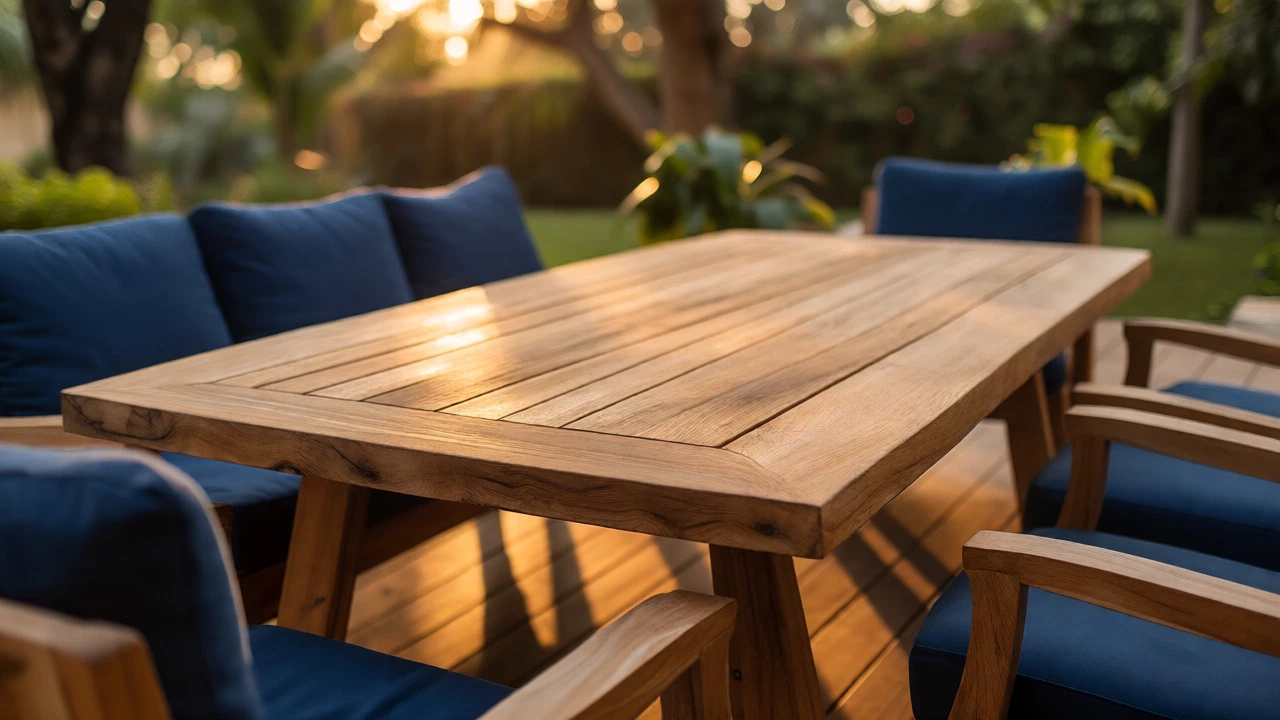
Wood feels warm and inviting, but most woods rot. Teak is a tropical hardwood prized for its durability, water resistance, and high oil content. Why? Because teak is dense and packed with natural oils and rubber. These compounds repel water and insects naturally. You can leave a teak table outside for decades without sealing it. It will turn silver-gray due to oxidation, but structurally, it remains solid.
However, calling teak "indestructible" requires honesty. It’s expensive-often $1,500+ for a small dining set. Also, while the wood itself is tough, the joints can loosen over time as the wood expands and contracts. Plus, sourcing ethical teak is tricky; ensure it’s FSC-certified to avoid contributing to deforestation in Southeast Asia.
Pro Tip: If you hate the gray patina, you must oil it every six months. That’s not indestructible maintenance. If you love the weathered look, teak is virtually maintenance-free.
Comparison: Which Material Survives Best?
Choosing the right material depends on your local climate and how much effort you’re willing to put in. Here’s a breakdown of the top contenders based on real-world performance metrics.
| Material | Lifespan (Years) | Maintenance Level | Rust/Rot Risk | Best For |
|---|---|---|---|---|
| Powder-Coated Aluminum | 15-20+ | Low (Wipe clean) | None | Coastal areas, busy families |
| HDPE Wicker | 10-15 | Low (Hose down) | None (if frame is Alu) | Aesthetic appeal, comfort |
| Teak Wood | 20-50+ | Medium (Optional oiling) | Very Low | Traditional looks, luxury feel |
| Stainless Steel (316 Grade) | 20+ | Low | Low (in marine grade) | Modern industrial styles |
| Recycled Plastic Lumber | 20+ | Very Low | None | Poolside, high humidity |
| Cheap Iron/Steel | 2-5 | High (Rust removal) | High | Budget-conscious, covered patios |
The Hidden Killer: Cushions and Fabric
You can buy an unbreakable aluminum frame, but if your cushions disintegrate in one summer, the whole set looks ruined. Fabric is usually the weak link. Standard polyester fades fast and holds moisture, leading to mold smells.
Look for Sunbrella is a brand of acrylic fabric designed for outdoor use, featuring fade-resistant dyes and quick-drying properties. or similar solution-dyed acrylic fabrics. Unlike traditional fabrics where dye is added after weaving, solution-dyed acrylic has the color locked into the fiber itself. This makes it incredibly resistant to fading. It’s also breathable, meaning sweat evaporates instead of soaking in, and it dries quickly after rain.
Check the foam core, too. Quick-dry foam (open-cell) allows water to pass through rather than trapping it. Closed-cell foam acts like a sponge, staying wet for days and eventually growing black spots of mold. If you live in a rainy climate, quick-dry foam is non-negotiable.
Design Features That Boost Durability
Materials aren’t the only factor. How the furniture is built matters just as much. Here are specific design elements that signal longevity:
- Drainage Holes: Any flat surface (like a chair seat) needs holes. If water pools, it breeds algae and accelerates wear. Aluminum chairs should have perforations.
- Non-Skid Feet: Hard feet scratch your deck and transmit vibration. Look for rubber or nylon caps. They protect the floor and reduce noise.
- Modular Construction: If one part breaks, can you replace it? Modular sets allow you to swap out a broken armrest without throwing away the whole sofa.
- Smooth Welds: Inspect the joints. Rough welds trap dirt and moisture, creating starting points for corrosion. Smooth, continuous welds indicate higher manufacturing standards.
What to Avoid: The False Promises
Not everything marketed as "outdoor" belongs outdoors. Be wary of these common traps:
Wrought Iron: It’s heavy and pretty, but unless it’s galvanized and powder-coated perfectly, it will rust. Once rust starts, it spreads under the paint, popping it off like blisters. In humid climates, wrought iron is a nightmare.
Resin Rattan (PVC): Often sold as "all-weather," cheap resin rattan becomes brittle in cold weather and sticky in heat. It snaps easily. If you squeeze a strand and it feels hollow or plasticky rather than flexible, walk away.
Eucalyptus or Acacia Wood: These are cheaper alternatives to teak. They contain fewer natural oils, meaning they need frequent sealing. Skip them if you want true low-maintenance durability. They warp and crack faster than teak.
How to Maximize Lifespan Regardless of Material
Even the toughest furniture benefits from basic care. You don’t need to baby it, but ignoring it completely shortens its life.
- Cover It During Storms: Wind can throw lighter aluminum chairs into fences. Covers also block UV rays during peak summer, extending fabric life by years.
- Store Cushions Indoors: Unless you have a waterproof storage box, bring pillows inside at night. Dew accumulates daily, and constant dampness degrades stitching and foam.
- Clean Regularly: Dirt holds moisture against surfaces. Hose down aluminum and plastic monthly. Use mild soap for fabrics. Never use bleach on acrylic-it strips the color.
- Inspect Fasteners: Screws and bolts loosen over time due to vibration and thermal expansion. Tighten them twice a year to prevent wobbling, which stresses joints.
Final Verdict: What Should You Buy?
If you want the absolute closest thing to indestructible outdoor furniture, go with cast aluminum frames paired with HDPE wicker and Sunbrella cushions. This combination offers the best balance of structural integrity, aesthetic warmth, and weather resistance. It handles rain, sun, and salt air without demanding weekly maintenance.
If budget is less of a concern and you prefer a natural look, solid teak is unbeatable for lifespan, provided you accept the silver-gray aging process. For poolside areas where chlorine and splashes are constant, recycled plastic lumber is surprisingly robust and impervious to chemicals.
Stop buying furniture that expects you to work for it. Invest in materials that respect your time. Your future self, sitting comfortably on a chair that hasn’t changed shape in a decade, will thank you.
Does aluminum furniture get hot in the sun?
Yes, bare aluminum conducts heat efficiently, so seats can become uncomfortably hot in direct midday sun. However, using slatted designs or adding quick-dry cushions significantly mitigates this issue. Darker colors absorb more heat than lighter ones, so choose light grays or whites if you live in a very hot climate.
Is HDPE wicker safe for pets?
Generally, yes. HDPE is non-toxic and doesn’t splinter like wood or glass. However, curious dogs might chew on loose strands. Ensure the weave is tight and secure. If your pet is a heavy chewer, consider solid plastic or metal furniture instead, as they can pull apart woven materials over time.
Can I leave outdoor furniture out in winter?
In mild climates like much of Australia, yes. In regions with freezing temperatures, moisture trapped in crevices can freeze and expand, cracking plastic or loosening joints. If you experience hard freezes, it’s safer to store furniture indoors or cover it tightly with a breathable, waterproof cover to prevent ice buildup.
How do I remove mold from outdoor cushions?
For acrylic fabrics like Sunbrella, mix a solution of mild soap and water. Scrub gently with a soft brush. For stubborn mold, use a diluted bleach solution (1 cup bleach per gallon of water), but rinse thoroughly afterward. Always test a small hidden area first. Let the cushions air dry completely before putting them back on the furniture to prevent recurrence.
Is recycled plastic furniture ugly?
Early versions were bright primary colors and looked toy-like. Modern recycled plastic lumber comes in realistic wood-grain textures and neutral earth tones. While it may lack the organic grain variation of real wood, high-end options are visually indistinguishable from a distance and offer superior durability in wet environments.