
Wardrobe Synonym Selector
Select the characteristics of your storage unit below to find the most accurate and professional term to use.
Recommended Term:
You’re standing in a showroom or scrolling through an online catalog, and the word wardrobe pops up. It’s a solid word, sure. But maybe you want something that sounds more upscale, or perhaps you’re trying to describe a specific type of storage unit that doesn’t quite fit the traditional definition. Or maybe you just hate repeating the same word in your home decor blog post. Whatever the reason, knowing what words can replace "wardrobe" is surprisingly useful.
Here’s the thing: not all synonyms are created equal. In Australia, we use "wardrobe" heavily, but in the US, they say "closet." In Europe, you might hear "armoire" or "cupboard." Using the wrong term can make your description feel off-target. If you’re buying a freestanding piece, calling it a "built-in" confuses everyone. If you’re describing a walk-in space, calling it a "chest" is just plain wrong.
This guide breaks down the best alternatives to "wardrobe," when to use them, and why some terms carry different weight depending on where you live and what kind of storage you actually have. No fluff, just clear distinctions so you never mislabel your storage again.
The Big Divide: Wardrobe vs. Closet
If you’ve ever shopped for furniture internationally, you’ve likely hit this wall. The difference between a wardrobe and a closet isn’t just linguistic; it’s structural.
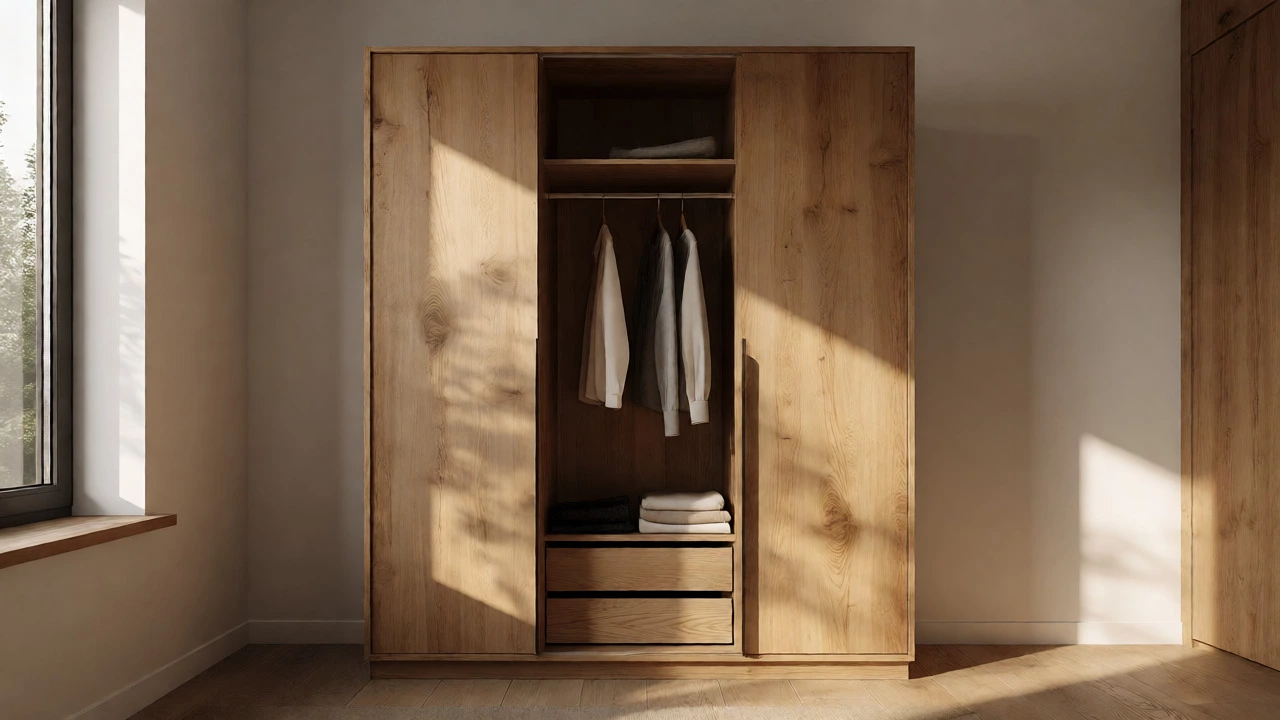
In most Australian and British English contexts, a wardrobe refers specifically to a freestanding piece of furniture with doors, shelves, and hanging rails. You buy it at IKEA or Harvey Norman, assemble it (or pay someone to), and place it against a wall. It moves if you move house.
A closet, particularly in American English, usually implies a recessed space within the wall structure itself. It’s part of the building. You don’t buy a closet; you build one or renovate a room to include one. However, language drifts. Many Americans now use "closet" to refer to any storage space for clothes, even freestanding ones. But if you’re writing for a design-savvy audience, keep the distinction sharp.
- Use "Wardrobe" when: The item is movable, freestanding, and purchased as a standalone unit.
- Use "Closet" when: The storage is integrated into the architecture, such as a reach-in or walk-in space behind a door frame.
Armoire: The Fancy Cousin
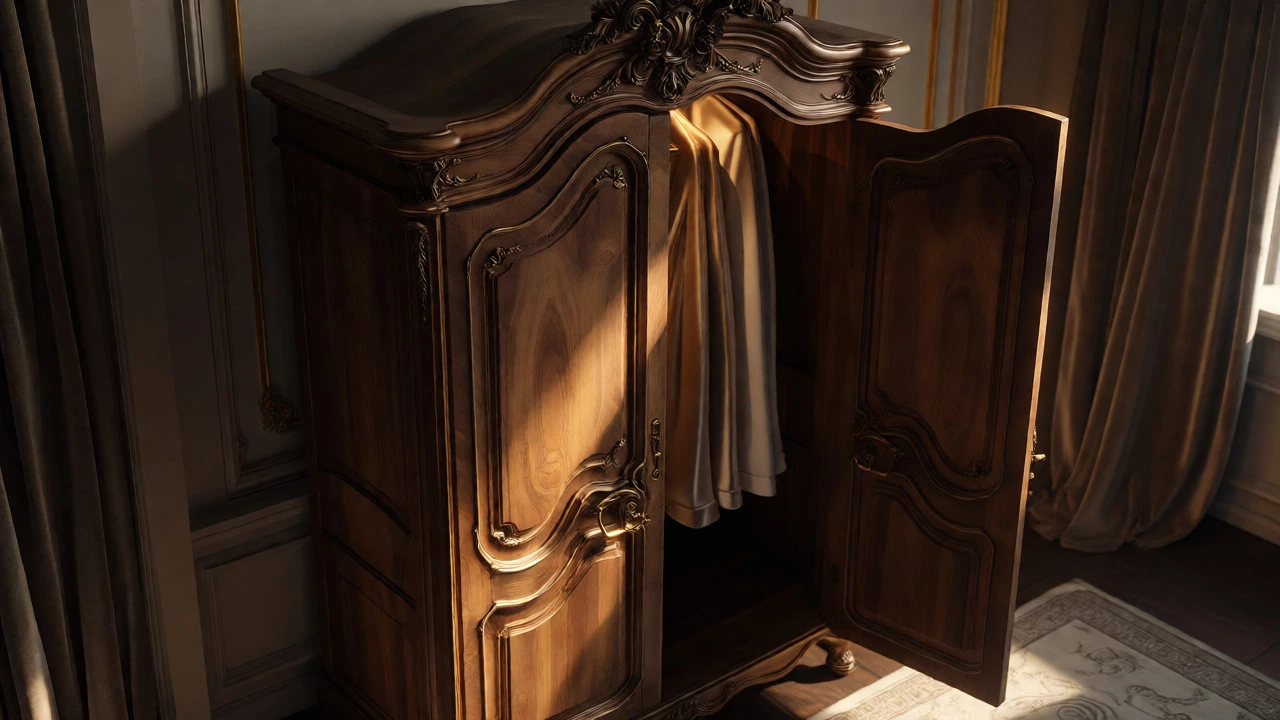
Want to sound sophisticated? Swap "wardrobe" for armoire. This French-derived term typically describes a tall, ornate cabinet used for storing clothes. Historically, these were made of heavy wood like oak or walnut, often featuring intricate carvings or decorative hardware.
Today, "armoire" is less about historical accuracy and more about aesthetic signaling. If you’re selling a vintage-style wooden cabinet with curved legs and brass handles, call it an armoire. It suggests craftsmanship and permanence. A modern, flat-pack particleboard unit from a big-box store? Calling that an armoire feels pretentious. Stick to "wardrobe" or "storage cabinet" there.
| Term | Typical Material | Mobility | Best Context |
|---|---|---|---|
| Wardrobe | Mixed (Wood, MDF, Metal) | Freestanding | General Australian/British usage |
| Closet | N/A (Architectural) | Built-in | US English, recessed spaces |
| Armoire | Solid Wood, Veneer | Freestanding | Vintage, luxury, or antique styles |
| Cupboard | Any | Freestanding or Built-in | General storage, kitchen-adjacent |
| Press | Wood, Plywood | Freestanding | Retro, mid-century modern interiors |
Cupboard and Press: Functional Terms
Let’s talk about cupboards. In many parts of the world, including Australia, a cupboard is simply a closed storage unit with shelves. While it’s often associated with kitchens, bedroom cupboards are common. They lack the specialized hanging rails of a dedicated wardrobe. If your unit is mostly shelves with a single rail, "cupboard" is accurate. It’s humble, functional, and unpretentious.
Then there’s the press. If you grew up in Melbourne or Sydney in the 80s or 90s, you might remember your parents calling their linen or clothing storage a "linen press" or "clothes press." These are typically smaller, waist-high or chest-high units. They don’t go floor-to-ceiling. Using "press" evokes a sense of nostalgia and domesticity. It’s perfect for describing compact storage solutions in small apartments or guest rooms.
Specialized Variations: Walk-ins and Sliding Doors
Sometimes, replacing "wardrobe" requires adding detail rather than swapping the noun entirely. Describing the mechanism or layout helps buyers visualize the product better than a generic synonym would.
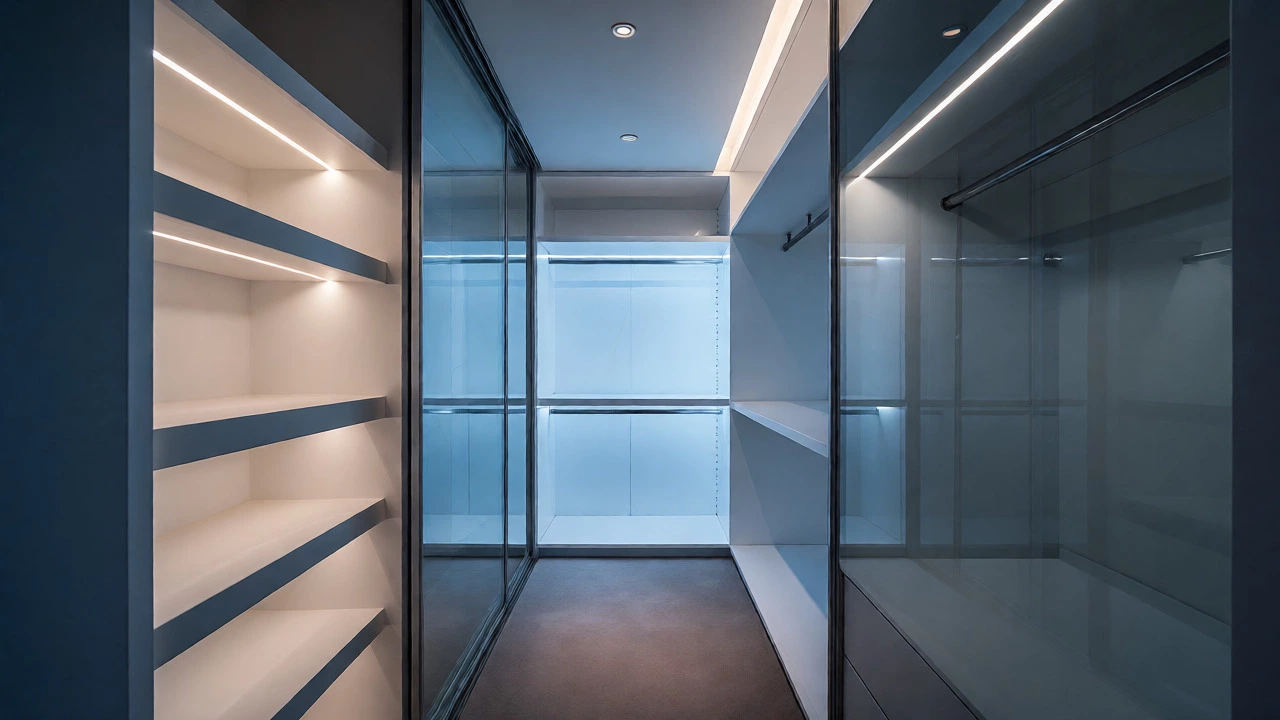
Consider walk-in wardrobes. This isn’t just a bigger wardrobe; it’s a room you enter. Calling it a "large wardrobe" undersells the experience. Similarly, sliding-door wardrobes solve space issues in narrow hallways. If you’re writing product descriptions, highlighting the door type is more valuable than finding a fancy synonym.
Another niche term is chifferobe (or chiffonier). This combines a dresser (drawers) with a wardrobe (hanging space). It’s rare in modern mass-market furniture but appears in antique listings. If you’re sourcing vintage pieces, using "chifferobe" signals expertise. For modern retail, stick to "combination unit" or "dresser-wardrobe combo."