
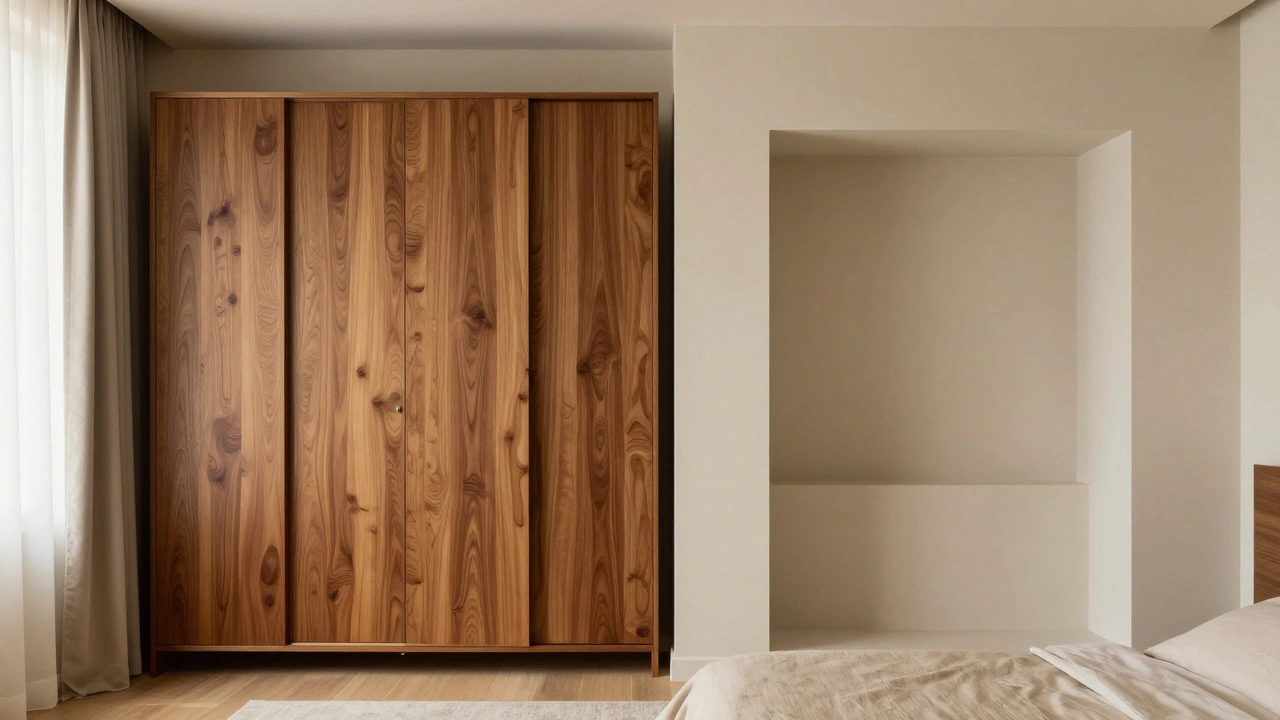
Wardrobe vs Closet: Storage & Cost Calculator
Ever stood in a room staring at your clothes and wondered why some people have built-in walls for their shirts while others drag around heavy wooden boxes? You aren't alone. The confusion between a wardrobe is a freestanding or semi-permanent piece of furniture designed for storing clothing, typically featuring hanging rails, shelves, and drawers within an enclosed cabinet structure and a closet is a fixed architectural space or alcove within a building's structure, often lined with shelving and rods, used for storing clothes, linens, or household items is real. It’s not just semantics; it changes how you buy furniture, renovate your home, and even what you pay for rent.
In Melbourne, where apartment living is common, this distinction hits hard. You might be renting a unit that advertises "built-in wardrobes," but when you arrive, you find empty alcoves. Or you might be buying a house with "walk-in closets" that are actually just large rooms. Knowing the difference saves you money, stress, and a lot of awkward conversations with landlords.
The Core Difference: Furniture vs. Architecture
Let’s get the basics out of the way. A wardrobe is a piece of furniture. You can buy it from a store, assemble it yourself, or have a carpenter build it. It sits on the floor. If you move house, you can take it with you (if it fits through the door). A closet, on the other hand, is part of the building. It’s carved out of the wall space. You can’t pick it up and move it. If you sell the house, the closet stays.
This fundamental difference drives everything else about them. Because a wardrobe is movable, it offers flexibility. You can place it against any wall, move it to a different room, or replace it when it breaks. A closet is permanent. Its location is fixed by the architect. You work with what you have, which means customization is key if the original design doesn’t suit your needs.
| Feature | Wardrobe | Closet |
|---|---|---|
| Type | Furniture / Movable | Architectural / Fixed |
| Installation | Assembly required; no construction | Built during home construction |
| Customization | Buy pre-made or custom-built units | Requires carpentry or modular systems |
| Space Efficiency | Takes up floor space; adds bulk | Utilizes dead wall space; flush fit |
| Cost | $500 - $3,000+ depending on quality | $1,500 - $5,000+ for fitting out |
| Mobility | Highly portable | Immobile |
Understanding Wardrobes: The Flexible Storage Solution
A wardrobe is essentially a large cabinet. Traditionally, they were massive, ornate pieces of wood passed down through generations. Today, they come in many forms. You have the classic two-door standing wardrobe, the sliding door wardrobe that saves swing space, and the open wardrobe or armoire style. In modern apartments, especially in cities like Melbourne, Sydney, or London, you’ll often see "modular wardrobes." These are systems of boxes and rails that snap together, allowing you to configure the interior to your height and habits.
The biggest advantage of a wardrobe is control. You decide exactly what goes inside. Need more shoe racks? Buy one. Want a jewelry drawer? Add it. If you hate the layout, you can swap the shelves. With a wardrobe, you aren’t stuck with a rail placed too high for your short stature or shelves spaced too far apart for your jeans. You also get privacy. Most wardrobes have doors-swing or slide-that hide your clothes from view. This keeps dust off and makes the room look tidier, even if your laundry pile is growing.
However, wardrobes have downsides. They take up valuable floor space. In a small bedroom, a double-door wardrobe can dominate the room, making it feel cramped. They also require maintenance. Hinges break, sliders jam, and wood can warp in humid climates. Plus, if you’re renting, you need permission to install anything that screws into the wall, and moving a heavy wardrobe is a nightmare without professional help.
Understanding Closets: The Built-In Advantage
A closet is a dedicated storage area integrated into the home’s structure. Think of the recessed space behind bi-fold doors in a standard bedroom, or the walk-in room connected to a master suite. Closets are defined by their permanence. They don’t add visual clutter because they blend into the wall. When the doors are closed, you just see a flat surface, which makes rooms appear larger and more open.
The main benefit of a closet is space efficiency. Since it uses vertical wall space that would otherwise be empty, it frees up the floor for beds, desks, or exercise equipment. This is crucial in smaller homes where every square meter counts. Closets also tend to be more durable. There are no moving parts like hinges or tracks to wear out. The structure is as solid as the house itself.
But here’s the catch: most new closets come empty. They are just shells. To make them functional, you need to add shelving, rods, and drawers. This process, called "fitting out," can be expensive and requires precise measurements. If you buy a home with an unfinished closet, you’re looking at a project. Furthermore, closets are rigid. You can’t move a rod if you’re too short to reach it easily. You can’t expand a closet if you run out of space unless you knock down a wall, which is a major renovation.
Walk-In Closets vs. Large Wardrobes: Which Feels Bigger?
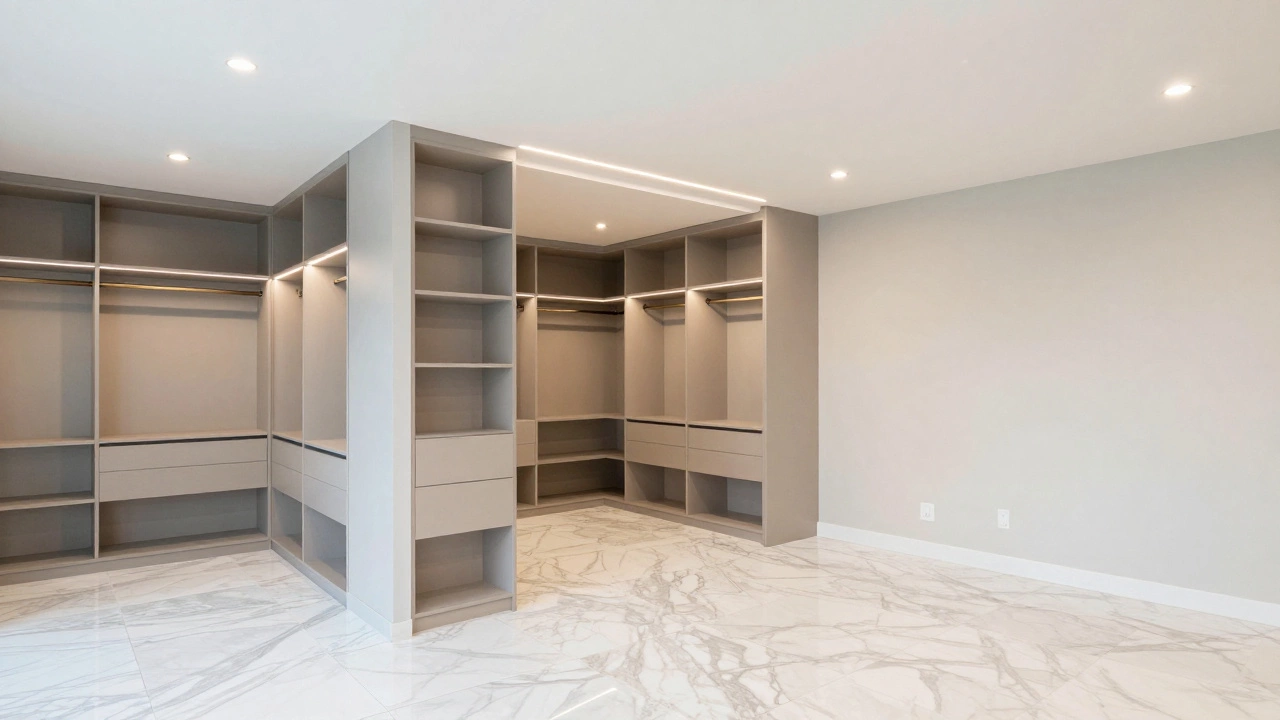
People often confuse size with type. A walk-in closet is still a closet-it’s just a large one. A large wardrobe is still a piece of furniture. But the experience differs. A walk-in closet feels luxurious because you step inside it. You can organize clothes on both sides, perhaps even add a bench or a mirror. It becomes a dressing room. A large wardrobe, even a double-wide one, remains an object you approach. You open the doors and reach in.
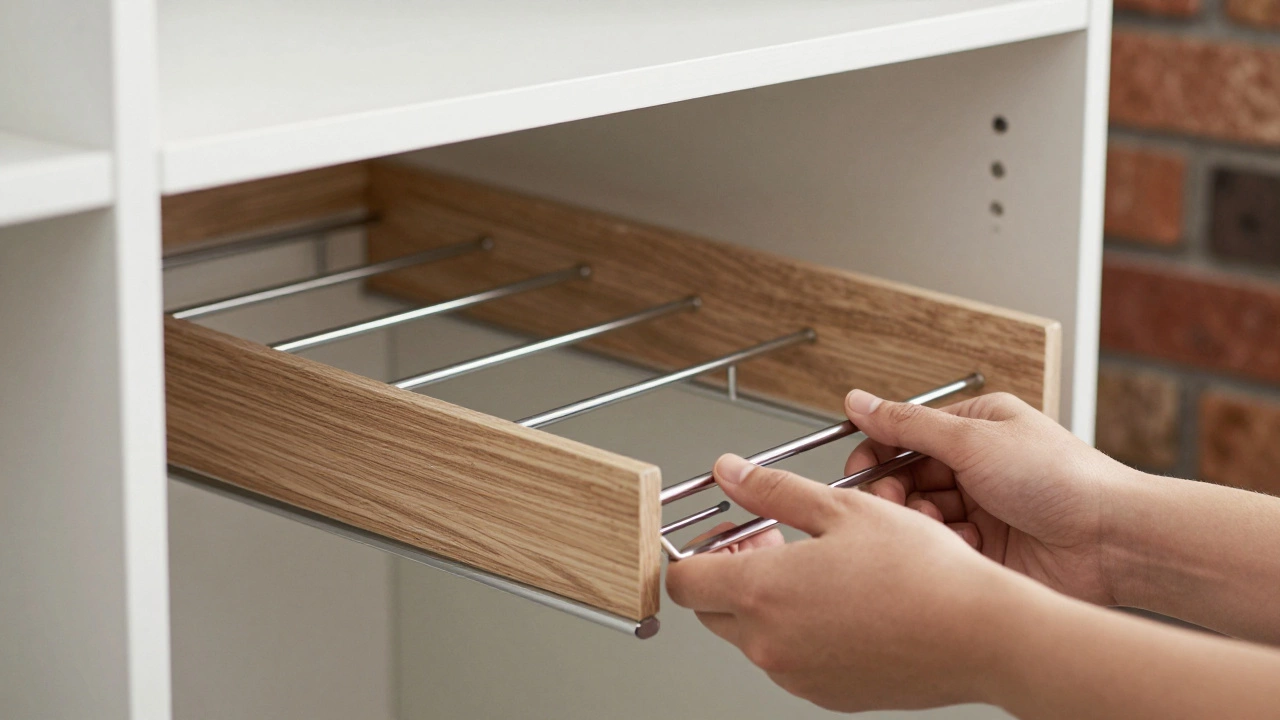
In terms of capacity, a well-designed walk-in closet usually holds more than a standard wardrobe because it utilizes depth and width more effectively. However, a custom-built wardrobe system can mimic a walk-in closet by being open-fronted and spanning an entire wall. The key is accessibility. In a walk-in closet, you can see everything at once. In a deep wardrobe, items at the back can get lost unless you use pull-out baskets or organizers.
Cost and Installation: What Should You Budget?
If you’re starting from scratch, cost is a major factor. Buying a ready-made wardrobe from a retailer like IKEA or a local furniture store can range from $500 to $2,000. Custom-built wardrobes from a joiner can cost $3,000 to $8,000 or more, depending on materials and complexity. Installation is usually quick-often done in a day or two-and doesn’t involve structural changes.
Fitting out a closet is different. If you’re buying a home with an empty closet shell, you’ll need to hire a carpenter or buy a modular closet system. A basic DIY kit might cost $800-$1,500. Professional installation with custom hardwood shelves and lighting can push the price to $4,000+. Remember, closets are fixed assets. Their value adds to your home’s resale price. Wardrobes are personal property. They don’t increase your home’s value, though high-end custom joinery might appeal to buyers.
Choosing the Right Option for Your Home
So, which one do you choose? It depends on your lifestyle, your home, and your budget. If you’re renting, a wardrobe is your best friend. You can take it with you when you move. If you own a home and want to maximize space, a fitted closet is superior. It looks cleaner and uses space better. If you have a small room, avoid bulky wardrobes; opt for slimline models or use the existing closet space efficiently.
Consider your climate too. In humid areas like coastal Melbourne, enclosed wardrobes can trap moisture if not ventilated properly, leading to mold. Closets, being part of the house, often share the room’s ventilation, which can be better or worse depending on the room’s airflow. Always ensure good air circulation regardless of your choice.
Finally, think about aesthetics. Do you prefer the look of exposed wood and fabric, or do you want a seamless, minimalist wall? Wardrobes add character and texture. Closets offer simplicity and calm. There’s no right answer, only what works for you.
Pro Tips for Maximizing Storage
- Use Vertical Space: Whether in a wardrobe or closet, install shelves near the top for items you rarely use. Keep daily wear at eye level.
- Invest in Organizers: Pull-out baskets, shoe racks, and tie hangers transform chaotic spaces into orderly ones. They work in both wardrobes and closets.
- Declutter Regularly: No amount of storage fixes hoarding. Review your clothes seasonally. Donate what you haven’t worn in a year.
- Lighting Matters: Install LED strip lights inside your wardrobe or closet. It’s cheaper than rewiring and makes finding clothes easier.
- Measure Twice: Before buying a wardrobe, measure your doorway and hallway. Many large wardrobes won’t fit through standard doors. For closets, measure the exact dimensions before ordering shelves.
Can I convert a wardrobe into a closet?
Not really. A wardrobe is furniture, so you can remove its doors and back panel to make it look more open, but it will still sit on the floor and take up space. You can’t turn it into a true architectural closet without major construction work to recess it into the wall.
Are closets better for resale value?
Yes. Built-in closets are considered fixtures and add to the perceived value of a home. Buyers expect certain standards of storage. High-quality, fitted closets signal a well-maintained home. Freestanding wardrobes are not included in the sale unless specified.
What is the best material for a wardrobe?
Solid wood is durable and lasts decades but is expensive. Medium-density fiberboard (MDF) is cheaper and smooth but can swell in humidity. Particle board is the most affordable option but less sturdy. For humid climates, consider moisture-resistant MDF or treated timber.
Do I need a carpenter to fit out a closet?
Not necessarily. Modular closet systems allow DIY installation with basic tools. However, for custom shelves, drawers, or complex layouts, a professional carpenter ensures precision and durability, preventing wobbly shelves and misaligned doors.
Which takes up less space: a wardrobe or a closet?
A closet takes up less usable floor space because it is recessed into the wall. A wardrobe protrudes into the room, reducing walking area. In small bedrooms, closets are generally more space-efficient.