
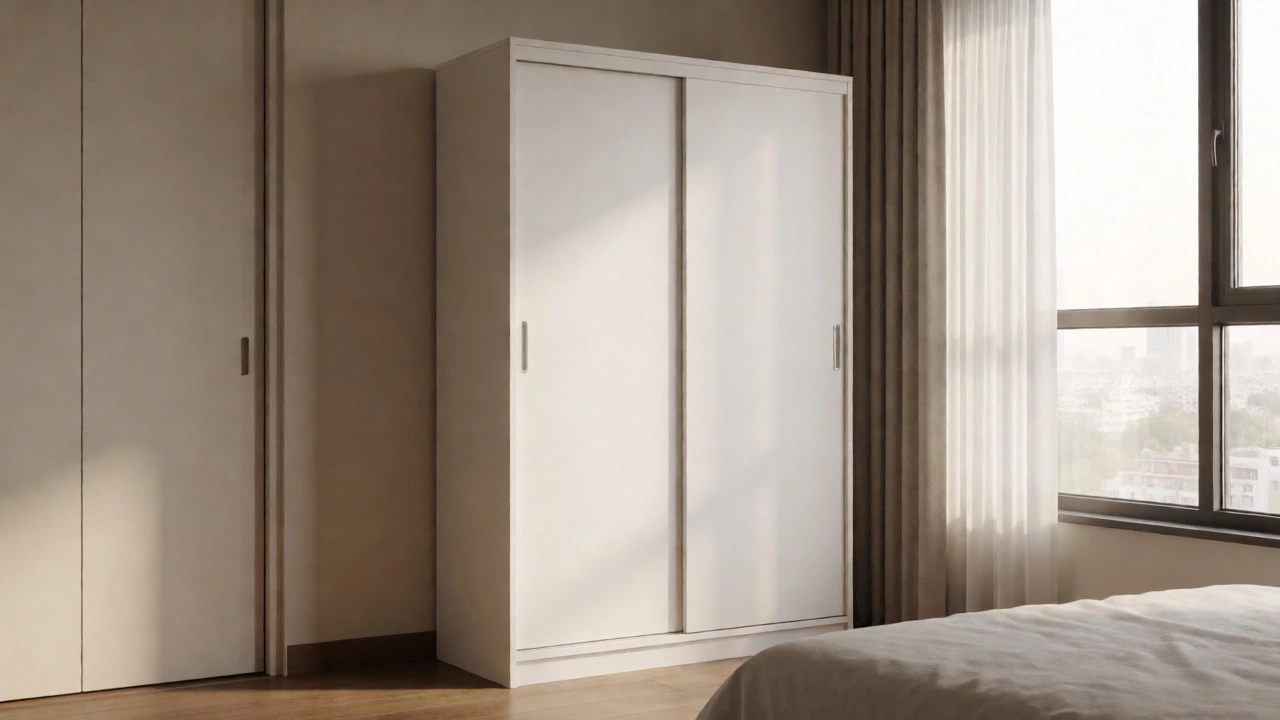
Basic Wardrobe Finder
Answer a few quick questions to find out which storage solution fits your lifestyle best.
Pros
Cons
You walk into a furniture store or scroll through an online catalog, and you’re hit with a wall of options. Armoires, wardrobes, closets, cupboards, dressers. It’s enough to make your head spin. If you are looking for the most fundamental way to store clothes without custom carpentry or massive footprint, you are likely hunting for what is commonly called a freestanding wardrobe or simply a basic wardrobe unit. But here is the thing: "basic" means different things depending on where you live and how much space you have. In Melbourne, a basic wardrobe might mean a sleek, modular system that fits under a sloped ceiling in a Victorian terrace. In a suburban home, it might just be the standard double-door cupboard that came with the house.
The confusion usually stems from terminology. Are we talking about the piece of furniture itself, or the architectural feature built into the wall? This article clears up the naming conventions, breaks down the actual components of a basic wardrobe setup, and helps you decide which type actually solves your clutter problem. Because let’s face it, buying the wrong storage solution doesn’t just waste money; it creates more mess than it solves.
Decoding the Terminology: Wardrobe vs. Closet vs. Cupboard
Before you buy anything, you need to speak the language. The term wardrobe is a tall, free-standing cabinet used for storing clothes, typically featuring hanging rails and shelves. It is a movable piece of furniture. You can pick it up (with help) and move it to another room. This is distinct from a closet, which is an alcove or small room within a structure, often built-in, dedicated to clothing storage. In Australia, we often use "built-in robe" or "BIR" for these fixed structures.
Then there is the cupboard. While technically similar to a wardrobe, this term often implies smaller, shallower storage, frequently found in kitchens or linen areas, though in older British-influenced architecture, it might refer to any enclosed storage. A dresser or chest of drawers is also part of the conversation but lacks the vertical hanging space that defines a true wardrobe. So, when someone asks, "What do you call a basic wardrobe?", they are usually referring to a simple, non-customized freestanding unit designed for essential garment storage.
| Feature | Freestanding Wardrobe | Built-in Robe/Closet | Dresser/Chest |
|---|---|---|---|
| Mobility | High (can be moved) | None (fixed to structure) | Medium (heavy but movable) |
| Hanging Space | Yes (1-2 rails) | Yes (customizable) | No (usually) |
| Cost | Low to Medium ($300-$1500) | High (Custom labor + materials) | Low to Medium ($200-$800) |
| Installation | DIY Assembly | Professional Carpenter | DIY Assembly |
| Best For | Renters, small spaces, quick updates | Homeowners, maximizing floor-to-ceiling height | Folded items, socks, underwear |
Anatomy of a Basic Wardrobe: What Actually Goes Inside?
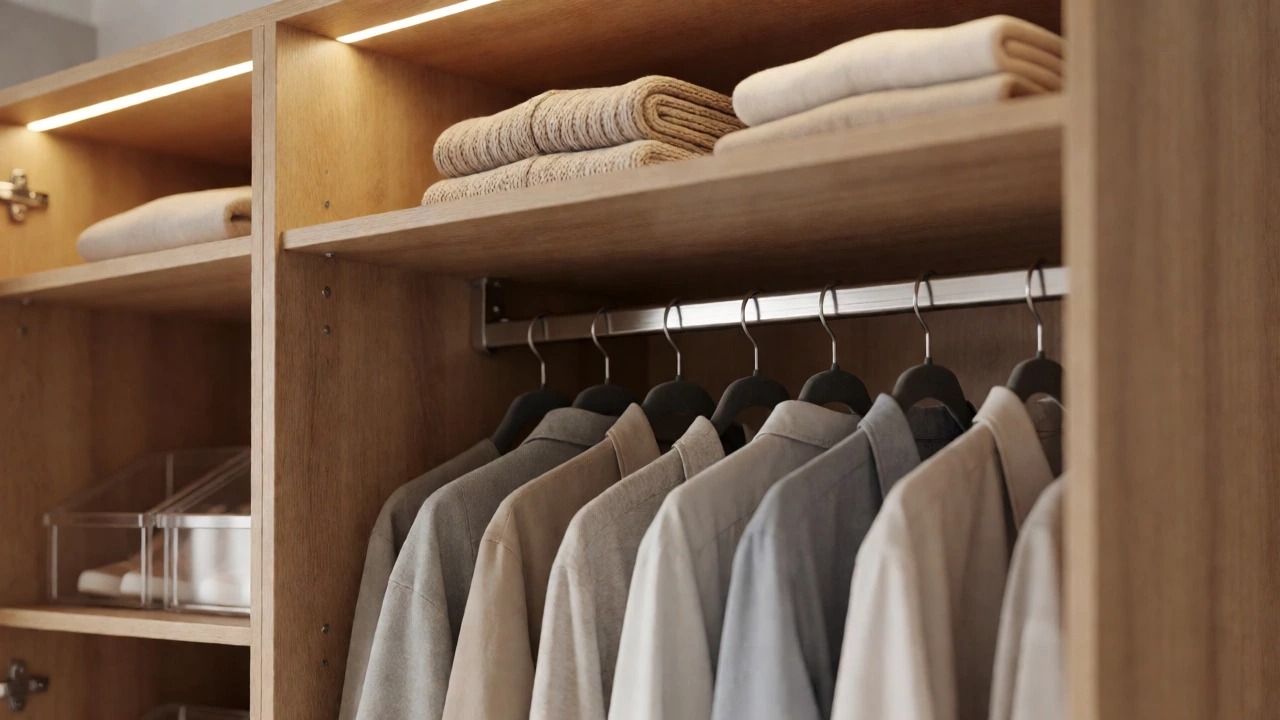
A "basic" wardrobe isn't just an empty box. To function as a real storage solution, it needs specific internal configurations. When you look at the cheapest options at IKEA or local Australian retailers like Temple & Webster, you’ll notice a pattern. The core of a basic wardrobe is the hanging rail. This is a horizontal bar, usually metal or wood, suspended inside the cabinet to hold hangers. Without this, it’s just a shelf unit.
Beyond the rail, a functional basic wardrobe typically includes:
- Fixed Shelves: Usually one or two above the hanging area for folded jumpers or boxes.
- Bottom Shelf: Often left open or covered by a drawer, used for shoes or heavy bags.
- Doors: Hinged doors are common in budget units, while sliding doors save swing space in narrow rooms.
- Back Panel: Thin hardboard or MDF. Cheap units have thin backs that bulge if overfilled.
Notice what’s missing? Drawers, tie racks, jewelry trays, and lighting. These are considered "upgrades." A truly basic model focuses purely on volume and simplicity. If you are renting a studio apartment in South Yarra, this simplicity is your friend. You don’t want to invest in complex joinery that you can’t take with you. You want something that holds your work shirts and jeans securely until you move out.
Why Choose a Freestanding Unit Over Built-ins?
Let’s be honest: built-in robes look fantastic. They maximize every inch of wall space and add value to a property sale. But they are expensive and permanent. A freestanding wardrobe offers flexibility that built-ins simply cannot match. First, cost. A decent quality freestanding wardrobe costs between $400 and $900 AUD. A custom-built-in robe of similar width can easily exceed $2,500 once you factor in labor and finishing.
Second, adaptability. If you move to a larger place next year, you can sell your freestanding wardrobe or take it with you. Try taking a built-in robe with you-you’ll just leave a patch of unpainted drywall behind. Third, speed. You can order a flat-pack wardrobe online today and have it assembled tomorrow. Custom joinery takes weeks or months.
However, freestanding units have downsides. They rarely reach the ceiling, leaving that dusty gap on top that becomes a graveyard for Christmas decorations. They also take up floor space that might otherwise be used for a rug or desk. If your room is tiny, a bulky freestanding wardrobe can make the space feel cramped. In these cases, a slim-profile wardrobe or a combination of a dresser and a simple rack might be smarter.
Material Matters: Particleboard vs. Solid Wood
When shopping for a basic wardrobe, you will encounter two main material camps: engineered wood and solid timber. Most "basic" wardrobes fall into the engineered category, specifically MDF (Medium Density Fiberboard) or Particleboard. These are compressed wood fibers bonded with resin. They are cheap, consistent, and easy to paint.
Solid wood, such as oak or pine, is durable and beautiful but significantly more expensive. For a basic wardrobe, solid wood is often overkill unless you are aiming for a heirloom piece. However, pay attention to the finish. Melamine-faced particleboard is resistant to scratches and moisture, making it practical for bedrooms. Veneered MDF looks nicer but chips easily if you bang it during assembly.
Here is a pro tip from my own experience setting up apartments: check the thickness of the side panels. Cheap units use 12mm panels. Better ones use 16mm or 18mm. Thicker panels resist bowing when loaded with heavy winter coats. If you see a 12mm panel priced close to an 18mm option, ask yourself why. Usually, it’s because the back panel is even thinner, compromising structural integrity.
Maximizing Your Basic Wardrobe: Organization Hacks
Buying the wardrobe is only half the battle. How you organize it determines whether it feels spacious or chaotic. Since basic wardrobes lack fancy dividers, you need to create structure using accessories.
- Uniform Hangers: Switch all your mismatched plastic hangers for matching velvet or wooden ones. This instantly makes the interior look cohesive and saves space because uniform hangers stack neatly.
- Vertical Dividers: Use tension rods or acrylic dividers to separate sections within the hanging area. Keep shirts together, trousers together, and jackets together.
- Over-the-Door Hooks: If your wardrobe has solid doors, hang hooks on the inside for belts, scarves, or handbags. This utilizes dead space.
- Shoe Bins: Instead of letting shoes pile up on the bottom shelf, use clear plastic bins. Stack them vertically to double your capacity.
Lighting is another game-changer. Basic wardrobes are dark. Installing a battery-operated LED strip light along the top rail costs less than $20 and transforms the experience of getting dressed. No more squinting at colors in dim corners.
Common Pitfalls to Avoid
I’ve seen too many people regret their wardrobe purchases. Here are the mistakes to dodge:
Ignoring Door Swing: Measure your clearance! If your bed is too close to the wardrobe, hinged doors won’t open fully. In tight spaces, always opt for sliding doors or open-frame racks.
Underestimating Depth: Standard wardrobe depth is around 55-60cm. If you buy a shallow unit (30-40cm), your sleeves will poke out, and doors won’t close. Check the depth against your largest coat before buying.
Forgetting Stability: Tall, narrow freestanding wardrobes are prone to tipping. Always anchor them to the wall with anti-tip brackets, especially if you have kids or pets. It’s a five-minute job that prevents a disaster.
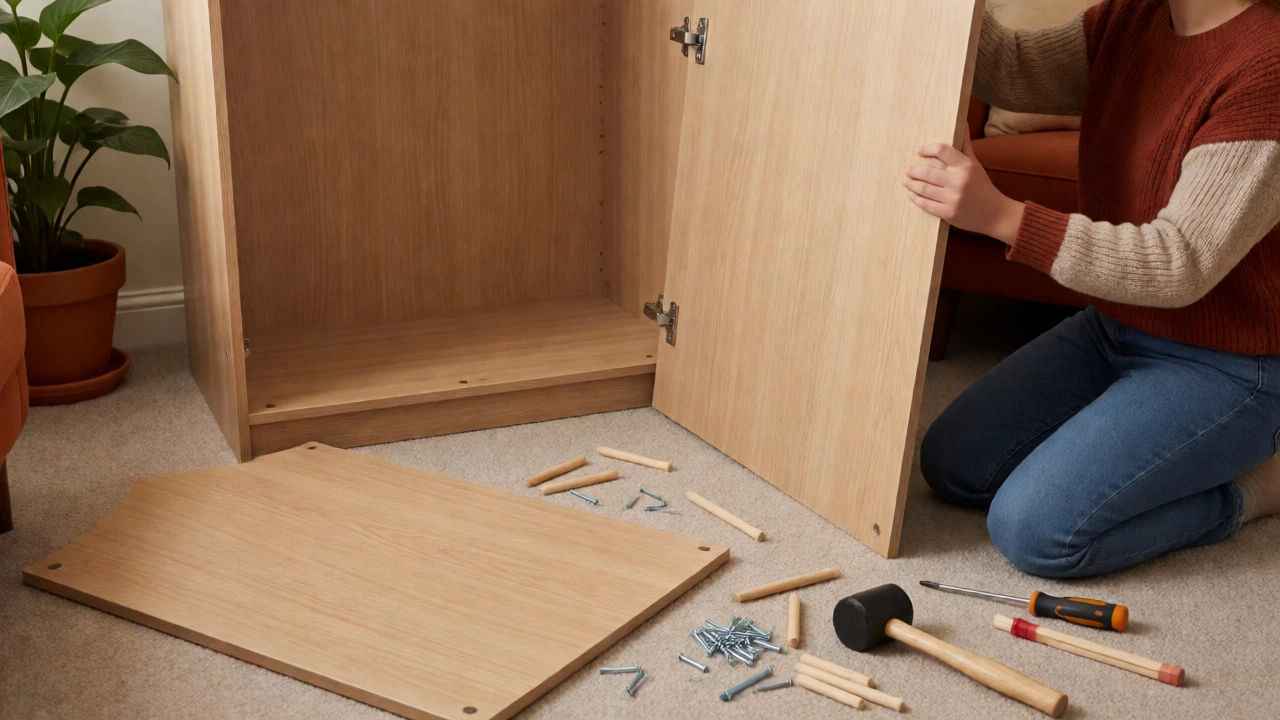
Skipping the Assembly Prep: Flat-pack furniture requires patience. Lay out all screws and dowels before starting. Use a rubber mallet, not a hammer, to avoid damaging the wood edges. And please, don’t skip the step where you pre-drill holes-it prevents splitting.
Final Thoughts: Is a Basic Wardrobe Right for You?
If you are a renter, a student, or someone who loves changing their interior layout frequently, a basic freestanding wardrobe is the smartest investment. It’s affordable, portable, and effective. Just ensure you choose a sturdy build with adequate depth and plan your organization strategy beforehand.
On the other hand, if you own your home and plan to stay put for a decade, consider saving up for built-in solutions. They offer superior space utilization and aesthetic integration. But until then, don’t underestimate the power of a well-chosen freestanding unit. It keeps your clothes crisp, your room tidy, and your wallet happy.
What is the difference between a wardrobe and a closet?
A wardrobe is a freestanding piece of furniture that you can move. A closet (or built-in robe) is a permanent architectural feature built into the wall of a room. Wardrobes are ideal for renters or flexible layouts, while closets maximize space in owned properties.
How wide should a basic wardrobe be for one person?
For a single person, a wardrobe width of 80cm to 100cm is usually sufficient. This allows for one hanging section and some shelving. If you share the wardrobe, aim for at least 120cm to accommodate two hanging zones comfortably.
Can I assemble a basic wardrobe myself?
Yes, most basic wardrobes are designed for DIY assembly. It typically takes 1-3 hours depending on the complexity. You will need a screwdriver, a hammer (preferably rubber mallet), and possibly a drill for wall anchoring. Having a second person helps with holding large panels.
Are sliding door wardrobes better than hinged door wardrobes?
Sliding doors are better for small rooms where swinging doors would hit furniture or walls. However, they require more depth (approx. 65-70cm total) to accommodate the track mechanism. Hinged doors are simpler, cheaper, and allow full access to the entire wardrobe interior at once.
What is the best material for a budget wardrobe?
Melamine-faced particleboard or MDF is the best balance of cost and durability for budget wardrobes. It resists scratches and moisture better than plain veneer and is significantly cheaper than solid wood. Look for 16mm or 18mm thick panels for better stability.