
When Queen Elizabeth II passed away in September 2022, the world didn’t just lose a monarch-it lost a woman whose wardrobe told stories of seven decades of public life. Her clothes weren’t just fabric and thread. They were diplomatic tools, symbols of continuity, and carefully curated expressions of duty. So what happened to them after she died? The answer isn’t simple, and it’s not what most people imagine.
The Royal Wardrobe Wasn’t Just a Closet
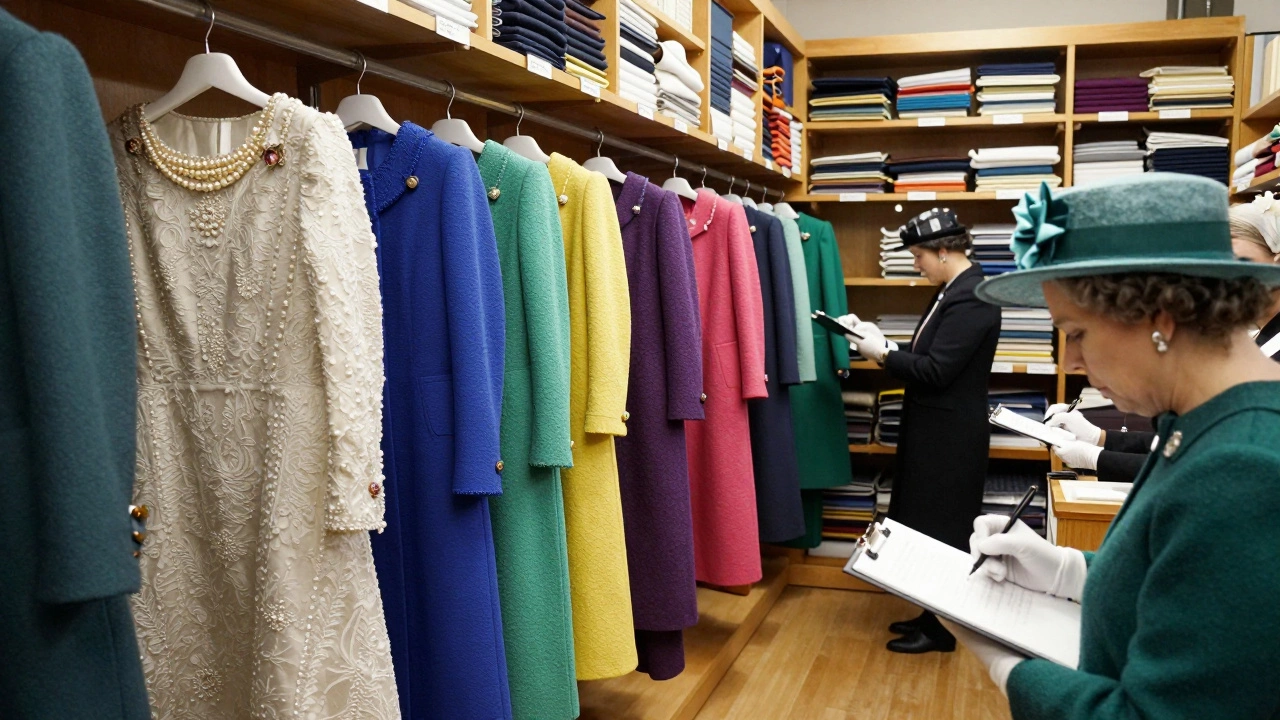
Queen Elizabeth’s clothing wasn’t stored in a random room at Buckingham Palace. It was managed by a small, highly secretive team known as the Royal Wardrobe Department. This wasn’t just about dry cleaning and tailoring-it was a full-scale operation. Every outfit was documented, photographed, and cataloged. The team included dressmakers, milliners, and even a dedicated conservator who handled delicate fabrics like silk, lace, and embroidered organza. These weren’t clothes you could just donate to charity. They were historical artifacts.
Each garment had a purpose. The bright coats she wore for public appearances weren’t chosen for fashion-they were chosen so crowds could spot her easily. Her hats weren’t accessories; they were visual anchors. A single outfit could cost tens of thousands of pounds, often made from fabrics woven in Scotland or embroidered in Buckingham Palace’s own workshops. The Queen rarely wore anything twice in public, but that didn’t mean the clothes were discarded.
What Was Kept? What Was Repurposed?
After her death, the Royal Collection Trust took over the management of her personal effects, including clothing. The official stance: nothing was thrown away. Most of her outfits were preserved for historical and educational purposes. Over 1,000 items from her wardrobe were cataloged and stored in climate-controlled conditions at Windsor Castle. These include her coronation gown, the white silk dress she wore for her 90th birthday, and even the navy blue coat she wore to the 2018 State Opening of Parliament.
Some pieces were passed down. The Queen’s granddaughter, Princess Eugenie, received a few select items, including a turquoise silk dress and a pearl-embellished hat. Her great-grandchildren, Prince George and Princess Charlotte, may one day inherit pieces too-though not for everyday wear. These items are treated like museum objects. They’re not worn again, but they’re not locked away either.
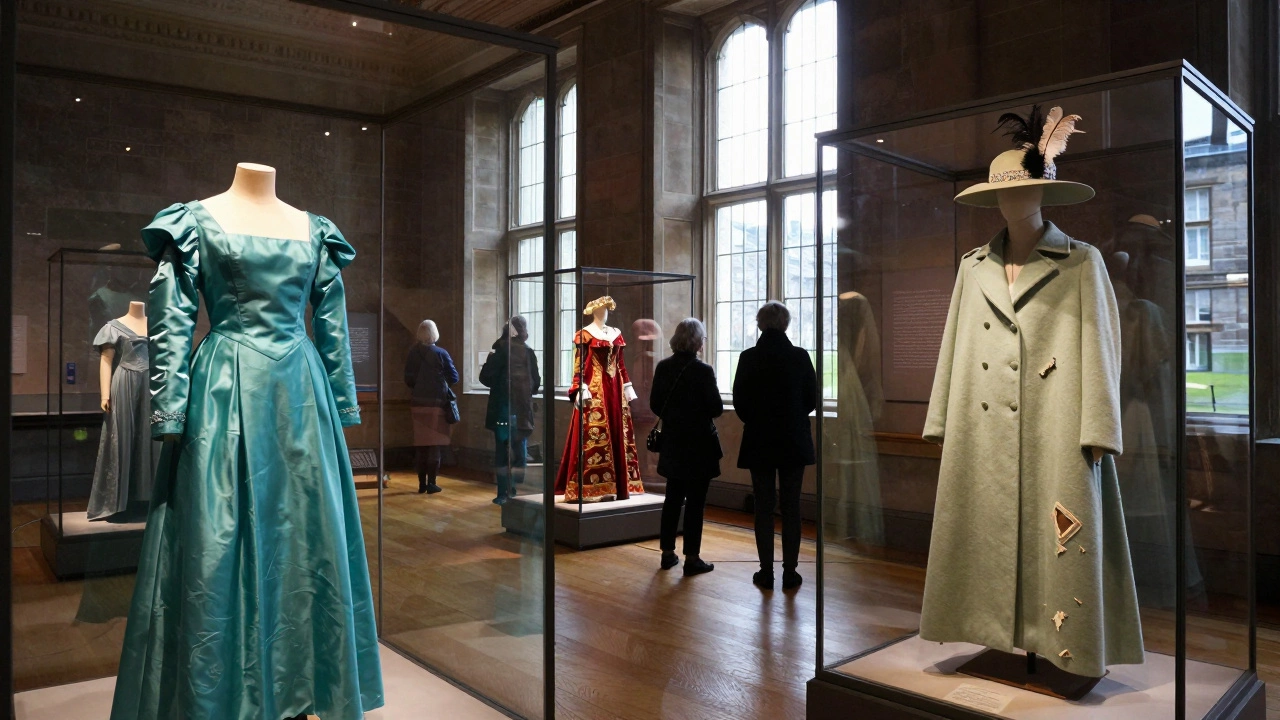
For items that were still in good condition but not historically significant, the royal team followed a quiet tradition: they were donated to the Royal Collection’s Costume and Textiles Department for study, or loaned to approved exhibitions. In 2023, a curated selection of 40 outfits went on display at the Palace of Holyroodhouse in Edinburgh under the title “The Queen’s Wardrobe: A Life in Dress.” Visitors could see how her style evolved-from the slim silhouettes of the 1950s to the structured coats and bold colors of her later years.
Why Not Sell Them?
You might wonder: why not auction them off? After all, celebrity wardrobes sell for millions. Marilyn Monroe’s dress went for $4.8 million. Elizabeth Taylor’s jewelry brought in over $100 million. But the British monarchy doesn’t treat clothing as personal property in the same way.
The Queen’s clothes were considered part of her official duties. They were funded through the Sovereign Grant, a public fund. Selling them would raise serious questions about using public money to buy private assets. There’s also the issue of legacy. The royal family has a long-standing policy of preserving items that reflect the monarchy’s role in British history. Selling a dress worn at the 1953 coronation would be like selling the Crown Jewels-symbolically unacceptable.
Plus, there’s the matter of dignity. The royal family doesn’t profit from the Queen’s image. Even her likeness on stamps and coins is controlled tightly. Allowing her clothes to be sold on the open market would blur the line between heritage and commercialism. That’s not how they do things.
What About the Everyday Clothes?
Not everything in her wardrobe was haute couture. She owned simple cotton dresses, wool cardigans, and practical shoes-items she wore at Balmoral or Sandringham. These were often made by British designers like Angela Kelly, her longtime personal dresser and advisor. Kelly, who worked with the Queen for over 30 years, confirmed in interviews that these everyday items were also preserved. Many were given to female staff members who had served the royal family for decades.
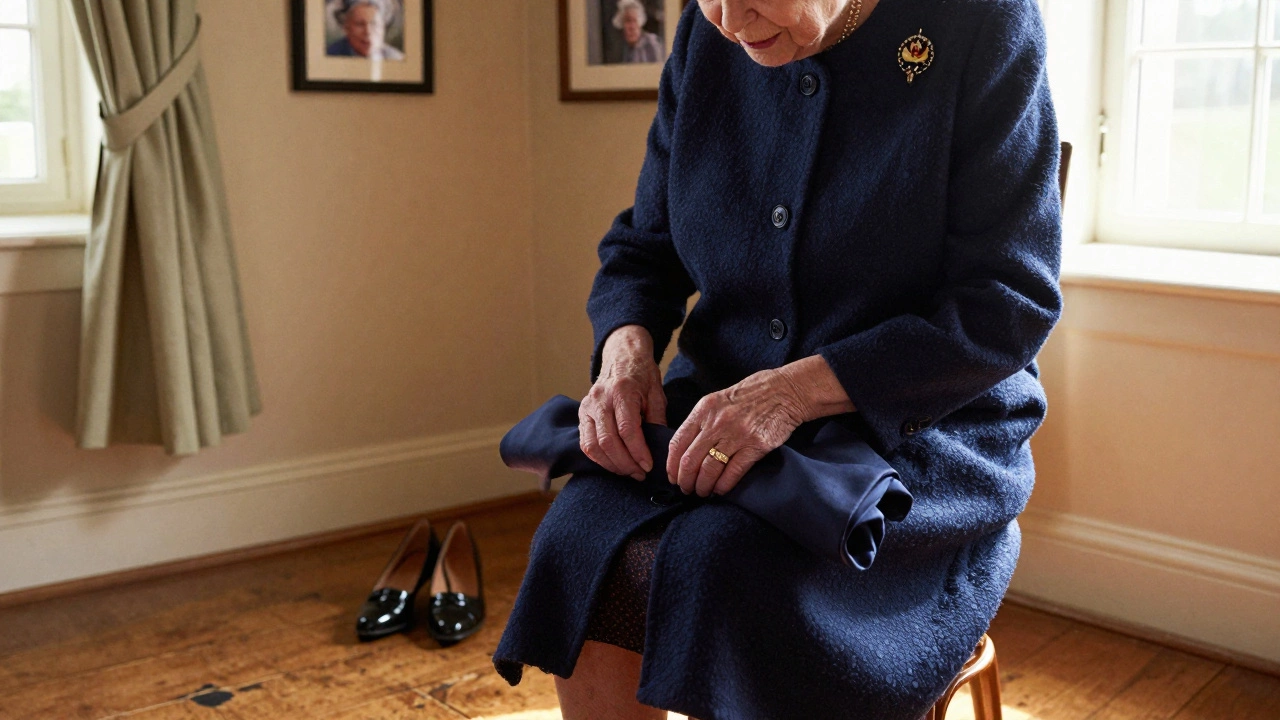
It wasn’t a handout. It was a gesture of gratitude. A housekeeper who worked at Balmoral for 40 years received a navy wool coat the Queen wore on cold autumn walks. A seamstress who mended the Queen’s gloves for 25 years was given a pair of her favorite black patent leather shoes. These weren’t random gifts-they were deeply personal, quietly meaningful tokens of appreciation.
The Environmental Angle
Queen Elizabeth was famously frugal with resources. She reused wrapping paper, wore shoes until they were worn out, and had her clothes altered rather than replaced. This wasn’t just habit-it was principle. Her wardrobe reflected a commitment to sustainability long before it became a trend.
Her approach stands in sharp contrast to today’s fast fashion culture. While many celebrities cycle through dozens of outfits for a single event, the Queen often wore the same coat for years. Her dressmakers would rework the hem, replace a button, or reline a jacket. One of her signature coats, a pale green wool piece, was worn for over 15 years. When it finally showed signs of wear, it was carefully repaired and stored-not thrown away.
After her death, the Royal Collection Trust confirmed that none of her clothing was sent to landfill. Every item, no matter how small, was either preserved, repurposed, or respectfully passed on.
How This Compares to Other Royals
The Queen’s approach wasn’t unique, but it was the most consistent. Princess Diana’s clothes were auctioned in 1997, with proceeds going to her charities. That was a different time-and a different royal. Diana’s wardrobe was seen as more personal, more emotional. The Queen’s, by contrast, was institutional.
Queen Mary, her grandmother, had a similar philosophy. She kept every dress, every hat, every glove. Many of those items are still in the Royal Collection today. The pattern is clear: for the British monarchy, clothing isn’t disposable. It’s part of the institution.
Even now, when Prince Charles or Princess Anne wear something that once belonged to the Queen, it’s not just nostalgia. It’s continuity. When Princess Anne wore her mother’s green silk coat to a 2023 memorial service, it wasn’t a fashion statement. It was a quiet declaration: the past is still here.
What Can We Learn From It?
There’s a lesson here beyond royalty. The Queen’s wardrobe shows that clothing doesn’t have to be thrown away to be meaningful. Her clothes lasted because they were made well, worn with care, and treated with respect. In a world where the average person buys 60% more clothing than they did 20 years ago-and keeps each item for half as long-her example feels revolutionary.
Her clothes didn’t vanish. They didn’t become commodities. They became part of history. And that’s how they should be treated-not as things to be consumed, but as things to be remembered.
Were Queen Elizabeth’s clothes auctioned after her death?
No, none of Queen Elizabeth’s clothes were auctioned. The Royal Collection Trust took full control of her wardrobe and chose to preserve, display, or quietly gift items to staff and family. Unlike other celebrities, the monarchy does not profit from personal effects of the sovereign, as they are considered part of the institution’s heritage.
Did any of her clothes go to the public?
Yes, but not through sales. Over 40 of her outfits were displayed in a 2023 exhibition at the Palace of Holyroodhouse in Edinburgh. These were loaned from the Royal Collection and curated for public viewing. No items were sold to the public, but visitors could see the garments up close, including her iconic hats and coat ensembles.
Did any of her clothing go to her family?
Yes, select items were passed down to female members of the royal family, including Princess Eugenie and the daughters of the late Duke of York. These were not for everyday wear but for special occasions or preservation. Items were chosen based on historical significance and personal connection, not fashion trends.
Why didn’t the Queen wear the same outfit twice?
She didn’t wear the same outfit twice in public because it was a matter of protocol and visibility. Wearing new colors and styles helped the public recognize her at events, especially in large crowds. But she often wore the same garments privately, at Balmoral or Sandringham, and had them repaired or altered instead of replacing them.
What happened to her everyday clothes?
Her everyday clothes-like wool cardigans, cotton dresses, and practical shoes-were often given to long-serving staff members as personal gifts. These were not high-fashion pieces, but they carried deep meaning. A housekeeper who served for 40 years received a coat she wore on walks in the Scottish Highlands. These gestures honored loyalty, not luxury.
Final Thoughts
Queen Elizabeth’s clothes didn’t disappear when she did. They didn’t fade into obscurity. They didn’t become fashion memorabilia for sale. Instead, they became part of something bigger-history, legacy, and quiet dignity. In a world obsessed with the new, her wardrobe reminds us that some things are worth holding onto. Not because they’re expensive, but because they matter.