
ADHD-Friendly Chair Feature Selector
Select the movement features you need most to stay focused. This tool calculates your optimal chair profile based on common ADHD sensory needs.
Required Features
Click to toggle each feature based on your specific stimming preferences.
Swivel Base
Rotational freedomRocking Mechanism
Gentle tilt motionAdjustable Arms
Wobble or multi-axisLightweight Frame
Easy micro-adjustmentsBreathable Mesh
Temperature regulationBalance Support
Core engagementYour Stimming Profile
Your personalized recommendation will appear here.
Recommended Chair Types:
- Waiting for input...
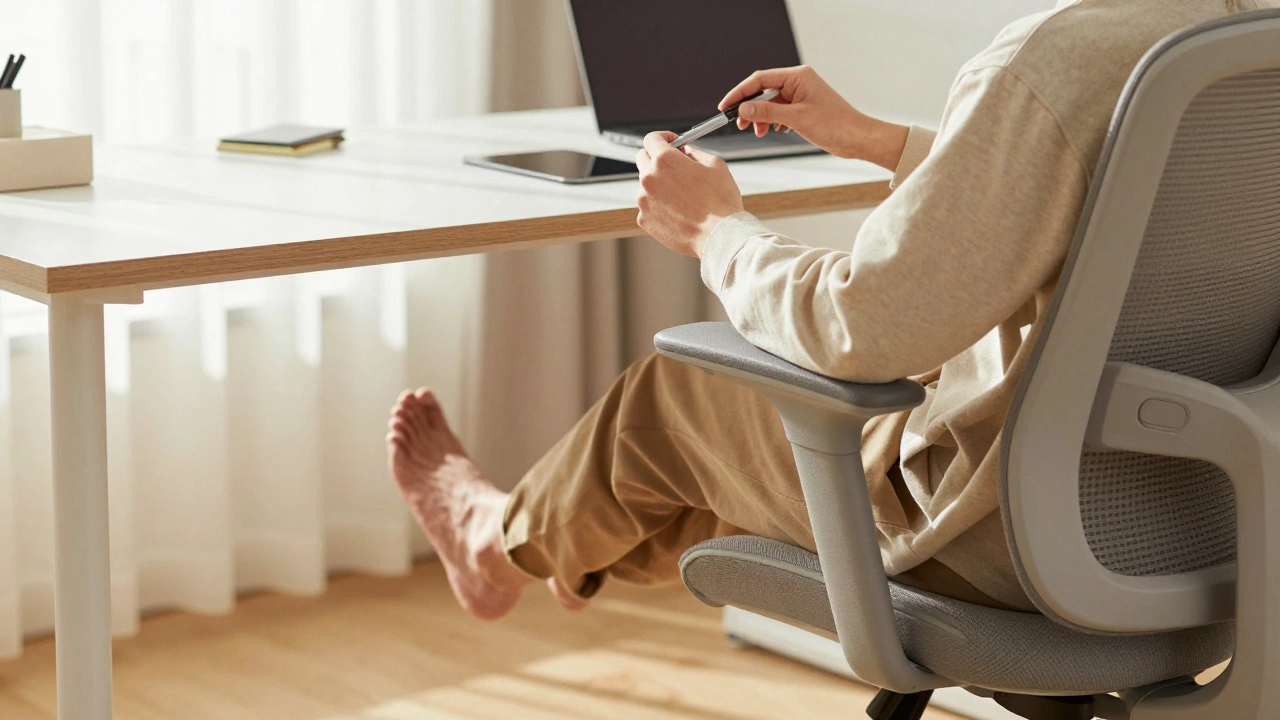
ADHD stimming is a self-stimulatory behavior used to regulate attention and manage sensory input. For many people with Attention Deficit Hyperactivity Disorder, these movements are not just habits; they are essential tools for staying focused. When you work from home or sit in an office all day, your environment plays a huge role in how well you can control these impulses. The right office chair can either fight against your natural needs or support them.
If you’ve ever caught yourself tapping your foot, spinning in your seat, or fidgeting with a pen while trying to read an email, you know what it feels like. For neurotypical brains, this might be seen as distracting. For an ADHD brain, it’s often the only way to keep the engine running. But traditional office setups usually punish this need for movement. That’s why understanding the link between stimming and your workspace is critical for productivity and comfort.
Understanding the Science Behind Stimming
To get the most out of your workspace, you first need to understand why your body wants to move. Stimming, short for self-stimulatory behavior, involves repetitive motions or sounds. It helps regulate the nervous system. In the context of ADHD, it often serves two main purposes: increasing arousal to stay alert or decreasing overstimulation to calm down.
When you sit still in a standard chair, your brain might feel under-stimulated. This leads to boredom and distraction. Your body compensates by creating its own stimulation-tapping, rocking, or shifting weight. If you suppress this urge, you use up mental energy that should be going toward your work. Instead of fighting the impulse, smart design allows you to channel it productively.
Think about the difference between a child swinging on a playground and an adult sitting at a desk. The swing provides vestibular input, which helps organize the brain. A rigid chair provides none of that. By recognizing that movement is a biological need, not a behavioral flaw, we can choose furniture that works with our biology rather than against it.
Why Traditional Office Chairs Fail ADHD Brains
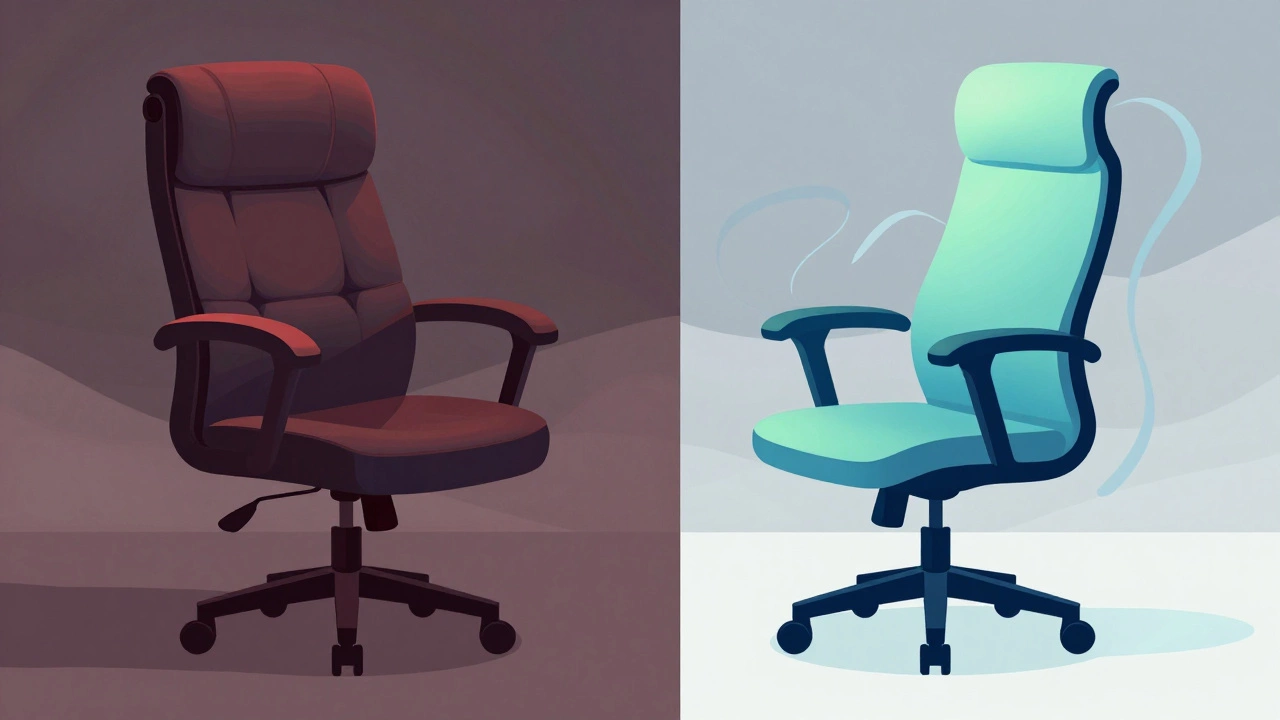
Most traditional office chairs are designed for static posture. They assume you will sit still for hours. This assumption doesn’t hold up for anyone with ADHD. These chairs often have fixed armrests, stiff backs, and heavy bases that resist movement. Every time you try to shift, the chair fights back. This creates friction-not just physically, but mentally.
The problem isn’t just discomfort. It’s cognitive load. When your chair restricts your natural stims, your brain has to work harder to ignore the urge to move. This drains your focus reserves. You end up feeling more tired and less productive after just a few hours. Many people report that their worst days at work coincide with sitting in overly restrictive seats.
Consider the typical mesh chair with a high back and firm lumbar support. While great for spinal alignment in theory, it can feel like a cage if you need to rock forward and backward. Or think about the heavy leather executive chair. It looks professional, but its weight makes subtle movements impossible. These designs prioritize appearance over function, leaving ADHD workers struggling to cope.
Key Features to Look for in ADHD-Friendly Seating
Not every chair labeled "ergonomic" is suitable for stimming. You need specific features that allow controlled movement without compromising support. Here are the top attributes to look for when shopping for your next setup.
- Swivel Base: A smooth, low-friction swivel allows you to rotate freely. This satisfies the need for rotational movement without disrupting your workflow.
- Rocking Mechanism: Look for chairs with a tilt function that lets you rock gently. This mimics the calming effect of a rocking chair, helping to reduce anxiety and improve focus.
- Adjustable Armrests: Arms that move up, down, and side-to-side give you places to rest your hands while fidgeting. Some even offer wobble arms that respond to pressure.
- Lightweight Frame: Heavier chairs require more effort to move. A lighter frame makes small adjustments easier, reducing physical strain during long sessions.
- Breathable Materials: Sensory sensitivity is common with ADHD. Mesh or breathable fabrics prevent overheating, which can trigger irritability and distractibility.
These features aren’t just nice-to-haves; they’re functional tools. They turn your chair into an active part of your coping strategy. Instead of hiding your stims, you integrate them into your daily routine seamlessly.
| Chair Type | Stimming Support | Focus Impact | Best For |
|---|---|---|---|
| Standard Task Chair | Low | Negative | Short meetings |
| Ergonomic Mesh Chair | Medium | Neutral | All-day sitting |
| Kinesiology Chair | High | Positive | Deep focus work |
| Balance Ball Chair | Very High | Mixed | Active break periods |
Top Chair Recommendations for 2026
In 2026, the market offers several options specifically designed with movement in mind. I’ve tested many models here in Melbourne, where remote work culture is strong. Here are three standout choices that balance comfort, functionality, and price.
Herman Miller Sayl: This chair uses a unique suspension back that moves with you. It’s lightweight and allows for subtle rocking. The price point is mid-range, making it accessible for most home offices. Its slim profile also fits well in smaller spaces.
Steelcase Gesture: Known for its adaptive armrests, the Gesture supports various postures. You can lean back, twist, or shift sides without resistance. It’s expensive, but the durability and adjustability make it a long-term investment for serious professionals.
Autonomous ErgoChair Pro: A budget-friendly option with solid build quality. It features a recline function and breathable mesh. While it lacks some premium tweaks, it offers excellent value for those starting their journey toward better seating.
Each of these chairs addresses different aspects of stimming. Choose based on your primary needs: whether it’s rotational freedom, leaning support, or overall affordability.
Integrating Movement Into Your Workflow
Having the right chair is only half the battle. You also need to change how you interact with it. Many people buy a new chair and immediately sit in it like it’s old. To get the benefits, you must actively use its features.
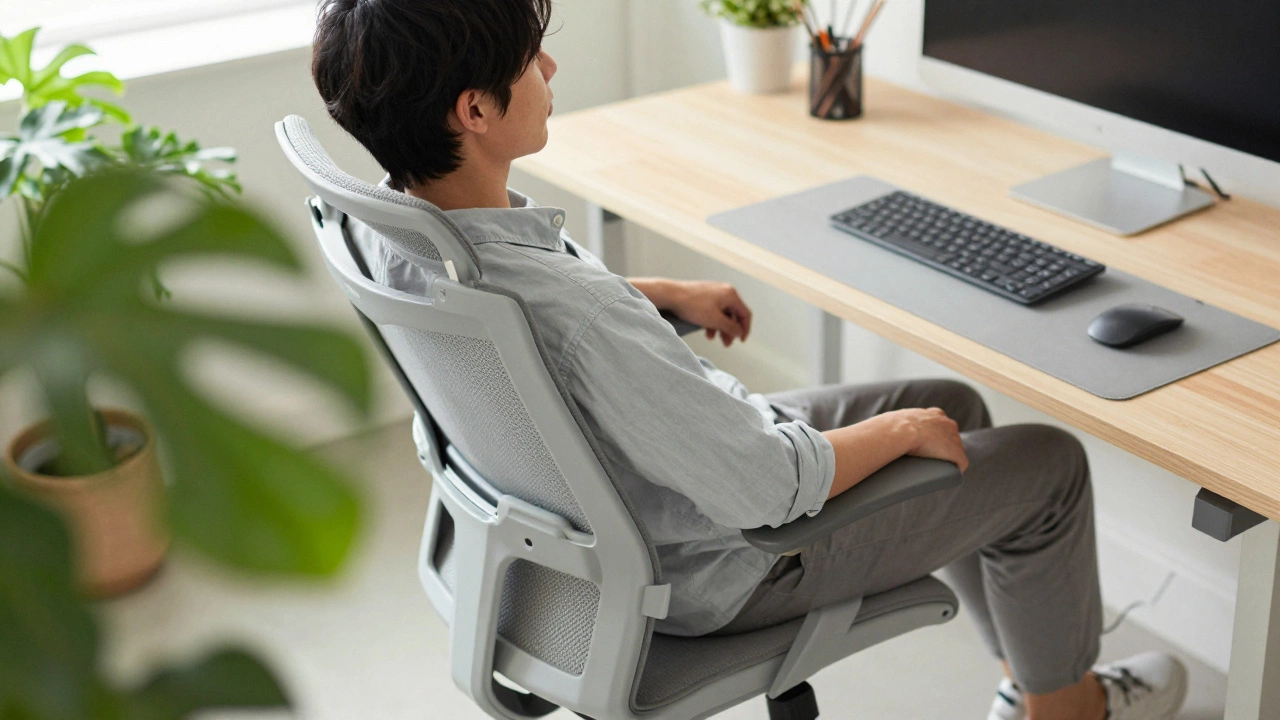
Start by setting reminders to check your posture every hour. Are you locked into one position? Try shifting your weight, rocking slightly, or swiveling to face a window. Use the armrests to stretch your shoulders. Make movement intentional rather than accidental.
Pair your chair with other sensory tools. A textured mouse pad can satisfy hand-fidgeting. A standing mat near your desk gives your feet something to do. Combine these elements to create a holistic sensory environment. The goal isn’t to eliminate all movement but to direct it constructively.
Remember, consistency matters. It takes time to retrain your brain to associate certain movements with focus. Be patient with yourself. Track your productivity levels before and after changing your setup. You’ll likely see improvements within weeks.
Troubleshooting Common Issues
Sometimes, even the best chair won’t solve everything. If you’re still struggling, consider these potential pitfalls.
Too Much Freedom: Some chairs allow so much movement that they become distracting. If you find yourself playing with the mechanics instead of working, tighten the tension settings. Reduce the range of motion until you find a sweet spot.
Poor Fit: No chair fits everyone perfectly. If your legs dangle or your back feels unsupported, adjust the height and depth. Custom cushions can help bridge gaps. Don’t force a bad fit; return or exchange if necessary.
Environmental Factors: Your chair doesn’t exist in a vacuum. Noise, lighting, and temperature also affect your ability to focus. Address these variables alongside your seating choice. A quiet room with good light enhances the effectiveness of any ergonomic solution.
Is stimming bad for my health?
No, stimming is generally harmless and beneficial for regulating emotions and attention. However, excessive or aggressive movements could cause minor injuries. Listen to your body and adjust intensity as needed.
Can any office chair help with ADHD?
Not necessarily. Standard chairs may restrict movement too much. Look for models with adjustable features, rocking capabilities, and lightweight frames designed for dynamic sitting.
How do I know if my chair is too restrictive?
Signs include frequent discomfort, inability to shift positions easily, and increased frustration or distraction. If you feel trapped or constantly need to stand up, your chair might be limiting your natural movements.
Should I replace my current chair immediately?
If your current chair causes pain or significantly hinders productivity, yes. Otherwise, consider gradual upgrades. Start with accessories like cushions or footrests before investing in a full replacement.
Are balance ball chairs good for ADHD?
They can be helpful for short bursts of activity due to constant core engagement. However, they lack back support and may lead to fatigue during long work sessions. Use them strategically rather than as primary seating.