

When you see a set of outdoor furniture that looks like wood but never rots, fades, or needs painting, you’re probably looking at POLYWOOD. But if you’ve ever heard someone call it something else-like "plastic lumber" or "recycled plastic furniture"-you’re not alone. Many people don’t realize POLYWOOD is a brand name, not a material type. So what’s another name for POLYWOOD? The answer isn’t one single term. It’s a whole category of products made from the same thing: high-density polyethylene (HDPE) recycled from milk jugs, detergent bottles, and other post-consumer plastics.
POLYWOOD Isn’t a Material-It’s a Brand
POLYWOOD is a company founded in 1996 in Indiana, USA. It didn’t invent recycled plastic lumber, but it turned it into a household name for outdoor furniture. Think of it like Kleenex or Band-Aid: people use the brand name to mean the whole category. So when someone says "I bought some POLYWOOD chairs," they might actually mean any chair made from recycled plastic lumber, even if it’s from a different brand.
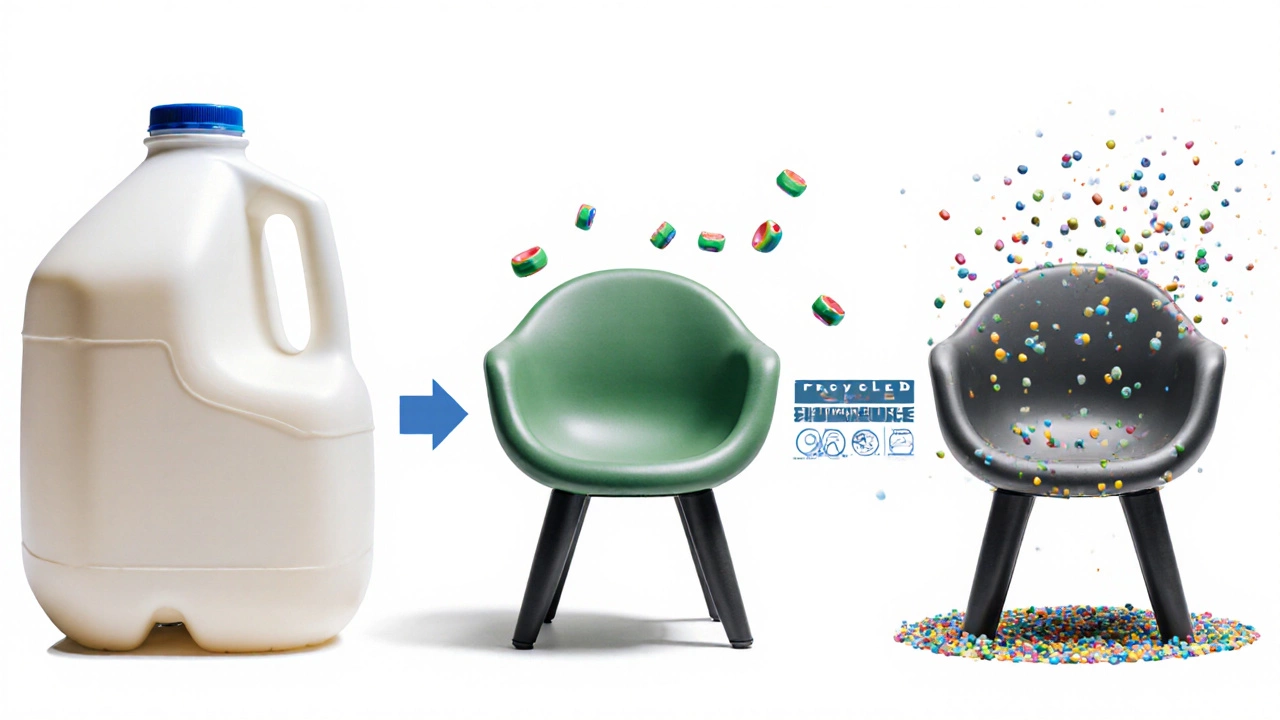
The real material behind POLYWOOD is HDPE-high-density polyethylene. This plastic is melted down, colored, and formed into boards that look and feel like wood. It’s then cut, shaped, and assembled into chairs, tables, swings, and benches. Unlike real wood, it doesn’t splinter, crack, or absorb water. It’s designed to last 20+ years in sun, rain, snow, and salt air.
What People Actually Call POLYWOOD-Style Furniture
If you’re shopping and don’t want to pay the POLYWOOD price tag, you’ll find similar products under different names. Here are the most common terms you’ll see:
- Recycled plastic furniture - The most accurate and widely used term. It tells you exactly what it’s made of and how it’s sourced.
- Plastic lumber furniture - A technical term used by manufacturers and builders. "Lumber" refers to the board-like material, not actual wood.
- HDPE outdoor furniture - Used by more technical buyers or professionals. HDPE stands for high-density polyethylene, the exact plastic used.
- Recycled HDPE furniture - A more precise version of recycled plastic furniture, often used by eco-conscious brands.
- Synthetic wood furniture - A vague but common term. It’s not wood, but it looks like it.
These aren’t just synonyms-they’re search terms people actually type into Google. If you’re looking to buy something like POLYWOOD but cheaper, searching for "recycled plastic patio set" will show you 3x more options than searching for "POLYWOOD alternative."
Why POLYWOOD Costs More Than Other Brands
Not all recycled plastic furniture is made the same way. POLYWOOD uses a proprietary process that includes UV inhibitors, color-through pigments, and reinforced joints. Their frames are made from a single solid piece of plastic, not glued or laminated layers. This means no delamination, no warping, and no fading-even after 10+ years in Florida sun or Canadian winters.
Compare that to cheaper brands that use thin plastic shells over hollow frames, or plastic that’s only colored on the surface. Those fade fast. They get brittle in cold weather. They crack under heavy weight. You’ll see them at big-box stores for $150 a chair. POLYWOOD sells for $400-$700. The difference isn’t just branding-it’s engineering.
There’s a reason POLYWOOD is used in public parks, beachfront resorts, and luxury homes. It’s built for commercial use. Most competitors aren’t.
Top 3 Brands That Make Similar Furniture to POLYWOOD
If you want the same durability but at a lower price, here are three real alternatives that actually match POLYWOOD’s quality:
| Brand | Material | UV Protection | Warranty | Price Range (Chair) |
|---|---|---|---|---|
| Trex Outdoor Furniture | Recycled HDPE | Yes, built-in | 20 years | $350-$550 |
| Landscape Structures | Recycled HDPE | Yes, color-through | 15 years | $280-$480 |
| MegaDeck | Recycled HDPE | Yes, with stabilizers | 10 years | $220-$380 |
Trex is the closest match-same parent company as POLYWOOD’s main competitor, and they even use similar manufacturing lines. Landscape Structures is popular in the Midwest for its thicker frames. MegaDeck is the budget pick that still lasts longer than aluminum or teak.
What to Watch Out For
Not every "recycled plastic" chair is worth buying. Here are three red flags:
- Thin walls - If the chair feels hollow or flimsy when you tap it, it’s probably made from recycled plastic pellets mixed with filler. These crack in freezing temps.
- Surface color only - If the color rubs off when you scrub it with a damp cloth, it’s painted or coated. Real recycled plastic furniture is colored all the way through.
- No warranty - If a brand won’t guarantee their furniture for at least 10 years, they don’t believe in it.
Also avoid "eco-friendly" brands that use "bioplastics" or "plant-based plastics." These break down faster in sunlight and aren’t meant for long-term outdoor use. Stick to HDPE.
Where POLYWOOD-Style Furniture Shines
This isn’t just about looks. Recycled plastic furniture is ideal for:
- Coastal homes - Salt air kills metal and wood. HDPE doesn’t care.
- High-traffic patios - Kids, pets, parties-it handles it all.
- People who hate maintenance - No sanding, no staining, no sealing. Just hose it off.
- Environmental buyers - Each chair recycles about 400 plastic bottles.
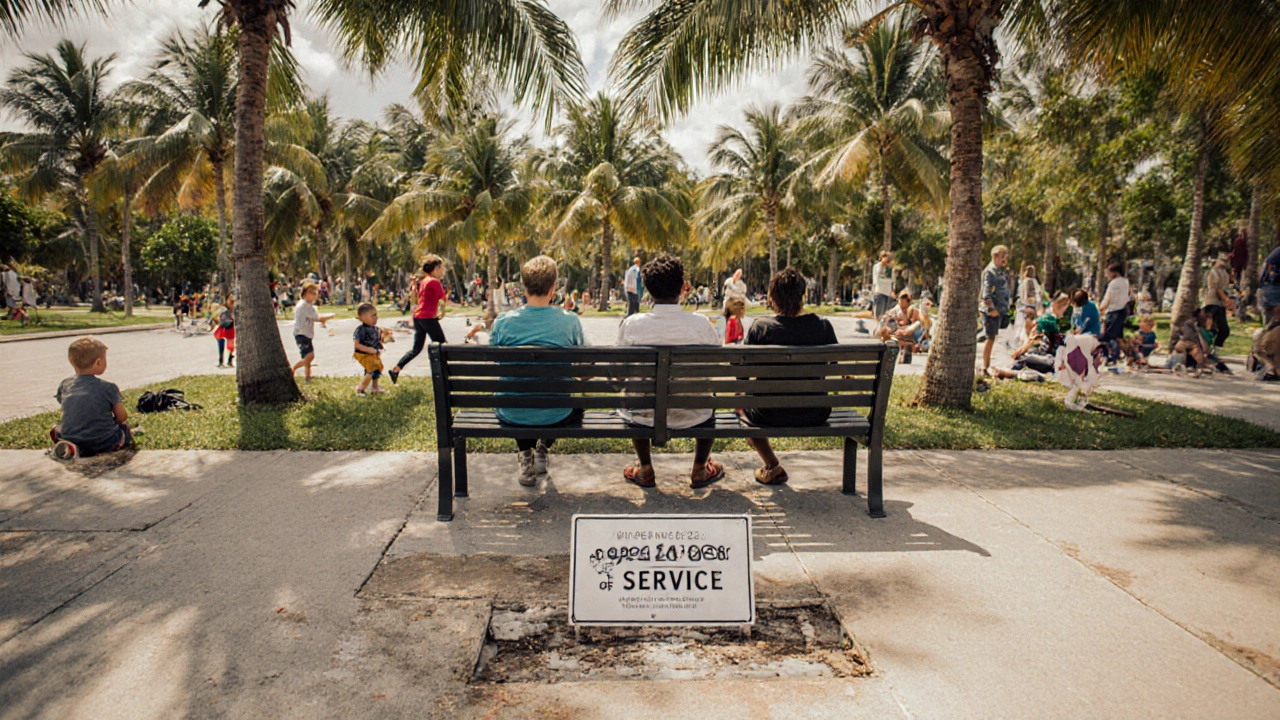
It’s also the go-to choice for HOAs, hotels, and public parks because it doesn’t need annual upkeep. That’s why you’ll see it in Florida beach towns, Ontario lakeside cabins, and even Australian coastal suburbs like Mornington Peninsula.
Final Answer: What’s Another Name for POLYWOOD?
There’s no single replacement name for POLYWOOD because it’s a brand, not a product type. But the best way to describe it? Recycled plastic furniture made from HDPE. That’s the term you’ll find in product specs, reviews, and expert guides. If you want the same quality without the POLYWOOD price, search for that phrase. Look for brands that use color-through HDPE, offer 10+ year warranties, and don’t use hollow frames.
And remember: if it looks like wood, lasts like stone, and costs less than a new car, it’s probably not POLYWOOD. It’s something better-something real.
Is POLYWOOD the same as recycled plastic?
POLYWOOD is made from recycled plastic, but not all recycled plastic furniture is POLYWOOD. POLYWOOD is a specific brand with proprietary manufacturing. Other brands use the same material-high-density polyethylene (HDPE)-but may differ in thickness, UV protection, and warranty. So yes, POLYWOOD is a type of recycled plastic furniture, but the reverse isn’t true.
Can I paint POLYWOOD furniture?
You shouldn’t. POLYWOOD is colored all the way through, so paint won’t stick well and will chip or peel over time. The material is designed to resist fading without paint. If you want a different color, buy a new set in the shade you like. Most brands offer 10-20 color options.
Does recycled plastic furniture get hot in the sun?
Yes, it can. Dark colors absorb more heat, just like asphalt or metal. Light colors like white, beige, or light gray stay noticeably cooler. If you live in a hot climate, avoid black or dark brown sets. Many users report that light-colored HDPE furniture stays 15-20°F cooler than dark ones under direct sun.
Is recycled plastic furniture better than teak?
It depends. Teak is beautiful and durable, but it requires annual oiling and can crack if left uncovered in freezing weather. Recycled plastic needs zero maintenance and won’t crack or rot. Teak costs more upfront and over time. Plastic is more sustainable if you care about reducing plastic waste. For low-maintenance, long-term use, plastic wins. For aesthetics and tradition, teak still has its fans.
How long does POLYWOOD-style furniture last?
High-quality recycled plastic furniture lasts 20-30 years with normal use. The material doesn’t degrade from UV exposure when it has proper stabilizers. Real-world examples include public park benches in New York and coastal resorts in Florida that have used the same sets since the early 2000s. Cheaper versions may last 5-10 years, but the top brands like POLYWOOD, Trex, and Landscape Structures are built to outlast your patio.
Next Steps: What to Do Now
If you’re shopping for outdoor furniture:
- Stop searching for "POLYWOOD" and start searching for "recycled plastic HDPE outdoor furniture." You’ll get better prices and more options.
- Check the warranty. Look for 10+ years. If it’s less, walk away.
- Touch the material. If it feels thin or hollow, it’s not built to last.
- Choose light colors if you live in a hot climate.
- Buy from a brand that tells you how many plastic bottles each piece recycles. That’s a sign they’re transparent.
You don’t need to pay the POLYWOOD premium to get a chair that lasts decades. You just need to know what you’re really buying.