
🚶 ADHD Movement & Ergonomics Planner
Profile Your Needs
Check the features your current chair has.
Your Optimization Plan
Configure your profile to see details.
Suggested Strategies
Furniture Upgrade Priority
Select features to analyze your setup.
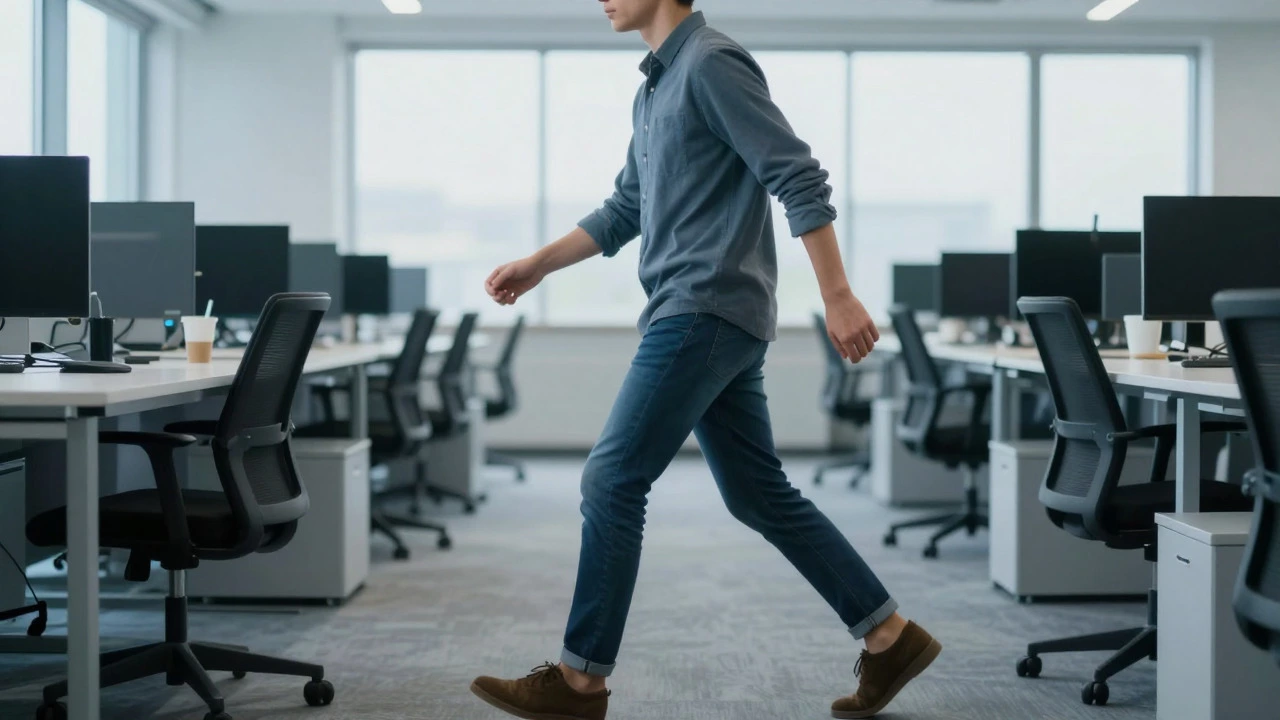
Have you ever felt your legs twitching while sitting in a meeting that feels like it lasts an eternity? Or maybe you catch yourself pacing around the kitchen while thinking about what to do next. If so, you might be familiar with the concept behind the ADHD walk. It’s not a medical diagnosis or a specific exercise routine found in a gym manual. Instead, it’s a community-driven term describing the need for physical movement to regulate focus, calm anxiety, or simply keep the brain from wandering off into daydreams.
For many people with Attention Deficit Hyperactivity Disorder (ADHD), sitting still isn’t just uncomfortable; it can feel physically painful. The body craves input. When the environment is static, the mind often goes quiet or drifts away. This is where the intersection of lifestyle habits and workspace design becomes critical. Understanding how movement affects cognitive function helps explain why standard office setups often fail neurodivergent workers, and why the right office chair is a tool for enabling micro-movements rather than enforcing rigid posture.
The Science Behind the Need to Move
To understand the "walk," we have to look at how the brain processes stimuli. In neurotypical brains, background noise or a stationary position allows the prefrontal cortex to focus on a single task. For those with ADHD, however, the baseline level of stimulation is often too low. This state is sometimes called under-arousal. To compensate, the brain seeks external input. Walking, tapping feet, or swinging in a chair provides proprioceptive feedback-sensory information about body position-that helps anchor attention.
Research suggests that light aerobic activity increases blood flow to the brain, boosting levels of dopamine and norepinephrine. These are the same neurotransmitters targeted by common ADHD medications. While walking doesn't replace medication, it acts as a natural regulator. The "ADHD walk" is essentially a self-regulation strategy. It’s the act of moving when you don't *have* to, purely to maintain mental clarity.
Why Standard Office Setups Fail Neurodivergent Workers
Most traditional office environments are designed for efficiency and uniformity, not individual neurological needs. A standard desk setup assumes the user will sit upright, remain relatively still, and focus on a screen for eight hours. This model works for some, but for many with ADHD, it creates a conflict between the body's need for motion and the job's demand for stillness.
When forced to stay completely still, the brain may start generating its own distractions. You might find yourself reorganizing your desktop icons, checking emails unnecessarily, or staring out the window. These are not signs of laziness; they are signs of sensory deprivation. The lack of dynamic input forces the brain to create chaos internally to stay awake.
This is where furniture choices matter more than most people realize. A chair that locks you into one position can exacerbate restlessness. Conversely, a chair that allows subtle shifts in weight and posture can reduce the urge to leave the desk entirely.
Choosing Furniture That Supports Movement
If you identify with the need for frequent movement, your choice of seating should reflect that. You don't necessarily need to stand up every twenty minutes, though standing desks are a valid option. More often, you need a seat that accommodates fidgeting without causing discomfort or injury.
Here are key features to look for in an ergonomic setup:
- Swivel Mechanism: The ability to rotate easily allows for quick changes in orientation. This small movement can reset your focus without requiring you to stand up.
- Dynamic Lumbar Support: Fixed lumbar bars can feel restrictive. Adjustable or mesh-backed chairs allow the lower back to shift slightly, accommodating natural spinal curves during movement.
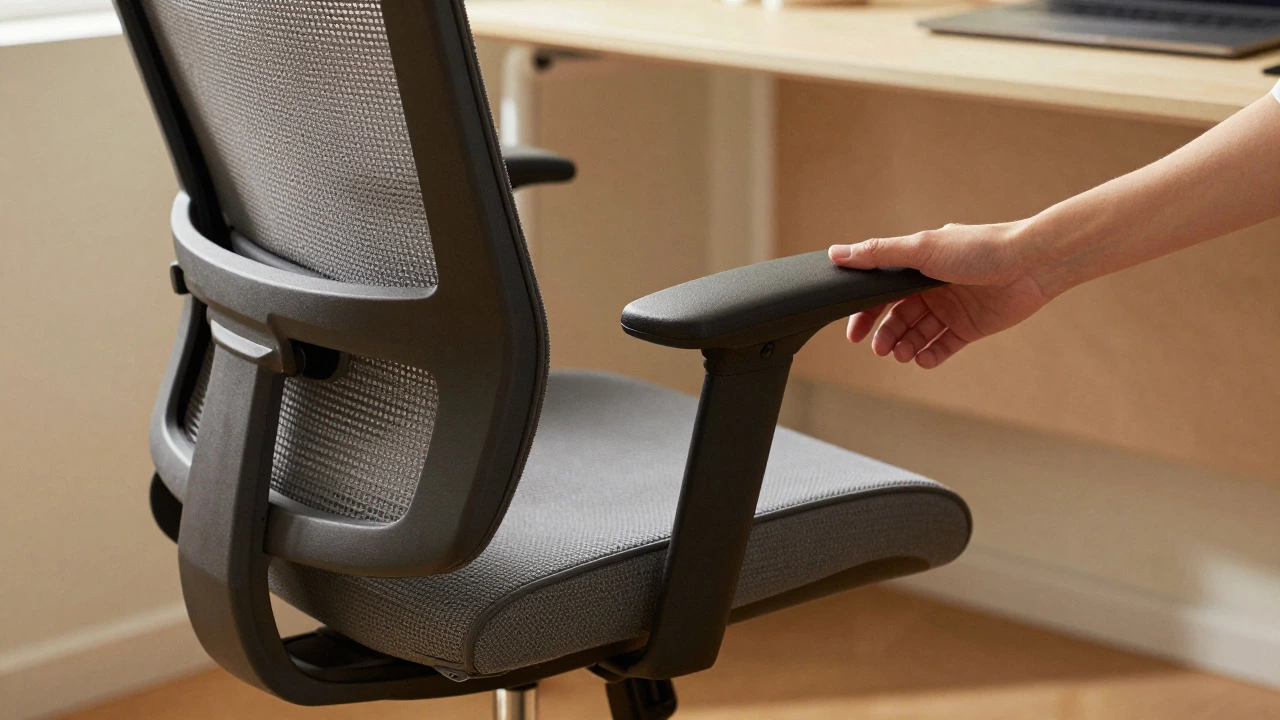
- Armrest Adjustability: Being able to raise or lower armrests lets you change your shoulder position, which engages different muscle groups and keeps the upper body active.
- Material Breathability: Mesh materials reduce heat buildup, which can contribute to irritability and the desire to move away from the source of discomfort.
A high-quality ergonomic office chair is designed to support multiple postures rather than enforcing a single ideal position. Look for chairs that market themselves as supporting "active sitting." This terminology specifically targets users who need to move while seated.
Practical Strategies for Incorporating the ADHD Walk
You don't always have time for a full walk around the block during work hours. Micro-movements are often more practical. Here is how you can integrate movement into your daily routine without disrupting your workflow:
- The Timer Method: Set a silent alarm for every 45-60 minutes. When it goes off, stand up for two minutes. Stretch, grab water, or simply walk to the window. This prevents the buildup of restlessness.
- Walking Meetings: If possible, suggest taking one-on-one calls while walking. Even a slow pace indoors can significantly boost energy levels and creativity.
- Fidget Tools: Use stress balls, resistance bands, or textured pens. These provide tactile input that satisfies the urge to move without requiring you to leave your seat.
- Chair Swiveling: Don't be afraid to swivel gently in your chair. As long as you aren't spinning wildly, this small motion helps engage core muscles and maintain alertness.
The goal isn't to eliminate sitting, but to make sitting less static. By combining these strategies with supportive furniture, you create an environment that works with your brain, not against it.
Comparing Seating Options for Active Users
Not all chairs are created equal, especially for those who need to move. Below is a comparison of common seating types and their suitability for users who experience restlessness.
| Seating Type | Movement Freedom | Sensory Input | Best For |
|---|---|---|---|
| Standard Task Chair | Low | Minimal | Users who prefer fixed positions |
| Active Ergonomic Chair | High | Moderate (via swivel/tilt) | Users needing micro-movements |
| Ball Chair | Very High | High (balance required) | Short bursts of intense focus |
| Standing Desk Station | Variable | High (weight shifting) | Alternating between sitting and standing |
Note that ball chairs, while excellent for engagement, may be too unstable for long periods of typing. They work best as a secondary option for brainstorming or short tasks. Standing desks offer great variation but can cause foot fatigue if used exclusively. The sweet spot for most people is a high-quality active ergonomic chair paired with regular standing breaks.
Creating a Sensory-Friendly Workspace
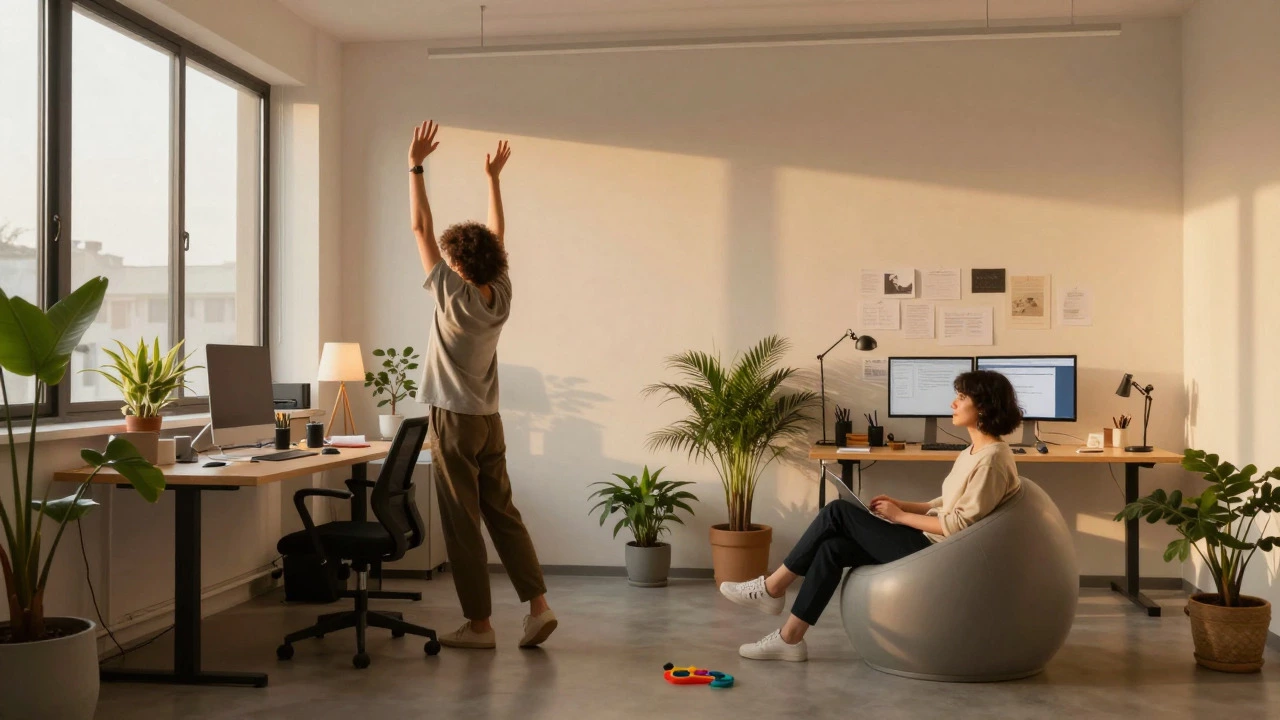
Chairs are only one part of the equation. The surrounding environment also plays a role in how much you need to move. A cluttered or noisy space can increase the urge to escape your seat. Conversely, a calm, organized workspace reduces the need for excessive fidgeting.
Consider adding elements that provide gentle sensory input. Soft lighting can reduce eye strain, which often leads to restlessness. White noise machines or calming music can mask distracting background sounds, allowing your brain to settle. When the external environment is predictable, your internal need for chaotic movement decreases.
Remember, the "ADHD walk" is a personal practice. There is no one-size-fits-all solution. Some people need to walk the perimeter of the office every hour. Others just need a chair that lets them rock back and forth. Listen to your body. If you're constantly adjusting your position, it's telling you something. Your furniture should help you hear that message clearly.
Frequently Asked Questions
Is the ADHD walk a formal medical term?
No, it is a colloquial term used in neurodivergent communities to describe the instinctual need for movement to maintain focus. It is not a clinical diagnosis or a prescribed therapy, but rather a recognized coping mechanism.
Do I need a special chair to manage restlessness at work?
You don't need an expensive specialty chair, but you do need one that supports movement. Look for features like a swivel base, adjustable lumbar support, and breathable materials. Avoid chairs that lock you into a rigid posture.
How often should I take movement breaks?
A good starting point is every 45 to 60 minutes. Take two to five minutes to stand, stretch, or walk. Adjust the frequency based on how well you feel focused. If you start feeling restless before the timer goes off, shorten the interval.
Are standing desks better than sitting for ADHD?
Standing desks offer more variety, which can help with focus. However, standing for eight hours straight can lead to fatigue. The best approach is usually a combination: alternate between sitting in an active chair and standing throughout the day.
Can fidget toys replace the need for walking?
Fidget toys provide tactile input, which can satisfy minor urges to move. However, they don't provide the cardiovascular benefits of walking. For longer periods of focus, combine fidget tools with regular standing or walking breaks.