

Furniture Sale Savings Calculator
Item Details
Savings Comparison
Enter a price and select a sale period to see your potential savings.
Walk into any major furniture store in Melbourne during mid-January and you’ll notice something odd: the price tags are slashed by 40-60%, but the aisles aren’t packed with frenzied shoppers. Instead, there’s a quiet urgency. This is because furniture sale day isn’t a single fixed date like Black Friday; it’s a strategic window driven by inventory cycles, seasonal transitions, and retailer profit margins. For most buyers, the “biggest” sale depends on whether you want maximum discount depth or the widest selection of new arrivals. The truth is, the absolute lowest prices usually happen when retailers need to clear space for incoming stock, not necessarily when marketing budgets peak.
The Real Calendar of Major Furniture Sales
Unlike electronics, where Black Friday dominates, furniture retail follows a product lifecycle. New collections typically launch in late spring (September/October in Australia), meaning old stock becomes obsolete just as winter approaches. This creates two primary peaks for significant discounts: the post-holiday clearance in January and the pre-summer transition in November/December. Understanding this cycle helps you avoid paying full price for items that will be discounted within months.
- January Clearance (The Deepest Discounts): After the Christmas rush, retailers hold massive amounts of unsold holiday stock. To make room for new spring lines arriving in February/March, they slash prices aggressively. Expect 30-50% off floor models and discontinued styles. It’s rare to find brand-new, in-demand pieces at these rates, but if you’re flexible on style, this is your best bet for value.
- Black Friday & Cyber Monday (November): While famous for tech, major furniture chains now treat this period seriously. However, the discounts are often capped at 20-30% for core items. The advantage here is availability-you can still choose from current season collections rather than last year’s leftovers.
- Memorial Day & Labor Day (May & September): In the Northern Hemisphere, these are huge. In Australia, we don’t have direct equivalents, but local retailers often mirror these dates with “Spring Kickoff” or “Autumn Clearout” events. These are moderate sales, good for small items like lamps or rugs, but less impactful for large sofas or beds.
- End-of-Season Transitions (March/April & August/September): As seasons change, so do decor trends. Winter-heavy fabrics get cleared out before summer, and light outdoor furniture gets discounted before autumn. These are niche but effective if you know what’s going out of style.
Why January Often Beats Black Friday for Big Pieces
You might wonder why everyone talks about Black Friday if January offers deeper cuts. The answer lies in inventory management. Furniture is bulky and expensive to store. By late December, warehouses are full. Retailers lose money on storage costs every day they hold unsold stock. Therefore, the motivation to sell in January is financial survival, whereas Black Friday sales are driven by marketing hype and competitive pressure. This means January discounts are structural, while Black Friday discounts are promotional.
Consider a specific scenario: You’re looking for a high-quality three-seater sofa. In November, you might find a 20% discount on a popular model. But in January, that same model-if it didn’t sell well over the holidays-could be marked down 40%. Alternatively, you might find a different, slightly older design at an even lower price point. The trade-off is choice. If you need a specific color or fabric that is currently trending, wait for Black Friday. If you prioritize cost above all else, wait for January.
Strategies to Maximize Your Savings
Knowing when to shop is only half the battle. How you shop determines whether you actually capture those savings. Here are practical tactics used by savvy buyers:
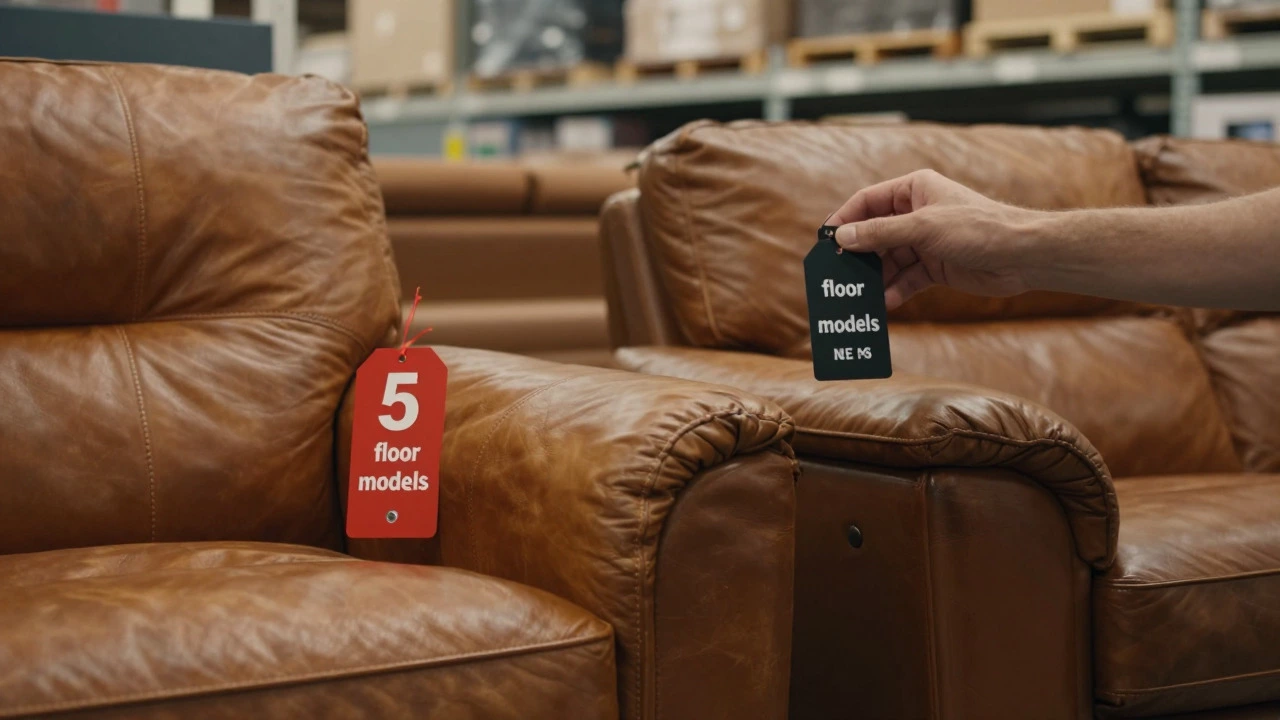
- Shop Floor Models First: Display units are almost always cheaper than warehouse stock. They may have minor cosmetic wear, but structurally, they are identical. Ask staff for the “display discount,” which can add another 10-15% off the already reduced price.
- Check for Open-Box Deals: Many stores have a separate section for returned or open-box items. These are inspected, cleaned, and sold at a steep discount. If you’re buying a TV stand or office chair, this is a no-brainer. For sofas, inspect carefully for stains or odors.
- Stack Promotions: Some retailers allow you to combine a seasonal discount with a loyalty card reward or a credit card offer. Always ask, “Can I apply my points to this sale price?” before checking out.
- Time Your Delivery: During peak sale periods, delivery slots fill up fast. Book your delivery date immediately after purchase. If you’re flexible, choosing a later date sometimes unlocks additional free delivery perks that aren’t advertised upfront.
Comparing the Top Three Sale Windows
To help you decide, let’s break down the pros and cons of the three most significant periods. This comparison assumes you are shopping in Australia, where seasonal patterns differ slightly from North America.
| Sale Period | Average Discount Range | Selection Availability | Best For | Risks |
|---|---|---|---|---|
| January Clearance | 30-50% | Limited (Old Stock) | Maximum savings on big items | Fewer colors/styles; limited warranty on some items |
| Black Friday/Cyber Monday | 20-30% | High (Current Season) | Specific designs/trends | Higher baseline prices; shorter delivery windows |
| Mid-Year (June/July) | 10-20% | Moderate | Small items, decor, accessories | Less impact on major furniture pieces |
Notice how the “Risk” column highlights the trade-offs. January offers the deepest discount but forces you to compromise on aesthetics. Black Friday offers better variety but requires you to pay more relative to the potential low. There is no perfect time-only the right time for your specific needs.
Common Mistakes That Cost You Money
Even if you hit the right sale day, simple errors can erase your savings. The most common mistake is anchoring bias. You see a $2,000 sofa marked down to $1,400 and feel like you’re winning. But if the regular price was inflated to $2,500 just to make the discount look bigger, you’re still overpaying. Always check historical pricing tools or compare across multiple brands before assuming a deal is real.
Another pitfall is ignoring shipping and assembly fees. During major sales, base prices drop, but ancillary costs often stay the same or increase due to high demand. A $500 discount on a bed frame is meaningless if you’re charged $300 for expedited delivery. Factor these into your total budget before committing.

How to Prepare Before the Sale Starts
Don’t wait until the sale begins to start planning. Successful buyers prepare weeks in advance. Start by measuring your space accurately and creating a list of non-negotiable features (e.g., fabric type, size, material). Join email newsletters from your favorite stores early-many send exclusive early-access codes to subscribers before the public sale starts. This gives you a 24-48 hour head start, which is crucial for popular items that sell out quickly.
Finally, set a strict budget. Sales create a false sense of abundance, leading people to buy things they don’t need. Stick to your list. If an item isn’t on it, ask yourself: “Would I buy this at full price?” If the answer is no, skip it, even if it’s 50% off.
Frequently Asked Questions
Is Black Friday really the best day to buy furniture?
Not always. While Black Friday offers good discounts on current season items, January clearance sales often provide deeper discounts (up to 50%) on previous year's stock. If you prioritize specific styles, Black Friday is better. If you prioritize maximum savings, January is superior.
When do furniture stores restock their inventory?
Major restocking typically happens in late spring (September/October in Australia) for summer collections and late autumn (March/April) for winter collections. This means the months preceding these dates (August/September and February/March) are prime times for clearance sales on outgoing stock.
Are online-only furniture sales better than in-store sales?
Online sales often have wider selection and easier price comparison. However, in-store sales allow you to assess quality, comfort, and dimensions physically. Many retailers match online prices in-store, so it’s worth calling ahead to check if your preferred item is available locally during the sale event.
What is the worst time to buy furniture?
The worst times are immediately after a major sale ends (when prices snap back) and during peak moving seasons (like the start of the school year in August/September), when demand is high and discounts are rare. Avoid buying during these periods unless you find a specific clearance item.
Do furniture warranties differ between sale items and regular items?
Generally, no. Most manufacturers offer the same warranty terms for sale items as for full-price items. However, some retailers may shorten the return window for clearance goods. Always read the fine print regarding returns and exchanges before purchasing discounted items.