
Patio Furniture Cleaning Assistant
Best Cleaner:
Tools Needed:
Step-by-Step Removal Process
Select a step to begin
Click on any step on the left to see detailed instructions tailored to your furniture type.
The Mystery of the Green Film
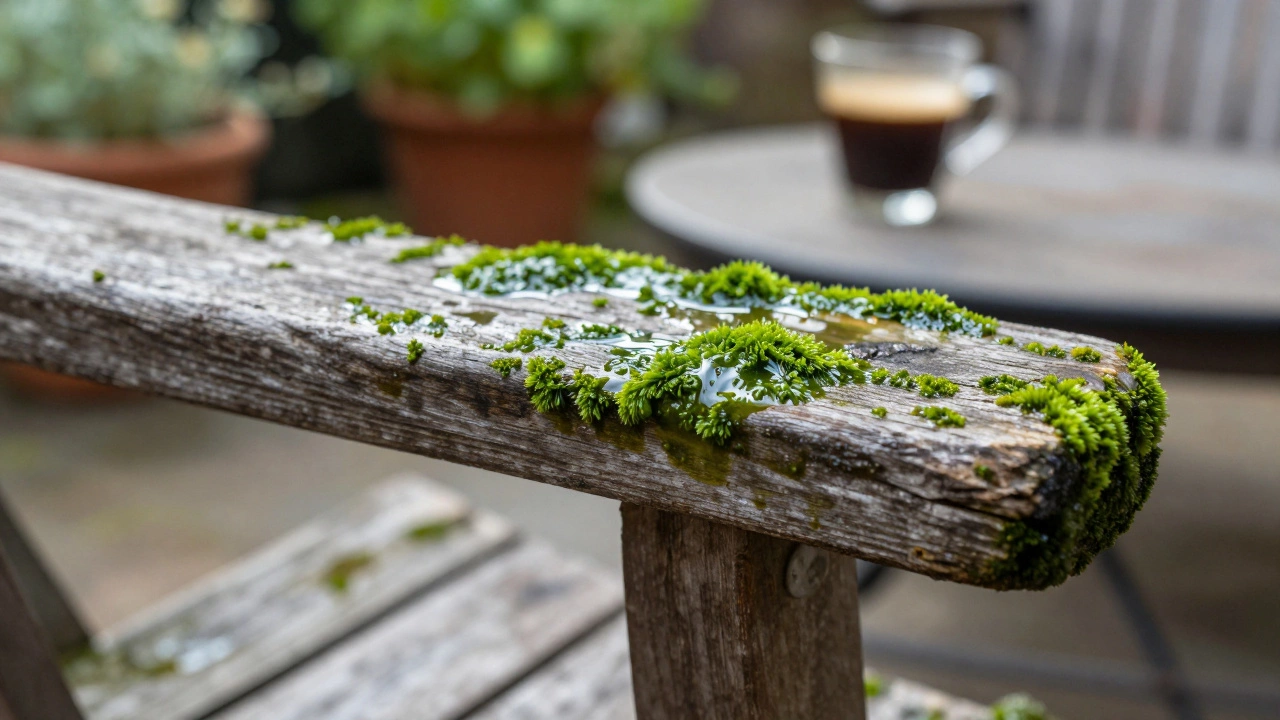
You step outside for your morning coffee, sit down, and suddenly realize your favorite patio furniture is covered in a slimy, bright green layer. It’s gross, it stains, and if you ignore it, it can actually eat away at your materials. That green stuff isn’t just dirt; it’s living organisms thriving in your backyard environment.
This guide breaks down exactly what that green substance is, why it loves your outdoor space so much, and how to get rid of it without damaging your chairs or tables. We’ll cover everything from quick spot cleans to long-term prevention strategies that keep your garden furniture looking fresh all season long.
Identifying the Culprit: Algae, Mold, or Moss?
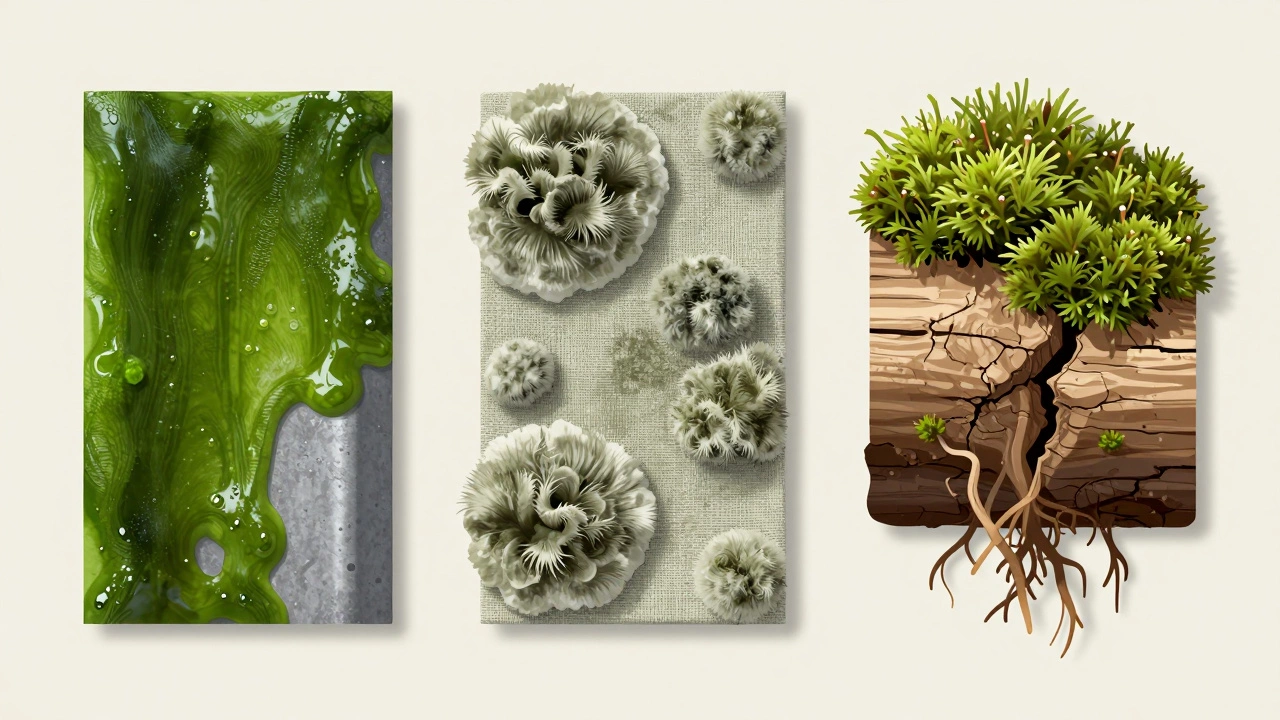
Before you grab the hose, you need to know what you’re fighting. The "green stuff" usually falls into one of three categories, each requiring a slightly different approach.
- Algae: This is the most common offender. It looks like a slippery, bright green film. Algae thrives in damp, shaded areas and spreads rapidly through spores carried by wind or water.
- Mold: Often mistaken for mildew, mold can appear green but frequently shows up as black or gray spots. It tends to be fuzzy or powdery rather than slimy. Mold feeds on organic matter like dust and pollen that settles on your cushions.
- Moss: If you have wooden furniture, moss might take root in cracks or crevices. It looks more like tiny plants with leaves and stems. Moss holds moisture against the wood, accelerating rot.
If it’s slimy and slides under your hand, it’s likely algae. A simple photosynthetic organism that grows in colonies on wet surfaces. If it’s fuzzy and smells musty, you’re dealing with mold. Knowing the difference helps you choose the right cleaner.
Why Your Patio Becomes a Breeding Ground
It feels personal when nature attacks your decor, but there are specific conditions that make your patio a paradise for these organisms. Understanding these factors helps you prevent future outbreaks.
Moisture is the primary driver. Rain, high humidity, dew, and even sprinklers create the wet environment algae needs to survive. If your furniture sits in a low-lying area where water pools, you’ve got a problem. Shade plays a huge role too. While algae needs light to photosynthesize, direct sunlight also dries out surfaces quickly. Furniture tucked under trees or eaves stays damp longer, giving algae plenty of time to establish itself.
Material matters significantly. Porous materials like untreated wood, wicker, and fabric cushions absorb moisture and trap organic debris. Non-porous materials like metal, plastic, and glass are easier to clean because the algae sits on top rather than sinking in. However, if those surfaces aren’t cleaned regularly, biofilm builds up, making it harder for water to rinse them away.
Safe Cleaning Methods by Material Type
Not all cleaners work for all materials. Using bleach on teak can bleach the natural oils out of the wood, turning it gray. Using abrasive scrubbers on powder-coated aluminum can scratch the finish. Here is how to tackle the green stuff based on what your furniture is made of.
| Material | Recommended Cleaner | Tools | Caution |
|---|---|---|---|
| Teak Wood | Teak-specific cleaner or mild soap + warm water | Soft brush, microfiber cloth | Avoid bleach; it strips natural oils |
| Powder-Coated Metal | Diluted dish soap or vinegar solution | Sponge, soft bristle brush | No steel wool; it scratches the coating |
| Plastic / Resin | White vinegar and water (1:1) | Sponge, garden hose | Check label; some plastics fade in sun |
| Wicker / Rattan | Mild dish soap and lukewarm water | Soft toothbrush for crevices | Do not soak; water damages the weave |
| Outdoor Fabric Cushions | OxiClean or enzyme-based cleaner | Gentle hand wash or machine (if allowed) | Air dry only; never put in dryer |
Step-by-Step Removal Process
Once you’ve identified your material and chosen your cleaner, follow this systematic approach to remove the green growth effectively.
- Move the furniture if possible. Taking it to a driveway or open area prevents runoff from staining your pavers or killing nearby plants. If it’s heavy, lay down a tarp underneath.
- Pre-rinse with water. Use a garden hose to loosen surface dirt and debris. This prevents you from grinding grit into the material during scrubbing.
- Apply the cleaning solution. For stubborn algae, let the cleaner sit for 10-15 minutes. Don’t let it dry on the surface. Vinegar solutions work well for general algae, while specialized wood cleaners penetrate deeper into timber grain.
- Scrub gently but thoroughly. Use a soft-bristle brush for delicate materials like wicker or wood. A stiff brush is okay for metal and plastic. Focus on crevices where moisture gets trapped.
- Rinse completely. Residue from cleaners can attract more dirt later. Ensure all soap or vinegar is washed away.
- Dry immediately. Wipe down with a microfiber towel or let it air dry in the sun. Drying kills remaining spores and prevents immediate regrowth.
Natural vs. Chemical Cleaners: What Works Best?
You have two main paths here: eco-friendly household items or heavy-duty commercial products. Both have their place depending on the severity of the infestation.
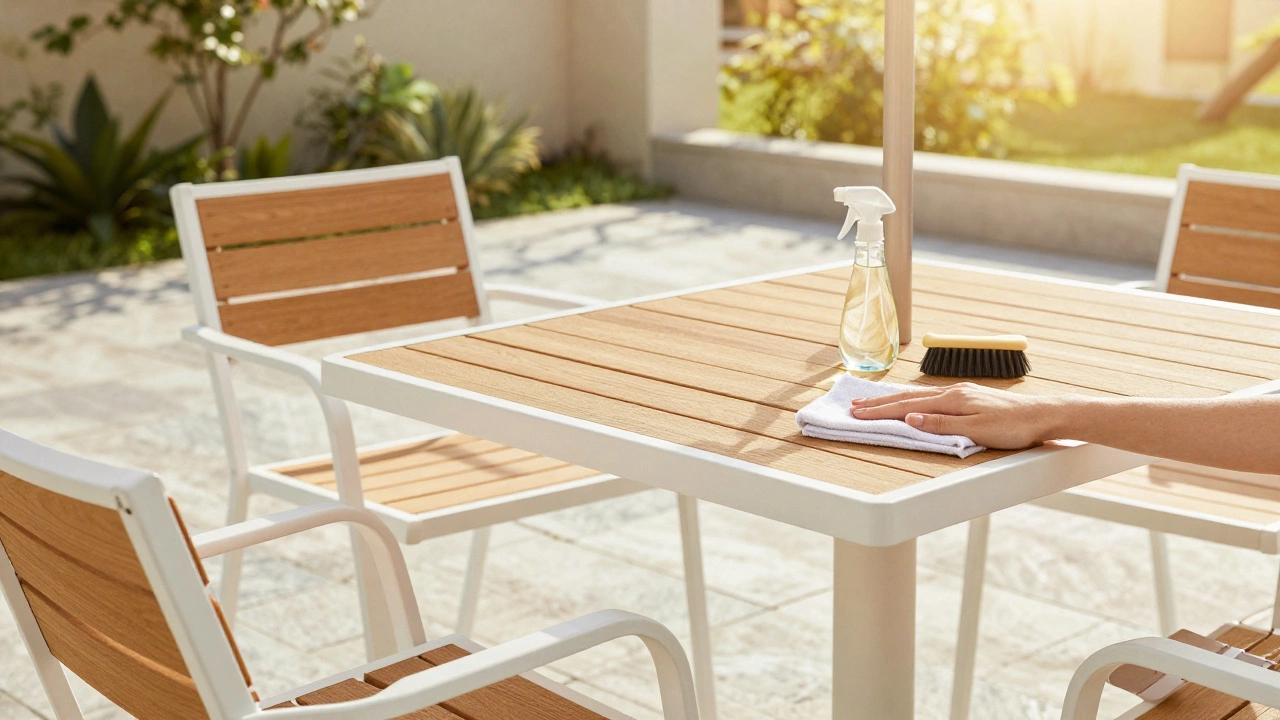
Vinegar is a powerhouse. White distilled vinegar contains acetic acid, which disrupts the cell walls of algae and mold. Mix equal parts vinegar and water in a spray bottle. It’s safe for most materials, non-toxic to pets, and cheap. However, it may require multiple applications for thick layers of growth.
Baking soda adds abrasion. For textured surfaces like concrete planters attached to your furniture or rough wood, baking soda creates a paste that scrubs away biological films without harsh chemicals. Mix baking soda with a little water to form a thick paste, apply, scrub, and rinse.
Commercial algae removers contain biocides. Products labeled specifically for outdoor furniture often contain quaternary ammonium compounds or chlorine-based agents. These kill spores on contact and often include inhibitors to prevent regrowth for weeks. Use these sparingly and always wear gloves. They are effective but can harm surrounding vegetation if they run off.
Prevention Strategies for Long-Term Protection
Cleaning is temporary; prevention is permanent. You can drastically reduce the frequency of green growth by changing how you care for your outdoor space.
Positioning is key. Try to move your furniture to areas with better airflow and more sunlight. Even shifting a table a few feet out from under a dense tree canopy can make a difference. Good airflow dries surfaces faster after rain.
Regular wiping goes a long way. Make it a habit to wipe down your tables and chairs once a week with a dry microfiber cloth. Removing dust and pollen removes the food source for mold and algae. It takes five minutes and saves hours of deep cleaning later.
Use protective covers. High-quality, breathable waterproof covers protect your furniture from rain and UV rays. Look for covers with mesh panels for ventilation. Trapping moisture under a non-breathable plastic sheet creates a greenhouse effect that accelerates mold growth.
Apply sealants annually. For wooden furniture, applying a marine-grade varnish or teak oil creates a barrier that repels water. When water beads up and rolls off, algae can’t stick. Reapply this every spring before the rainy season begins.
Adjust your irrigation. If your automatic sprinklers are blasting your patio furniture directly, adjust the heads. Constant saturation is the fastest way to invite algae. Keep the spray focused on your lawn and plants, not your seating area.
When to Call a Professional
Most patio furniture issues can be handled at home. However, there are times when DIY efforts fall short. If you have antique wrought iron with intricate scrollwork that’s rusted and coated in moss, professional restoration might save it. Similarly, if expensive designer cushions have developed deep-set mold stains that won’t lift after several treatments, a professional upholstery cleaner with steam extraction equipment can salvage them.
If the green growth is accompanied by structural weakness-like wood that crumbles when tapped-it may be rot rather than just surface algae. In these cases, repair or replacement is safer than continued cleaning attempts.
Is the green stuff on my patio furniture harmful to humans?
Generally, no. Algae is not toxic to touch. However, some molds produce spores that can trigger allergies or respiratory issues in sensitive individuals. Always wear gloves and a mask when scrubbing heavily moldy furniture to avoid inhaling spores.
Can I use bleach to clean my patio furniture?
Bleach is effective against mold and algae but should be used with extreme caution. It can discolor wood, damage fabrics, and corrode certain metals. If you must use bleach, dilute it heavily (1 cup bleach per gallon of water), test a small hidden area first, and rinse thoroughly. Never mix bleach with vinegar or ammonia.
How often should I clean my outdoor furniture?
For routine maintenance, wipe down furniture weekly. Perform a deep clean with appropriate cleaners every month during peak summer months. At the end of the season, do a thorough clean and apply protective sealants before storing or covering the furniture.
Will pressure washing damage my patio furniture?
Pressure washing can be risky. High pressure can strip paint from metal, splinter wood, and unravel wicker fibers. If you use a pressure washer, set it to the lowest setting and keep the nozzle at least 12 inches away from the surface. Soft wash techniques using low pressure and detergent are safer alternatives.
Does sunlight help prevent green growth?
Yes, significantly. Sunlight dries out surfaces quickly, depriving algae and mold of the moisture they need to survive. UV rays also have a disinfecting effect. Positioning furniture in sunny spots reduces the likelihood of green buildup compared to shaded, damp areas.