
Patio Furniture Longevity Calculator
Select your preferred material to see a detailed longevity and cost breakdown
Teak Wood
Premium hardwood with natural oils
High Cost Low Maint.Powder-Coated Aluminum
Lightweight rust-proof metal
Medium Cost Very Low Maint.Resin Wicker
Synthetic woven plastic
Low Cost Med. Maint.Cast Iron
Classic heavy ornate style
Low Cost High Maint.Detailed Analysis:
Performance Metrics
Maintenance Tips:
20-Year Cost Projection
Based on average replacement costs over two decades
Final Verdict:
There is nothing worse than spending a fortune on a beautiful dining set only to watch it rust, fade, or rot within two seasons. If you live in Melbourne, where we get four seasons in one day and intense UV exposure during summer, this is a very real nightmare. You want your patio furniture to survive rain, sun, wind, and salt air without looking like it was dragged through a hedge.
The short answer? Teak wood and high-quality powder-coated aluminum are the kings of longevity. But the long answer depends on how much you are willing to maintain them. Let’s break down exactly which materials last the longest, why they work, and what you should avoid if you want your outdoor space to look good for a decade, not just a year.
The Gold Standard: Teak Wood
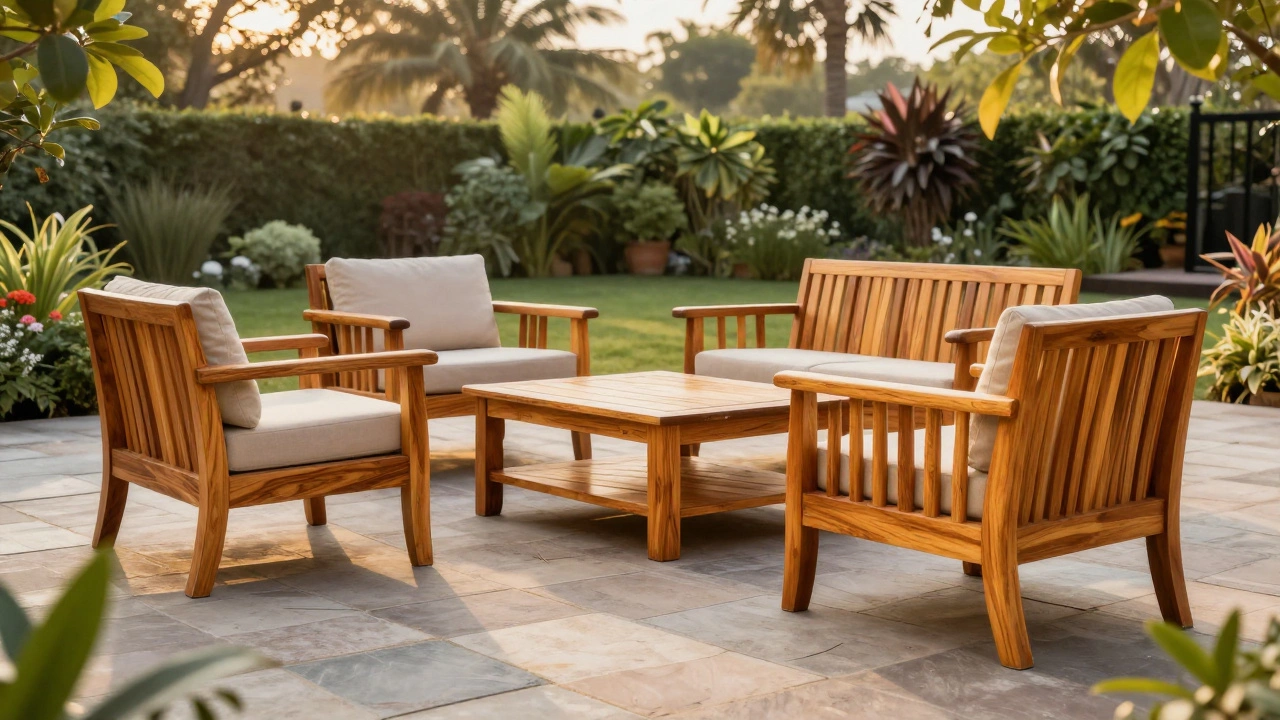
When people talk about furniture that lasts forever, they are usually talking about Teak is a dense tropical hardwood known for its natural oils and silica content, making it highly resistant to rot, insects, and water damage. It has been used for shipbuilding for centuries because it doesn’t degrade easily when exposed to moisture.
Grade A teak is solid heartwood with no sapwood. This is crucial. Sapwood rots quickly. If you buy cheap "teak" from a big-box store, check if it’s mixed with rubberwood or acacia. Real teak costs more upfront, but it can last 20 to 50 years. Over time, untreated teak turns a silvery-gray color. Some people love this weathered look; others prefer the golden honey tone. To keep the honey color, you need to apply teak oil annually. If you don’t care about the color, just let it be. It will still be structurally sound decades later.
- Lifespan: 20-50+ years
- Maintenance: Low (optional cleaning/oiling)
- Pros: Naturally resistant to rot and insects, ages beautifully, heavy enough to resist wind
- Cons: Very expensive initially, heavy to move, shrinks slightly over time requiring tightening of joints
The Lightweight Champion: Powder-Coated Aluminum
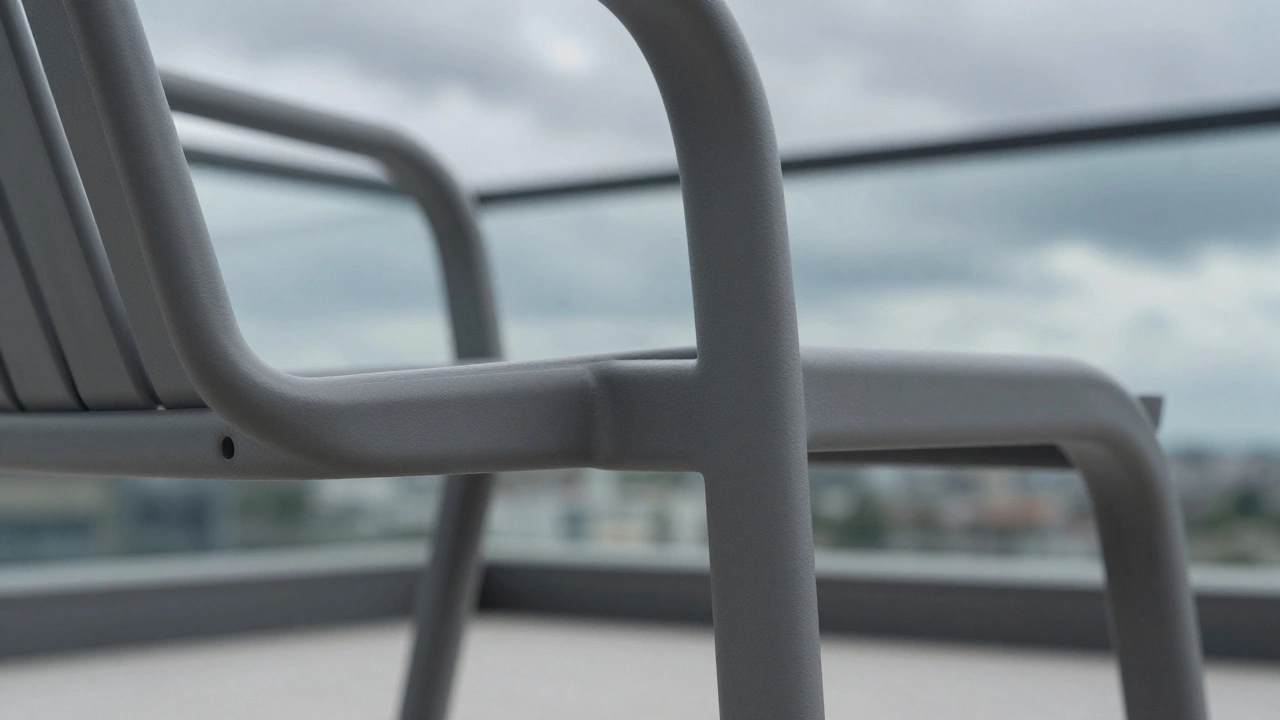
If you hate the weight of wood or worry about rust eating away at your steel frames, aluminum is your best bet. Specifically, you want Powder-Coated Aluminum is aluminum metal treated with a static-charged dry paint finish that cures under heat, creating a hard, scratch-resistant, and corrosion-proof layer. Unlike liquid paint, powder coating bonds chemically with the metal. It doesn’t peel or chip easily.
In Melbourne’s humid summers, standard steel will rust if the coating gets scratched. Aluminum doesn’t rust at all. It might oxidize, but a good powder coat prevents that. Look for brands that use marine-grade aluminum or thick-walled tubing. Thin aluminum bends and feels flimsy. Heavy-duty aluminum frames can last 15 to 20 years without any structural issues. Plus, you can stack them or move them around when it rains.
- Lifespan: 15-20 years
- Maintenance: Very low (wipe down with soap and water)
- Pros: Rust-proof, lightweight, modern aesthetic, affordable compared to teak
- Cons: Can feel less "substantial" than wood, thin gauges can dent, cushions may need replacing sooner due to sun exposure
The Controversial Choice: Wicker and Rattan
You see wicker everywhere. It looks cozy and stylish. But here is the truth: natural rattan rots if left outside in the rain. So, most outdoor wicker is actually synthetic resin. Synthetic Resin Wicker is plastic-based weaving material designed to mimic natural rattan while offering resistance to UV rays, moisture, and temperature changes.
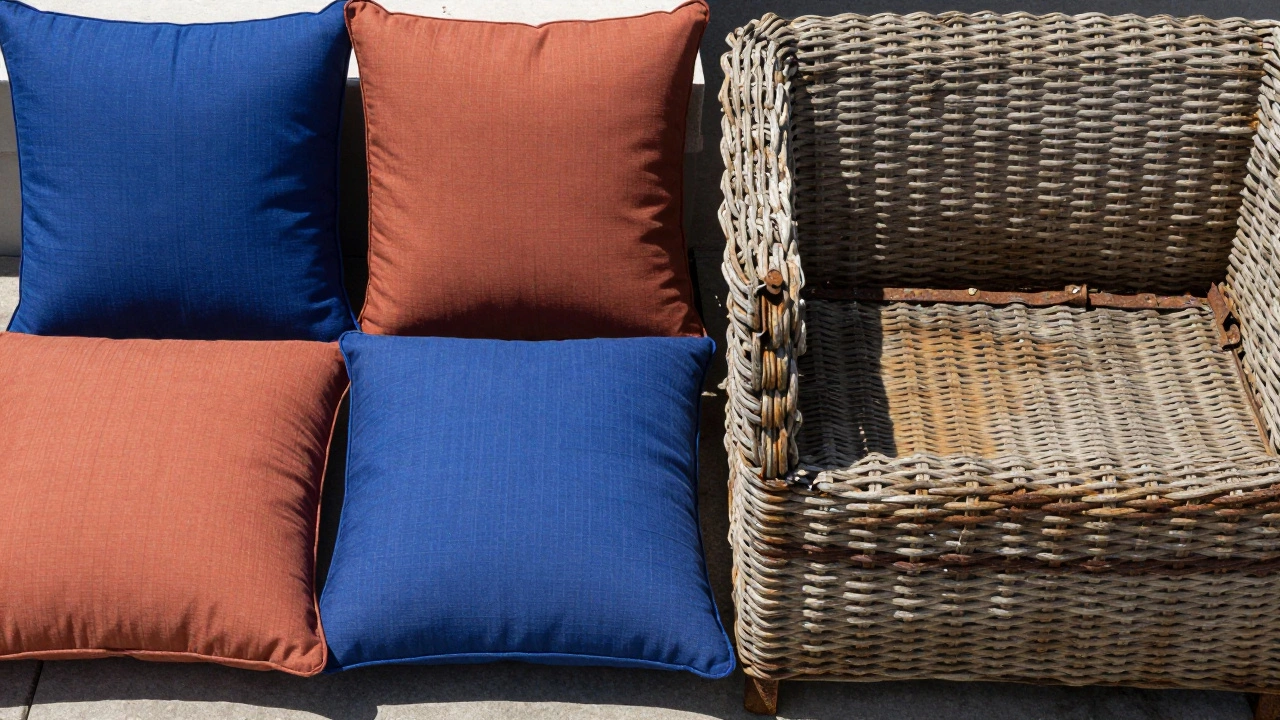
High-quality resin wicker is woven over an aluminum frame. This combination is durable. However, UV rays are the enemy. Even "UV-resistant" wicker will fade after a few years. The weave can also crack in extreme cold or become brittle in intense heat. In Australia, where our sun is harsh, expect to replace the weave every 7 to 10 years. The frame might last longer, but once the plastic starts cracking, the whole piece looks tired.
- Lifespan: 7-10 years (weave), 15+ years (frame)
- Maintenance: Medium (clean regularly to prevent mold/mildew in crevices)
- Pros: Comfortable, wide variety of styles, affordable
- Cons: Fades in sun, plastic can crack/become brittle, difficult to repair if unwoven
Why Steel and Iron Fail Outdoors
Cast iron and wrought iron look classic and heavy. They feel permanent. But unless they are professionally painted and maintained, they are death traps for durability. Rust is inevitable. Once rust starts, it spreads underneath the paint. You have to sandblast and repaint them every year or two to keep them alive.
If you really love the look of iron, look for Cast Aluminum is aluminum molded into intricate shapes that mimic cast iron, providing the same ornate aesthetic without the risk of rust or excessive weight. It gives you the vintage vibe without the maintenance headache. Avoid cheap steel unless it is galvanized and powder-coated, and even then, it won’t beat teak or aluminum in the long run.
The Hidden Killer: Cushions and Fabrics
Your frame might last 20 years, but your cushions might last two. This is where most people fail. Cheap polyester rips and fades. You need Solution-Dyed Acrylic Fabric is fabric dyed before the fiber is spun, locking the color into the core of the yarn, making it highly resistant to fading, stains, and mildew. Brands like Sunbrella are the industry standard. They cost more, but they withstand bleach cleaning and intense sun without losing color.
Also, check the filling. Foam degrades in humidity. High-density foam wrapped in a waterproof membrane is better. Or, consider quick-dry foam that allows air circulation. Never leave wet cushions out overnight. Mold grows fast in Australian summers.
Material Comparison Table
| Material | Avg. Lifespan | Maintenance Level | Weather Resistance | Cost Range |
|---|---|---|---|---|
| Teak Wood | 20-50+ years | Low | Excellent | $$$$ |
| Powder-Coated Aluminum | 15-20 years | Very Low | Excellent | $$-$$$ |
| Resin Wicker | 7-10 years | Medium | Good | $$ |
| Cast Iron | 5-10 years* | High | Poor (rusts) | $$ |
| Stainless Steel | 15-25 years | Low | Excellent | $$$-$$$$ |
*Cast iron lifespan assumes regular repainting and rust treatment.
How to Make Any Furniture Last Longer
Even the best furniture fails if you abuse it. Here are practical steps to extend the life of your investment:
- Use Covers: Buy breathable, waterproof covers. Don’t use plastic tarps-they trap moisture and cause mold. Cover furniture when it’s raining or during winter months.
- Store Cushions Indoors: If possible, bring cushions inside at night. This single habit doubles their lifespan.
- Clean Regularly: Salt air (if you’re near the coast) and pollen eat away at finishes. Wipe down metal frames with soapy water every month. Brush off wood to remove dirt buildup.
- Tighten Joints: Wood expands and contracts. Check screws and bolts twice a year. Loose joints lead to wobbling and eventual breakage.
- Avoid Direct Heat Sources: Don’t place glass-topped tables next to fire pits without proper spacing. Thermal shock can crack glass and warp wood.
Common Mistakes That Ruin Outdoor Furniture
I see these errors constantly. Avoid them:
- Buying "Indoor-Only" Furniture for Outside: Just because it looks nice doesn’t mean it’s rated for outdoors. Check the label.
- Ignoring Drainage Holes: Ensure your table bases and chair legs have drainage holes. Water pooling in hollow tubes causes internal rust.
- Using Harsh Chemicals: Bleach can weaken acrylic fabrics over time. Use mild detergent instead.
- Leaving Furniture in Standing Water: Elevate furniture legs with small feet or pads to prevent bottom rot in wood and rust in metal.
Final Thoughts on Investment vs. Cost
If you want the absolute longest-lasting patio furniture, spend the money on Grade A Teak or heavy-gauge Powder-Coated Aluminum. Yes, they cost more now. But think about the replacement cycle. Cheap resin sets need replacing every five years. Over twenty years, you’ll buy four cheap sets and pay more than one high-quality set. Plus, you’ll deal with the hassle of disposal and setup repeatedly.
Durability isn’t just about the material; it’s about construction. Look for double-screwed joints, welded corners, and thick materials. Ask questions. If the seller can’t tell you what grade of aluminum or wood it is, walk away. Your backyard deserves better than disposable decor.
Is teak furniture worth the high price?
Yes, if you plan to keep it for more than 10 years. Teak requires almost no maintenance and naturally resists rot and insects. While the upfront cost is high, its lifespan of 20-50 years makes it cheaper per year than replacing cheaper sets every few years.
Does aluminum patio furniture rust?
No, aluminum does not rust because it lacks iron. However, it can oxidize if the powder coating is damaged. High-quality powder-coated aluminum provides an extra layer of protection against oxidation, scratches, and UV damage.
What is the best fabric for outdoor cushions?
Solution-dyed acrylic fabric, such as Sunbrella, is the best choice. The dye is embedded in the fiber, making it highly resistant to fading from sun, staining from spills, and growth of mildew. Polyester blends are cheaper but fade and rip faster.
How do I protect my patio furniture in winter?
Clean the furniture thoroughly, let it dry completely, and cover it with breathable, waterproof covers. If possible, store cushions indoors. For metal furniture, ensure drainage holes are clear to prevent water accumulation inside frames.
Can I leave resin wicker furniture outside year-round?
Technically yes, but it will degrade faster. UV rays cause the plastic to become brittle and fade. Extreme temperature swings can cause cracking. Using covers and storing it in a shaded area during harsh weather will significantly extend its life.
What is the difference between Grade A and Grade B teak?
Grade A teak is 100% heartwood with high natural oil content, making it highly durable and uniform in color. Grade B may contain sapwood, which has lower oil content and is prone to rotting and discoloration. Always ask for Grade A for outdoor use.
Is stainless steel better than aluminum for patio furniture?
Stainless steel is extremely durable and rust-resistant, often lasting 15-25 years. However, it is heavier and more expensive than aluminum. Aluminum offers similar rust resistance with less weight and lower cost, making it a more popular choice for most homeowners.