
Fitted vs. Freestanding Wardrobe Calculator
Your Requirements
Enter your details and click Compare Options to see the breakdown.
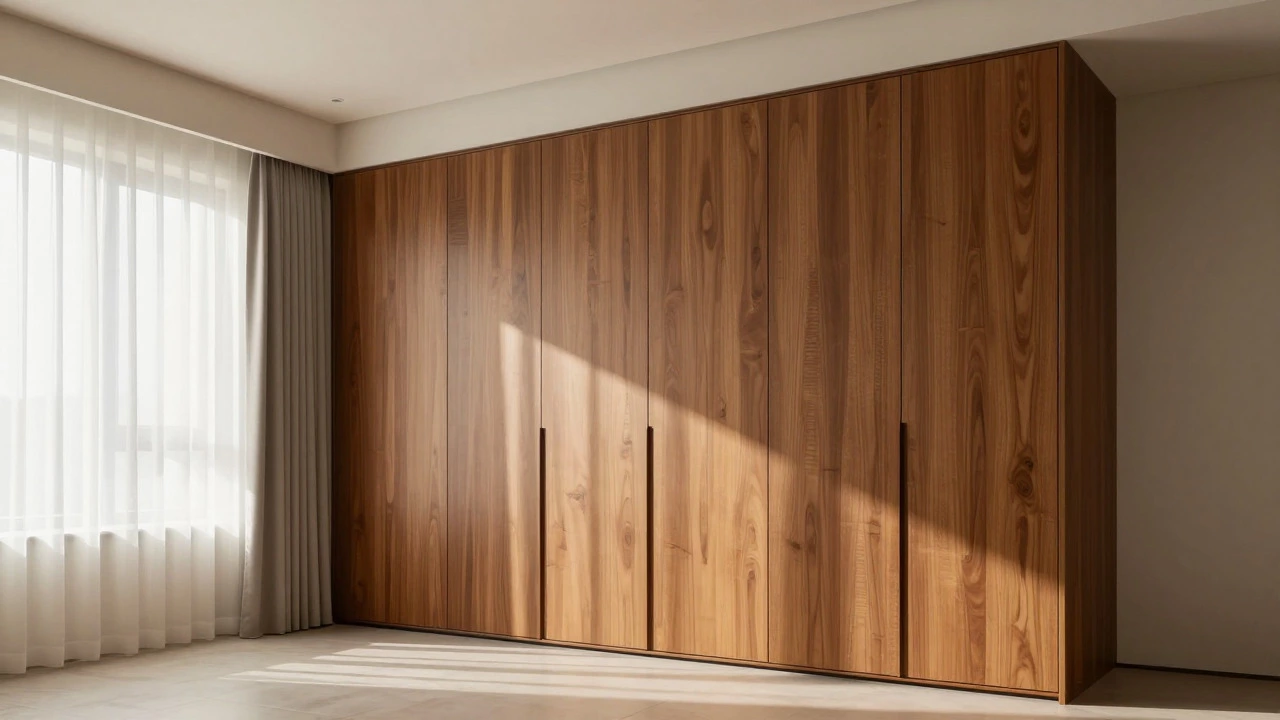
Imagine standing in your bedroom, staring at a wall of sleek, floor-to-ceiling cabinets that look like they were made for your room. It’s the dream, right? Perfect use of space, seamless design, no gaps for dust bunnies to hide in. But then you realize you can’t take it with you when you move. Or worse, you notice a slight warp in the door after just six months because the house settled. Suddenly, that perfect solution feels like a trap.
Fitted wardrobes are popular for good reason. They maximize every inch of available space and offer a clean, custom look that freestanding furniture simply cannot match. However, the phrase "what is the problem with fitted wardrobes" usually stems from two main pain points: the difficulty of removing them later and the potential for hidden defects during installation. If you are considering installing one, or perhaps inheriting one in a new home, understanding these pitfalls is crucial before you commit.
The Permanence Problem: You Can't Take It With You
The biggest issue with fitted wardrobes is their name itself: they are fitted. Unlike a standalone IKEA Pax or a vintage armoire you can drag out the door, a fitted wardrobe is bolted, screwed, and glued into your home's structure. This creates a significant headache if you plan to move in the near future.
Can I remove a fitted wardrobe myself?
Technically yes, but it is rarely worth the effort. Removing a fitted wardrobe involves unscrewing multiple fixings, prying off panels, and often dealing with adhesive residue on walls and skirting boards. Most homeowners find that the damage caused during removal outweighs the value of the materials recovered. Professional removal services exist, but they charge for labor and disposal, which can cost hundreds of dollars.
When you sell your house, fitted wardrobes generally stay with the property. In real estate terms, they are considered "fixtures." This means you don't get to keep them, but you also don't have to worry about selling them separately. However, this becomes a problem if the previous owner installed cheap units that are now showing wear and tear. You might be stuck with a style you dislike or hardware that is broken, and replacing just one section is difficult because matching wood grain and laminate finishes years later is nearly impossible.
Installation Risks: The Devil Is in the Details
A fitted wardrobe is only as good as its installation. Because these units are custom-built to fit specific dimensions, there is zero margin for error. If the installer measures incorrectly, or if the walls in your home are not perfectly plumb (vertical) or level, problems arise immediately.
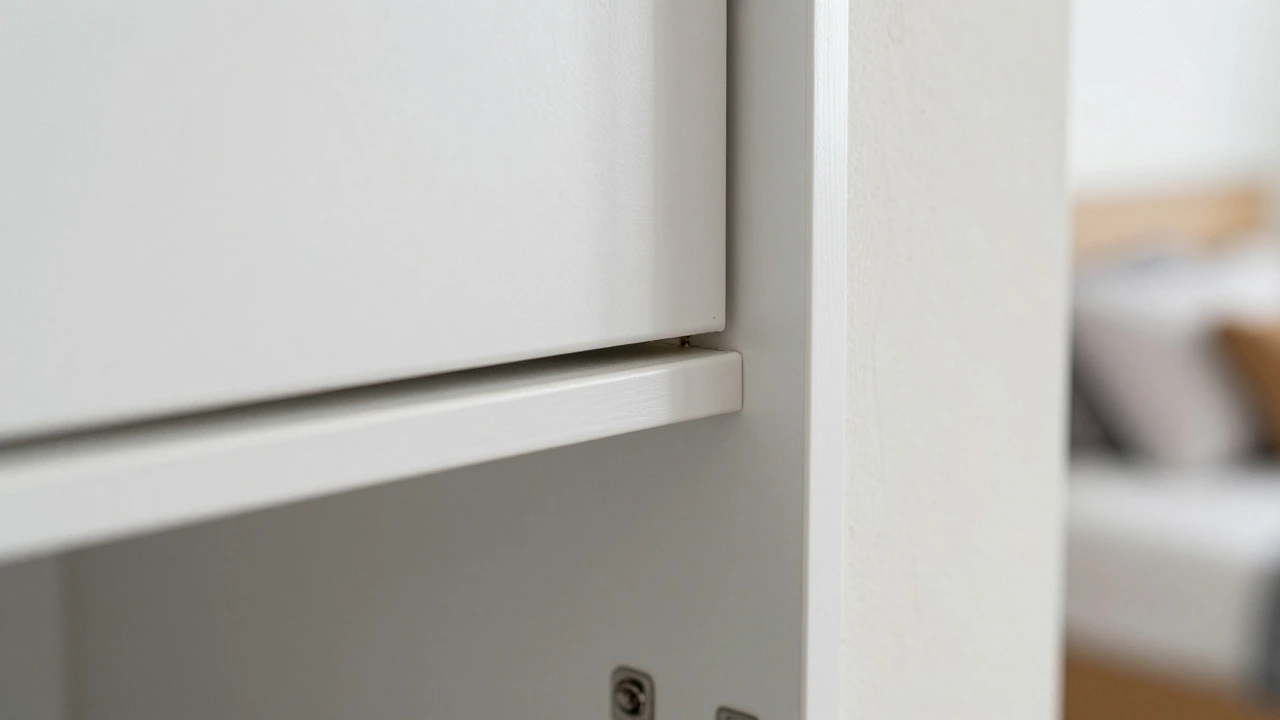
- Gaps and Misalignments: If the walls are uneven, the wardrobe doors may not close properly. You might see visible gaps between the panels, ruining the sleek aesthetic you paid for.
- Door Warping: Cheap particleboard cores used in budget fitted wardrobes can absorb moisture from the air. Over time, especially in humid climates or poorly ventilated rooms, the doors can warp. Once warped, they won't align with the hinges, leading to sticking or falling off entirely.
- Structural Damage: To secure heavy wardrobes, installers drill into walls. If they hit a stud incorrectly or use weak anchors, the unit could pull away from the wall under the weight of clothes. Conversely, aggressive drilling can crack plaster or drywall, requiring repairs before you even start using the unit.
I once helped a friend who hired a low-cost installer for his master bedroom. The quotes were tempting, but the installer rushed the job. Within three months, the top shelf sagged because the internal supports weren't anchored securely to the back panel. By the time he called for a repair, the installer had gone out of business. Always check reviews and ask for references before signing a contract for custom joinery.
Cost vs. Value: Are They Worth the Investment?
Fitted wardrobes are significantly more expensive than freestanding options. A basic freestanding wardrobe might cost $500-$1,000, while a comparable fitted unit can range from $3,000 to $10,000 depending on materials and complexity. This high upfront cost is a major drawback for many homeowners.
| Feature | Fitted Wardrobe | Freestanding Wardrobe |
|---|---|---|
| Initial Cost | High ($3,000+) | Low to Medium ($500-$2,000) |
| Space Efficiency | Excellent (uses awkward corners) | Moderate (leaves gaps) |
| Mobility | None (permanent fixture) | High (easy to move) |
| Resale Value | Adds to home value if high quality | No impact on home value |
| Customization | Full customization possible | Limited to manufacturer designs |
However, the return on investment depends heavily on the quality of the materials. High-end fitted wardrobes made from solid wood or premium MDF with soft-close hinges can increase the perceived value of a bedroom. Buyers love the idea of "move-in ready" storage. On the other hand, cheap fitted wardrobes with flimsy shelves and noisy sliding tracks can actually deter buyers who see them as a liability needing replacement.
Design Limitations and Future-Proofing
Another subtle problem with fitted wardrobes is that they lock you into a specific design aesthetic. Trends change. Five years ago, open shelving within wardrobes was trendy. Today, fully enclosed doors are preferred for a minimalist look. If you have a fitted wardrobe with exposed shelves, you can't easily add doors without a complete overhaul.
Furthermore, your storage needs evolve. When you first buy a home, you might prioritize hanging space for suits and dresses. Ten years later, with children or hobbies, you might need more drawer space for toys or tools. A freestanding wardrobe allows you to reconfigure or replace units as needed. A fitted wardrobe requires professional modification, which is costly and disruptive.
How to Avoid Common Pitfalls
If you decide that the benefits of space efficiency outweigh the drawbacks, here are practical steps to minimize risks:
- Choose Reputable Installers: Don't just go with the cheapest quote. Look for companies with warranties on both materials and labor. Ask specifically about how they handle uneven walls.
- Invest in Quality Materials: Opt for thicker core boards (at least 18mm) for shelves to prevent sagging. Use moisture-resistant boards if you live in a humid area.
- Plan for Flexibility: Even within a fitted system, choose modular internal components. Adjustable shelves and drawers allow you to adapt the layout without rebuilding the entire unit.
- Check Ventilation: Ensure there is adequate airflow inside the wardrobe to prevent mold and mildew, especially if storing natural fibers like wool or cotton.
Alternatives to Consider
If the permanence and cost of fitted wardrobes give you pause, consider these alternatives:
- Sliding Door Systems: These are semi-fitted solutions that sit on top of existing wardrobes or freestanding units. They offer a sleek look without permanent attachment to walls.
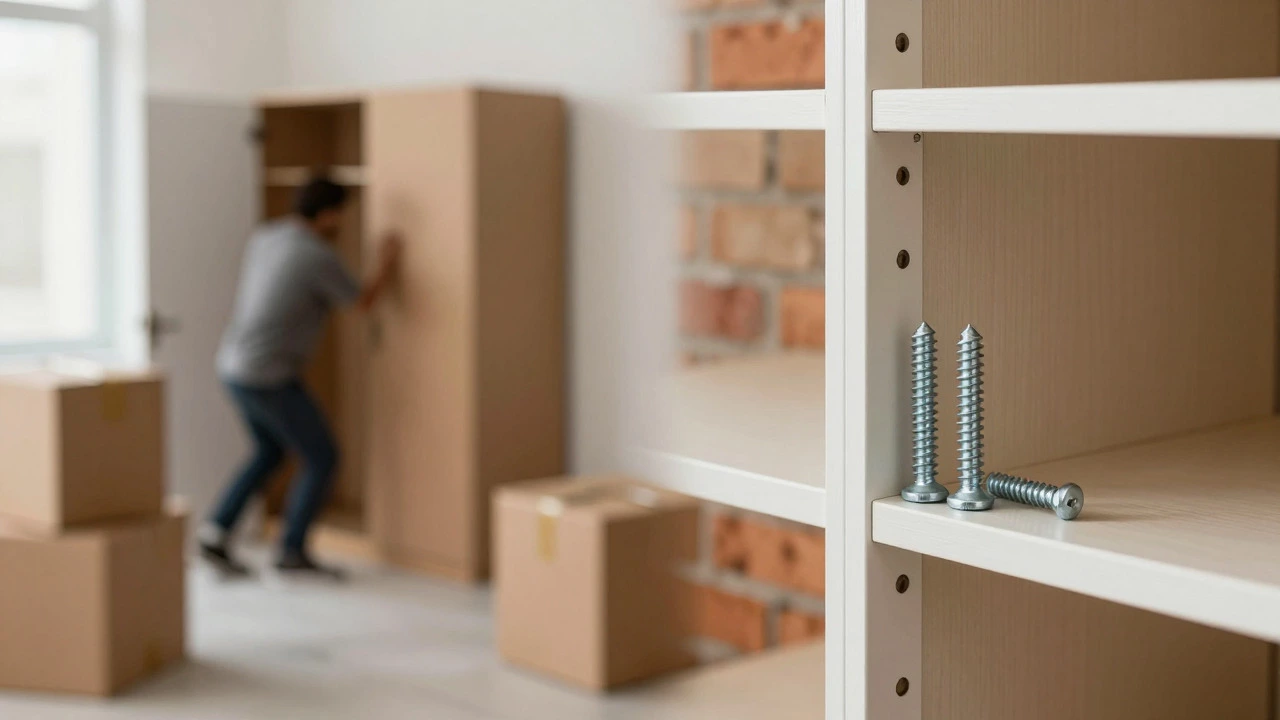
- Modular Freestanding Units: Brands like IKEA offer systems that can be combined to fill a wall space. They are not truly fitted, but they can look seamless and are much easier to move or upgrade.
- Closet Organizers: Instead of building a full wardrobe, install adjustable shelving and hanging rods inside an existing alcove or closet. This is cheaper and less invasive.
Final Thoughts on Making the Right Choice
Fitted wardrobes are not inherently bad; they are just highly specific solutions. They work best for people who plan to stay in their homes for a long time, have irregular room shapes that waste space with standard furniture, and want a high-end, customized look. For renters, frequent movers, or those on a tight budget, the problems associated with fitted wardrobes-immobility, high cost, and installation risks-often outweigh the benefits.
Before committing, ask yourself: Will I still love this design in ten years? Am I comfortable paying a premium for space efficiency? Do I trust the installer to do a flawless job? If the answer to any of these is no, you might want to explore freestanding or modular alternatives instead.
Do fitted wardrobes add value to a house?
Yes, high-quality fitted wardrobes can add value by maximizing usable space and improving the aesthetic appeal of bedrooms. However, cheap or poorly installed units may not provide a return on investment and could even be seen as a negative by buyers who prefer flexibility.
How long do fitted wardrobes last?
With proper installation and quality materials, fitted wardrobes can last 15-20 years or more. Cheaper units using thin particleboard may show signs of wear, such as sagging shelves or warped doors, within 5-10 years.
Can I paint a fitted wardrobe?
Yes, you can paint most fitted wardrobes, especially those made from MDF or solid wood. Laminate surfaces require special preparation, including sanding and priming, to ensure the paint adheres properly. Painting is a cost-effective way to update the look without replacing the unit.
Are sliding door wardrobes better than hinged doors?
Sliding doors save space in front of the wardrobe, making them ideal for small rooms or narrow hallways. However, hinged doors offer better access to the entire interior and are generally more durable over time, as sliding mechanisms can jam or break.
What is the average cost of a fitted wardrobe?
The average cost ranges from $3,000 to $10,000, depending on size, materials, and complexity. Basic models with standard finishes are on the lower end, while custom designs with premium woods, soft-close hinges, and integrated lighting can exceed $15,000.