
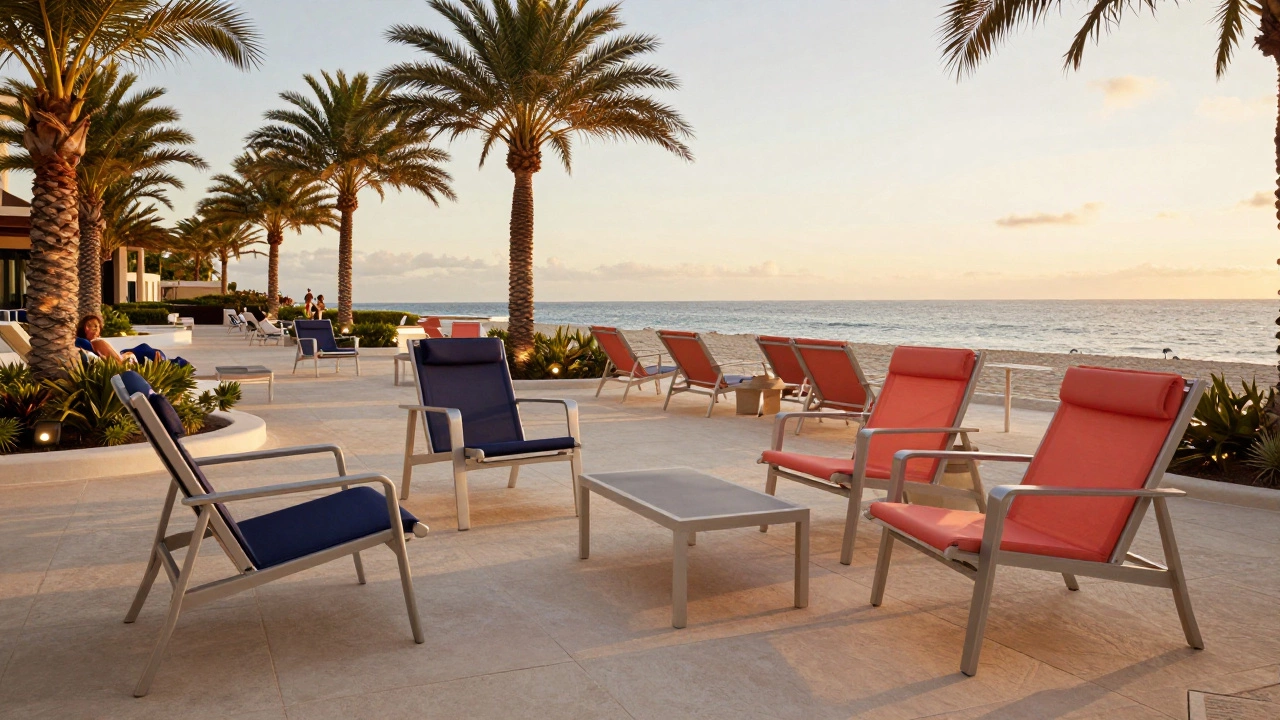
When you think of durable, low-maintenance outdoor furniture, POLYWOOD quickly comes to mind. It’s the brand that turned recycled plastic into sleek, weatherproof loungers, dining sets, and rocking chairs that last for decades. But if you’ve shopped for outdoor furniture lately, you’ve probably seen other names popping up-brands that look almost identical, price themselves similarly, and promise the same no-fade, no-rot, no-maintenance lifestyle. So who’s really giving POLYWOOD a run for its money?
The Real Challenger: Tropitone
Tropitone isn’t just another outdoor furniture brand. It’s been around since 1946, long before POLYWOOD even existed. While POLYWOOD built its reputation on recycled plastic lumber, Tropitone carved out its space with commercial-grade aluminum frames and high-performance fabrics. You’ll find Tropitone in luxury resorts, hotel patios, and high-end residential decks across the U.S. and Europe.Here’s the key difference: POLYWOOD is all about solid, molded plastic. Tropitone is about engineered metal and performance textiles. Both are weatherproof. Both are low maintenance. But Tropitone’s strength lies in its ability to handle heavy commercial use-think 100+ chairs in a restaurant patio, exposed to salt air, sun, and constant cleaning. That’s why many landscape designers and hotel contractors choose Tropitone over POLYWOOD when durability under pressure matters.
Why Tropitone Wins on Commercial Use
If you’ve ever sat in a POLYWOOD chair at a beachside café and noticed it wobbling after a few months, you’re not alone. The plastic frame, while strong, can flex slightly under constant stress. Tropitone’s aluminum frames, on the other hand, are powder-coated and structurally reinforced. They don’t flex. They don’t sag. And they’re rated for 50,000+ cycles of use in commercial testing labs.Plus, Tropitone offers a wider range of fabric options. While POLYWOOD sticks to a few standard colors in its plastic, Tropitone partners with Sunbrella and other fabric leaders to deliver over 100 fade-resistant textile choices. Want a deep navy with a textured weave? Or a bright coral that holds up in desert sun? Tropitone has it. POLYWOOD doesn’t.
Price and Value: It’s Not Always About Cost
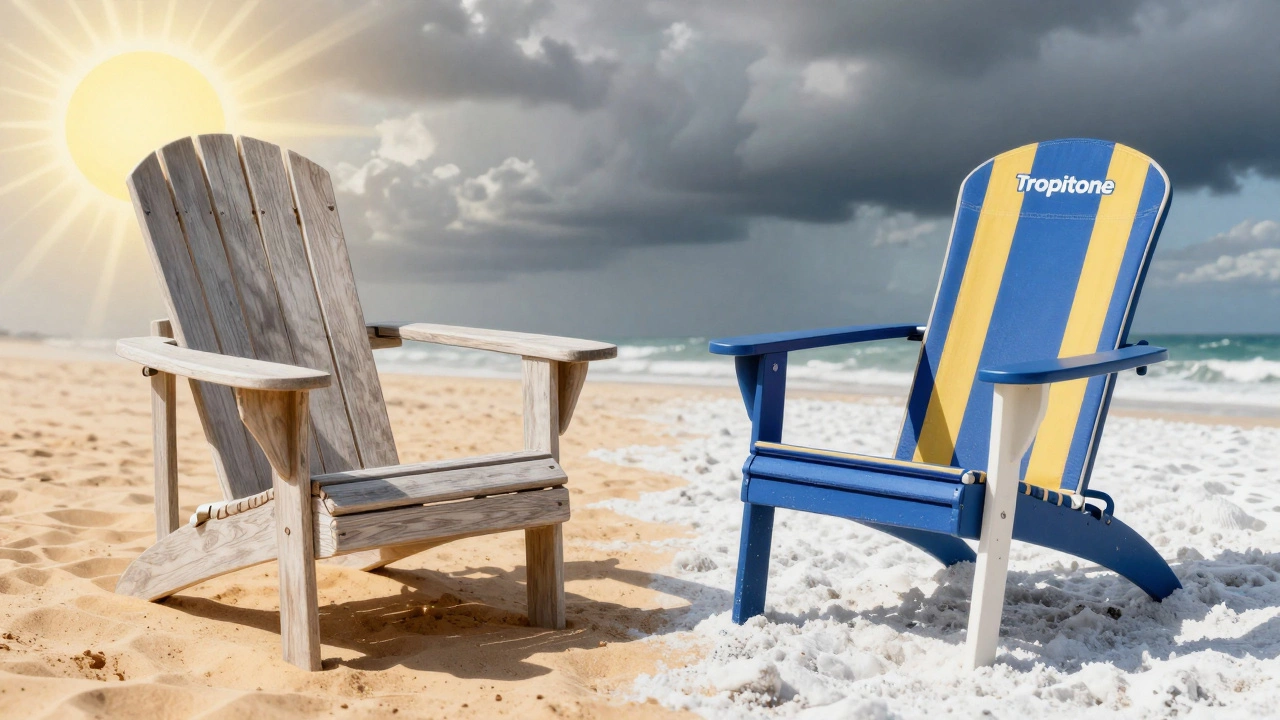
At first glance, POLYWOOD looks cheaper. A POLYWOOD Adirondack chair runs around $350. A comparable Tropitone model starts at $450. But here’s what most people miss: Tropitone’s warranty is lifetime on the frame, 5 years on fabric, and includes free replacement parts. POLYWOOD offers a 20-year warranty on the plastic, but if a leg cracks or a screw strip, you’re on your own for repairs.One homeowner in Florida replaced three POLYWOOD dining sets over 12 years because the plastic became brittle after constant UV exposure. The same person bought one Tropitone set in 2019-and it still looks brand new. That’s not just durability. That’s long-term value.
Other Contenders You Should Know
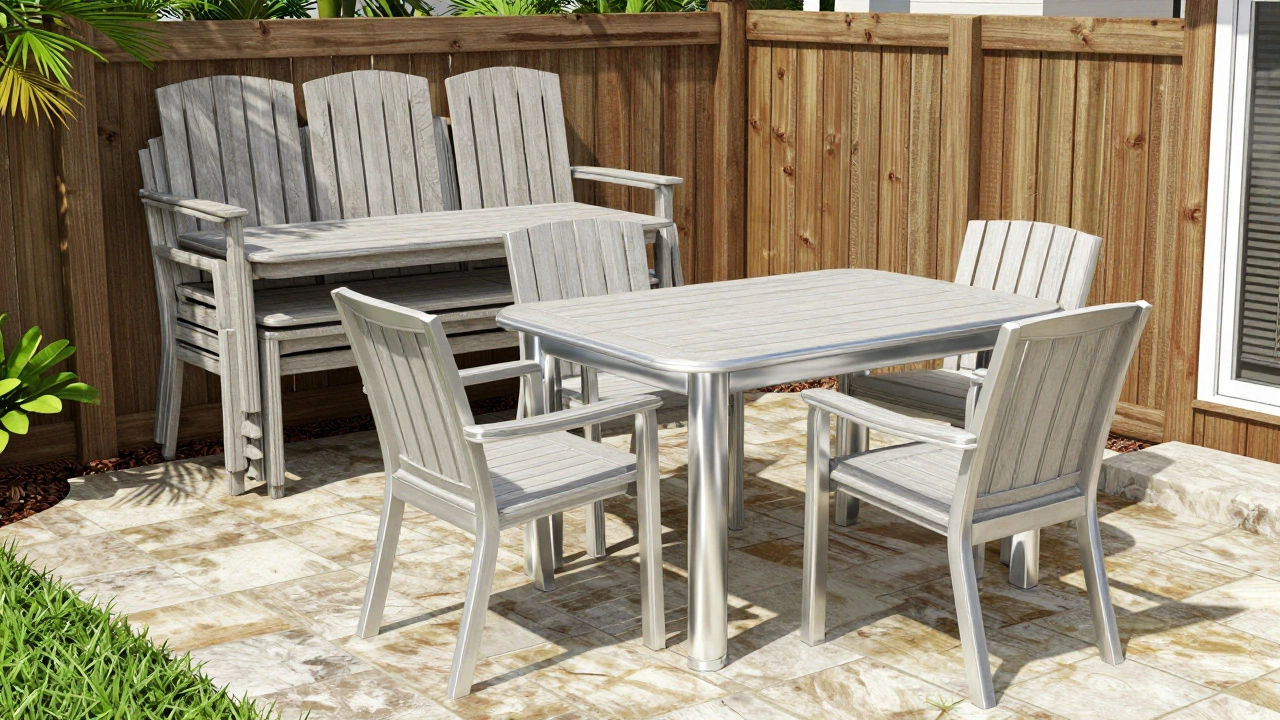
Tropitone isn’t the only one breathing down POLYWOOD’s neck. Here are two more serious rivals:- Teak Warehouse: If you want natural wood, teak is still king. It’s more expensive, yes-but it ages gracefully into a silvery gray, and with annual oiling, lasts 30+ years. Many homeowners who value aesthetics over synthetic materials choose teak over plastic.
- Harbor Breeze: A budget-friendly option sold at Home Depot, Harbor Breeze uses HDPE plastic similar to POLYWOOD but with thinner frames and less structural reinforcement. It’s fine for light use, but won’t survive a Michigan winter or a busy summer party scene.
So why do so many people still buy POLYWOOD? Because it’s easy. It’s widely available. It looks good in catalogs. But if you’re serious about outdoor furniture that lasts decades without lifting a finger, Tropitone delivers more in performance, flexibility, and long-term cost savings.
What You Should Buy Based on Your Needs
- Buy POLYWOOD if: You want a one-time purchase, live in a mild climate, and don’t need customization. Great for patios with light use.
- Buy Tropitone if: You want commercial-grade durability, plan to use it daily, live near the coast or in extreme sun, or care about fabric color options. Worth the extra $100.
- Buy teak if: You love natural materials, don’t mind occasional maintenance, and want heirloom-quality furniture.
There’s no single ‘best’ brand. But if you’re asking who’s POLYWOOD’s biggest competitor, the answer isn’t a cheaper plastic brand. It’s Tropitone-the only one that matches POLYWOOD’s longevity while outperforming it in real-world conditions.
Is POLYWOOD really made from recycled plastic?
Yes. POLYWOOD uses recycled HDPE plastic, mostly from milk jugs and detergent bottles. Each chair uses about 400 recycled containers. The material is melted, molded, and colored throughout-so scratches don’t reveal white plastic underneath.
Can Tropitone furniture stay outside all year?
Absolutely. Tropitone’s aluminum frames are rust-resistant, and their fabrics are UV-stabilized and mildew-resistant. Many users leave their sets out year-round, even in snowy climates. Just cover them during heavy snowfall to prevent weight buildup.
Does POLYWOOD fade over time?
POLYWOOD’s color is embedded in the plastic, so it doesn’t peel or flake. But after 15-20 years of intense sun exposure, some light fading can occur-especially in darker colors like black or deep red. Tropitone’s fabrics are treated with Sunbrella’s proprietary UV protection, which holds color better over time.
Are there cheaper alternatives to POLYWOOD?
Yes. Brands like Harbor Breeze, Best Choice Products, and Amazon Basics offer plastic outdoor furniture at half the price. But they use thinner plastic, weaker joints, and no structural reinforcement. They’re fine for occasional use but won’t last beyond 5-7 years in harsh weather.
What’s the most durable outdoor furniture material?
For synthetic materials, Tropitone’s aluminum + Sunbrella fabric combo is the most durable. For natural materials, teak wood lasts longer than any plastic if properly maintained. Neither requires painting, staining, or sealing annually-just occasional cleaning.