
Recliner Mobility Risk & Action Plan
Your Usage Profile
Risk Assessment
Click "Assess My Risk" to see results.
Recommended Immediate Fixes
You sit down to relax. You stay there for an hour. When you stand up, your legs feel like lead. Your knees lock. Your balance wobbles. It feels less like waking up and more like rebooting a frozen computer. If this happens regularly, it isn't just 'old age' or bad luck. It is often the result of how modern recliner chairs interact with your body mechanics.
We love our recliners. They are comfortable. They support our backs. But they also trap us in a static position that fights against human physiology. This article breaks down why your body rebels after long sits, how chair design contributes to the problem, and what you can do to move freely again.
The Physiology of Stiffness: Why Movement Stops
Your body is designed for motion. When you stop moving, several biological processes kick in within minutes. First, blood flow slows down. Gravity pools blood in your lower extremities. Your heart doesn't need to work as hard to pump blood uphill when you're horizontal, but standing up requires a sudden spike in pressure to send blood to your brain. This drop in pressure causes dizziness, known as orthostatic hypotension.
Second, your muscles cool down. Muscle tissue becomes less elastic when inactive. Think of a rubber band left in one shape for hours; it resists stretching. Your hamstrings, calves, and hip flexors shorten. When you try to stand, these shortened muscles pull against your joints, creating resistance. This is the 'stiff' feeling.
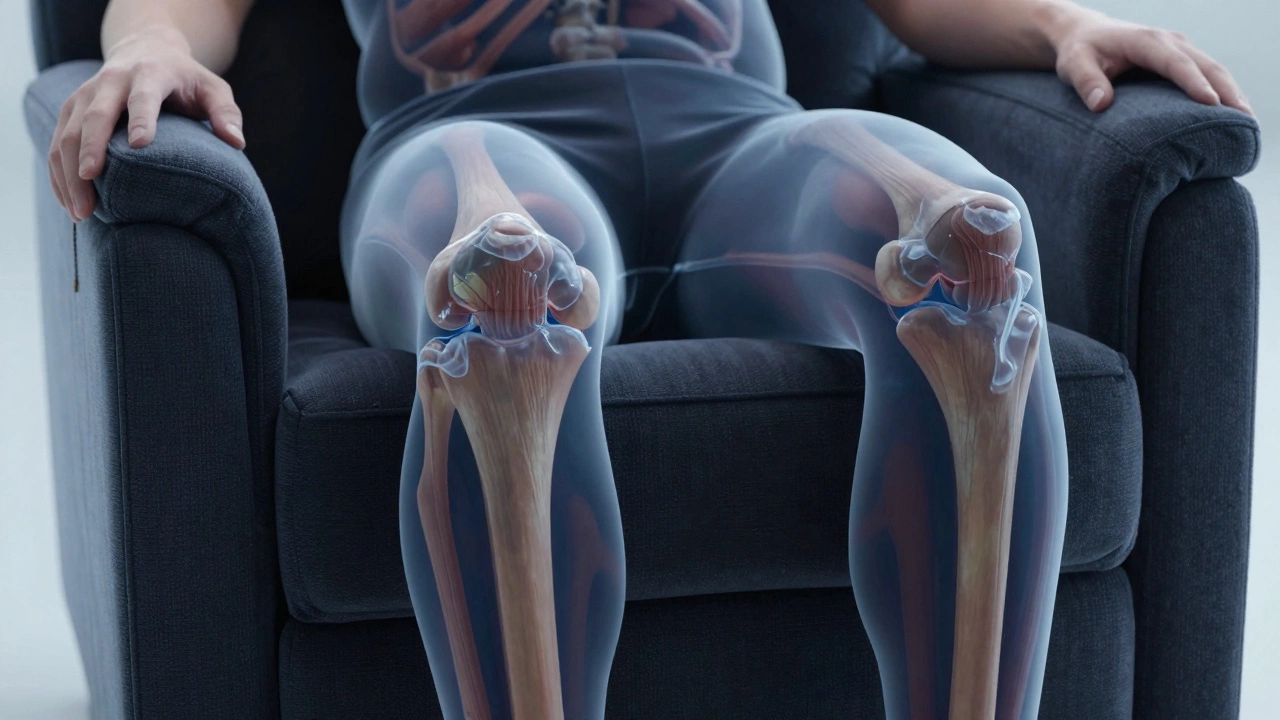
Third, synovial fluid thickens. Joints rely on synovial fluid for lubrication. This fluid circulates best with movement. In a static seated position, especially in a deep seat, the fluid stagnates. The cartilage in your knees and hips doesn't get the nutrients it needs from compression and decompression cycles. Standing up forces dry, stiff joints to bear weight immediately.
How Recliner Design Traps Your Body
Not all chairs are created equal. A standard dining chair forces you to engage your core to sit upright. A recliner chair, by contrast, supports almost every part of your body. While this sounds good, it creates a dependency loop.
- Deep Seats: Many recliners have seats deeper than 20 inches. This pushes your knees forward past your toes. This angle compresses the back of your knee (popliteal fossa), cutting off circulation and nerve signals. When you stand, your legs feel numb because blood has been restricted.
- Low Seat Height: Most recliners sit low to the ground, often below 18 inches. Standing up from a low height requires significantly more power from your quadriceps and glutes. If those muscles have been dormant, they fail to generate enough force quickly, leading to instability.
- High Backs and Headrests: Full-body support removes the need for postural muscles to activate. Your spine rests completely. When you stand, your core muscles don't 'wake up' fast enough to stabilize your torso, causing that wobbling sensation.
- Soft Cushioning: Plush foam conforms to your body shape. This is comfortable but makes it harder to pivot. Hard surfaces allow you to shift weight easily. Soft surfaces absorb your movement energy, making the initial push-up phase of standing much harder.
The combination of these factors creates a perfect storm for mobility issues. You aren't just sitting; you are being molded into a shape that opposes standing.
The Hidden Risk: Muscle Atrophy and Joint Degradation
If you spend hours daily in a recliner without variation, the effects go beyond temporary stiffness. Prolonged sitting leads to muscle atrophy, specifically in the lower body. The gluteus maximus, your largest muscle group, weakens. This condition is sometimes called 'gluteal amnesia.' Your brain forgets how to fire these muscles efficiently.
Weak glutes mean your knees take more load. Your lower back takes more strain. Over time, this accelerates wear and tear on joint cartilage. Arthritis symptoms worsen not just because of age, but because the supporting structures around the joints have weakened due to disuse.
Additionally, prolonged sitting tightens the hip flexors. Tight hip flexors pull on your lumbar spine, contributing to lower back pain. This creates a cycle: you sit to relieve back pain, but the sitting tightens muscles that cause more back pain, making standing even more difficult.

Immediate Fixes: How to Stand Up Easier Today
You don't need to throw away your recliner. You just need to change how you use it. Here are practical steps to reduce stiffness and improve your ability to stand.
- The Pre-Stand Shift: Before standing, lean forward slightly. Tuck your chin. Place your feet flat on the floor, shoulder-width apart. Do not let your heels hang over the edge. Engage your core by pulling your belly button toward your spine. Hold for five seconds. This warms up the stabilizer muscles.
- Use Armrests: Push down firmly on the armrests. This transfers some of the lifting load from your legs to your arms. It reduces the demand on your quads and helps maintain balance.
- Stand Slowly: Don't rush. Rise gradually. Pause halfway if you feel dizzy. Let your blood pressure adjust. Taking three seconds to stand instead of one can prevent falls and dizziness.
- Adjust the Recline Angle: Avoid fully reclining positions for long periods. Keep the chair at a slight incline (around 100-110 degrees) rather than fully flat. This keeps your legs more active and maintains better blood flow.
Long-Term Strategies: Breaking the Sedentary Cycle
To truly fix the 'barely walk' issue, you need to retrain your body. This requires consistency and small changes.
Micro-Movements Matter
Set a timer for every 20 minutes. You don't need to leave the room. Just shift your weight. Lift your knees slightly. Rotate your ankles. These micro-movements keep synovial fluid circulating and prevent muscles from cooling down completely. Even subtle movements signal to your nervous system that you are still active.
Strengthen the Stand-Up Muscles
Incorporate simple exercises into your day. Sit-to-stand repetitions are powerful. From your chair, stand up fully, then sit back down slowly. Do this ten times a day. This strengthens the glutes and quads specifically for the action of standing. As it gets easier, add a slight squat before standing to increase difficulty.
Improve Foot Position
Ensure your feet are always flat on the floor while sitting. If your feet dangle, your circulation suffers immediately. Use a footrest if your recliner is too high or your legs are short. Proper foot alignment ensures that your leg muscles remain ready to engage when you stand.
Choosing the Right Recliner for Mobility
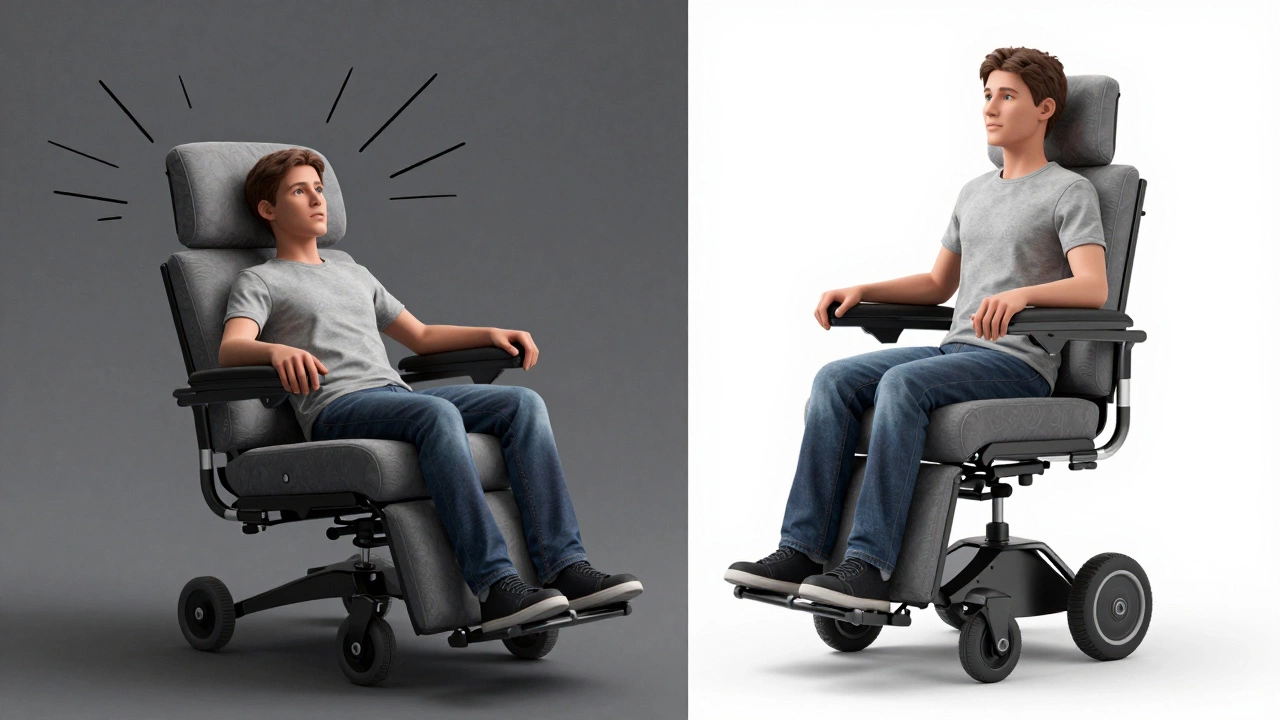
If you frequently struggle to stand, consider upgrading to a chair designed for ease of movement. Look for specific features that counteract the problems mentioned earlier.
| Feature | Why It Helps | What to Avoid |
|---|---|---|
| Power Lift Mechanism | Tilts the seat forward, reducing the effort needed to stand by up to 50%. | Manual levers that require significant strength to operate. |
| Firmer Foam Density | Provides stable support for pushing up. Doesn't sink too deeply. | Ultra-plush, sinking cushions that make pivoting difficult. |
| Higher Seat Height | Reduces the distance your legs must lift your body weight. | Low-profile designs under 17 inches. |
| Wide, Firm Armrests | Allows for strong leverage when pushing up. | Narrow or padded armrests that collapse under pressure. |
| Shallower Seat Depth | Keeps knees closer to hips, improving blood flow and posture. | Deep seats that push knees far forward. |
A power lift recliner is often the best solution for those with severe mobility issues. It mechanically assists the standing process, removing the burden from weakened muscles. However, even with a power lift, maintaining muscle strength through exercise is crucial for long-term health.
When to See a Doctor
Sometimes, stiffness isn't just about the chair. If you experience sharp pain, numbness that lasts more than a few minutes after standing, or frequent falls, consult a healthcare provider. Conditions like peripheral neuropathy, severe arthritis, or vascular disease can mimic or worsen sitting-related stiffness. A physical therapist can assess your specific muscle weaknesses and provide tailored exercises.
Don't ignore the warning signs. Early intervention can prevent permanent mobility loss. Your comfort today shouldn't cost you your independence tomorrow.
Summary of Action Steps
Fixing the 'barely walk' feeling starts with awareness. Recognize that your recliner is part of the equation. Adjust your sitting habits now. Shift your weight often. Strengthen your legs. Consider a chair with better ergonomics if needed. Small changes lead to big improvements in mobility and quality of life.
Why do my legs feel heavy after sitting in a recliner?
Heavy legs are caused by reduced blood circulation and muscle inactivity. Gravity pulls blood into your lower extremities, and static muscles don't pump it back up efficiently. When you stand, your body struggles to redistribute this blood, causing a heavy, sluggish feeling.
Is sitting in a recliner bad for your knees?
Yes, prolonged sitting in a recliner can be harmful to knees. Deep seats often bend knees at acute angles, compressing nerves and blood vessels. Lack of movement also thickens synovial fluid, leading to stiffness and increased wear on joint cartilage over time.
How can I make it easier to stand up from a recliner?
Lean forward, place feet flat on the floor, and use armrests for leverage. Engage your core before standing. Rise slowly to allow blood pressure to adjust. Regular strengthening exercises for legs and glutes will also make standing easier over time.
What is the best type of recliner for people with mobility issues?
A power lift recliner is ideal. It tilts the seat forward to assist standing. Look for firm foam, higher seat height, wide armrests, and shallow seat depth to minimize strain on muscles and joints.
Does sitting too long cause muscle loss?
Yes, prolonged sedentary behavior leads to muscle atrophy, particularly in the legs and glutes. Without regular activation, these muscles weaken, making everyday movements like standing and walking more difficult and increasing fall risk.
Why do I feel dizzy when standing up from a chair?
Dizziness upon standing is often orthostatic hypotension. Blood pools in your legs while sitting. Standing suddenly requires your cardiovascular system to rapidly pump blood to the brain. If this adjustment is slow, you experience lightheadedness or dizziness.
Can exercises help with sitting stiffness?
Absolutely. Exercises like sit-to-stands, ankle circles, and gentle stretches keep muscles warm and joints lubricated. Regular movement prevents the stiffness associated with long periods of inactivity in recliners.
How long should I sit in a recliner before getting up?
It is recommended to shift position or stand up every 20 to 30 minutes. Even brief movements help maintain circulation and prevent muscle stiffness. Long uninterrupted sessions increase the risk of discomfort and mobility issues.
Are soft recliners worse for mobility than firm ones?
Yes, very soft recliners can hinder mobility. They conform to your body, making it harder to pivot and push up. Firmer seats provide better structural support, allowing you to leverage your body weight more effectively when standing.
Should I avoid recliners entirely if I have back pain?
Not necessarily, but choose wisely. Recliners can relieve back pressure if used correctly. Avoid full recline for long periods. Opt for chairs with good lumbar support and firm cushions. Combine sitting with regular movement to prevent worsening back pain.