

Nighttime Leg Pain Relief Analyzer
Instructions: Rate how much you experience each symptom on a scale from 0 (Never) to 5 (Always). The tool will analyze your inputs to suggest the primary cause and appropriate relief methods.
Analysis Complete
Based on your responses, your symptoms primarily align with:
Recliner Suitability Score
Chance that a recliner will significantly improve your sleep quality.
Recommended Action Plan
Why this works:
It’s past midnight. The house is quiet. You’re lying in bed, trying to drift off, but your legs feel like they are on fire. Maybe it’s a dull ache, maybe it’s an electric tingle that won’t stop. You shift positions, kick the covers off, and roll over, hoping for relief. It doesn’t come. This isn’t just bad luck; it’s a common struggle for millions of people, and it has nothing to do with being tired from work. In fact, lying flat might be making things worse.
If you have been searching for answers on why your legs hurt specifically when you try to sleep, you are not alone. The connection between nighttime leg pain and how we position our bodies is stronger than most people realize. While medical conditions play a huge role, the furniture you use before bed-and even during it-can change everything. That is where recliner chairs come into play. They are not just comfortable seats; for many, they are a practical tool for managing discomfort and improving sleep quality.
The Real Reasons Behind Nighttime Leg Pain
Before we talk about solutions, we need to understand what is happening inside your body. Leg pain at night usually falls into one of three buckets: circulation problems, nerve issues, or muscle fatigue. Identifying which one affects you helps you choose the right fix.
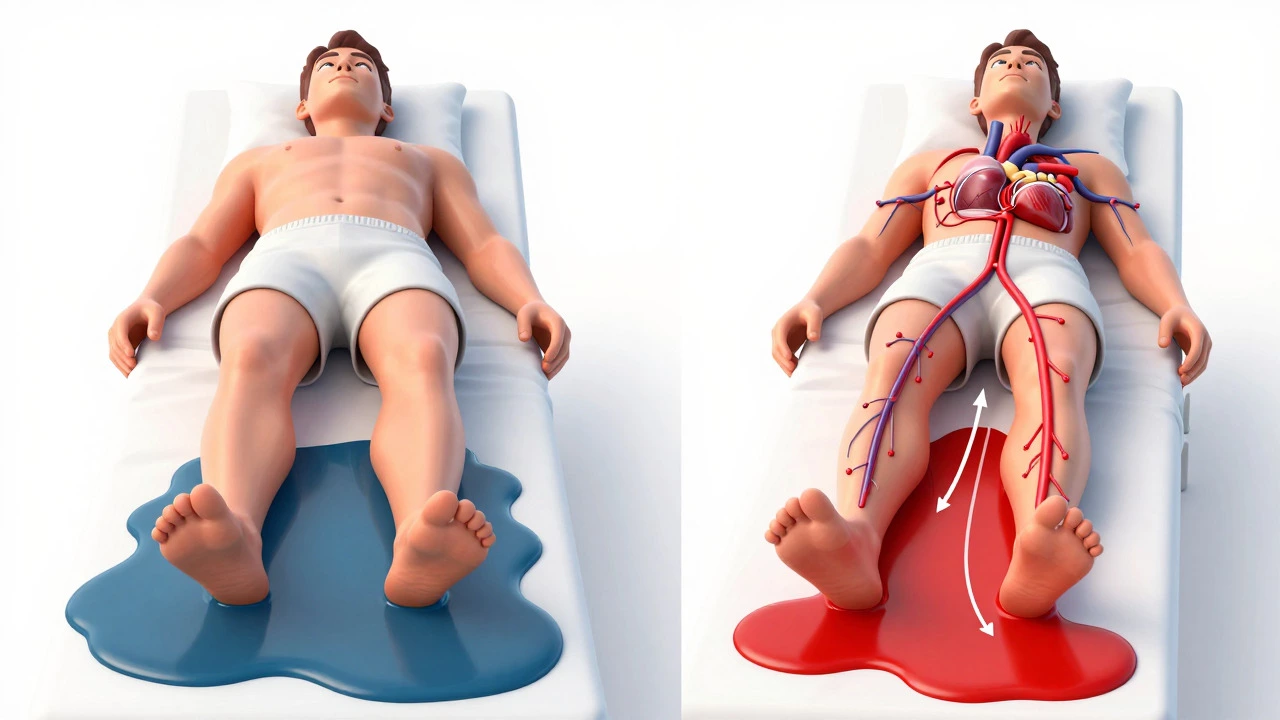
Circulation Issues: When you lie completely flat, gravity no longer helps pump blood back up from your legs to your heart. For people with mild venous insufficiency (where veins struggle to send blood upward), this can cause fluid to pool in the lower legs. This pooling creates pressure, leading to that heavy, aching feeling. Elevating your legs above heart level uses gravity to drain that fluid, reducing the ache almost immediately.
Restless Legs Syndrome (RLS): Also known as Willis-Ekbom Disease, RLS is a neurological disorder characterized by an uncontrollable urge to move your legs. It often comes with uncomfortable sensations described as crawling, pulling, or throbbing. Symptoms typically worsen in the evening and only improve with movement. Lying still in bed triggers the brain’s warning signals, making sleep impossible without intervention.
Muscle Fatigue and Cramps: If you stand all day or exercise heavily, your muscles may tighten up at night. Cold temperatures in the bedroom can also trigger cramps. Unlike RLS, this is mechanical. The muscles are simply tired and tight, needing gentle stretching or warmth to relax.
Why Your Bed Might Be Part of the Problem
We spend about a third of our lives in bed, so it should be the best place for rest. But for people with leg pain, a standard mattress setup can actually aggravate symptoms. Most beds keep your spine and legs in a straight, horizontal line. If you have lower back issues, this position can compress nerves that run down your legs, causing sciatica-like pain. If you have circulation issues, the flat surface does nothing to help blood flow return to the core.
Many people try to fix this by stacking pillows under their knees or feet. While this helps slightly, it is unstable. Pillows slide, flatten out, and lose support after an hour. You end up waking up with your legs twisted awkwardly, which can lead to more pain, not less. You need a solution that maintains elevation consistently without requiring constant adjustment.
How Recliner Chairs Change the Equation
This is where the design of a reclining chair becomes medically relevant. A recliner allows you to sit in a semi-upright position while elevating your legs. This "zero-gravity" style posture distributes weight evenly across your back and legs, taking pressure off the lower spine and hips.
Here is why this matters for leg pain:
- Better Blood Flow: By raising your legs higher than your heart, you assist the venous system. Gravity pulls the pooled fluid away from your ankles and calves, reducing swelling and the associated ache.
- Nerve Decompression: Sitting upright with support reduces tension on the sciatic nerve. For those whose leg pain stems from back issues, this angle can provide immediate relief compared to lying flat.
- Muscle Relaxation: The supportive nature of a good recliner prevents muscles from tightening up to hold your body in place. You can truly let go, which helps break the cycle of tension and pain.
Think of it this way: if your legs are angry because they are working too hard to circulate blood or hold a rigid position, a recliner gives them a break. It’s not a cure-all, but it is a powerful management tool.
Choosing the Right Recliner for Leg Relief
Not all recliners are created equal. If you are buying one specifically to help with leg pain, you need to look beyond aesthetics. Here are the features that actually matter for comfort and health.
| Feature | Why It Matters | What to Avoid |
|---|---|---|
| Full Recline Range | Allows you to reach a near-flat position with legs elevated high enough to aid circulation. | Chairs that only tilt back slightly (100-110 degrees) without lifting the footrest. |
| Firm Lumbar Support | Keeps your spine aligned, preventing back strain that radiates to the legs. | Sagging cushions that force you to slouch, increasing pressure on nerves. |
| Wide Footrest | Accommodates different leg lengths and allows you to cross ankles or stretch fully without restriction. | Narrow footrests that pinch thighs or limit natural leg positioning. |
| Easy-to-Clean Fabric | If you use heating pads or creams, spills happen. Leather or performance fabric is easier to maintain. | Porous fabrics that absorb oils and lotions, leading to stains and odors. |
You also want to consider the mechanism. Manual rockers require effort to engage, which might be tough if you are already in pain. Power recliners with remote controls allow you to adjust your position smoothly without straining. Some models even offer massage functions, which can further help relax tight calf muscles before sleep.
Practical Tips for Using a Recliner to Reduce Pain
Having the right chair is step one. How you use it is step two. Here is a simple routine to maximize relief:
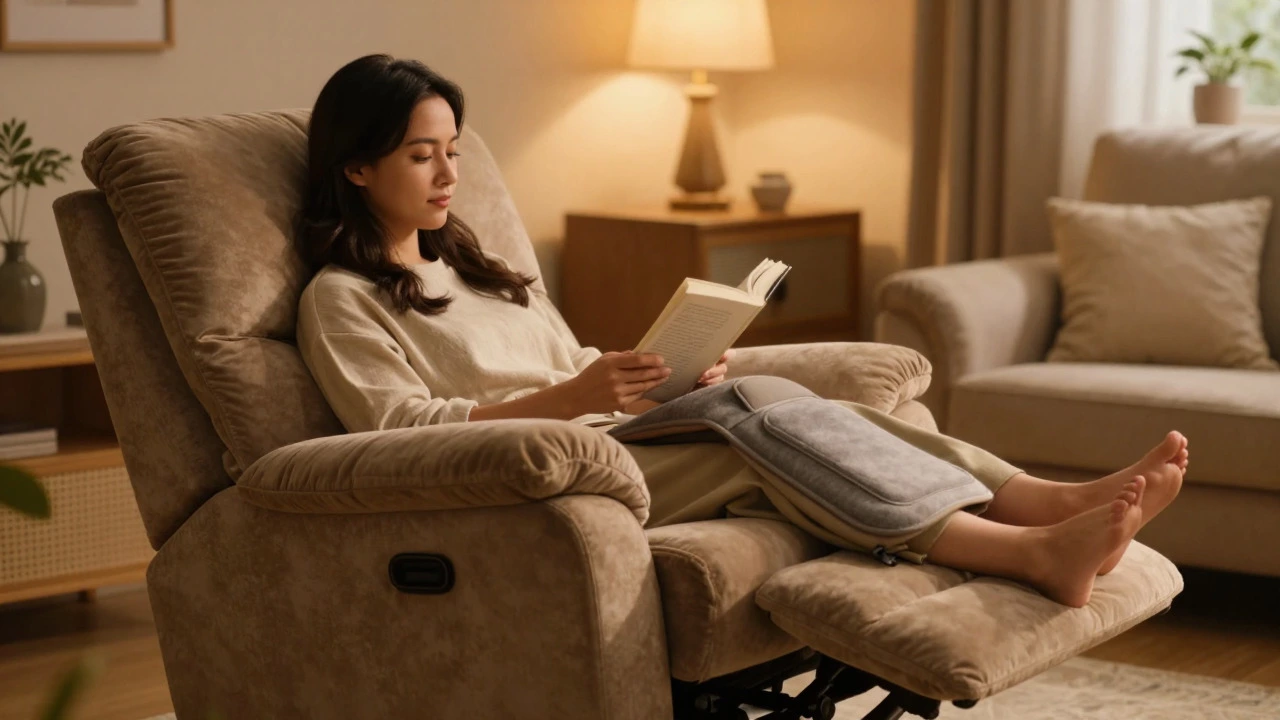
- Pre-Bed Routine: Spend 30 minutes in your recliner before getting into bed. Use this time to read, watch TV, or meditate. Let your body adjust to the elevated position. This gradual transition helps calm the nervous system and reduces the shock of sudden position changes.
- Add Heat: Place a warm heating pad on your calves or lower back while reclining. Heat increases blood flow and relaxes muscles. Combine this with the elevation effect for double relief.
- Gentle Stretching: While seated, gently point and flex your feet. This activates the calf muscles and promotes circulation. Do not overdo it; small movements are enough.
- Hydrate Early: Dehydration can worsen muscle cramps. Drink water throughout the day, but taper off two hours before bed to avoid interrupting sleep with bathroom trips.
If you find that you fall asleep in the recliner, that is okay. Many people prefer sleeping in a reclined position rather than flat on their backs. Just ensure your neck is supported with a small pillow if needed, and that you are comfortable enough to stay there until morning.
When to See a Doctor
A recliner is a great tool, but it is not a replacement for medical advice. If your leg pain is severe, persistent, or accompanied by other symptoms like swelling in one leg only, redness, or shortness of breath, see a doctor. These could be signs of Deep Vein Thrombosis (DVT) or other serious conditions that need immediate treatment.
Even if it is just RLS or general fatigue, a doctor can prescribe medications or supplements (like magnesium or iron) that work alongside your ergonomic adjustments. Combining medical treatment with the physical benefits of a recliner often yields the best results.
Final Thoughts on Comfort and Sleep
Sleep shouldn’t be a battle. If your legs ache every night, it is worth investigating both the internal causes and the external factors, like your furniture. Investing in a high-quality recliner chair can transform your evenings from a struggle into a time of relaxation. It supports better circulation, reduces nerve pressure, and helps your muscles unwind. You deserve to rest without pain, and sometimes, the answer is as simple as changing your angle.
Can a recliner chair cure Restless Legs Syndrome?
No, a recliner cannot cure Restless Legs Syndrome (RLS), as it is a neurological condition. However, it can significantly manage symptoms. By elevating the legs and providing a stable, comfortable position, a recliner reduces the urge to move and helps calm the nervous system, making it easier to fall asleep despite the condition.
Is it better to sleep in a recliner or on a bed for leg pain?
For many people with circulation issues or lower back pain, sleeping in a recliner is better. It keeps the legs elevated above the heart, aiding blood flow, and reduces pressure on the spine. If you sleep in bed, you must use multiple pillows to achieve similar elevation, which is often less stable and comfortable than a dedicated recliner.
What type of recliner is best for swollen legs?
A power recliner with a full-range motion is best. Look for one that lifts the footrest high enough so your feet are above knee level, ideally approaching heart level. Models with wide footrests allow you to position your legs comfortably without constriction, which is crucial for reducing swelling (edema).
Does sitting in a recliner improve blood circulation?
Yes, when used correctly. Elevating your legs in a recliner uses gravity to help venous blood return to the heart, reducing pooling in the lower extremities. This is particularly helpful for people with mild venous insufficiency. Regular movement and hydration also support circulation while using the chair.
Can leg pain at night be caused by my mattress?
Indirectly, yes. A mattress that is too soft or too firm can misalign your spine, putting pressure on nerves that extend into your legs. Additionally, lying completely flat on a standard mattress does not assist with blood drainage from the legs, which can exacerbate aching or swelling for some individuals.