
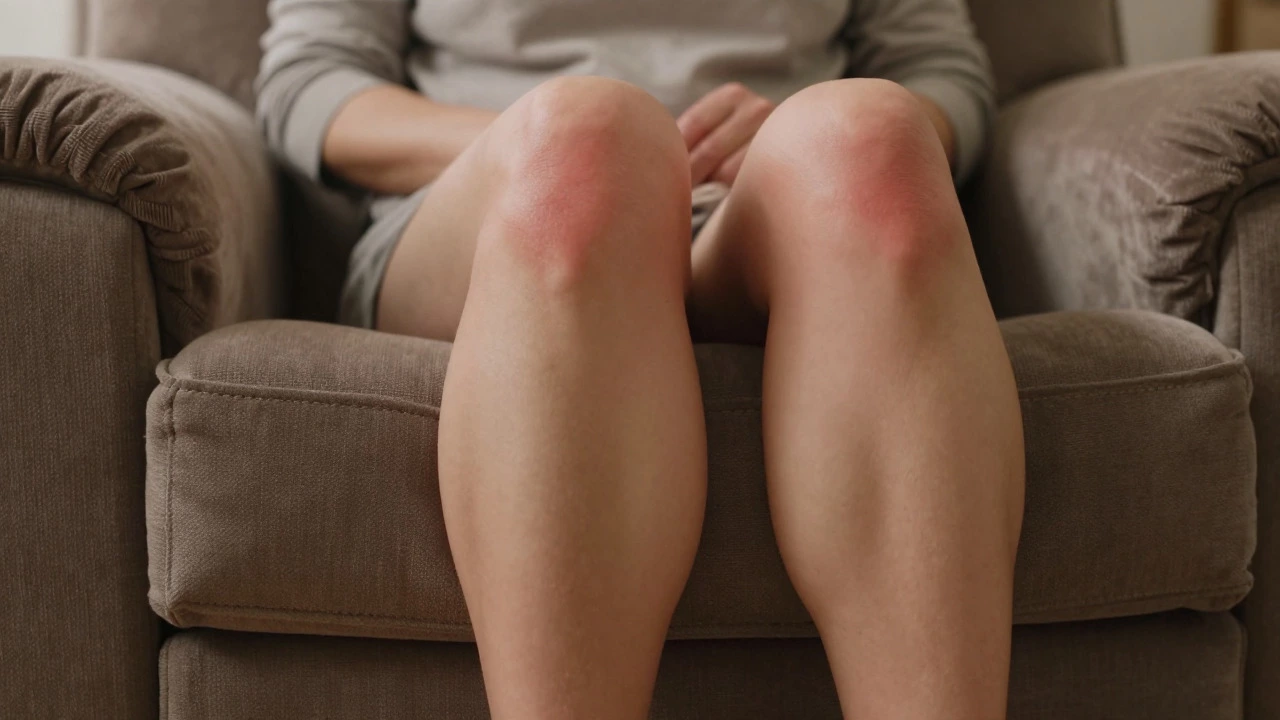
Recliner Fit & Comfort Checker
Enter your measurements and symptoms below to determine if your recliner is the cause of your leg discomfort.
1. Body & Chair Measurements
2. Symptoms & Usage
💡 Pro Tip for Immediate Relief
The 2-Finger Rule: When sitting, you should be able to slide two fingers comfortably between the front edge of the seat and the back of your knees. If you can't, the seat is too deep and is likely cutting off circulation.
You sink into that plush recliner after a long day, expecting instant relief. Instead, ten minutes later, your legs start to throb, tingle, or feel heavy. It’s frustrating, especially when you’re trying to relax. This isn’t just about being "out of shape." Often, it’s a mechanical mismatch between your body and the chair. The recliner is designed for comfort, but if the ergonomics don't align with your physiology, it becomes a source of discomfort rather than rest.
The Circulation Culprit: Pressure Points
Let’s talk blood flow. Your legs need consistent circulation to stay comfortable. When you sit, gravity pulls blood down. If your recliner pushes up against the back of your knees (the popliteal fossa), it acts like a tourniquet. This compresses the veins and arteries, making it harder for blood to return to your heart. You might notice swelling in your ankles or a pins-and-needles sensation.
This compression often happens because the seat depth is too long for your legs. If the front edge of the seat digs into your calves, you’re cutting off flow. Conversely, if the footrest extends too far, it can hyperextend your knees, putting stress on the joint capsule. The goal is to keep pressure off the soft tissue behind the knee while supporting the thigh evenly.
Nerve Compression and Sciatica
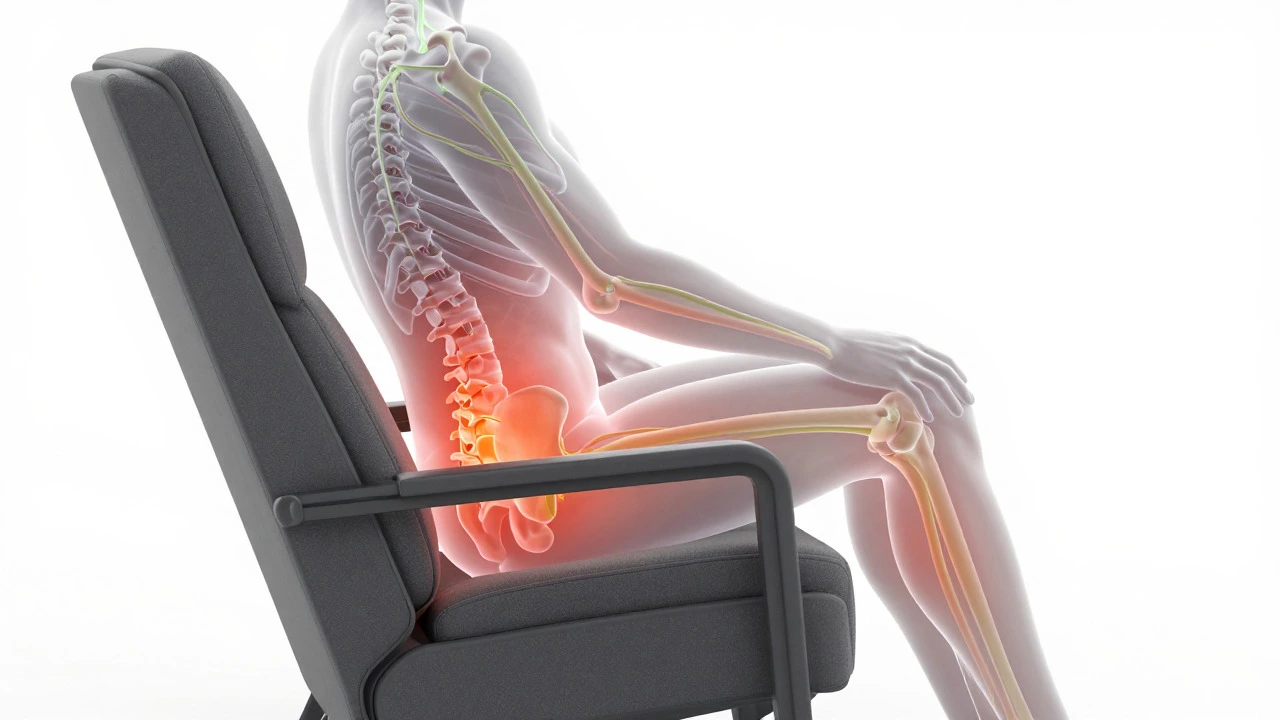
Leg ache isn’t always about blood; sometimes, it’s about nerves. The sciatic nerve runs from your lower back down through your hips and into each leg. If your recliner doesn’t support your lumbar spine properly, your pelvis tilts backward. This flattens the natural curve of your lower back, increasing pressure on the spinal discs. That pressure can irritate the sciatic nerve, sending shooting pains or dull aches down one or both legs.
This is particularly common in people who already have mild disc issues. The reclined position changes the angle of your spine. Without proper lumbar support, the muscles in your lower back have to work overtime to stabilize you, leading to fatigue that radiates into the legs. If the pain feels electric or travels below the knee, suspect nerve involvement rather than just muscle fatigue.
Is Your Recliner the Wrong Fit?
Furniture manufacturers design chairs for an "average" person, but average rarely exists. Height, leg length, and weight distribution play huge roles. A tall person in a short recliner will have their knees bent at an acute angle, restricting blood flow. A shorter person might find their feet dangling, which causes tension in the thighs as they try to stabilize themselves.
Consider these specific fit issues:
- Seat Depth: There should be a 2-3 finger gap between the back of your knee and the seat edge.
- Back Angle: Too much recline without head support strains the neck and upper back, indirectly affecting posture and leg comfort.
- Footrest Height: Your feet should rest flat and supported, not dangling or forced upward.
Underlying Medical Conditions
Sometimes, the chair is fine, but your body needs attention. Several conditions make sitting painful regardless of the furniture.
| Condition | Description | Key Symptom |
|---|---|---|
| Peripheral Artery Disease (PAD) | Narrowed arteries reduce blood flow to limbs. | Cold feet, cramping that improves when standing. |
| Deep Vein Thrombosis (DVT) | A blood clot forms in a deep vein. | Swelling, warmth, redness in one leg. |
| Restless Legs Syndrome (RLS) | A neurological disorder causing urge to move legs. | Uncomfortable sensations relieved by movement. |
| Varicose Veins | Twisted, enlarged veins due to weak valves. | Visible bulging veins, heaviness after sitting. |
If you have PAD, sitting still allows blood to pool. Standing up gets the calf muscles pumping again. If you suspect DVT, seek medical advice immediately, especially if the pain is sudden and accompanied by swelling.
How to Fix the Discomfort
You don’t necessarily need to buy a new chair. Start with adjustments. First, check your posture. Are you slouching? Try adding a small cushion behind your lower back to maintain the natural curve. This reduces strain on the sciatic nerve.
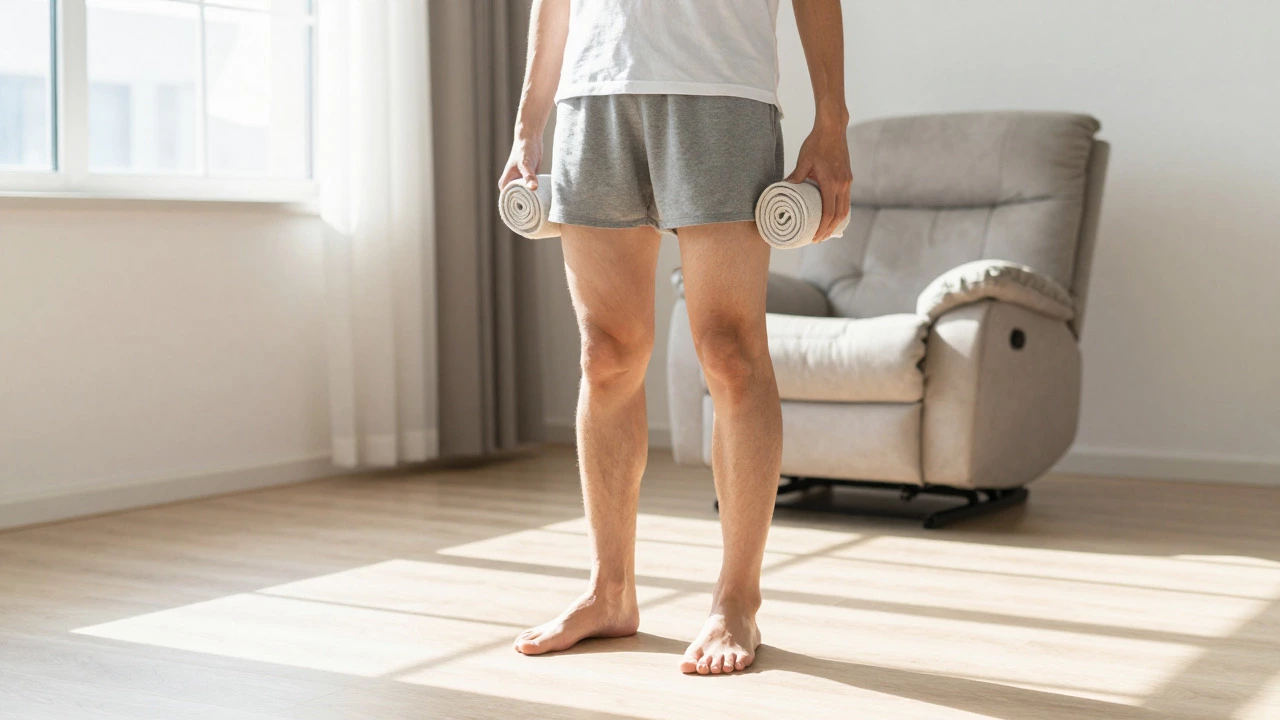
Second, manage the pressure points. If the seat edge digs into your calves, place a rolled-up towel or a specialized seat wedge under your thighs to change the angle. If your feet aren’t supported, use a footstool or adjust the recliner’s footrest height if possible.
Third, break up the sitting time. Set a timer for every 30 minutes. Stand up, stretch your hamstrings, and walk around for two minutes. This resets circulation and relieves static muscle load. It’s simple, but highly effective.
When to Choose a Different Chair
If adjustments fail, look for specific features in your next purchase. Look for recliners with adjustable headrests and lumbar support. Some models offer "zero-gravity" positions, which distribute weight evenly across the body, reducing pressure on the spine and legs. These are often recommended for people with chronic back or leg pain.
Also, consider the upholstery. Leather can stick to skin and cause sweating, which might lead to discomfort, while fabric offers more grip. For those with circulation issues, a chair with a slightly firmer seat foam prevents sinking too deep, keeping the pelvis elevated and improving blood flow.
Can a recliner cause blood clots?
Yes, prolonged immobility in any seated position can increase the risk of Deep Vein Thrombosis (DVT). If you sit for hours without moving, blood can pool in the legs. Regular breaks and ankle exercises significantly reduce this risk.
Why do my legs go numb in a recliner?
Numbness usually results from nerve compression or reduced blood flow. This often happens if the seat edge presses against the back of your knees or if your lower back is unsupported, irritating the sciatic nerve.
Are zero-gravity recliners good for leg pain?
Generally, yes. Zero-gravity positions elevate the legs above the heart level, which helps venous return and reduces swelling. They also distribute body weight evenly, minimizing pressure points on the spine and legs.
Should I see a doctor if my legs ache?
See a doctor if the pain is persistent, accompanied by swelling, redness, warmth, or if it doesn't improve with posture changes and movement. These could be signs of underlying vascular or neurological issues.
How high should the footrest be?
The footrest should allow your knees to remain at roughly the same level as or slightly higher than your hips. Avoid having your knees bent sharply downward, as this restricts circulation.