
Sofa Bed Cost Breakdown Calculator
Based on your selections, this configuration represents a mid-range investment suitable for regular use.
Walk into any furniture store in Melbourne or browse online, and you’ll see it: a standard three-seater sofa might cost you $800, but add a bed function to that same frame, and the price jumps to $2,500 or more. It feels like a rip-off until you look under the fabric. You aren’t just paying for something to sit on; you’re buying two complex pieces of engineering crammed into one footprint.
The short answer is complexity. A sofa bed is a dual-purpose piece of furniture that functions as both seating and sleeping surface requires twice the hardware, specialized mechanisms, and reinforced structures compared to a regular couch. But there’s more to it than just metal bars and springs. Let’s break down exactly where your money goes when you buy a sofa bed.
The Engineering of the Mechanism
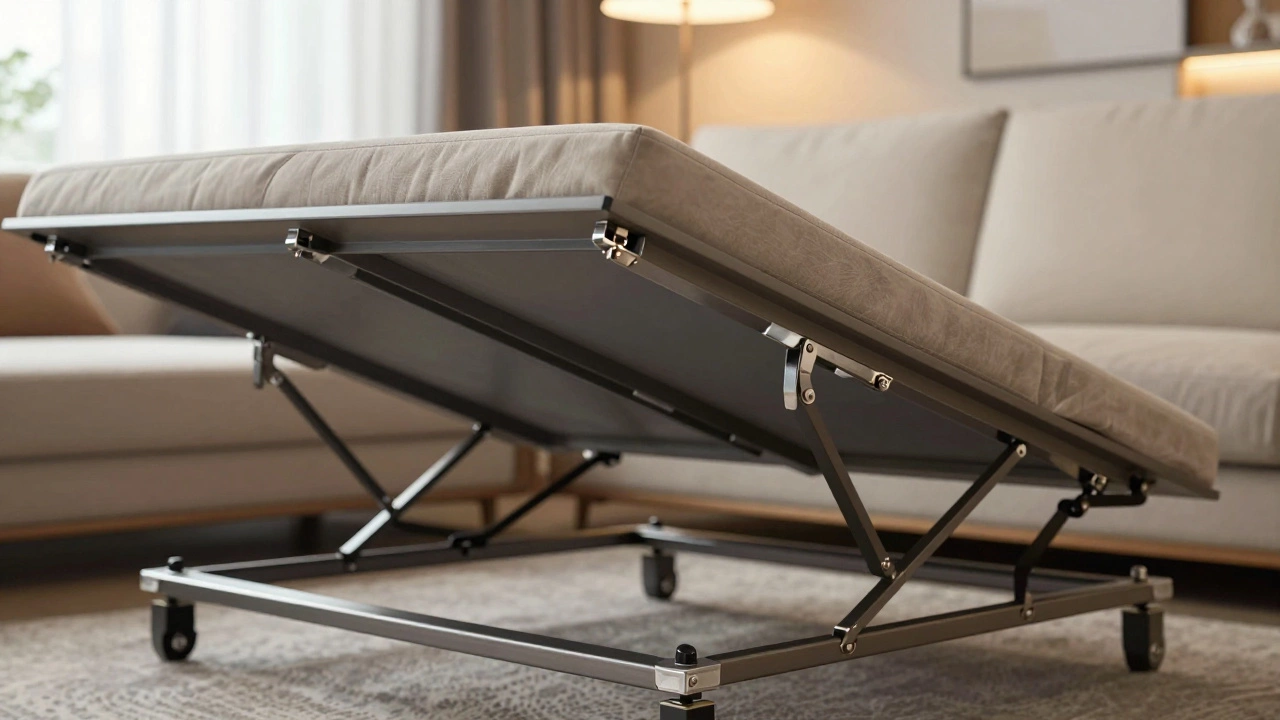
The biggest reason sofa beds cost more is the moving parts. A standard sofa is static. It sits there. A sofa bed has to transform. This requires a pull-out mechanism is the internal framework that allows the seat base to extend and form a flat sleeping surface. These aren’t simple hinges. High-quality mechanisms use steel alloys, gas lifts, or intricate folding systems designed to withstand thousands of cycles without sagging or breaking.
- Click-clack mechanisms: Common in cheaper models, these fold flat with a simple tilt. They are lighter but often less durable over time.
- Pull-out frames: The traditional design where a metal frame slides out from underneath the seat cushions. These require heavy-duty rails and locks.
- Futons: Often misunderstood, true futons have a wooden slat system that folds up. They are generally cheaper but offer less support than pull-outs.
If you’ve ever tried to open a cheap sofa bed, you know the struggle. The mechanism jams, or the mattress tilts awkwardly. Manufacturers spend significant R&D ensuring the transition is smooth and safe. That engineering costs money. When you pay for a premium brand, you’re paying for a mechanism that won’t snap after six months of guest visits.
Mattress Quality and Thickness Constraints
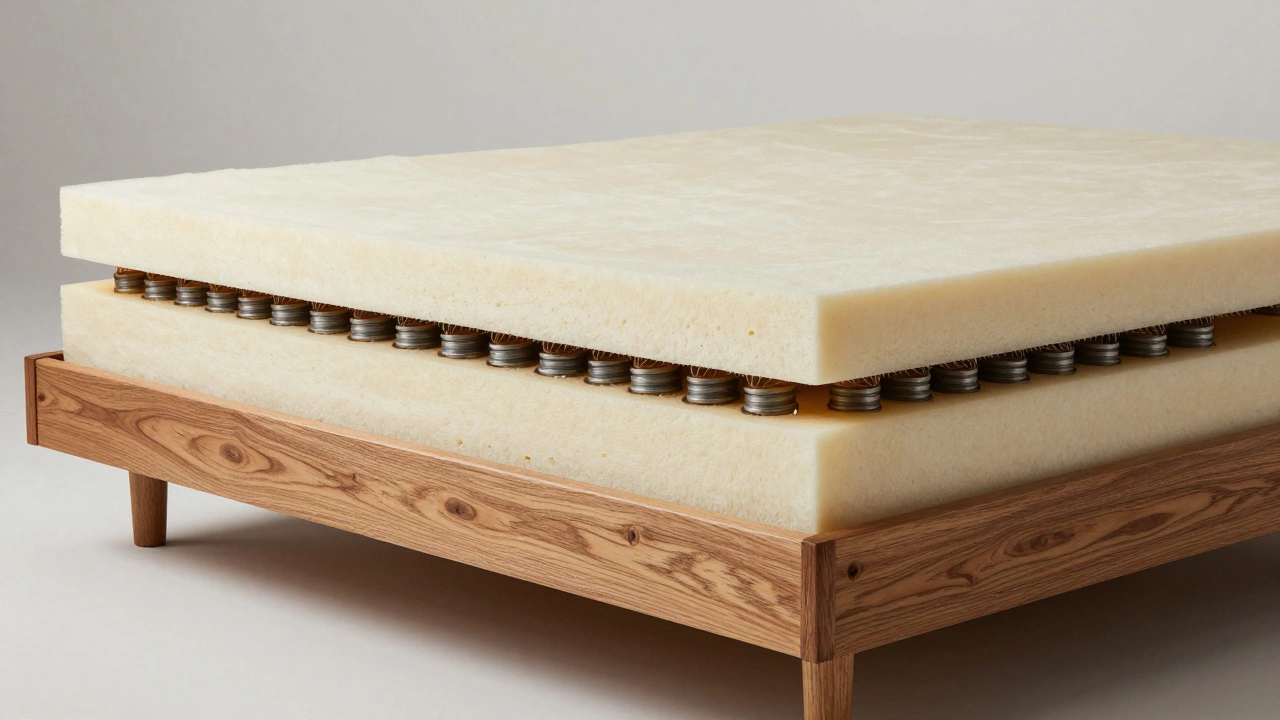
Here is the tricky part: the mattress in a sofa bed can’t be as thick as a regular queen-sized mattress. If it were, it wouldn’t fold back into the seat base. Most sofa bed mattresses are between 4 to 6 inches thick, whereas a standard comfort mattress is 10 to 14 inches. To make up for this lack of thickness, manufacturers have to use higher-density foams and firmer coil systems.
Density matters. Cheap foam breaks down quickly, leading to that dreaded "hammock" effect where your hips sink in while your shoulders stay high. Good sofa bed mattresses use high-resilience polyurethane foam is a dense, durable foam material used in bedding to maintain shape and provide support with densities of 30kg/m³ or higher. This material is significantly more expensive per cubic meter than standard low-density foam found in budget sofas.
You’re also paying for space efficiency. The mattress has to be compressed or folded within the frame. This requires precise cutting and layering techniques. A poorly made mattress will bulge when opened, creating an uncomfortable ridge down the middle. Premium brands invest in seamless zipper designs or multi-part mattresses that lay flatter, adding to the manufacturing cost.
Structural Reinforcement and Durability
A sofa bed takes a beating. It supports sitting weight during the day and sleeping weight at night. The frame needs to be stronger than a regular sofa. While a standard sofa might use particleboard or lightweight pine, a quality sofa bed uses kiln-dried hardwoods like oak, ash, or beech, combined with metal reinforcements.
Think about the stress points. When you pull out the bed, the entire weight of the sleeper rests on the extended frame. If the joints aren’t reinforced with corner blocks, screws, and glue, the frame will wobble or crack. Manufacturers also need to ensure the legs can handle the shifted center of gravity. This extra structural integrity adds labor and material costs.
In Australia, we also deal with humidity and temperature changes. Furniture here needs to acclimatize well. Using solid timber frames that resist warping ensures the mechanism doesn’t bind up due to swelling wood. This attention to local environmental factors is another hidden cost in Australian-made or imported premium furniture.
Fabric, Upholstery, and Labor Intensity
Upholstering a sofa bed is harder than upholstering a regular sofa. The fabric has to stretch over complex curves and mechanical parts. There are more seams, more corners, and more areas where the fabric could tear if not handled correctly. Skilled upholstery takes longer. Labor is one of the biggest costs in furniture manufacturing, especially in countries with strict wage laws like Australia.
Furthermore, the fabric itself must be durable. Since the seat cushions double as part of the bed structure, they get compressed more frequently. Manufacturers often use performance fabrics are treated textiles resistant to stains, moisture, and wear, ideal for high-use furniture like treated microfiber or tight-weave linen blends. These fabrics cost more upfront but last longer, resisting pilling and fading. Cheap fabrics pill quickly under the friction of the moving mechanism, ruining the look of the sofa in months.
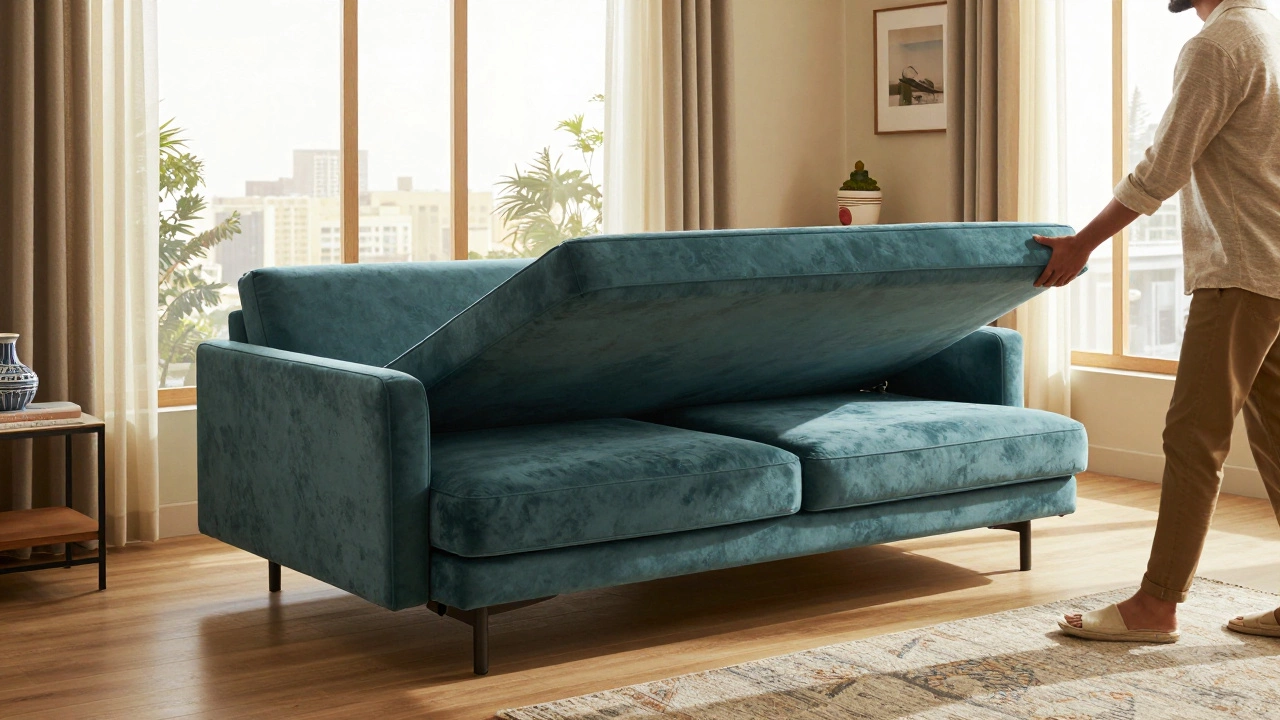
Customization also drives up prices. Want a specific color? That means smaller production runs. Economies of scale don’t apply. Mass-produced black or grey sofas are cheaper because factories make thousands of them. Ordering a teal velvet sofa bed means the factory stops the line, changes the dye, and reconfigures the assembly. That exclusivity has a price tag.
Brand Positioning and Market Dynamics
Not all price differences come from materials. Brand positioning plays a huge role. Luxury brands charge premiums for their reputation, design aesthetics, and customer service. Buying from a high-end designer label includes marketing costs, showroom expenses, and warranty services. You’re paying for the logo and the assurance that someone will fix it if it breaks.
Conversely, budget brands cut corners to keep prices low. They might use thinner steel in the mechanism, lower-density foam, or imported components assembled locally. The risk? Shorter lifespan. A $1,500 sofa bed might last five years, while a $4,000 one lasts fifteen. When you calculate cost-per-year, the expensive option sometimes wins.
Market demand also influences pricing. In cities like Melbourne, space is at a premium. Small apartments drive demand for multifunctional furniture. Because sofa beds solve a critical problem for urban dwellers, manufacturers can command higher prices. Supply chain issues, shipping costs, and import duties further inflate the final retail price.
| Component | Standard Sofa | Sofa Bed |
|---|---|---|
| Mechanism | None (Static Frame) | Steel Pull-Out/Folding System ($150-$400) |
| Mattress | Standard Cushions | High-Density Foldable Mattress ($200-$600) |
| Frame Strength | Lightweight Timber/Particleboard | Reinforced Hardwood/Metal ($100-$300) |
| Labor | Standard Assembly | Complex Upholstery & Mechanism Install ($150-$350) |
| Total Estimated Cost Impact | Baseline | $600 - $1,650 Higher |
How to Get Value for Your Money
If the price tag stings, there are ways to ensure you’re getting value. First, test the mechanism. Sit on the sofa, then pull out the bed. Does it slide smoothly? Do you need to lift it manually, or does it pop up easily? A good mechanism should feel sturdy, not flimsy. Check the mattress thickness. Aim for at least 5 inches if possible. Thinner mattresses mean less comfort.
Consider second-hand options. Sofa beds hold their value well if maintained. Look for local listings in Melbourne for gently used models from reputable brands. Avoid anything with visible sagging or rusted mechanisms. Cleaning the upholstery professionally can refresh a used piece significantly.
Finally, think about usage. If you only need a guest bed once a year, a cheaper click-clack model might suffice. If you sleep on it weekly, invest in a high-end pull-out with a quality mattress. Don’t compromise on durability if it’s your primary sleeping spot. The extra cost pays off in better sleep and fewer replacements.
Are sofa beds worth the extra cost?
Yes, if you live in a small space or frequently host guests. The dual functionality saves floor space and eliminates the need for a separate guest room. However, ensure you buy a quality model with a robust mechanism and decent mattress to avoid discomfort.
What is the average lifespan of a sofa bed?
A budget sofa bed typically lasts 3-5 years with regular use. Mid-range models can last 7-10 years. High-end sofa beds with solid wood frames and premium mechanisms can last 15 years or more, depending on maintenance and frequency of use.
Why are Australian sofa beds more expensive than overseas?
Australian furniture often adheres to stricter safety and quality standards. Labor costs are higher, and import duties on materials increase production expenses. Additionally, local brands factor in delivery and assembly services, which are included in the price.
Can I replace the mattress in my sofa bed?
In most cases, no. Sofa bed mattresses are custom-cut to fit the folding mechanism. Replacing it with a standard mattress won’t work because it won’t fold back into the frame. Some brands offer replacement mattresses specifically designed for their models.
Is a futon cheaper than a pull-out sofa bed?
Generally, yes. Futons are simpler in design, using wooden slats and fabric covers. However, they often provide less support and comfort than pull-out sofa beds. For occasional guests, a futon is a budget-friendly option, but for regular use, a pull-out is superior.