

Sofa Bed Health Risk Calculator
Health Risk Score
Recommended Actions:
You’ve had a long day. The TV is on. You’re tired. So you pull out the sofa bed is a dual-purpose piece of furniture that functions as both seating and sleeping surface, lie down, and drift off. But when you wake up an hour later, your neck feels like it’s been twisted in a knot, your lower back is throbbing, and you feel more exhausted than before you went to sleep. Why does this happen? And is it actually bad for you?
Sleeping on a couch isn’t just uncomfortable-it can actively harm your health if done regularly. While occasional naps are harmless, turning your living room sofa into a nightly bedroom setup invites a host of physical problems. From poor spinal alignment to disrupted sleep cycles, here’s why you should think twice before calling the couch your bed.
The Anatomy of a Bad Night’s Sleep
To understand why sofa beds are problematic, we need to look at how they’re built. Most standard sofas are designed for sitting, not lying flat. Even dedicated click-clack mechanisms are folding systems that convert a sofa seat into a flat sleeping platform often result in uneven surfaces. Gaps between cushions, sagging foam, or rigid metal frames create pressure points that disrupt blood flow and muscle relaxation.
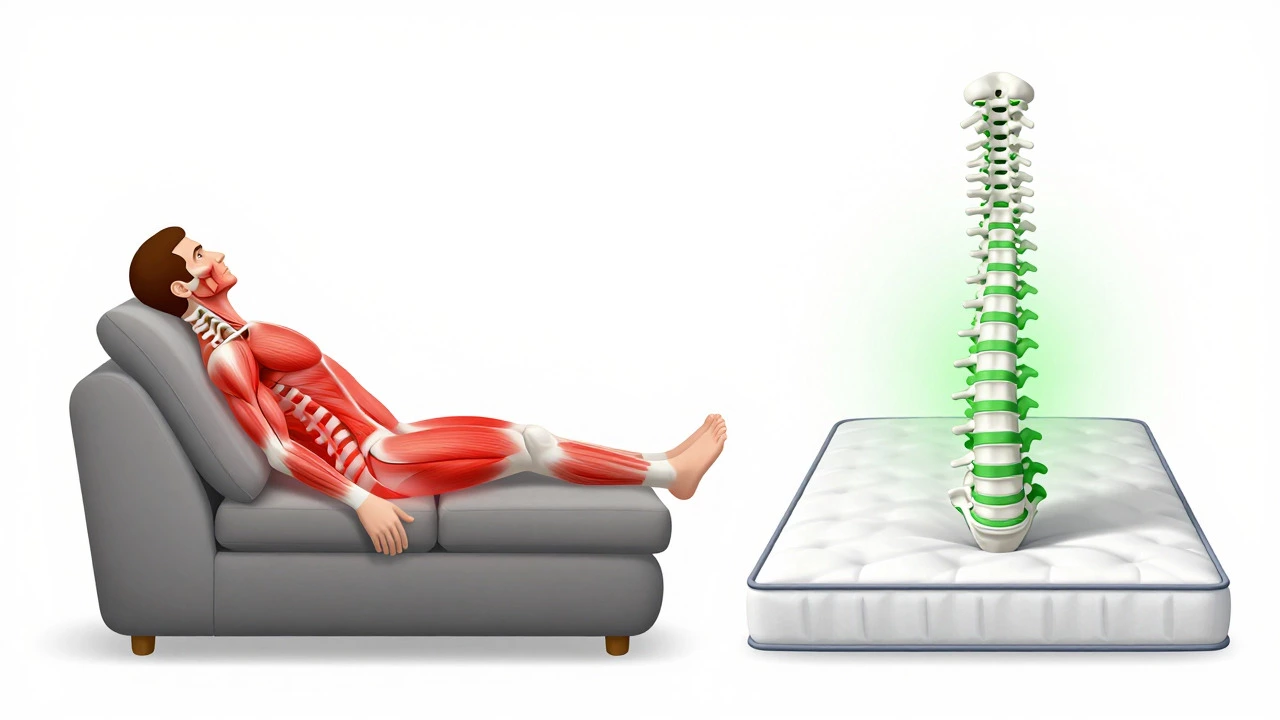
Your spine needs neutral alignment during sleep. When you lie on a surface that’s too soft or too hard-or worse, lumpy-your vertebrae shift out of place. Over time, this misalignment leads to chronic pain. A study published in the *Journal of Clinical Sleep Medicine* found that people who slept on non-orthopedic surfaces reported 40% higher rates of morning stiffness compared to those using proper mattresses.
- Pressure Points: Uneven cushioning creates hotspots where weight concentrates, reducing circulation.
- Spinal Misalignment: Lack of lumbar support forces the spine into unnatural curves.
- Muscle Tension: Your body works harder to stay stable on unstable surfaces, leading to fatigue.
If you’ve ever woken up with a “crick” in your neck or a stiff lower back after sleeping on a couch, this is likely the culprit. Your muscles were working overtime all night trying to keep your spine aligned-and they lost.
Sleep Quality Takes a Hit
It’s not just about comfort. The type of surface you sleep on directly affects your sleep architecture-the cycle of light, deep, and REM sleep your brain goes through each night. Research from the National Sleep Foundation shows that inconsistent sleep environments lead to fragmented sleep patterns. In other words, you might be asleep, but your brain isn’t getting the restorative deep sleep it needs.
Sofas, especially older ones, tend to retain heat and lack breathable materials. This can cause overheating, which interrupts REM sleep-the stage crucial for memory consolidation and emotional regulation. Add in the fact that many sofa beds use dense foam that doesn’t dissipate body heat well, and you’ve got a recipe for restless nights.
Then there’s the psychological factor. Your brain associates certain spaces with certain activities. If you eat, watch TV, work, and sleep in the same spot, your mind never fully relaxes. This condition, known as “sleep environment confusion,” makes it harder to fall asleep and stay asleep. Studies show that dedicating a separate space solely for sleep improves sleep latency by up to 30%.
Long-Term Health Risks
Occasional couch-sleeping won’t ruin your life. But making it a habit? That’s where things get serious. Chronic poor posture during sleep can lead to long-term musculoskeletal issues. Here’s what happens over time:
- Degenerative Disc Disease: Constant pressure on intervertebral discs accelerates wear and tear.
- Chronic Back Pain: Repeated strain weakens core muscles and ligaments supporting the spine.
- Joint Stiffness: Poor positioning restricts joint mobility, increasing risk of arthritis symptoms.
- Reduced Mobility: Morning stiffness becomes permanent, affecting daily movement and flexibility.
A 2023 survey by the American Chiropractic Association revealed that 68% of patients experiencing recurring back pain admitted to sleeping on non-bed surfaces at least twice a week. Among them, 75% saw improvement within three months of switching to ergonomic mattresses.
Don’t wait until your body sends distress signals. Prevention is far easier than rehabilitation.
When Couch-Sleeping Makes Sense
Let’s be fair: sometimes, you have no choice. Guests stay over. Your bedroom is being renovated. Or maybe you’re just too lazy to walk upstairs. There are scenarios where sleeping on a sofa bed is acceptable-even necessary.
The key is preparation. If you must sleep on a sofa bed, do it right:
- Add a Mattress Topper: A 2-3 inch memory foam or latex topper adds cushioning and contouring support.
- Use Pillows Strategically: Place one under your knees if sleeping on your back, or between your legs if side-sleeping, to maintain spinal alignment.
- Check for Flatness: Ensure the mechanism locks securely and the surface is level. Gaps >1 inch increase injury risk.
- Ventilate the Space: Open windows or use a fan to reduce heat buildup and improve air quality.
Even with these tweaks, treat it as temporary. Long-term solutions require better investment.
Better Alternatives to Sofa Beds
If you need flexible sleeping arrangements, consider alternatives that prioritize comfort without sacrificing function:
| Option | Comfort Level | Support Quality | Space Efficiency | Best For |
|---|---|---|---|---|
| Traditional Sofa Bed | Low-Medium | Poor | High | Occasional guests |
| Futon with Tatami Mat | Medium | Moderate | High | Minimalist spaces |
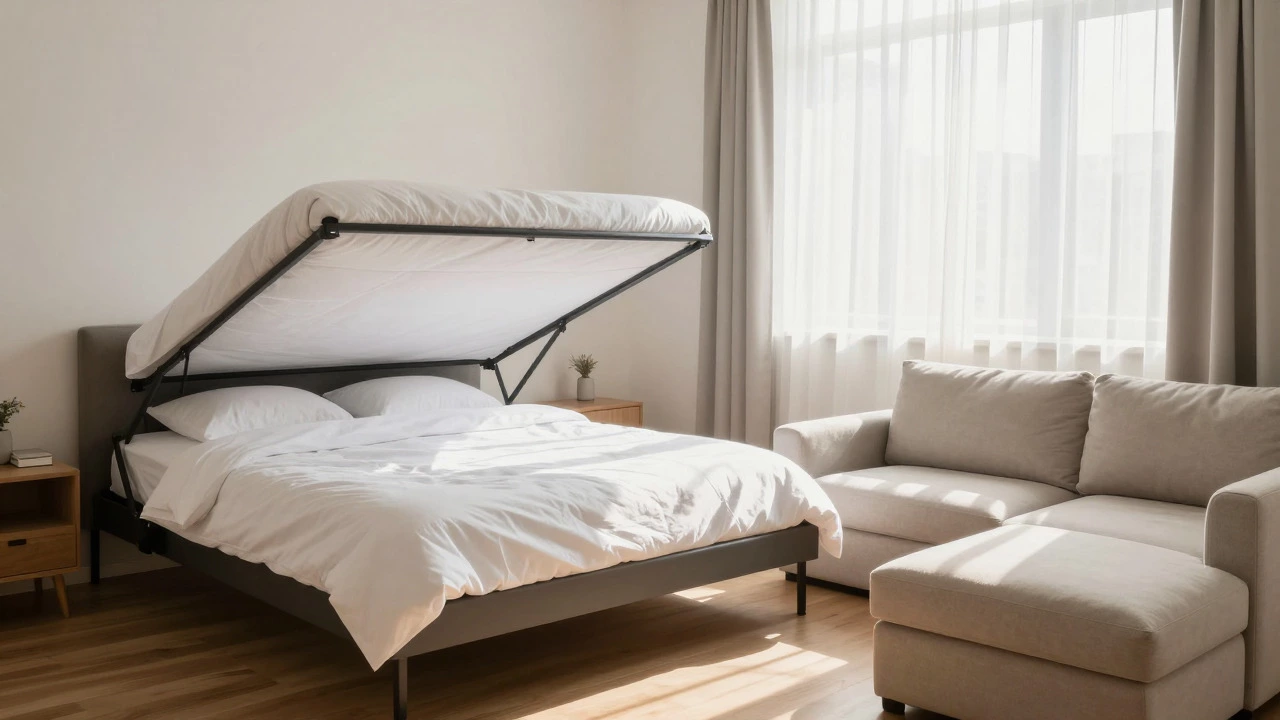
| Wall Bed (Murphy Bed) | High | Excellent | Very High | Small apartments |
| Modular Sleeper Sectional | High | Good | Medium | Family rooms |
| Air Mattress + Topper | Medium-High | Variable | High | Temporary setups |
Wall beds, for example, fold away completely when not in use, freeing up floor space while offering full-size mattress support. Modular sectionals allow customization of firmness and layout. Both options cost more upfront but deliver significantly better sleep hygiene.
How to Choose a Better Sofa Bed
If you’re committed to keeping a sofa bed, pick wisely. Not all models are created equal. Look for these features:
- High-Density Foam Core: At least 1.8 lb density ensures durability and support.
- Innerspring Hybrid Design: Combines coils with foam for balanced comfort and resilience.
- Removable, Washable Covers: Reduces allergens and extends lifespan.
- Orthopedic Certification: Some brands partner with chiropractors to validate ergonomic design.
- Weight Capacity Rating: Choose models rated for at least 250 lbs per person to prevent sagging.
Brands like IKEA’s FRIHETEN sleeper sectional or West Elm’s Jasper Sofa Bed offer improved ergonomics compared to budget options. Yes, they cost more-but so does physical therapy.
Final Thoughts: Treat Sleep Like the Priority It Is
We spend roughly one-third of our lives sleeping. Why compromise on the foundation? Whether you’re hosting friends, dealing with limited space, or simply avoiding stairs, don’t let convenience override comfort. Your spine, muscles, and mind will thank you.
Invest in a proper mattress, optimize your sleep environment, and reserve the couch for what it was meant for: lounging, watching movies, and yes-occasional power naps. Just don’t make it your home.
Is it bad to sleep on a sofa bed every night?
Yes. Regularly sleeping on a sofa bed increases your risk of chronic back pain, poor sleep quality, and spinal misalignment. While occasional use is fine, nightly reliance leads to cumulative damage over time.
Can sleeping on a couch cause permanent back damage?
Prolonged exposure to poor sleep surfaces can accelerate degenerative disc disease and weaken core muscles. Early intervention prevents irreversible structural changes.
What’s the best way to sleep on a sofa bed comfortably?
Add a high-density foam topper, use pillows to align your spine, ensure the surface is flat, and ventilate the area to regulate temperature. Avoid sleeping face-down or curled tightly.
Are wall beds better than sofa beds for regular use?
Absolutely. Wall beds accommodate standard mattresses, provide superior support, and eliminate gaps or uneven surfaces. They’re ideal for small spaces needing frequent guest accommodation.
How often should I replace my sofa bed mattress?
Every 5-7 years, or sooner if you notice visible sagging, loss of bounce, or increased morning stiffness. High-use households may need replacement every 3-4 years.
Does sleeping on a couch affect mental health?
Indirectly, yes. Poor sleep quality elevates cortisol levels, impairs mood regulation, and reduces cognitive function. Consistent discomfort also contributes to stress and anxiety.
Can children safely sleep on sofa beds?
Children under 12 should avoid sofa beds due to developing spines and higher vulnerability to misalignment. Use cribs, toddler beds, or properly supported twin mattresses instead.
What’s the difference between a futon and a sofa bed?
Futons typically feature thinner mattresses and simpler folding mechanisms, making them less supportive. Sofa beds usually include thicker padding and spring systems, though still inferior to real beds.
How much does a good sofa bed cost?
Quality sofa beds range from $800 to $2,500 AUD. Budget models under $600 often sacrifice support and durability. Consider total cost of ownership, including potential medical expenses from poor sleep.
Should I use a mattress protector on my sofa bed?
Yes. Protectors extend mattress life, block allergens, and simplify cleaning. Choose waterproof, breathable covers for maximum protection against spills and dust mites.