Furniture Mould: How to Prevent and Fix Mold on Sofas, Storage, and Outdoor Furniture
When furniture mould, a type of fungal growth that thrives in damp, dark environments and can damage fabric, wood, and padding. Also known as mildew, it doesn’t just look bad—it can trigger allergies, ruin upholstery, and weaken the structure of your couch or dresser. If you’ve ever opened a storage unit and smelled that musty, earthy odor, or noticed dark spots on the corner of your sofa, you’ve seen furniture mould in action. It’s not just a cleaning problem. It’s a sign of moisture, poor airflow, or wrong storage habits—and it’s way more common than people think.
People often blame humidity alone, but it’s usually a mix of factors. A furniture storage, the practice of keeping unused or seasonal furniture in a controlled environment. Also known as long-term storage, it becomes risky if the unit isn’t ventilated, if items aren’t cleaned before being packed, or if plastic covers trap moisture instead of letting it breathe. Even your living room sofa can get mouldy if you live near the coast, have a leaky window, or use it as a sleeping spot every night. Moisture from sweat, spills, or even breathing can build up in the fabric over time. And when you combine that with poor air circulation—like pushing a couch tight against a cold wall—you’re giving mould the perfect recipe.
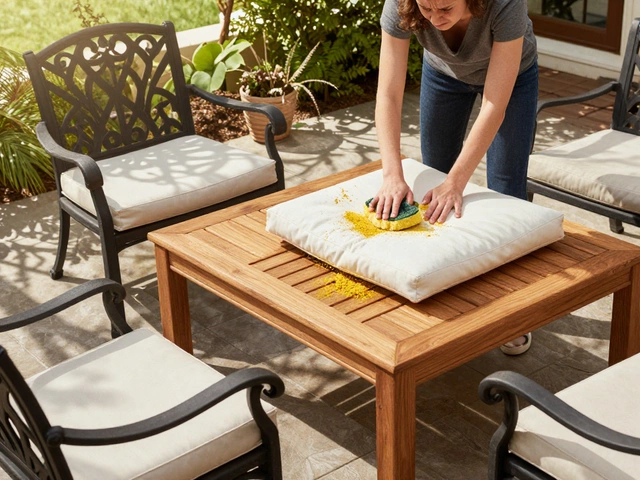
Outdoor furniture isn’t safe either. Pieces made of wood, wicker, or even some fabrics can develop mould if left uncovered during rainy seasons. You might think a cover is enough, but if it’s not breathable or if water pools underneath, you’re just creating a steam room for fungi. sofa mold, a specific type of furniture mould that grows on upholstered seating. Also known as upholstery mildew, it often starts near seams or under cushions where moisture hides. Leather might seem safer, but if it’s not conditioned properly, it can crack and trap dampness underneath. Performance fabrics resist stains and pet claws, but they’re not immune to mould if they stay wet too long.
The good news? You don’t need expensive cleaners or professional help to fix it early. Most cases of furniture mould can be stopped with simple steps: dry the area completely, clean with vinegar or a mild soap solution, and improve airflow. But prevention is even easier. Use dehumidifiers in storage rooms, leave space between furniture and walls, avoid plastic wraps in favor of cotton sheets, and never store damp items. If you’ve got a sofa bed or a dresser in a basement, check it every few months—even if you don’t use it. Mould doesn’t wait for you to notice.
What you’ll find below are real, tested fixes from people who’ve dealt with this exact problem—whether it’s a mouldy couch after a flood, a storage unit full of mildew, or outdoor chairs that turned green over winter. No fluff. No guesswork. Just what works.
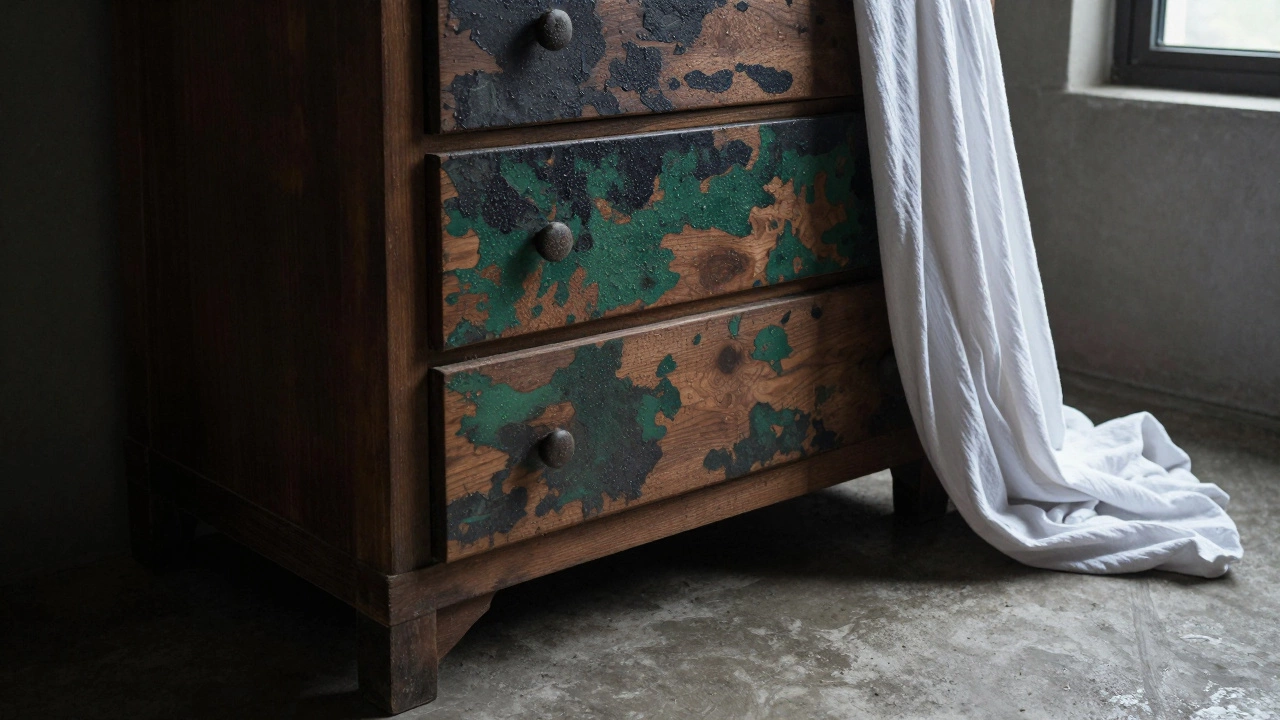
Does Furniture Go Mouldy in Storage? What You Need to Know
Furniture can grow mould in storage if exposed to moisture and poor ventilation. Learn how to prevent it, spot early signs, and clean it safely before it damages your pieces.