ADHD and Seating: How Chair Design Affects Focus and Comfort
When you have ADHD, a neurodevelopmental condition that affects attention, impulse control, and executive function. Also known as attention deficit hyperactivity disorder, it doesn’t just make it hard to sit still—it makes stillness physically uncomfortable. For many people with ADHD, the right chair isn’t a luxury, it’s a necessity. A poorly designed seat can turn a simple task into a battle against restlessness, distraction, and physical discomfort. The wrong chair increases fidgeting, drains mental energy, and makes focus feel impossible.
That’s where ergonomic seating, furniture designed to support the body’s natural posture and reduce strain. It includes features like adjustable height, lumbar support, and seat depth comes in. But not all ergonomic chairs work for ADHD. Some are too rigid, too quiet, or too still. People with ADHD often need movement—tiny shifts, rocking, or even bouncing—to stay engaged. That’s why chairs with gentle motion, like swivel bases or subtle bounce mechanisms, can be more helpful than stiff, office-style thrones. sensory-friendly furniture, designs that accommodate sensory processing differences, including tactile, proprioceptive, and vestibular needs isn’t just a trend—it’s a practical fix for brain-based challenges.
Think about it: if you’re constantly adjusting your position, shifting your weight, or standing up to stretch, your brain is spending energy on movement instead of the task at hand. The goal isn’t to stop movement—it’s to channel it. A chair that lets you wiggle without falling over, that gives you feedback through texture or pressure, or that lets you tilt and rock quietly can actually help you stay seated longer. That’s why performance fabrics, like the ones used in durable sofas, matter too—some textures soothe, others irritate. And height adjustment? Critical. Feet flat on the floor isn’t just good posture—it’s a grounding tool for an overstimulated nervous system.
You’ll find posts here that dig into exactly what makes a chair work for ADHD minds. From the 80/20 rule for office chairs—focusing on just five key features—to the science-backed 20-8-2 rule for breaking up sitting time, these aren’t generic tips. They’re tools built for real people who need to move to think. You’ll also see how fabric choice, chair weight, base stability, and even color can play a role in reducing sensory overload. This isn’t about finding the perfect chair—it’s about finding the right one for your brain.
What follows is a collection of real, tested insights—from people who’ve tried dozens of chairs, from experts who’ve studied movement and attention, and from those who’ve learned the hard way that a bad seat can ruin your whole day. Whether you’re looking for a desk chair that doesn’t feel like a prison, a sofa that doesn’t make you feel like you’re sinking, or just a better way to sit without losing your mind—you’ll find it here.
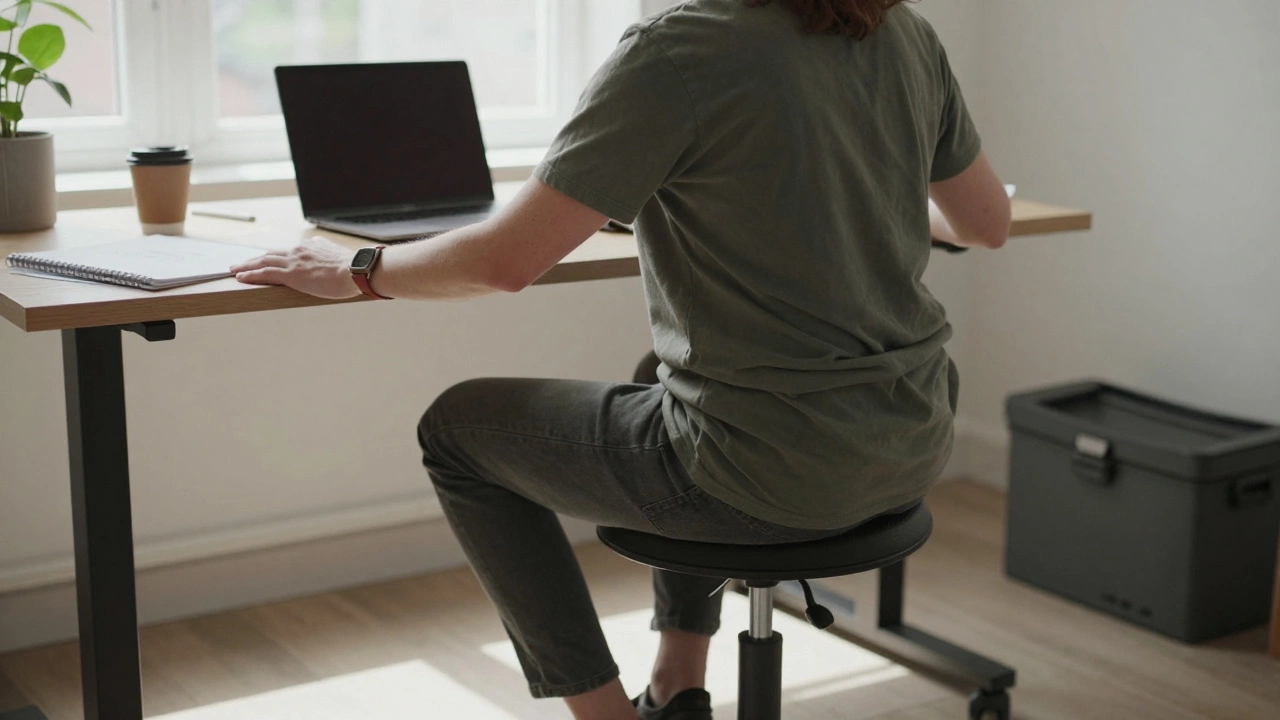
Why Do People With ADHD Sit Differently? The Real Reason Behind Fidgeting and Unusual Postures
People with ADHD sit differently because movement helps their brain focus. Traditional chairs make it harder-not easier. Learn why dynamic seating works better and what chairs actually help.