ADHD Sitting Habits: How to Sit Better When Your Mind Won’t Stay Still
When you have ADHD sitting habits, the way you sit isn’t just about comfort—it’s about staying focused, avoiding pain, and keeping your brain from overheating. Also known as fidget-friendly seating needs, these habits are often misunderstood as restlessness or laziness, but they’re actually your brain’s way of regulating attention and energy. If you’re constantly shifting, standing up, or slouching in your chair, you’re not being lazy—you’re trying to stay awake.
People with ADHD don’t sit the same way neurotypical people do. Research shows that small movements—like rocking, tapping, or standing—can actually improve focus by increasing dopamine and norepinephrine in the brain. That’s why a stiff, silent chair often makes things worse. What works better? A chair that lets you move. Think adjustable height, swivel bases, and cushioned seats that give a little. The ergonomic seating, a setup designed to support natural body alignment while allowing controlled motion. Also known as dynamic seating, it’s not just for office workers—it’s essential for anyone who struggles to stay still. The 20-8-2 rule, a simple rhythm of 20 minutes sitting, 8 standing, and 2 minutes of movement. Also known as movement breaks, it’s not a luxury—it’s a neurological necessity for many with ADHD. Skipping movement leads to mental fog, back pain, and frustration. You don’t need a fancy standing desk. A cushion, a footrest, or even just walking in place while on a call can make a difference.
What you sit on matters more than you think. A sofa that sinks too deep? Bad. A chair with no lumbar support? Worse. Performance fabric? It won’t fix your focus, but it’ll survive the sweat, the fidgeting, and the accidental spills. And if you’re using a sofa bed as your daily seat? You’re probably hurting your spine and draining your energy. The right chair doesn’t have to be expensive—but it does need to respond to your body, not fight it. Look for adjustability, breathability, and room to wiggle. That’s the real secret behind chair investment, spending a little more upfront to avoid pain, distraction, and burnout later.
Below, you’ll find real advice from people who’ve been there—how to pick a chair that doesn’t feel like a prison, why some sofas are worse than others for ADHD brains, and what small changes actually help you stay on task without burning out. No fluff. No gimmicks. Just what works when your body and brain won’t sit still.
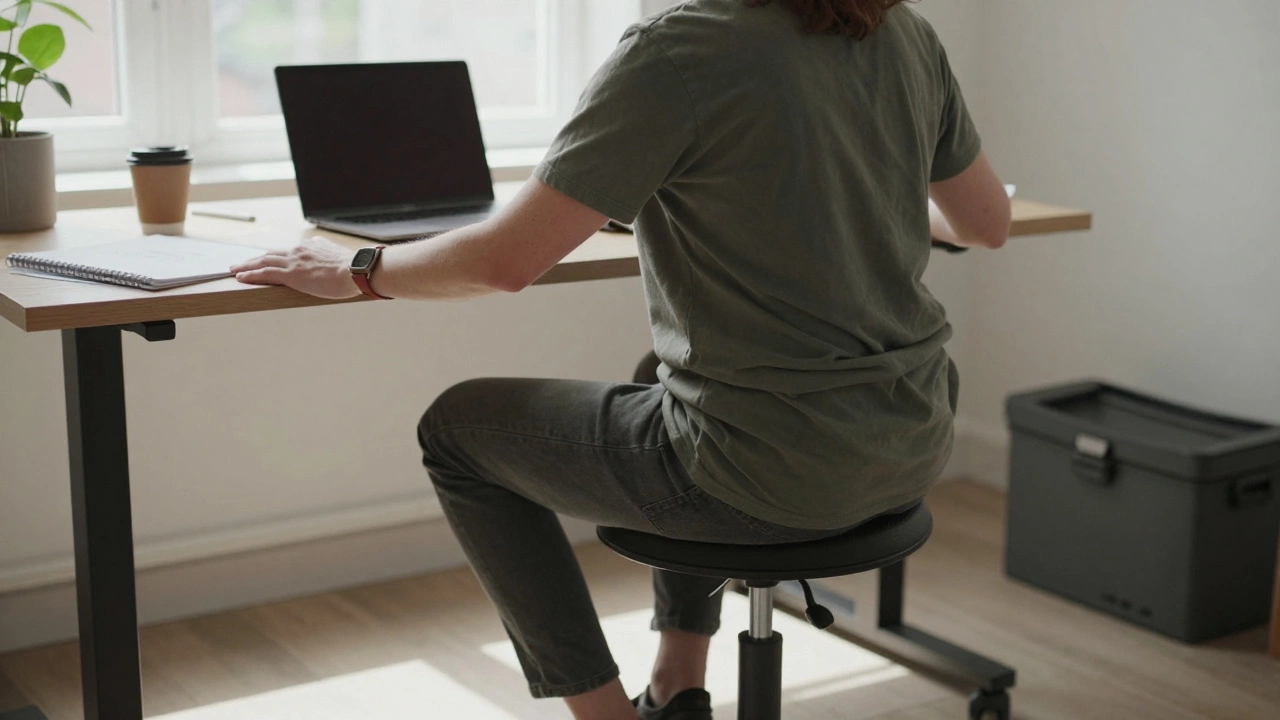
Why Do People With ADHD Sit Differently? The Real Reason Behind Fidgeting and Unusual Postures
People with ADHD sit differently because movement helps their brain focus. Traditional chairs make it harder-not easier. Learn why dynamic seating works better and what chairs actually help.