Chair Investment: What Makes a Chair Worth the Money
When you buy a chair investment, a purchase made with long-term comfort, health, and durability in mind. Also known as ergonomic seating, it’s not just about sitting down—it’s about how that seat supports your body through hours of work, rest, or recovery. Most people treat chairs like disposable items, replacing them every few years because they break, sag, or hurt their back. But a real chair investment lasts a decade or more, and it doesn’t just save money—it saves your spine.
Think about the people who need this most: someone with ADHD, a neurodevelopmental condition where movement helps with focus. For them, a static chair isn’t just uncomfortable—it’s counterproductive. They need dynamic seating that lets them shift, wiggle, and adjust without distraction. Then there’s the senior recliner, a specially designed chair with power lift and firm support to help older adults stand safely and reduce joint pain. It’s not a luxury. For many, it’s essential for independence. And if you sit at a desk eight hours a day, the ergonomic chair, a chair built to align your spine, support your lower back, and reduce muscle strain. It’s not a trend. It’s a health tool, like a good mattress or proper shoes.
What connects these different needs? It’s not price. It’s design. A chair that’s built with adjustable lumbar support, high-density foam, and durable materials like performance fabric or solid wood won’t collapse after six months. It won’t make your hips ache after lunch. It won’t become a hazard because the wheels broke or the base wobbled. These are the features that turn a chair from a piece of furniture into a long-term solution.
You don’t need the most expensive chair on the market. But you do need one that matches your body and your life. A chair for someone with back pain isn’t the same as one for a kid who fidgets. A recliner for a senior isn’t just a comfy chair—it’s mobility aid. And if you’re spending hours at a desk, skipping proper support is like skipping sleep. The best chair investment doesn’t shout. It doesn’t have flashy colors or brand logos. It just works—quietly, reliably, day after day.
Below, you’ll find real guides on what makes chairs last, who they’re for, and how to pick one that actually helps—not hurts. Whether you’re looking at office chairs, recliners, or sofa beds that double as seating, these posts cut through the noise and show you what matters.
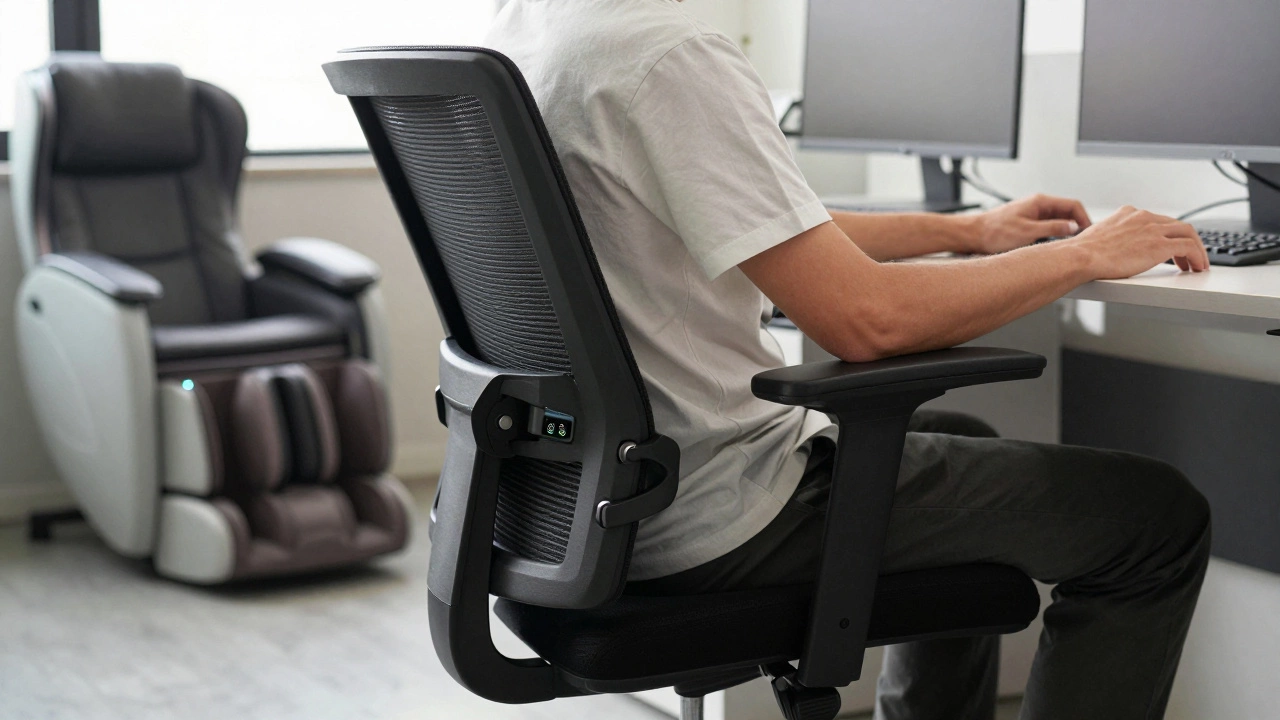
What Is the 80/20 Rule Strategy for Office Chairs?
The 80/20 rule for office chairs means 80% of comfort comes from just 5 key features: lumbar support, seat depth, armrests, height adjustment, and a stable base. Skip the extras and focus on these to save money and protect your back.