Dynamic Sitting: Smart Ways to Sit Better at Home and Work
When you think about sitting, you probably imagine a chair—still, silent, and fixed. But dynamic sitting, the practice of moving slightly while seated to reduce strain and improve circulation. Also known as active sitting, it’s not about fidgeting. It’s about letting your body move naturally to stay healthy while you work, watch TV, or relax. Most people sit for 8–10 hours a day. That’s not just uncomfortable—it’s damaging your spine, slowing your metabolism, and weakening your core. Dynamic sitting flips that script. Instead of locking into one position, you shift weight, adjust posture, and engage muscles without even standing up.
This isn’t just a trend. It’s backed by research from the Journal of Occupational Health and real-world office studies showing people who sit dynamically report 40% less lower back pain. The key is small, frequent movement: leaning forward slightly, shifting side to side, or using a chair that lets your hips rock. You don’t need a fancy chair. You need awareness. That’s why the 20-8-2 rule, a simple schedule of 20 minutes sitting, 8 minutes standing, and 2 minutes of light movement works so well. It turns sitting into an active habit. And when you pair that with the right ergonomic seating, furniture designed to support natural posture and reduce pressure points, you’re not just avoiding pain—you’re building strength over time.
What you’ll find below isn’t a list of fancy chairs or expensive gadgets. It’s real talk about what actually works. From how to pick a sofa that doesn’t wreck your posture, to why your office chair’s lumbar support matters more than its brand, to how a simple seated core workout can flatten your stomach without leaving your desk—these posts cut through the noise. You’ll learn why some sofa beds are surprisingly comfortable to sit on daily, how to stop furniture from going mouldy in storage (yes, it happens), and why the 80/20 rule for office chairs means you can save hundreds without losing comfort. This isn’t about buying more stuff. It’s about sitting smarter.
Why Do People With ADHD Sit Differently? The Real Reason Behind Fidgeting and Unusual Postures
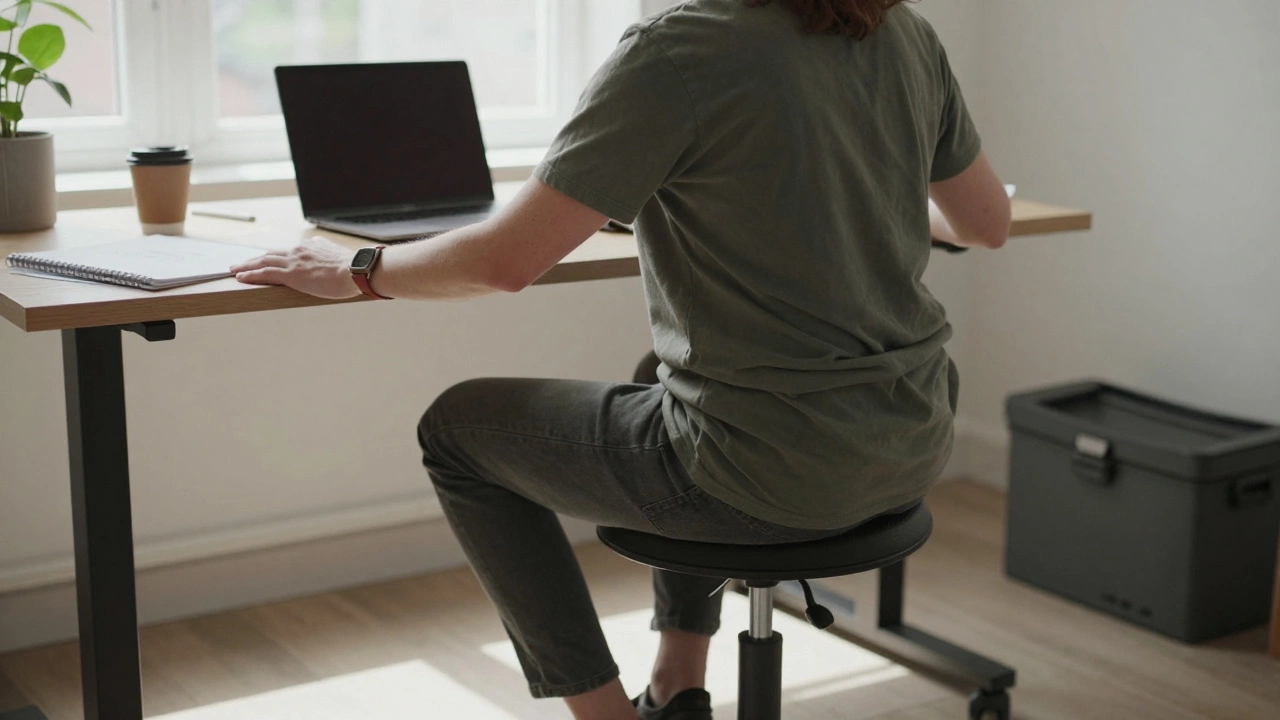
People with ADHD sit differently because movement helps their brain focus. Traditional chairs make it harder-not easier. Learn why dynamic seating works better and what chairs actually help.