Fidgeting Posture: Why It Hurts Your Back and How to Fix It
When you can't sit still—crossing your legs, shifting side to side, or slouching then jerking upright—you're not being restless. You're reacting to poor fidgeting posture, a physical response to discomfort caused by unsupported sitting that leads to muscle strain and long-term spinal stress. Also known as restless sitting, it's your body’s way of saying your chair isn’t doing its job. This isn’t just about being bored. Studies show people who fidget while seated are often trying to relieve pressure on their lower back, hips, or neck because their seating setup lacks proper support.
Fidgeting posture is closely tied to ergonomic seating, the design of chairs and workspaces that match the human body’s natural shape and movement needs. If your chair doesn’t support your lumbar curve, or if your feet don’t flat on the floor, your muscles will constantly tense and release to stay balanced. That’s why you keep adjusting. It’s also linked to sitting posture, the alignment of your spine, shoulders, and hips while seated. Poor posture forces your spine into unnatural angles, and your body fights back with tiny, repetitive movements. Over time, this leads to chronic pain, reduced circulation, and even nerve irritation.
The good news? You don’t need a fancy chair to fix this. Most people fix fidgeting posture by adjusting three things: chair height so feet rest flat, seat depth so there’s a two-finger gap behind the knees, and adding a small rolled towel behind the lower back. The 20-8-2 rule—20 minutes sitting, 8 standing, 2 moving—isn’t just for office workers. It’s a simple reset button for anyone who sits too long. And if you’re constantly shifting because your couch or chair feels like it’s swallowing you, it’s not you—it’s the furniture.
You’ll find real solutions below—not guesses, not marketing fluff. People have tested what works on actual couches, office chairs, and sofa beds. Some fixes cost nothing. Others save backs. All of them come from real experiences of people who sit all day and refuse to live with pain.
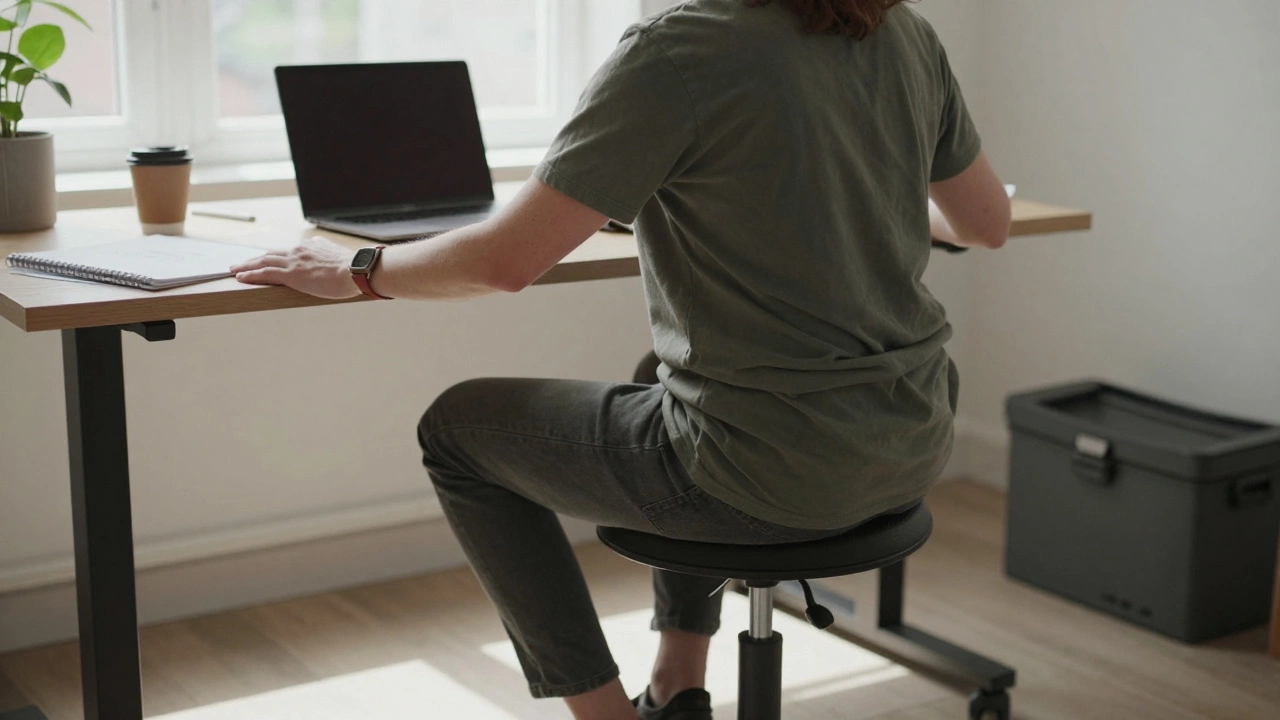
Why Do People With ADHD Sit Differently? The Real Reason Behind Fidgeting and Unusual Postures
People with ADHD sit differently because movement helps their brain focus. Traditional chairs make it harder-not easier. Learn why dynamic seating works better and what chairs actually help.