Office Chairs for ADHD: Best Features and What Actually Helps
When you have ADHD, sitting still isn’t just hard—it can make focus, productivity, and even basic work feel impossible. That’s why office chairs for ADHD, specialized seating designed to support movement, reduce fidgeting, and improve concentration. Also known as active sitting chairs, these aren’t just about comfort—they’re a tool for managing attention and reducing mental fatigue. A regular office chair won’t cut it. You need something that lets your body move without distracting your mind.
Think about it: people with ADHD often need to shift, rock, or wiggle to stay engaged. That’s not a flaw—it’s a neurological need. The right chair doesn’t stop movement; it channels it. lumbar support, the curve in the chair that matches your lower spine keeps your posture stable so your brain doesn’t waste energy fighting slouch. seat depth adjustment, the ability to customize how far back your thighs rest ensures your feet stay flat, which helps ground your body and calm your nervous system. And armrests, properly positioned supports that reduce shoulder tension give your arms a place to rest, so you’re not constantly tensing up.
It’s not just about the chair’s structure—it’s about how it works with your brain. The 20-8-2 rule for posture isn’t just for back pain; it’s a lifeline for ADHD focus. Twenty minutes sitting, eight standing, two moving—this rhythm keeps your dopamine levels steady. A chair that lets you easily shift between sitting and standing, or even gently rock, makes this rule simple to follow. And don’t overlook the base. A stable, five-point base prevents tipping when you shift weight, which reduces anxiety about falling or losing balance.
Most people assume expensive chairs are the answer, but that’s not true. What matters is function, not brand. You don’t need memory foam or Bluetooth speakers. You need adjustability, movement, and support. The best chairs for ADHD let you bounce, sway, or tilt without breaking. Some even have built-in tension controls so you can fine-tune how much resistance you feel when you lean back. It’s not a luxury—it’s a necessity.
And here’s the thing: if you’re working from home, your chair isn’t just a seat—it’s your workspace anchor. A bad chair makes your brain work harder just to stay upright. A good one lets you focus on the task, not your discomfort. That’s why so many people with ADHD report better concentration, fewer distractions, and less burnout once they switch to the right setup.
Below, you’ll find real advice from people who’ve tried dozens of chairs and settled on what actually works. No marketing hype. Just what helps you sit, stay focused, and get things done without feeling drained by the end of the day.
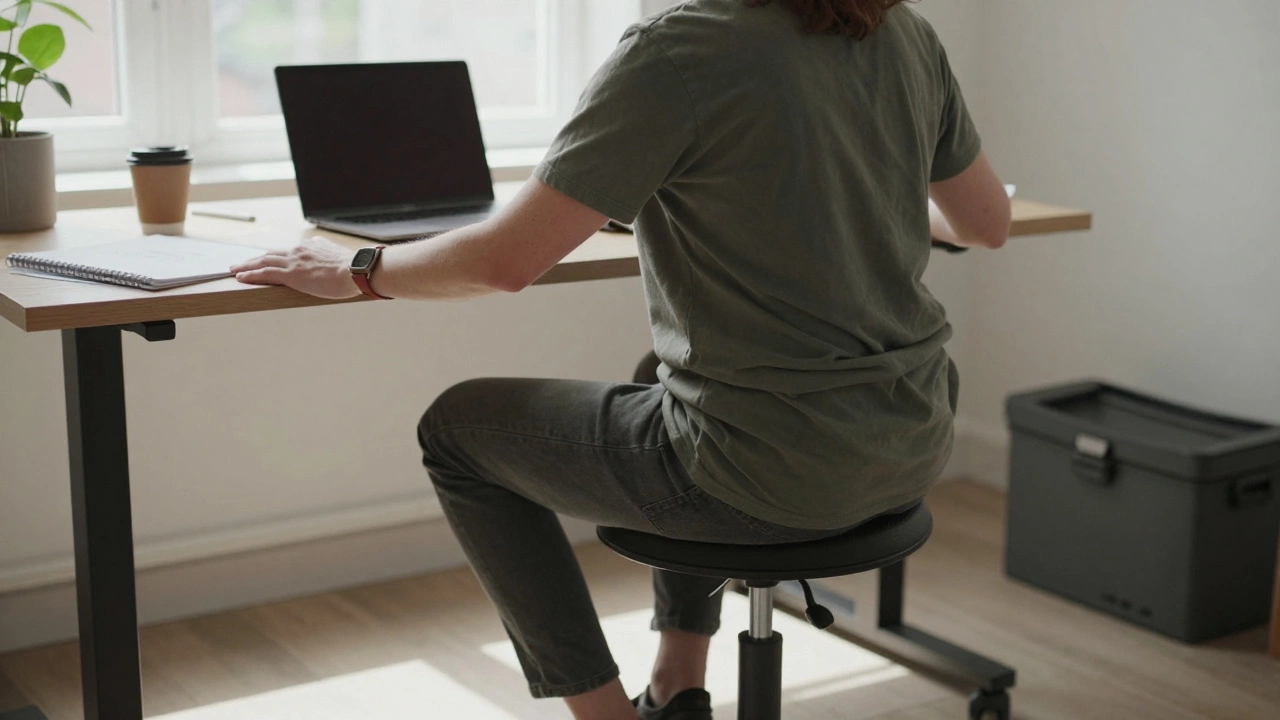
Why Do People With ADHD Sit Differently? The Real Reason Behind Fidgeting and Unusual Postures
People with ADHD sit differently because movement helps their brain focus. Traditional chairs make it harder-not easier. Learn why dynamic seating works better and what chairs actually help.