Prevent Furniture Mould: Simple Ways to Stop Damage from Humidity and Moisture
When furniture mould, a type of fungal growth that thrives in damp, poorly ventilated spaces and can permanently stain or weaken wood, fabric, and upholstery. It’s not just ugly—it’s expensive to fix and hard to fully remove once it sets in. Most people only notice it after the damage is done: dark spots on your couch, a musty smell in your storage unit, or peeling veneer on an old dresser. But you don’t need to wait for that. Preventing furniture mould is simpler than you think, and it starts with understanding what causes it.
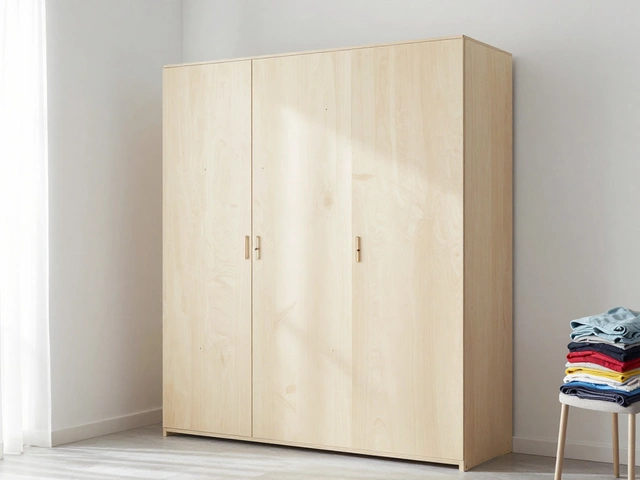
Humidity control, the practice of managing moisture levels in the air to protect materials like wood, fabric, and leather. It’s not about making your home dry—it’s about keeping it balanced. In places like Melbourne or coastal India, where damp air lingers for weeks, even a well-cared-for sofa can start to grow mould if it’s tucked against a cold wall or stored in a basement. The key? Keep air moving. Use fans, open windows when it’s dry outside, and avoid placing furniture directly against exterior walls. A dehumidifier in your storage room or living area can cut mould risk by half. And don’t forget furniture storage, the process of keeping pieces safe during moves, renovations, or seasonal changes. Many people wrap furniture in plastic thinking it protects it, but that traps moisture inside. Instead, use breathable cotton covers and elevate items off the floor with wooden pallets or risers. Even a few inches of space makes a difference.
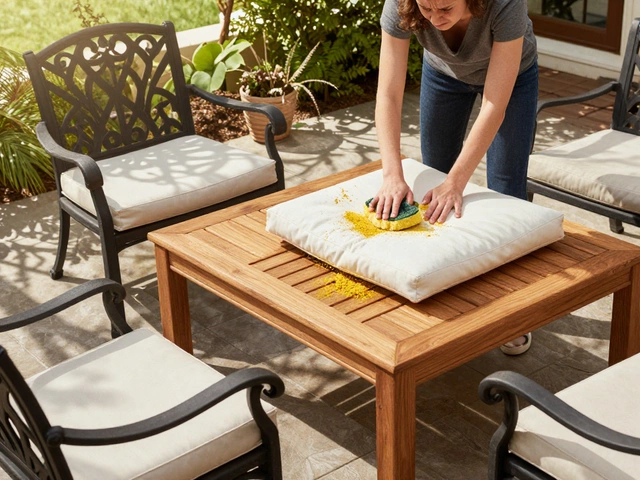
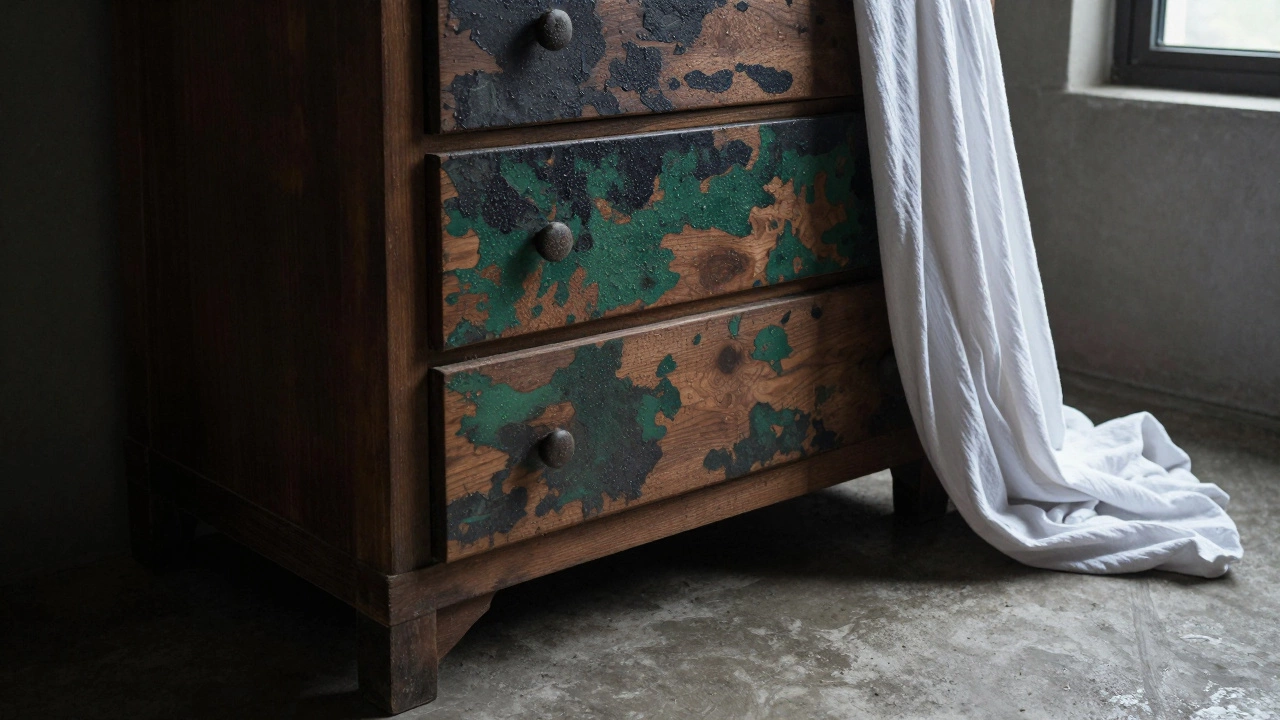
Mold prevention, a set of proactive habits that stop fungal growth before it starts, not just cleaning it after the fact. This isn’t about buying special sprays—it’s about routine checks. Wipe down surfaces after rainy seasons, check under cushions and behind dressers every few months, and never store damp items. If you’ve ever stored a sofa in a garage or rented unit and found greenish patches later, you know how fast it happens. The best defence? Clean your furniture thoroughly before storing it, let it dry completely, and monitor temperature and humidity with a cheap digital gauge. You don’t need a smart home system—just awareness.
These habits aren’t just for fancy furniture. They work for your IKEA bookshelf, your grandmother’s wooden chair, or the sofa bed you use every night. Mould doesn’t care how much you paid—it just needs warmth, moisture, and time. The good news? You can stop it before it starts. Below, you’ll find real stories and proven tips from people who’ve dealt with mouldy couches, ruined dressers, and storage disasters—and how they fixed it without spending a fortune.
Does Furniture Go Mouldy in Storage? What You Need to Know
Furniture can grow mould in storage if exposed to moisture and poor ventilation. Learn how to prevent it, spot early signs, and clean it safely before it damages your pieces.