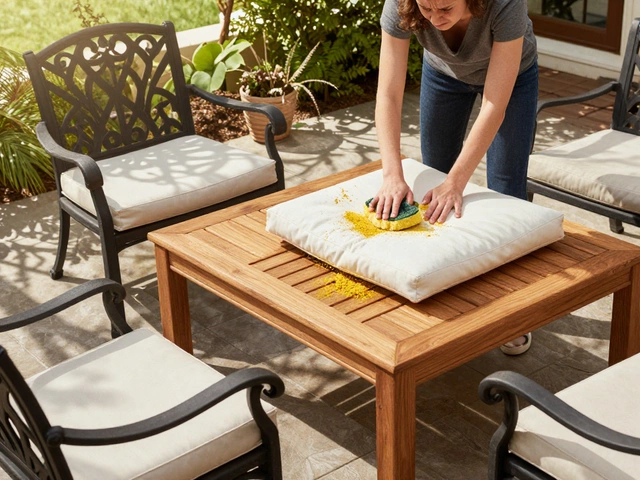
Mould on Furniture: How to Prevent, Spot, and Fix It
When mould on furniture, a type of fungus that grows in damp, dark environments and can damage fabric, wood, and padding. Also known as mildew, it doesn’t just look bad—it can trigger allergies, weaken materials, and spread to other items in your home. You might notice it as black spots on your sofa, green fuzz on a wooden chair, or a musty smell coming from a storage unit. It’s not just about cleanliness. It’s about moisture, airflow, and how you store or use your furniture.
Mould thrives where humidity stays high and air doesn’t move. That’s why furniture stored in basements, garages, or poorly ventilated rooms is at risk. Even your living room couch can get mould if you live in a humid climate and don’t air it out. The same problem shows up in furniture storage, the practice of keeping furniture in enclosed spaces like units or containers for months or years. Without proper ventilation or dehumidifiers, mould finds a home in seams, under covers, and inside drawers. And if you’ve ever wondered why your outdoor furniture got mouldy after being covered all winter, it’s because the cover trapped moisture instead of letting it escape.
Preventing mold prevention, a set of actions to stop fungal growth by controlling moisture, airflow, and cleaning habits isn’t complicated. It’s about habits: wiping spills right away, using fans in damp rooms, keeping furniture away from walls so air can circulate, and checking stored pieces every few months. If you’re storing furniture, skip plastic wraps—they trap sweat. Use breathable cotton covers instead. And if you live near the coast or in a rainy city, keep a dehumidifier running near your sofa or side tables. You don’t need fancy gear. Just a $30 unit and 10 minutes a week.
When you spot mould, don’t panic. A little scrub with vinegar and water works on most surfaces. Leather? Use a damp cloth and leather cleaner. Fabric? Vacuum first, then treat with a mild soap solution. But if it’s deep in the padding or spreading fast, it’s not worth saving. Replacing a cushion is cheaper than treating your lungs later. And if you’ve had mould on your furniture more than once, look at your home’s humidity levels. A simple hygrometer from the hardware store can tell you if your indoor air is above 60%—the danger zone.
There’s no magic fix. But knowing what causes mould, how to stop it, and how to clean it safely gives you control. You won’t have to throw out your favourite chair because of a few dark spots. You won’t wonder why your storage unit smells like a basement. And you won’t keep buying new furniture only to see the same problem come back.
Below, you’ll find real advice from people who’ve dealt with this—whether it’s storing a sofa for months, fixing mould on a wooden dresser, or choosing the right cover for outdoor furniture. No fluff. Just what works.
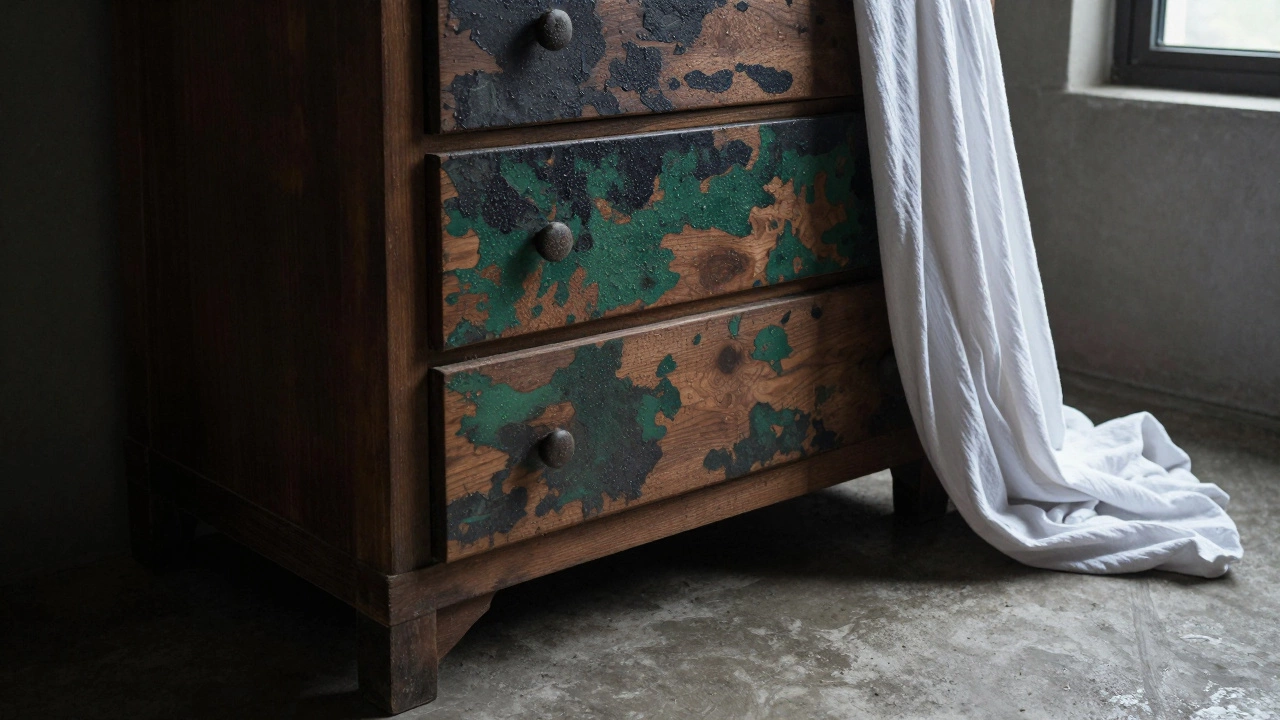
Does Furniture Go Mouldy in Storage? What You Need to Know
Furniture can grow mould in storage if exposed to moisture and poor ventilation. Learn how to prevent it, spot early signs, and clean it safely before it damages your pieces.